In real rooms
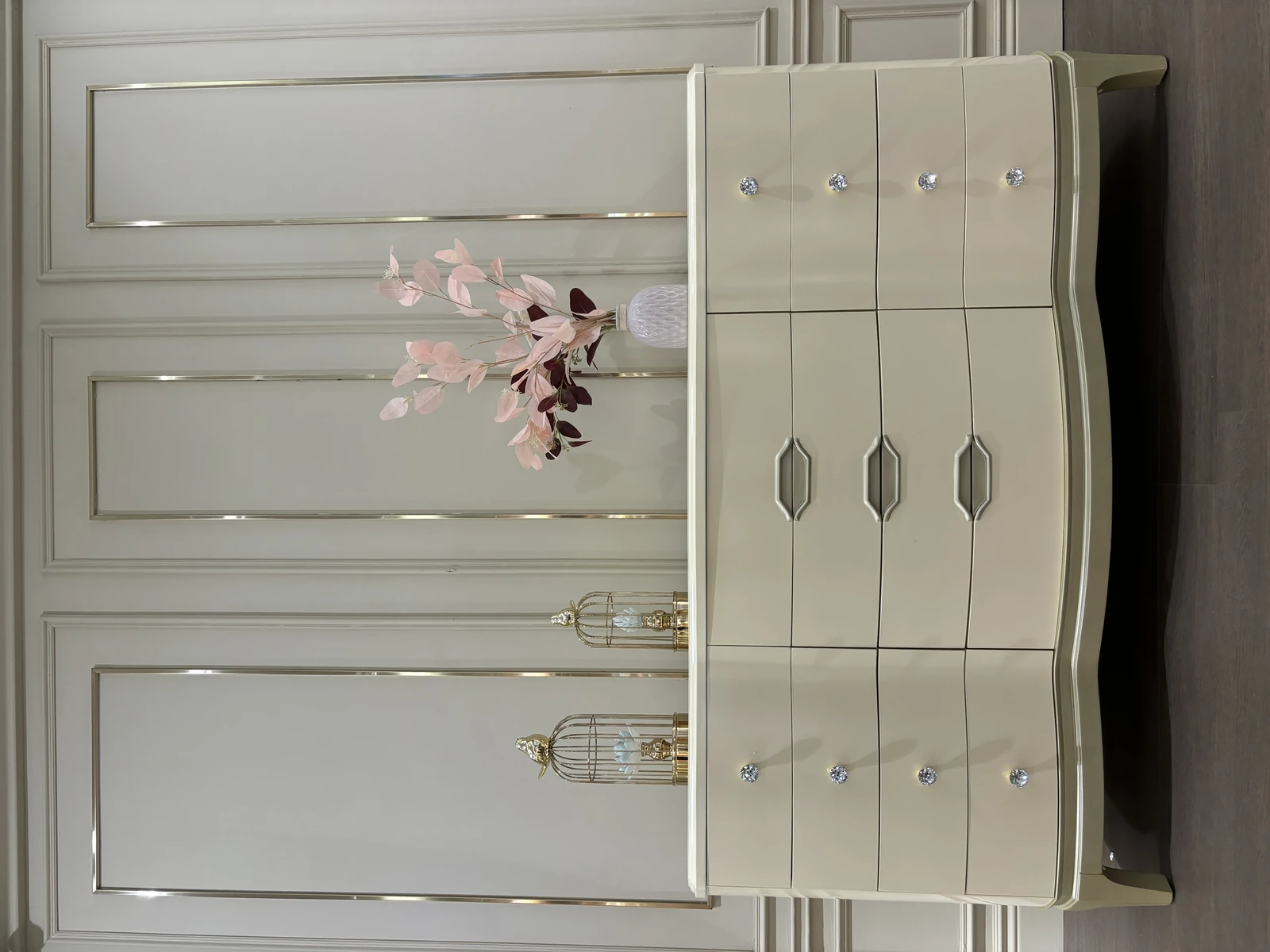
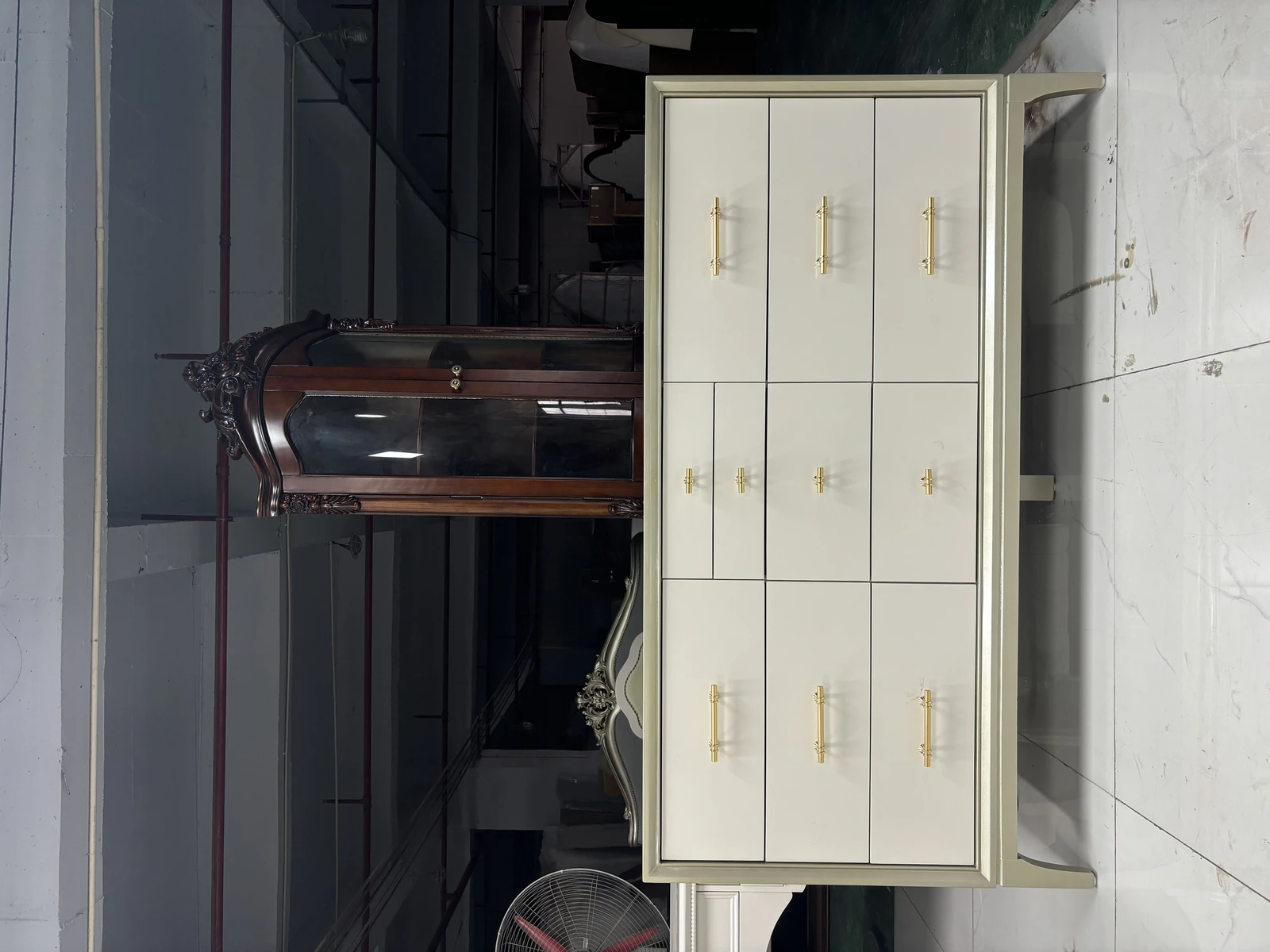
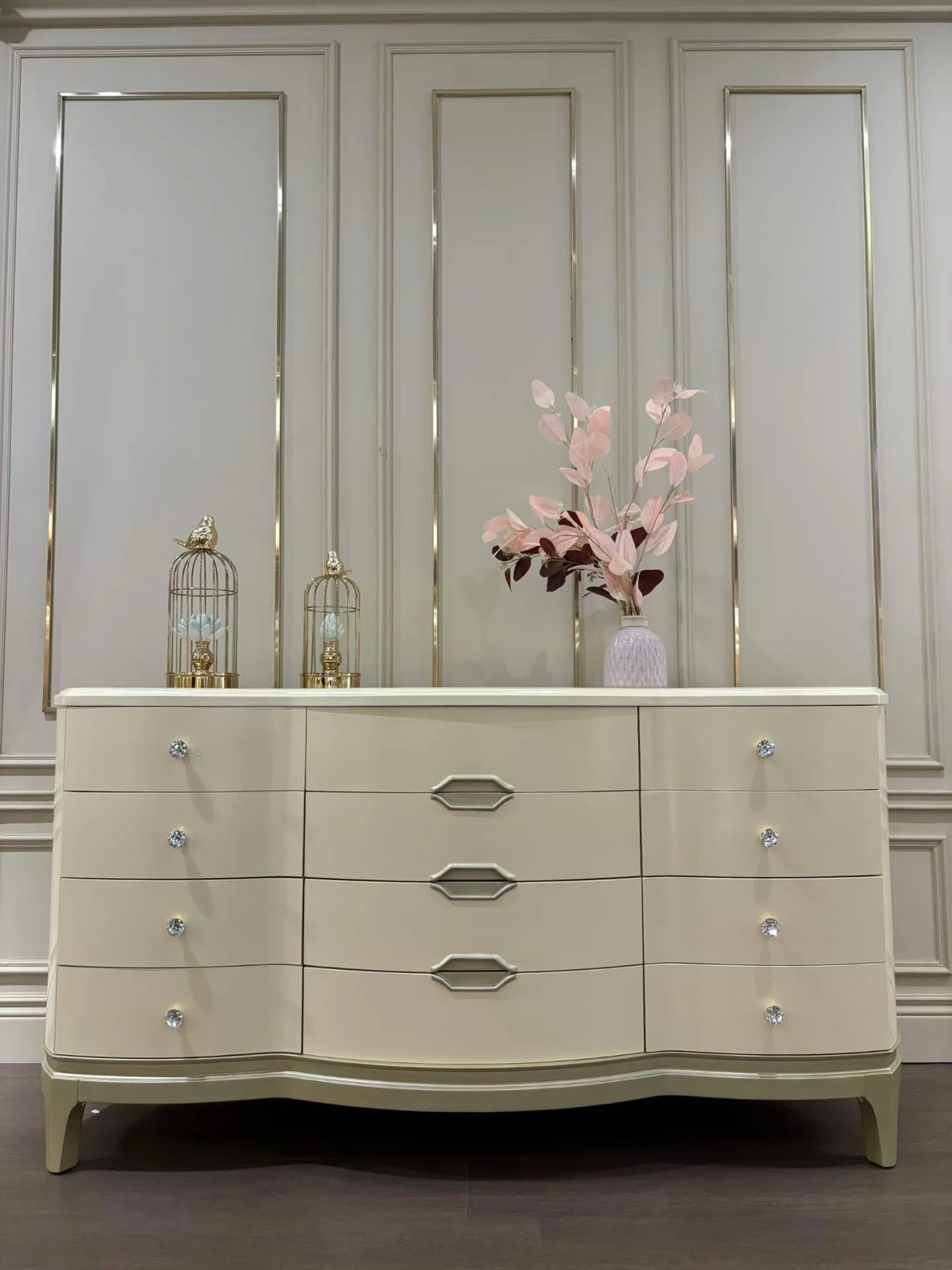
From HDB rooms to landed homes across Singapore, discover practical systems that transform clutter into calm — no interior designer required.
Whether you're squeezing storage into a compact master bedroom or reimagining a walk-in closet, these guides meet you where you are.
Before buying, measure your room’s height, width, and depth—including ceiling height in older apartments. Compare materials for humidity resistance, especially in tropical climates like Singapore, Bangkok, or Kuala Lumpur; opt for ventilated backing and moisture-resistant finishes. Ask about adjustable shelves and hanging rods to accommodate local clothing types, from long kimonos in Japan to lightweight linens in Korea and Thailand. Verify whether the unit includes drawers, shoe racks, or lighting suited to your daily needs, and confirm assembly requirements and clearance space for doors.
Solid materials and thoughtful construction are what separate a wardrobe from a temporary storage solution. Look for hardwood or high-grade plywood carcasses rather than particleboard, especially in humid climates like Singapore or Bangkok where moisture warps cheap boards. Shelf supports should be at least 18mm thick with metal pins or blocked reinforcement, not flimsy cam locks. Hanging rods must be steel or solid wood with minimum 12mm diameter, anchored into side panels with screws—not just pressed into pre-drilled holes. Drawer boxes should be dovetail or dowel-joined, never stapled. Warning signs include sagging shelves after a few months, doors that drift out of alignment, rods that bow under moderate weight, and particleboard edges that swell near windows or exterior walls. These failures compound quickly in tropical humidity.
Wardrobe organization must respond to the distinct conditions across these five countries. In Singapore and Malaysia, relentless humidity demands built-in ventilation or dehumidification drawers to protect fabrics from mould — especially critical in compact HDB and kondominium units where every centimetre counts. Japan’s compact apartments require vertical maximisation: slim hanging rods, tiered shelving, and seasonal rotation systems that compress off-season storage. Korea’s pronounced four-season climate means wardrobes need dedicated zones for summer linens in winter and thicker garments in summer — a revolving internal layout matters more than static shelves. Thailand’s consistently hot, humid weather calls for open, breathable storage solutions and minimal enclosed compartments, favouring lightweight garment covers over sealed drawers. A one-size approach simply doesn't work here.
Most shoppers want to know how much their clothes will actually fit. The top question is whether the wardrobe can hold a year-round wardrobe in compact tropical bedrooms, where space is tight and humidity is high. Buyers also ask about ventilation — whether the unit has adequate airflow to prevent mustiness in humid climates like Singapore, Malaysia, and Thailand. Others want clarity on module sizes and whether adjustable shelves can accommodate long coats, folded denim, and shoe racks simultaneously. A frequent concern is whether the interior layout can be customised for different clothing types. We answer plainly: measure your longest garment, check the hanging height, and confirm that the drawer depths suit your folded items. The right wardrobe works with your life, not against it.
Want the longer version? Browse all buying guides for this category.
Answers to what Singapore buyers ask most