How to Care for a Lacquered Surface in Singapore’s Tropical Climate
Living in Singapore means treating a lacquered wardrobe as more than a place to hang clothes. In an HDB flat in Tampines, Bedok, or Punggol, humidity can remain high even when the weather changes. Lacquer looks polished, reflects light neatly, and can suit a compact wardrobe organization plan, but its finish needs controlled cleaning and careful habits. This guide explains how to protect a lacquered wardrobe without sacrificing its light-luxury character.
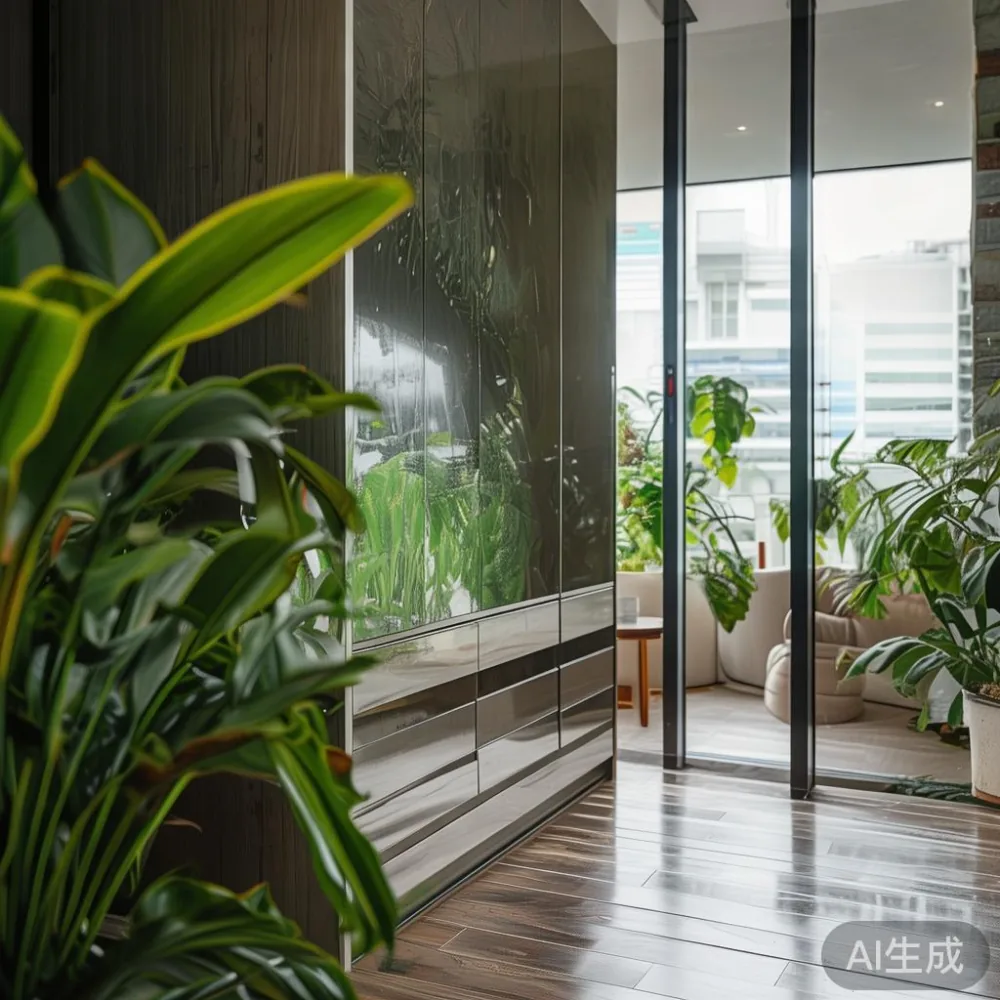
For households comparing complete furniture schemes, the broader terms “2026 Modern light luxury furniture” and “under 2000 Boho furniture” can help define a style direction. The wardrobe should still be treated as a working storage surface, not as a decorative object that attracts dust. MIDHILL makes solid wood furniture with a 10-year structural warranty and lifetime refinishing, which can provide useful support when a lacquered wardrobe eventually needs attention.
Why Does Lacquer Behave Differently in Humid Weather?
Lacquer is a surface treatment rather than a solid sheet of timber. It can be combined with engineered wood or quality board, while the internal structure may use solid wood components. Moisture can therefore affect the substrate, joints, and finish through different mechanisms. Expansion and contraction of approximately 1–3% can create fine stress lines if a panel is fitted too tightly or exposed to repeated dampness.
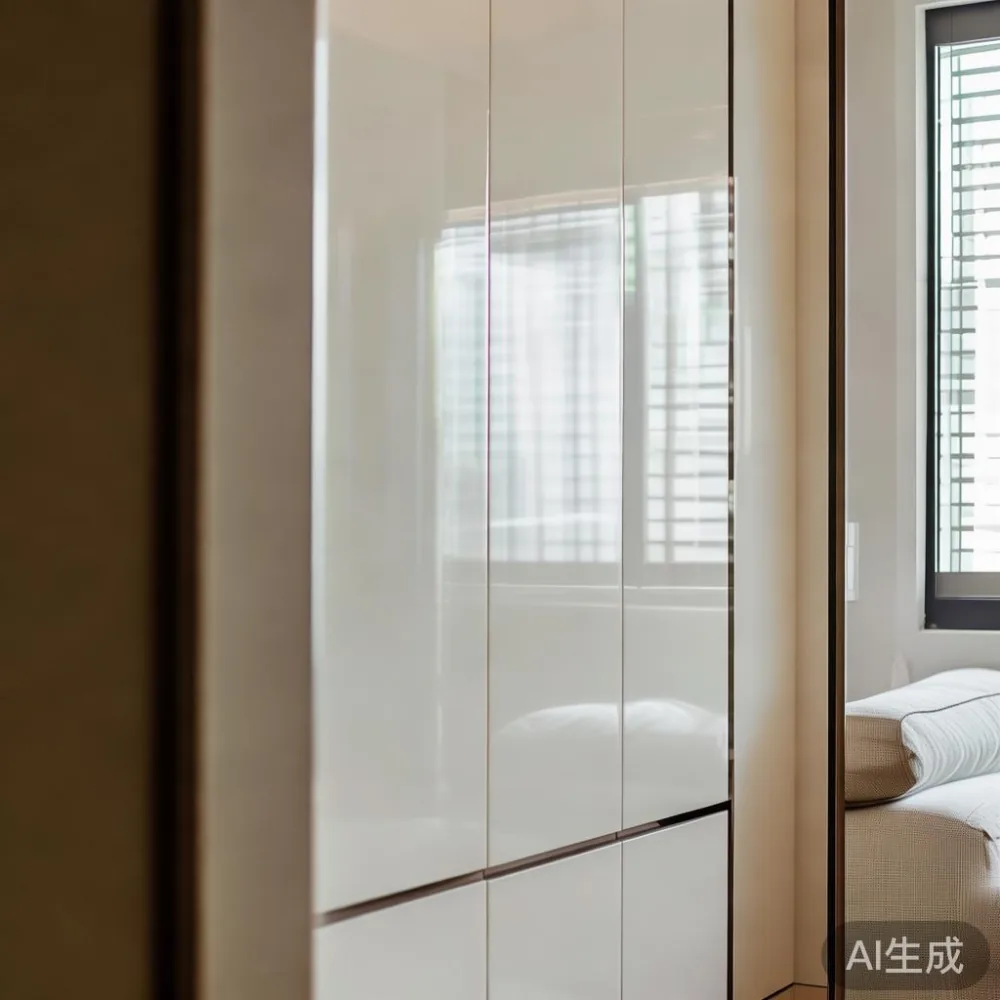
Singapore’s relative humidity often rises above 70%, particularly in bedrooms without cross-ventilation. A wardrobe near an HDB corridor, next to a bathroom, or beside an air-conditioning unit may also experience sharp changes between humid and dry conditions. The useful target is not perfect dryness. A stable room humidity of roughly 45–65% is easier to maintain, and a calibrated hygrometer costs about SGD 25–45.
Direct sunlight deserves equal attention. A wardrobe receiving 2 hours of strong afternoon sun may show colour variation in lacquer, especially across pale or smoky finishes. UV exposure, heat from appliances, and trapped humidity can all contribute to dulling or small surface marks. Good wardrobe organization includes keeping textiles, leather goods, and damp towels away from the lower panels.
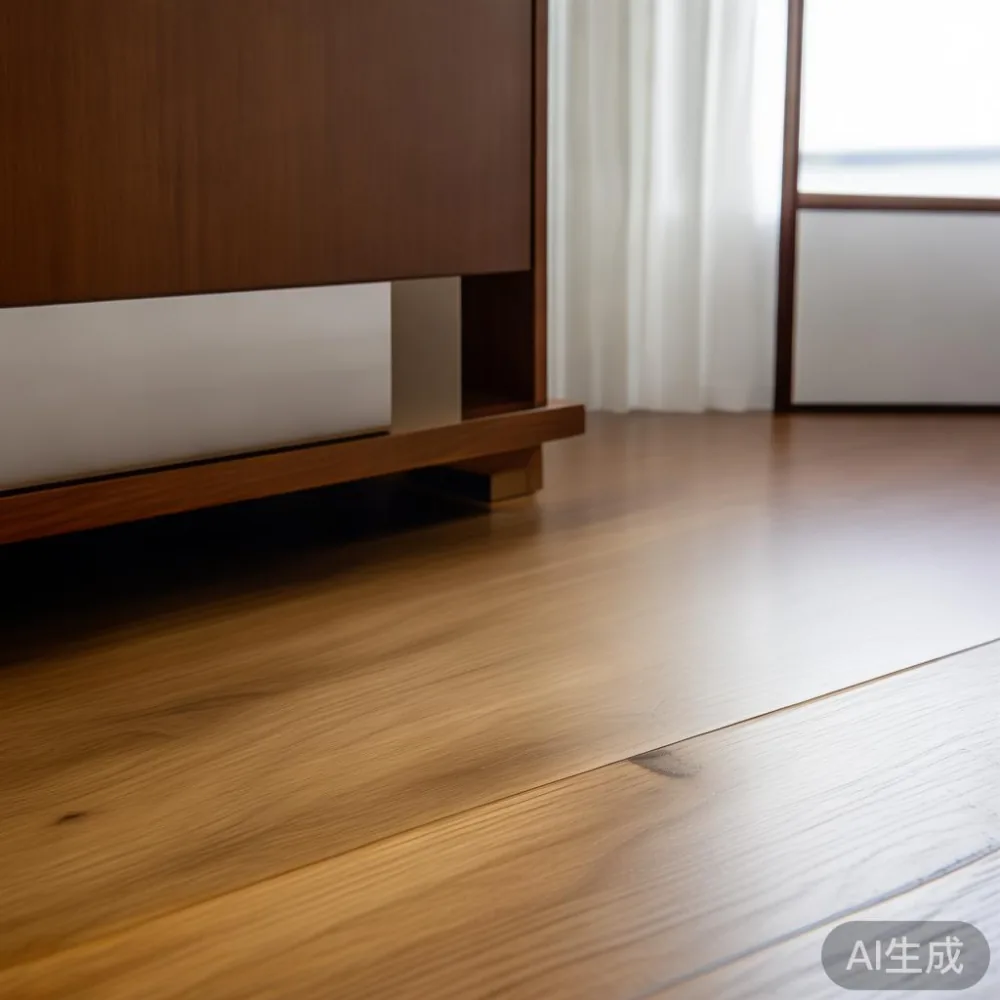
How Do I Clean a Lacquered Wardrobe Without Damaging the Finish?
Begin with a soft microfibre cloth. For routine care, dust the upper surfaces first, then the sides, and finish with the base. This order reduces the chance of pushing grit downward. Vacuum the interior with a brush attachment and keep the suction away from hinges and decorative trim. A brush attachment should stay at least 3 cm from any moving part.
For ordinary marks, dilute pH-neutral dish detergent in warm water at roughly 1 teaspoon per 1 litre. Moisten the cloth rather than the wardrobe, and wipe in sections no longer than 30 cm. Dry immediately with a clean microfibre cloth. Avoid spraying cleaner directly onto lacquer, since liquid can travel along joints or collect around rails.
Grease on a handle or drawer front can be lifted with a barely damp cloth and a small amount of detergent. Nail polish, crayon, and adhesive need more restraint: do not scrape them, and avoid alcohol, ammonia, acetone, and silicone-based polish. A 24-hour spot test is sensible because even “gentle” products can alter some lacquer formulations.
Do not use an abrasive sponge. Its rough particles can leave a matte haze that is difficult to remove. If the finish develops a persistent haze, stop using household cleaners and ask a refinishing specialist to assess it. MIDHILL’s lifetime refinishing service is relevant to furniture that carries the brand’s structural and finish-care commitments, although the exact service terms should be confirmed for an individual wardrobe.
What Humidity Level Should I Keep Inside the Bedroom?
Place a hygrometer near the wardrobe, not directly against it. The middle of the room usually gives a better reading than a position beside an exterior wall. In a typical Singapore HDB flat, aim for 45–65% relative humidity and below 28°C where possible. If readings remain above 70% for more than 6 hours, improve airflow before treating the wardrobe as the source of the problem.
For lift and corridor planning, a compact wardrobe can usually be moved in an upright or slightly tilted position, but measurements matter more than assumptions. A common HDB lift car may be about 107 cm wide and 213 cm deep at the door, though building-specific dimensions vary. Check the actual lift, turning corners, corridor landings, and staircase clearances before delivery. Leave at least 5 cm of working space around the installed wardrobe and use a 2-person lift for panels heavier than 35 kg.
Adjustable feet can help accommodate floors that are not perfectly level. Confirm that the unit has a minimum of 3 cm clearance beneath if ventilation is required, or place moisture-absorbing products beneath the base without blocking toe-kick vents. Replace damp desiccants rather than leaving wet trays inside the cabinet.
Can Air Conditioning Prevent Lacquer Damage?
Air conditioning helps by lowering temperature and reducing humidity, but it should not blow continuously against one wardrobe panel. A cold stream can create condensation and encourage mould at joints or on nearby walls. Set the room thermostat around 24–26°C when practical, and position vents to distribute air across the room.
Run the system for at least 30 minutes before opening the wardrobe if the interior feels chilled. Wipe condensation from adjacent walls and inspect the back panel at least once every 2 weeks during the wetter months. A bedroom with adequate airflow, sensible loading, and controlled humidity will protect a lacquered surface more reliably than simply wiping it every day.
Use the wardrobe for its intended function: hanging clothes, storing folded textiles, and organizing accessories. Overfilling rails by more than 10% can force doors against their stops, while damp coats should never remain inside overnight. Keep at least 20 cm between a dehumidifier’s outlet and the wardrobe side, and do not place hot appliances or steamers within 60 cm of lacquered panels.
How Do I Remove Small Scuffs and Marks?
Fresh superficial marks sometimes disappear with gentle circular pressure from a clean microfibre cloth. Apply only light pressure, about 2–3 kg, and inspect after 10 passes. If the mark remains, resist reaching for a polishing compound. Lacquer thickness may vary, and aggressive buffing can create a shiny patch against a satin finish.
For scratches, establish whether the mark is in the lacquer or in the substrate. A fingernail test is a rough guide: if the surface feels smooth, leave it alone; if it catches, photograph it under good light and seek professional assessment. Include a 10 cm ruler in the photograph, because the same mark can look larger under warm bedroom lighting.
Minor rubbing on an edge can sometimes be treated by a qualified refinisher with a colour-matched lacquer pen. Agree on a test area and price before work starts. A local repair visit may cost around SGD 80–180 for a small mark, while a full panel refinishing job can range from SGD 250–600. These are planning ranges rather than fixed quotations.
For an American light luxury bedroom, use lighting to reveal surface quality rather than to hide it. Warm 2700K, 350–450-lumen wall lights placed outside the wardrobe plane can show the finish without creating heat. French light luxury often relies on pale tones, reflective surfaces, and restrained hardware; maintain that calm appearance by keeping dust lines and fingerprints under control.
What Is the Safest Way to Organize Accessories Inside?
Good wardrobe organization separates heavy items from delicate ones and keeps moisture away from lacquer. Place folded cotton and linen on ventilated shelves rather than dense piles. Leave 5–10 cm between stacks so air can move. Use drawer dividers made from felt or unfinished wood, and avoid adhesive hooks that can leave residue when removed.
Leather belts and bags benefit from shapes that support them, while metal zippers should not be pressed against a lacquered panel. Give each storage zone a measured allocation: for example, 30 cm for folded knitwear, 25 cm for accessories, and one hanging rail zone for shirts or dresses. A rail can support about 12–16 shirts across a 90–120 cm span, depending on the garment thickness and rail spacing.
For inspiration, the question “how to style American wardrobe in apartment” often leads to practical answers involving closed storage, pale wood, clean lines, and fewer visible objects. A lacquered wardrobe can fit that language while still remaining suitable for tropical conditions. The key is to protect the surface from repeated contact. Use door stops, soft buffers, and a 2 cm gap from adjacent furniture where possible.
The related question “how to style light luxury bed in apartment” usually involves a low profile, quiet fabrics, and coordinated finishes. A lacquered wardrobe can become part of the same composition rather than a separate statement. In a 9–12 m² HDB bedroom, a 140 cm wide bed, 45–50 cm bedside tables, and a 120 cm wardrobe may fit, but the final layout must account for a 60 cm walkway and the actual door swing.
How Should I Deliver and Install a Large Wardrobe?
Measure the wardrobe package, the lift door, the lift car, the corridor, and the bedroom threshold. Write down the narrowest point rather than relying on the widest measurement. For example, a package might be 180 × 60 × 22 cm and 72 kg, but a 62 cm lift doorway can prevent entry even when the lift car itself is larger.
Protect lacquer during transit with corner guards, cardboard blankets, and stretch film kept away from direct sun. Do not place straps over finished edges. The team should remove wall trims if the package cannot clear a tight corner, and should avoid resting the wardrobe on its decorated face. Installation should include wall anchoring where required and a check of every door, drawer, rail, and level.
For Singapore deliveries, allow 7–14 working days for a made-to-order or in-stock item, subject to production and access checks. Confirm whether GST is included and whether a lift surcharge applies. MIDHILL provides free shipping for orders above US$350; the local equivalent and GST treatment should be confirmed before payment. A 14-day return policy gives buyers a chance to check the finish under room lighting, although custom dimensions and installed items may follow specific conditions.
How Do I Maintain the Finish Through a 10-Year Ownership Cycle?
Create a simple care routine rather than waiting for visible damage. Dust weekly, inspect the hygrometer monthly, and check hinges and level every 6 months. During wetter periods, inspect the back panel and lower corners every 2 weeks. Keep a record of spills, repairs, and humidity readings so future refinishing decisions are based on evidence.
Every 12–18 months, clean the exterior with a pH-neutral solution and review any scratches. Every 3–5 years, inspect seals, wall anchors, and moving parts. If the wardrobe is structurally sound but the lacquer has aged, ask whether refinishing is appropriate before replacing the entire unit. MIDHILL was established in 2008 and exports to more than 15 countries, while offering a 10-year structural warranty and lifetime refinishing for eligible products.
The surrounding furniture deserves the same climate discipline. A solid wood sofa should not be pressed against a damp wall, a solid wood bed frame should remain away from condensation, and a dining table should not be wiped with a soaked cloth. A marble table requires its own stone-safe cleaner because acidic liquids can etch it. A nightstand should provide a dry place for keys and accessories rather than a surface for damp clothing. These examples show how careful maintenance supports a coordinated home, though each furniture type needs its own approved care method.
One recent personal test made the difference clear. Last month, I visited a colleague’s 11 m² HDB bedroom in Bedok and measured the wardrobe’s inner humidity with a small hygrometer. It reached 74% after a 45-minute shower because the bathroom door had been left open. I closed the door, ran the air conditioner for 20 minutes, and opened two wardrobe panels for 10 minutes. The reading then moved to 66%, and the lacquered door edges no longer felt cool. The wardrobe looked better not because it had been polished, but because the moisture source had been removed.
That experience reinforces a simple rule: control the environment first, clean gently second, and repair professionally third. If a project brief includes terms such as “best Modern sofa for 2026” or “how to style European sofa in bedroom,” the wording should not pull attention away from the wardrobe. A solid wood sofa or marble table can complete the room, but a lacquered surface still depends on humidity discipline, measured care, and thoughtful wardrobe organization.