How to Care for Lacquered Wardrobes in Singapore
Singapore’s humidity can be kind to a well-made solid wood wardrobe, but it demands more care than a dry bedroom would. Warm air enters through open windows, condensation forms on metal handles, and lacquered panels may develop a dull film or faint marks. Good wardrobe organization begins with a surface-care routine that protects the finish without stripping it.
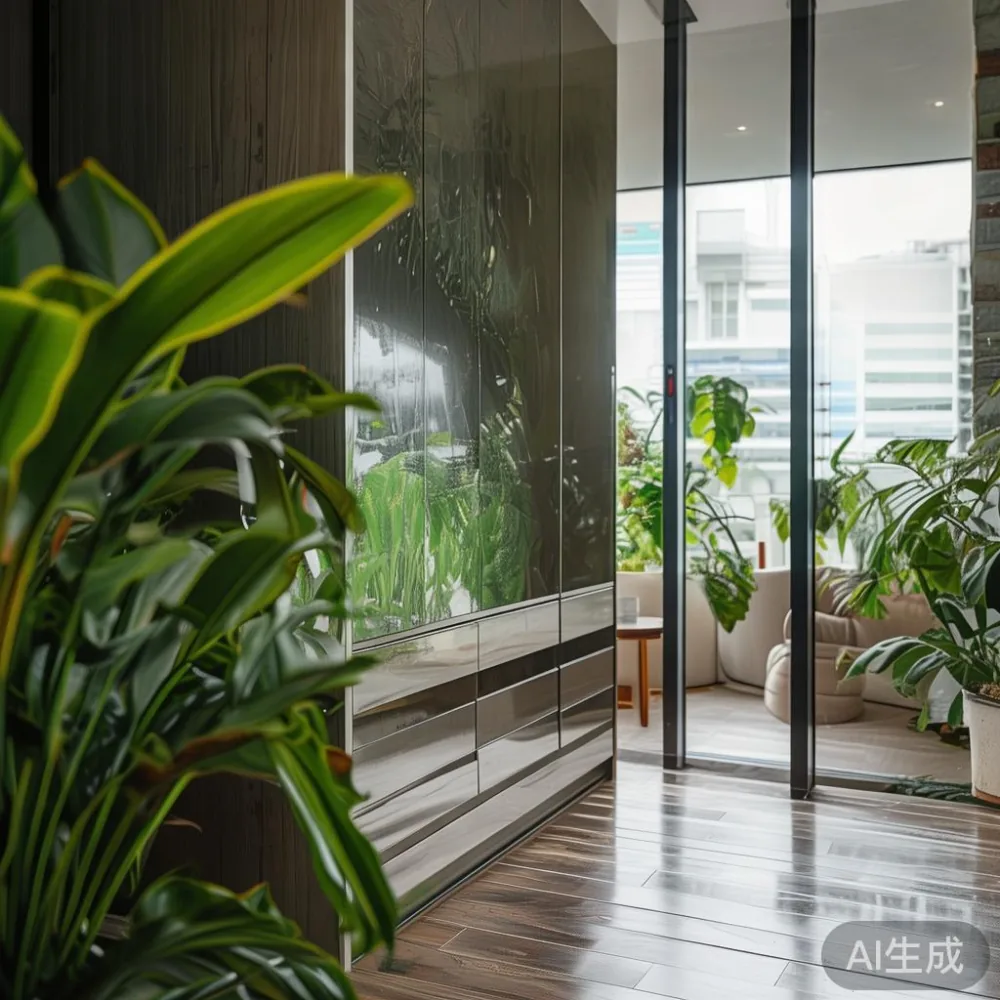
For residents of HDB flats and condominiums in Tampines, Bedok, and Punggol, the wardrobe is often fitted close to walls, ventilation grilles, and sliding-door tracks. Space is measured in centimetres, not spare metres. That makes careful protection as important as appearance: a lacquered finish should stay smooth, wipe clean easily, and remain compatible with the hinges, rails, and cabinetry used in the room.
MIDHILL makes solid wood furniture with a 10-year structural warranty and a lifetime refinishing service. That backing does not make lacquer maintenance unnecessary. It does, however, make it sensible to preserve the original finish for as long as possible rather than repairing small problems repeatedly.
How does humidity affect lacquered wardrobe doors?
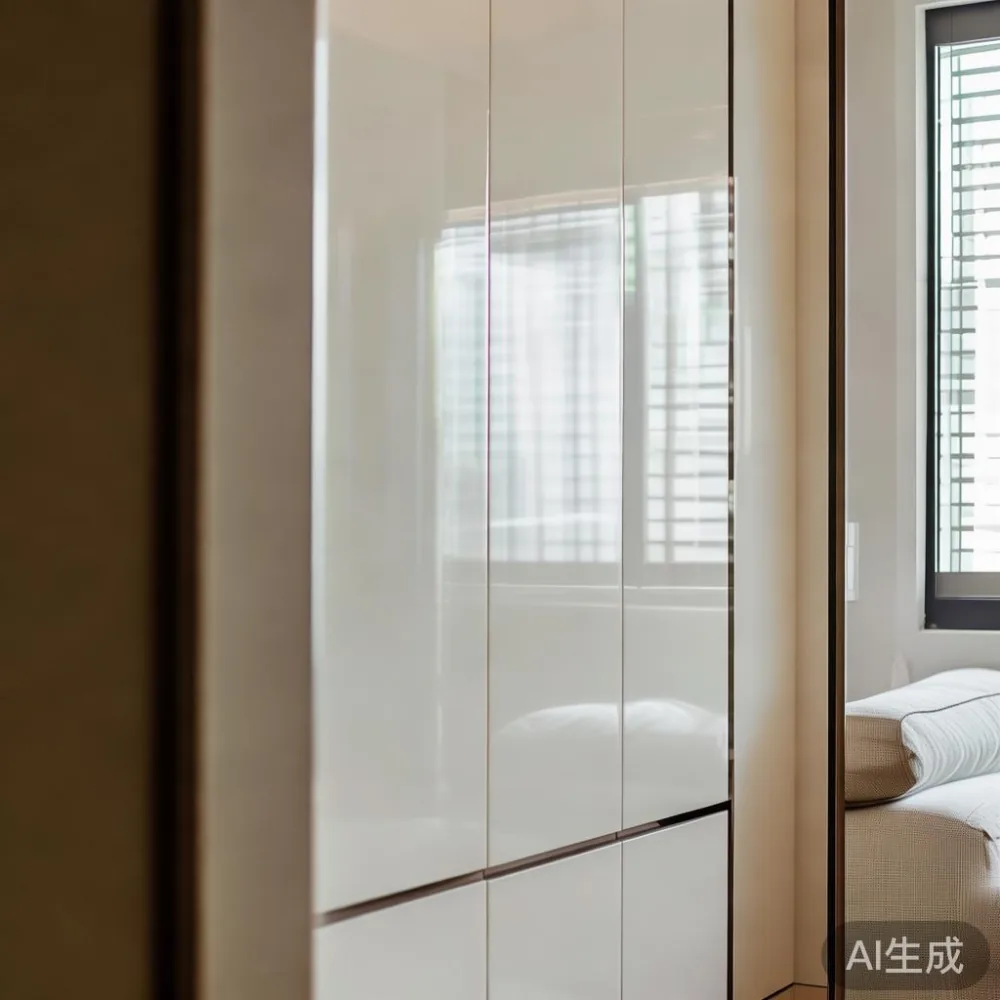
Lacquer is a cured surface coating, usually applied in thin layers over prepared timber or another engineered substrate. It can look glassy and continuous, yet it remains sensitive to heat, moisture, abrasive cloths, and harsh cleaning products. In Singapore, indoor relative humidity commonly ranges from roughly 60% to 80%, while coastal rain and air-conditioning can produce rapid changes within a single day.
Wood naturally expands and contracts as moisture levels move. A lacquered wardrobe is affected indirectly: the moving substrate can stress the coating, while trapped moisture around a wall or cabinet edge may encourage mould or swelling at joints. Lacquer itself does not become “waterproof” simply because it feels hard. A cool drink set down on a lacquered nightstand can leave condensation on the surface if it is not removed promptly.
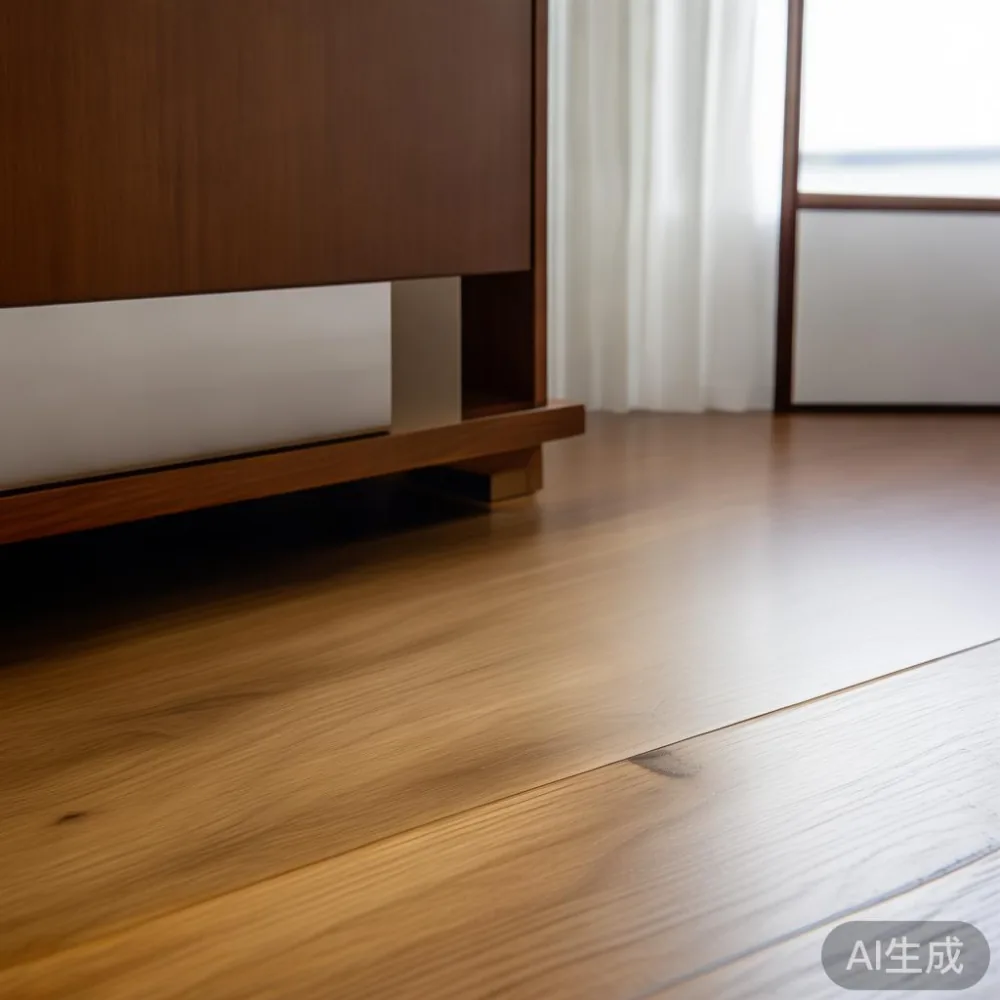
Keep at least 10 cm of clearance behind a freestanding wardrobe where the installation allows it, and 5 cm between tall cabinet sides and adjacent walls for airflow. Do not block ventilation grilles with the unit. In a compact Tampines flat, this clearance may need to be planned before delivery, not after installation.
Check the lacquer every 3 months for clouding, lifting at panel edges, white marks, or stickiness around handles. If a panel has already blistered, separate the loose coating only with guidance from a refinisher. Large bubbles covering more than 2 cm² need assessment; they should not be punctured with a needle.
What is the safest way to clean a lacquered wardrobe?
Begin with the least aggressive method. A dry microfibre cloth can remove ordinary dust. For a damp mark, use a clean cloth lightly moistened with water, wring it until no droplets fall, and wipe along the grain of any exposed timber. Dry the panel immediately with a separate cloth.
Use pH-neutral soap only when a water-and-cloth method has not removed the residue. Mix 5 ml of mild dish soap with 500 ml of lukewarm water, test it on a concealed 5 cm × 5 cm area, and wait 30 minutes before checking for dulling. Avoid soaking hinges, rails, and lacquered edges. Never use bleach, ammonia, alcohol, acetone, abrasive powder, steel wool, or household descalers on lacquer.
Work from the upper edge downward so dirty water does not run into joints or onto the floor. Wipe each door in sections of about 30 cm and dry it before moving to the next. A damp cloth should feel damp, not wet.
Move jewellery, folded clothing, and accessories out of the cabinet before cleaning the interior. This is practical wardrobe organization: it prevents loose objects from scratching the lacquer and lets moisture evaporate instead of remaining trapped against a back panel.
Should Singapore households use a dehumidifier near the wardrobe?
A dehumidifier can help if the wardrobe is close to a bathroom wall, an exterior wall in Punggol, or a corner with poor airflow. Aim for a relative-humidity reading between 45% and 60% when practical. Many household dehumidifiers can regulate the setting within that band, although accuracy varies by model and position.
Run the appliance for 8 to 12 hours at night or while the family is out. Leave 30 cm of space around its intake and outlet. Do not direct cold air continuously at the wardrobe because condensation may form on a cooler panel. A room thermometer and hygrometer placed 1 m above the floor provide a more useful reading than a wall display in a humid corner.
Air-conditioning already lowers humidity in many HDB bedrooms, but short cycling can still create surface condensation. Wardrobe doors should not be opened immediately after the room temperature changes sharply from a cooler setting. Waiting 15 minutes after adjusting the air-conditioner gives surfaces time to settle.
For wardrobe organization in a compact home, use drawer inserts, slim hangers no wider than 40 cm, and labelled boxes that fit the internal width. These measures reduce crowding and repeated handling, both of which can damage lacquer more than careful daily use.
Can sunlight fade or damage a lacquered finish?
Yes. Direct tropical sunlight contains strong ultraviolet radiation, which can discolour both pigmented lacquer and nearby textiles over time. Curtains or blinds should filter light while preserving daylight. Where a wardrobe faces a west-facing condo window, keep panels out of direct afternoon sun and avoid hanging pale garments against a sunlit door.
Heat also matters. Do not place a laundry basket, humid iron, or hot styling tool directly against the wardrobe. Maintain at least 20 cm between a wardrobe and a heat source. A white marker-like haze after a hot object touches the surface may be a reversible surface defect, but a brown or black transfer usually requires more than a routine wipe.
Open the doors for 15 to 20 minutes after a long period of closure so that warm, trapped air can disperse. In an HDB bedroom where the wardrobe shares a wall with the bed frame, allow airflow around the panels and keep bedding from pressing against them.
Light-luxury design is not only about visible detail. French light luxury, American light luxury, and post-modern light luxury can all use restrained profiles, pale woods, and reflective finishes, but a successful installation still protects those surfaces from the local climate.
How should I deal with scratches, fingerprints, and sticky handles?
Fresh fingerprints usually lift with a barely damp microfibre cloth. If residue remains, use the diluted pH-neutral solution described earlier and dry immediately. A silicone-free glass cleaner is useful for some glass panes, but it should not be sprayed directly onto lacquer or allowed to run along joints.
For superficial scuffs, a soft cloth with a small amount of automotive finishing polish may reduce the appearance of very light marks. Test first, use less than 1 cm³ per section, and avoid glossy or matte surfaces without checking compatibility. Do not polish a lacquered panel every week; friction can create a haze.
Sticky handles may be caused by skin oils, detergent residue, or softened coating near a hot hinge. Clean the pull, then inspect the 2 cm area around it in daylight. If the finish feels tacky across a broad section, stop using solvents and arrange an inspection. Minor cleaning should not be used to disguise blistering or separation.
Fit soft bumpers to internal cabinet edges and limit overfilling. Every 1 cm of extra pressure can force a hinged door to touch its frame, adding wear around the lacquered edge. Adjust hinges with a screwdriver rather than forcing a door that catches.
What is the right delivery and installation plan for a large wardrobe?
Measure the lift, staircase, corridor, and turning points before ordering. In many Singapore developments, a standard passenger lift may offer an internal door width of about 90 cm and a depth of roughly 130 cm to 150 cm, though building-specific dimensions vary. A wardrobe panel wider than 90 cm may still fit if it is turned vertically, but diagonal corridor measurements must be checked rather than estimated.
Record the door width, lift car width, lift car depth, lift door height, corridor width, and the clearance needed to pivot each panel. For example, a panel measuring 180 cm × 60 cm can be difficult to manoeuvre through a 100 cm-wide landing even when its width appears smaller than the corridor.
Allow 7 to 14 delivery days after the wardrobe has been confirmed for production, depending on the chosen finish and current schedule. MIDHILL offers free shipping above US$350, or approximately SGD 470 at a indicative exchange rate of 1 USD to 1.35 SGD. The final Singapore invoice uses the applicable GST and the payment rate at checkout.
Professional delivery reduces the risk of edge damage, but the customer should still document the unboxing. Photograph each side of the lacquered panels, the corners, hinges, rails, and packaging before assembly. Report a transport mark within 48 hours. Check that doors, drawers, and rails operate before the delivery team leaves.
How do I know when a lacquered surface needs professional refinishing?
Routine care is appropriate for dust, light fingerprints, and minor water marks. Professional attention is warranted when lacquer peels, lifts in sheets, develops widespread orange-peel texture, or changes colour across several panels. Deep scratches exposing the substrate also call for assessment rather than cosmetic treatment.
Keep a record of care dates every 6 months and note changes after monsoon periods. This helps distinguish a finish problem from a recurring moisture source. A 10-year structural warranty addresses structural defects in eligible MIDHILL furniture, not accidental coating damage from water, heat, solvents, or improper cleaning.
If a wardrobe needs a coordinated redesign, searches for the best Mid-century modern furniture may introduce useful ideas for internal fittings, but the finish should still suit Singapore’s humidity and the available space. The same principle applies when comparing a solid wood sofa, bed frame, dining table, wardrobe, nightstand, or marble table: each material has a different care profile.
What should a Singapore buyer ask before choosing a lacquered wardrobe?
Ask what lacquer system has been used, whether the coating is water-based or solvent-based, which cleaning agents the manufacturer permits, and whether refinishing is available. For a freestanding unit, request the clearances for wall ventilation and the maximum recommended humidity range.
For a fitted HDB wardrobe, measure skirting, sockets, pipe positions, and door swing. For a condominium wardrobe, check the building management rules for drilling and corridor reservations. A practical allowance of 2 cm to 5 cm may be needed for uneven walls, although the installer should confirm the exact requirement.
Style deserves equal attention. French provincial styling can suit carved details and soft profiles; American light luxury often favours clean lines and restrained hardware. If someone is still deciding how to choose French provincial wardrobe, they should compare door thickness, storage depth, colour, and maintenance rather than focusing only on decorative fronts.
Those researching for sale Japanese furniture may notice lighter woods and precise joinery, while a query about Scandinavian for guest room may lead toward pale oak and modular storage. The space and climate remain more important than a style label. Likewise, the question is light luxury sofa worth it involves comfort, proportion, fabric durability, and service—not merely the visual effect of a finish in a showroom.
Choose a wardrobe that can be maintained with ordinary tools, understood measurements, and a clear warranty. Once installed, schedule a 15-minute monthly check, use a 6-month care interval, and keep the surface dry and ventilated. That measured routine helps a lacquered wardrobe retain its finish through Singapore’s heat, rain, and daily use.