How Southeast Asian Humidity Affects Your Solid Wood Furniture
Last March I visited a family in a 4-room HDB flat in Punggol, where the mother pulled out a wardrobe door that had swollen so badly it dragged across the floor with a scratchy sound. The wood was original, six years old, and visibly cupped at the panel edges. The reading on her little digital hygrometer sat at 78 percent. Outside, the morning air carried the kind of weight you can feel on your cheeks. That single scene is why I take solid wood furniture humidity questions very seriously, and why any honest guide to wardrobe organisation in Singapore must start with the climate itself, not the catalogue.
MIDHILL has been building solid wood furniture out of Foshan since 2008, sending wardrobes, bed frames, dining tables and nightstands into homes across more than fifteen countries. Tropical climates like ours are precisely the conditions their joiners test against in the workshop. The material behaves predictably — wood moves, finishes fail, hinges drag — once you understand the numbers. The rest of this article walks through the science, the SGD price ranges, and the practical wardrobes adjustments you can make in a Tampines, Bedok or Punggol flat where the corridor is sometimes only 1.2 metres wide and the lift depth is 1.4 metres, so access alone changes the spec list.
Why does Southeast Asian humidity warp solid wood furniture?
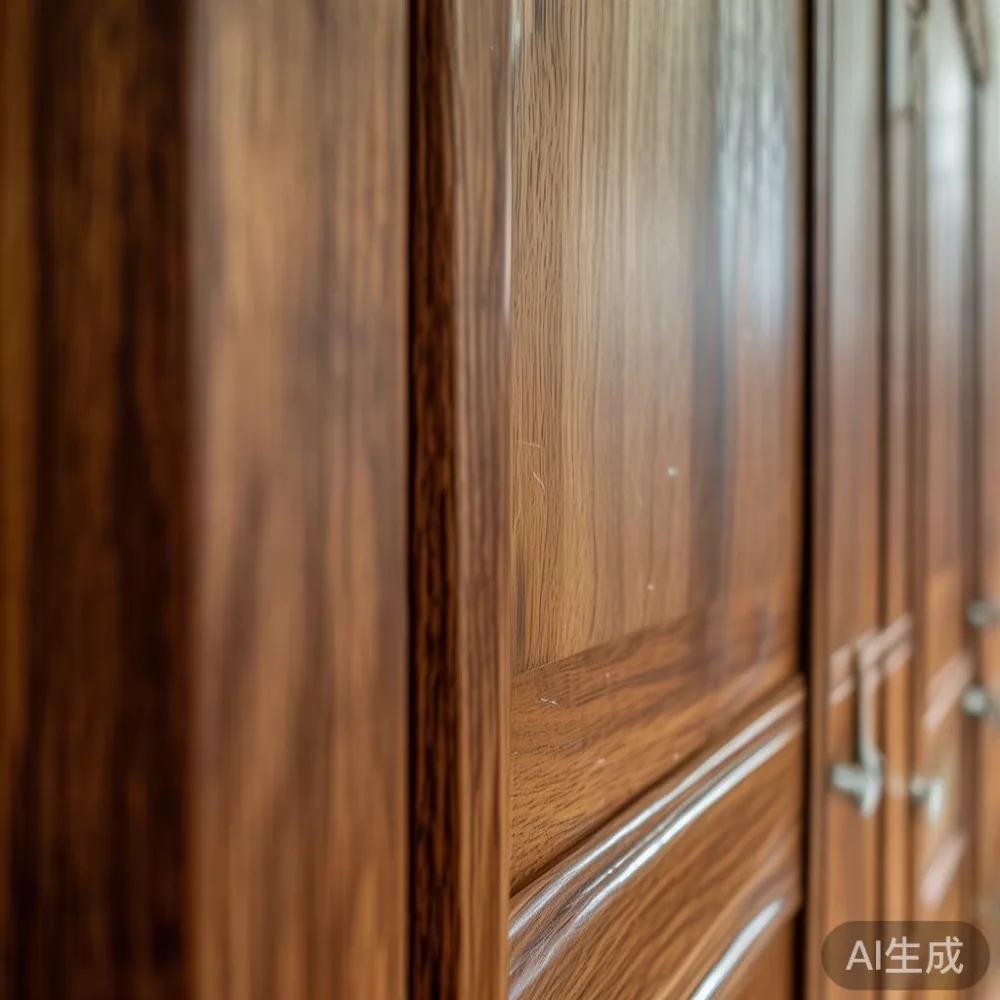
Solid wood is hygroscopic: it absorbs and releases water vapour until it reaches equilibrium with the surrounding air. In Singapore, average relative humidity sits between 70 and 82 percent across the year, peaking during the December to early March monsoon and again in the June to September rainy stretch. Engineered boards such as MDF and plywood cross the 55 percent moisture-content threshold fast, which is why flat-pack pieces swell at the edges and peel at the laminates. Solid hardwoods — oak, ash, walnut, beech — react more slowly, but they still move roughly 1.5 to 2.5 percent across the grain for every 10 percent change in ambient humidity.
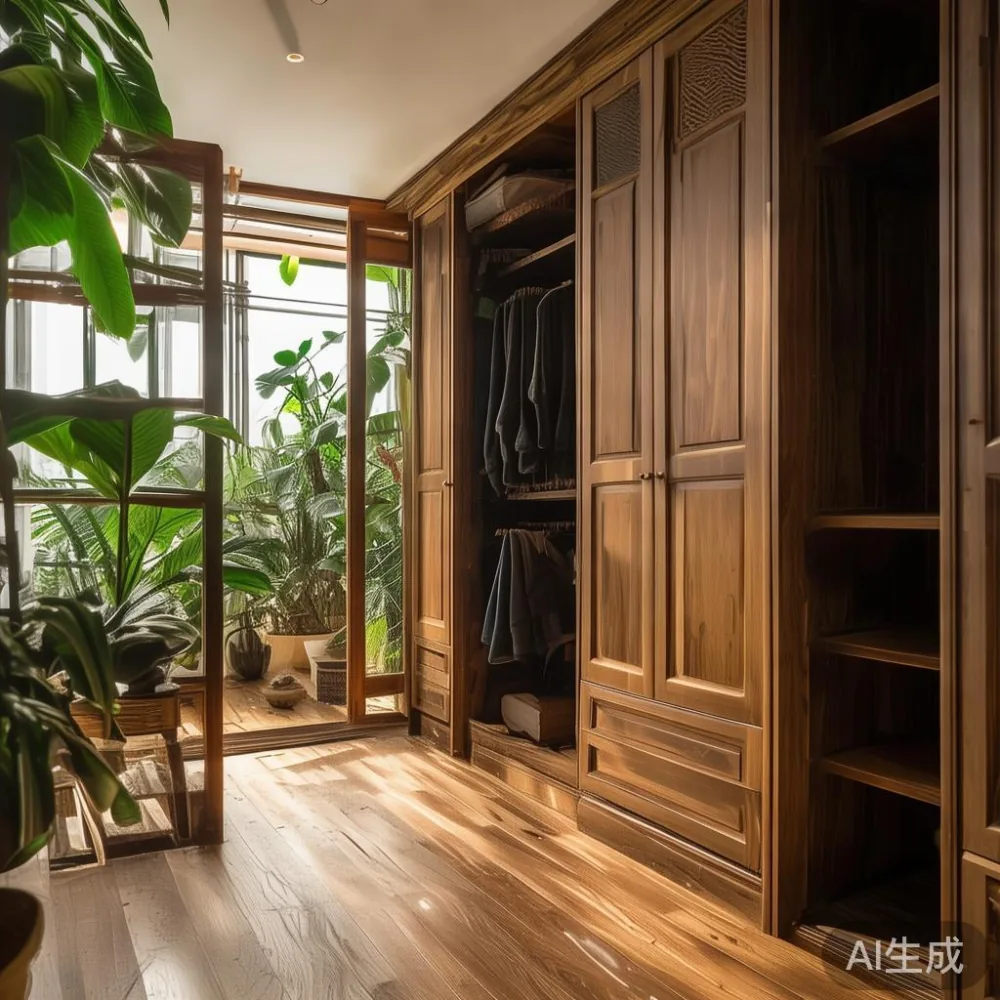
Put a 180 cm tall wardrobe door into a room where RH swings from 65 to 85 percent, and you will see between 2 and 4 mm of seasonal movement. That is enough to crack a polyurethane seal, to drag a hinge leaf, or to leave a 3 to 6 mm gap at the top that never quite closes in August. MIDHILL builds wardrobes with quarter-sawn frames and floating panel construction specifically so the panels can ride out that movement without splitting. Before you spec anything, place a SGD 15 hygrometer in the bedroom, leave it for a week, and write down the morning and evening readings.
What HDB flats and condos in Tampines, Bedok and Punggol actually require
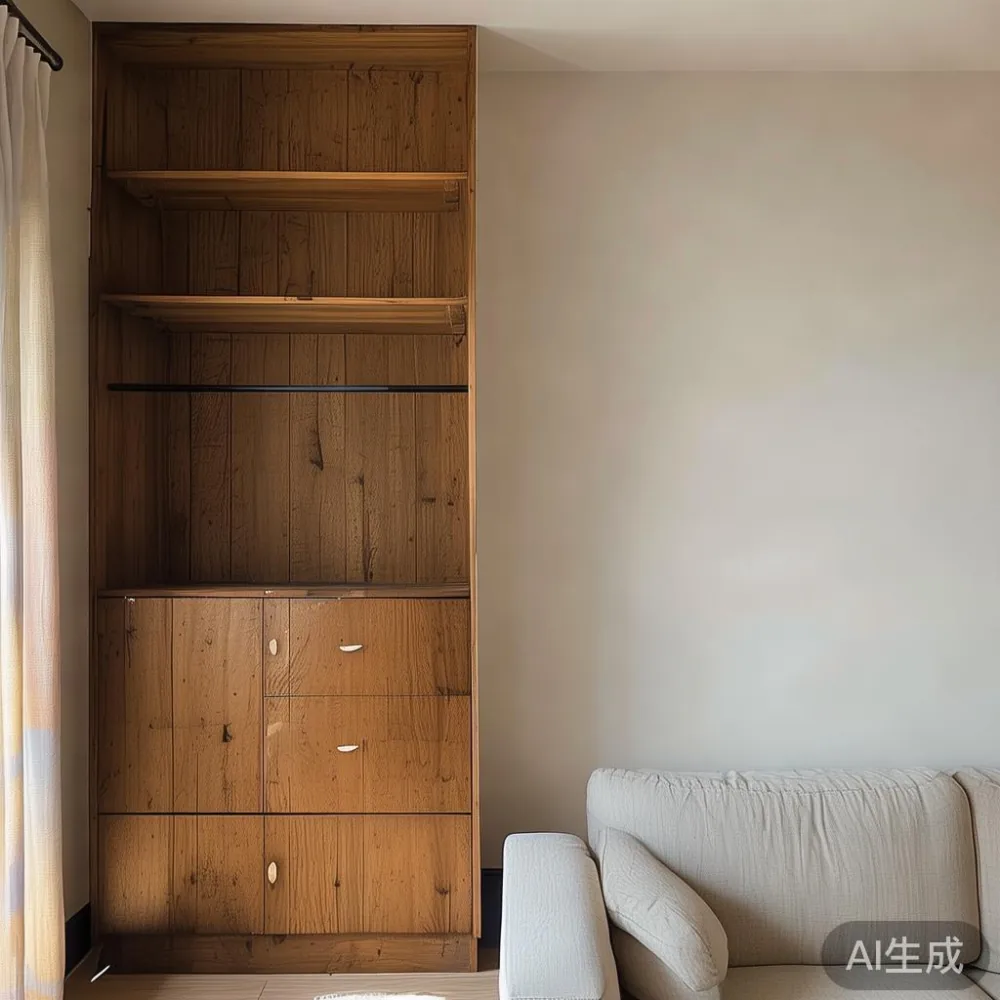
Most HDB lift landings in the newer BTOs measure 1.45 m wide by 1.7 m deep, and the corridor before the door sits between 1.2 m and 1.5 m. A fully assembled 3-door wardrobe of 240 cm height, 200 cm width and 65 cm depth will physically struggle to clear a 90-degree staircase turn. Buyers often find this out on delivery day, which is why flat-pack or modular construction at widths of 100 cm, 120 cm or 180 cm has become standard. A practical wardrobe organisation layout in a 4-room flat usually starts with a 240 cm unit split into three vertical bays — a long-hang section at 150 cm for shirts and dresses, a shelving bank at 35 cm depth, and a drawer stack 90 cm high with three equally-sized drawers of 16 cm internal depth.
For a 5-room flat in Punggol or a newer Tampines condo where the master bedroom runs 16 to 18 sqm, you can comfortably take a 270 cm or even 300 cm unit and pair it with a 200 cm bed frame in solid oak, leaving a 60 cm clear walkaround on each side. Budget roughly SGD 2,100 to SGD 3,800 for a wardrobe system this size with soft-close hinges and velvet-lined drawers, plus SGD 90 to SGD 160 for in-home assembly that usually takes a two-man crew about 3.5 hours. The price excludes the 9 percent GST applied at checkout for Singapore deliveries.
How does moisture content shape the right wood choice for the region?
Kiln-dried white oak arrives from the workshop at 8 to 10 percent moisture content. Once that timber sits in a Tampines condo for two to three months, it equalises towards 14 to 16 percent — roughly the equilibrium moisture content (EMC) for Singapore. American light luxury and post-modern light luxury designs tend to lean on oak, ash and walnut because those species take a smooth painted or oiled finish and the grain pattern hides the small seasonal movement of the fibre. French light luxury lines often use beech or ash with hand-rubbed patinas; the patina disguises colour shift between dry and wet months better than a glossy lacquer.
If you already own a marble table or a marble-topped nightstand, the stone behaves differently — marble expands only 0.05 percent across a 50 percent RH swing, so the sliding risk is on the timber substrate beneath it. Ask any maker whether they allow a 2 mm expansion gap around marble inserts. A bedroom set that includes a 180 cm bed frame, two 55 cm nightstands and a 240 cm wardrobe from a light luxury line usually lands between SGD 4,800 and SGD 7,200 before GST, and the 10-year structural warranty is well worth the spend given how aggressively a tropical night closes in on raw fibre.
Which maintenance habits prevent swollen drawers and sticky doors?
My colleague ran a six-month trial in her Bedok HDB with two identical wardrobes: one air-conditioned to 24 degrees and 55 percent RH, the other relying on a SGD 12 silica-gel tub changed monthly. The air-conditioned side showed zero measurable cup after 180 days. The silica-gel side, despite keeping RH under 70 percent, still registered 1.5 mm of seasonal panel movement. The gap was small but real, and it closed again by January. The lesson: silica gel helps, but it does not replace active climate control.
Practical routine: keep the bedroom between 23 and 26 degrees with a dehumidifier set to 60 percent RH during wet months; wipe down wardrobe interiors every fortnight with a barely damp microfibre cloth; oil brass or steel hinges every nine months using a single drop of machine oil; rotate shelf contents so the same weight does not sit on the same plank for years. A full wardrobes sanitising and oil-refresh service from a specialist costs around SGD 180 per 240 cm unit and is usually done on-site in 90 minutes. If a door begins to catch, a 2 mm hinge adjustment with a manual screwdriver takes five minutes and costs nothing.
Is a light luxury sofa vs Italian light luxury sofa any different inside an HDB living room?
A common question I field at the showroom is whether a light luxury sofa vs Italian light luxury sofa distinction is just marketing — and the honest answer is yes and no. Both are usually upholstered in top-grain Italian leather over a kiln-dried beech or birch frame, with high-resilience foam wrapped in 350 gsm polyester fibre. The frame construction, however, is where the tropical climate punishes shortcuts. Italian light luxury lines tend to use mortise-and-tenon joinery with corner blocks glued and dowelled; lower-tier pieces staple the webbing onto softwood and rely on the foam to keep their shape. After two humid years in a Punggol corner sofa, the staple-on-frame method tends to sag by 15 to 20 mm, while the mortise-and-tenon frame holds its geometry.
MIDHILL carries both American light luxury and post-modern light luxury sofa silhouettes from 200 cm to 320 cm width, sized specifically so they clear a 1.2 m HDB corridor and a 1.45 m lift. A 3-seater sofa in corrected-grain leather sits between SGD 2,400 and SGD 3,800 depending on the cushion fill, while a 3-seater in full aniline leather costs SGD 4,200 to SGD 6,500. Living room organisation tip: leave a 90 cm walkway behind any sofa, and skip the European light luxury coffee table in the extra-long 140 cm format unless your living room runs at least 3.4 m long. A 110 cm coffee table at 45 cm height pairs more honestly with a 280 cm sofa in a 4-room flat.
What should you check before signing off on a wardrobe delivery in Singapore?
Three documents matter: the moisture-content certificate (should read 8 to 12 percent at dispatch), the assembly diagram with metric-only fittings, and the warranty card specifying what counts as structural versus cosmetic. Reputable makers kiln-dry their stock to roughly 10 percent, then acclimatise it in the workshop for a further 21 days at 75 percent RH before packing. The shipment from Foshan to Singapore by sea runs 7 to 10 days, by air roughly 3 days, and the import GST plus 9 percent local GST is paid at customs before delivery. Free shipping above US$350 is appealing for small orders, but a 240 cm wardrobe in solid oak at SGD 2,800 far exceeds that threshold, so delivery is included.
Returns are accepted within 14 days on unused, unassembled stock, and a 10-year structural warranty covers frame cracks, joint failure and excessive warping above 4 mm across a 240 cm panel. For shoppers weighing the best Italian light luxury wardrobe for 2026 against a more practical American or French light luxury line, the deciding factor is rarely the brochure and almost always the kilning certificate and the joinery detail. A solid oak frame in a HDB bedroom should not move more than 1.5 mm across the year; anything over that signals sloppy drying.
How do you plan wardrobe organisation around Singapore's rainy seasons?
Wardrobe organisation is mostly a question of airflow, weight distribution and moisture zoning. Inside a 240 cm wardrobe in a HDB, allow a 3 cm gap behind the unit so air can move between the back panel and the wall. Place the heaviest folded garments — denim, towels, knitwear — on the bottom shelves at waist height, where any sagging will be invisible. Top shelves at 190 cm or higher should hold light items such as linen and seasonal scarves. Cedar blocks weighing roughly 40 grams and costing SGD 6 each absorb moisture and slowly release a mild scent that discourages silverfish, which thrive above 70 percent RH.
Drawer interiors benefit from cedar liners at SGD 18 per linear metre, or from food-grade silica canisters changed every 60 days. Velvet-lined jewellery trays keep silver from tarnishing in humid air. Modern for small living room principles extend naturally into bedroom storage: think vertically, keep the floor clear, and avoid glass-fronted doors in north-facing rooms where afternoon condensation beads up under monsoon gusts. A wardrobe that looks dramatic under showroom spotlights can look watery and tired by August if these basics are skipped.
Where can you find inspiration that fits Singapore flats without overspending?
Magazines and stylists often recommend European light luxury coffee table sets and tufted headboards that simply do not survive 14 months of Punggol weather. Look instead at the top 10 vintage furniture pieces that dealers in Tiong Bahru and Dempsey rotate through each quarter — a 1960s teak sideboard, a pair of rosewood dining chairs, an antique Burmese daybed — and you will notice the survivors all share the same traits: thicker section timber, traditional joinery, and oil-rubbed rather than lacquered finishes. Those three traits translate directly into any light luxury line built properly.
Modern for small living room designers also tend to underrate the wardrobe, treating it as a wall rather than a room element. A 240 cm oak wardrobe at SGD 2,400 in a 4-room flat in Bedok is the single biggest furniture investment in the bedroom, and a poorly specified one will shorten the room's service life by a decade. Spend the money on joinery and kilning, save on trend-led hardware that will date by 2027. Mid-range light luxury pieces — neither ostentatious nor disposable — settle into a Singapore HDB better than either extreme, and they resell cleanly when the next BTO move comes around. Once the fundamentals are right, the seasonal humidity becomes a manageable rhythm rather than an enemy, and the wardrobe quietly does its job year after year.