How Southeast Asian Humidity Affects Solid Wood Furniture and Wardrobe Organization
Singapore’s equatorial climate can make a wardrobe feel less like a storage solution and more like a test of material science. Outdoor relative humidity often ranges from 65% to 85%, while an air-conditioned HDB flat may remain near 45% to 60%. Those fluctuations are especially relevant to solid wood, engineered panels, hinges and the contents stored inside a wardrobe. For residents of Tampines, Bedok and Punggol condos, good wardrobe organization is about more than folded clothes: it is about stable moisture control, practical access and furniture that suits the dimensions of the home.
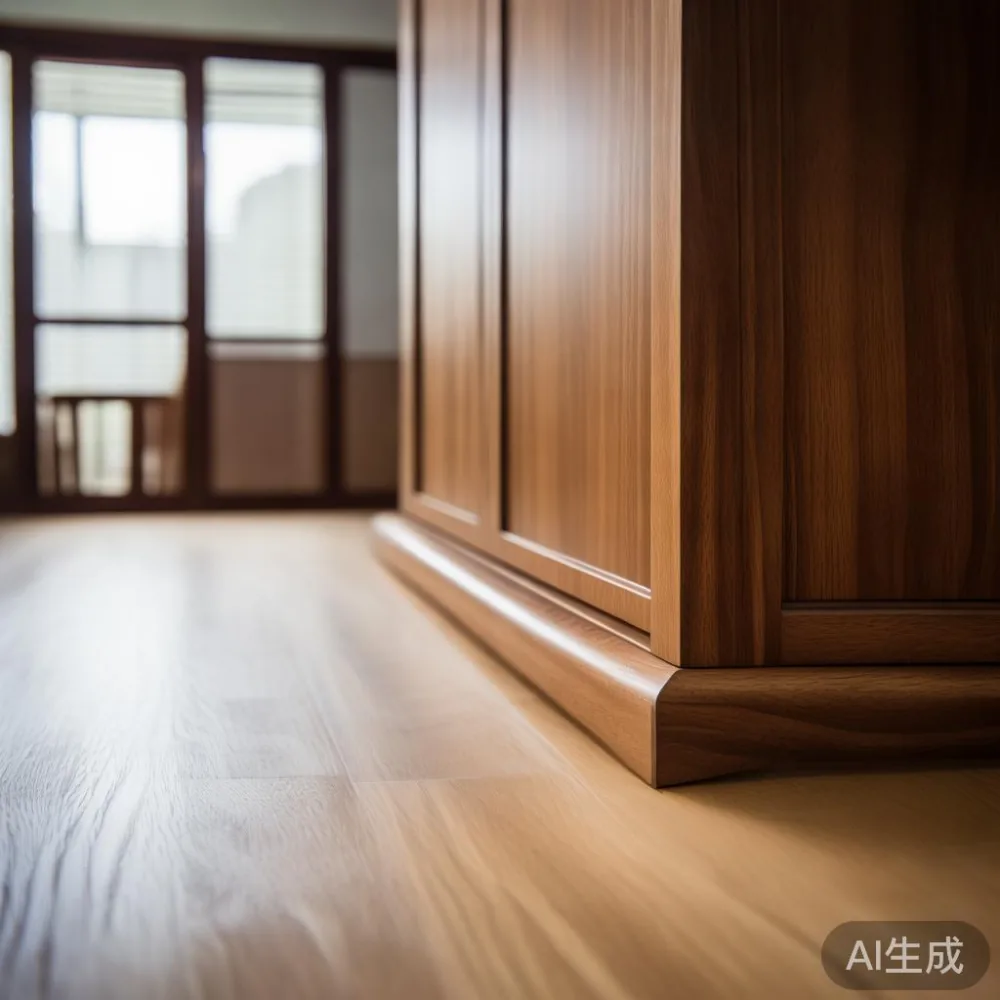
Southeast Asia also brings particular spatial constraints into focus. An HDB bedroom might provide only 90 cm to 150 cm of usable wall length, while a lift lobby or apartment corridor may be around 90 cm to 120 cm wide. A solid wood wardrobe therefore needs careful measurement before delivery, particularly if boxes must turn through a right-angled corridor. Humidity-aware product design and disciplined wardrobe organization work together in a climate where wood can absorb moisture, release it and slowly change dimension.
MIDHILL has manufactured solid wood furniture since 2008 and exports to more than 15 countries. Its production approach includes a 10-year structural warranty and lifetime refinishing, while Singapore orders over US$350 qualify for free shipping. These details matter locally, but they do not remove the need to control humidity or verify access routes. The following guide explains how moisture affects furniture, what Singaporeans can do about it, and how to plan a wardrobe installation around actual rooms, corridors and lifts.
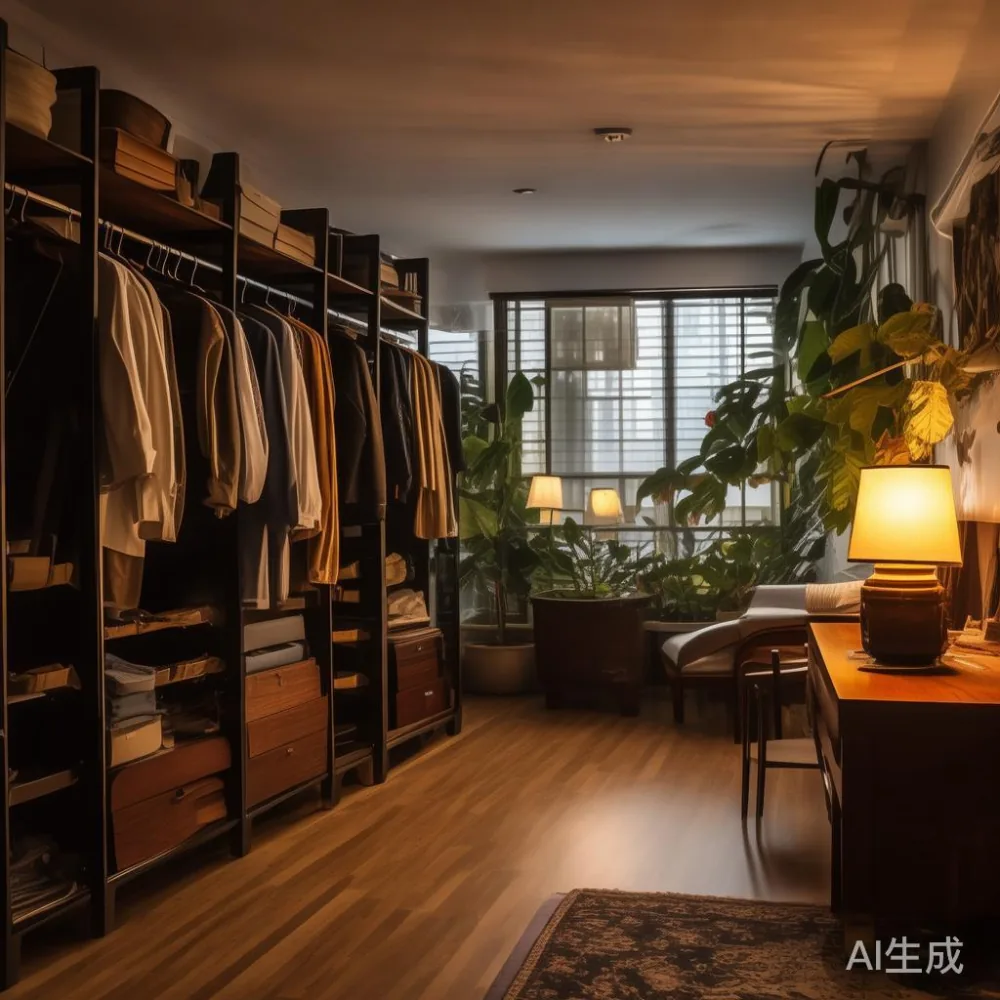
Why Singapore’s Humidity Changes Solid Wood
Wood is hygroscopic: it takes on moisture when the surrounding air is humid and loses moisture when the air becomes dry. In Singapore, that process may continue throughout the year. A solid wood bed frame near an open window can gain and lose moisture faster than a wardrobe against an interior wall. Even a change of 5% in relative humidity can create visible movement in some finished components, while repeated cycles may loosen joints, cause drawers to bind or encourage mould around damp clothing.
The issue is not simply that the air contains water. It is the rate of change. An HDB flat that is air-conditioned continuously may have a much lower humidity level than the corridor outside. When the bedroom door remains open, moisture-rich air enters; when it closes, the dehumidifier or air conditioner begins removing moisture again. This cycle can place uneven stress on a large wardrobe made from wood and solid wood panels.
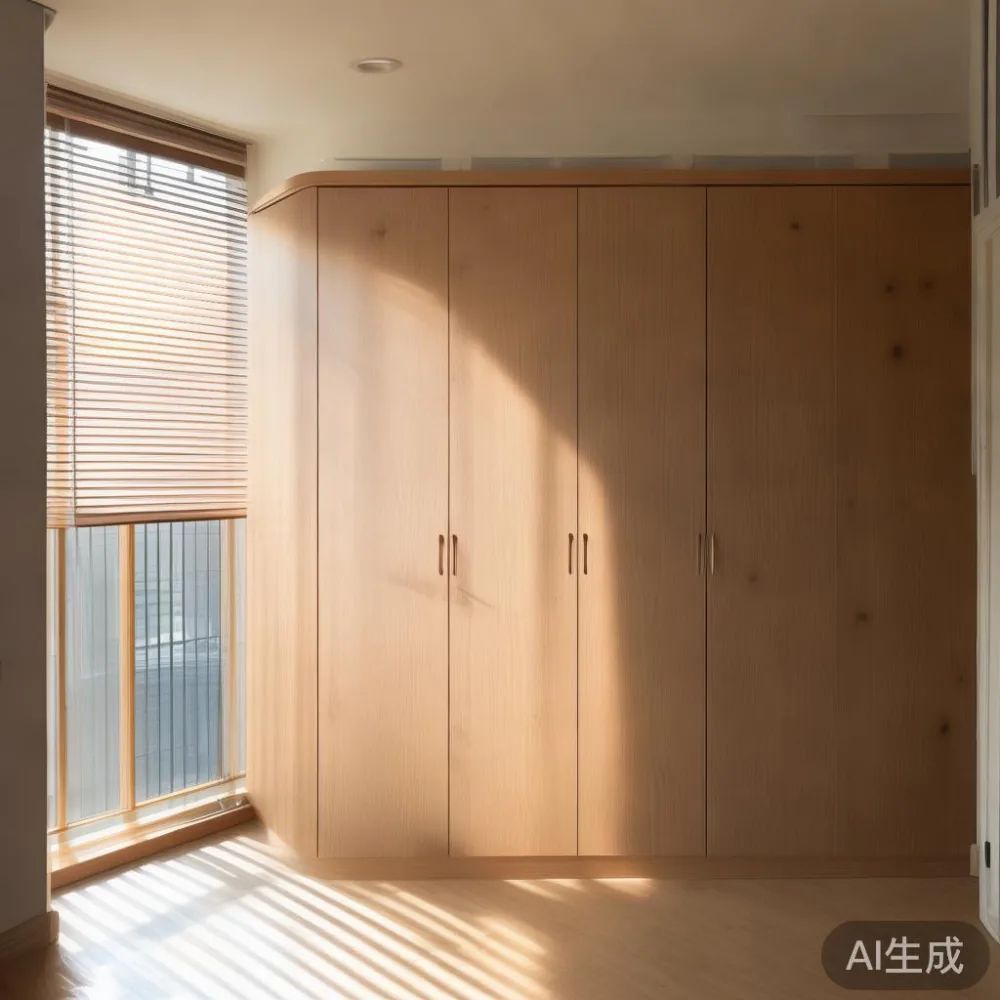
Temperature matters too. Warm air can hold more water vapour, and wardrobe interiors can become poorly ventilated when fitted tightly into a bedroom corner. A useful target is approximately 40% to 60% relative humidity, measured with an inexpensive hygrometer placed near chest height. A reading above 65% calls for improved ventilation or dehumidification. A reading below 40% may indicate that the air is being dried excessively.
Humidity also affects fittings. Metal runners, hinges and screws can corrode in damp conditions, while wood runners can swell. Plywood or particleboard used in a wardrobe may show comparatively small dimensional changes, but vulnerable edges can still swell, and any surface film must not be trapped against the board. Solid wood components such as wardrobe doors, bed frames, nightstands and dining table tops need stable support and controlled exposure.
What Does High Humidity Do to a Solid Wood Wardrobe?
The most obvious warning sign is a door that no longer closes squarely. Others include a drawer that catches halfway, a hinge that has dropped, a slightly rounded cabinet edge and a finish that feels tacky in humid weather. White or light-coloured surfaces may show a cloudy appearance as moisture moves beneath the coating. None of these signs automatically means that the furniture is defective, but they should prompt a moisture check rather than repeated sanding or tightening at random.
Seasonal or daily movement is different from a structural failure. A stable 180 cm wide wardrobe might move by 2 mm to 5 mm across its width under moderate moisture changes, depending on the species, panel construction and support. Movement of more than 10 mm, a split of more than 2 mm or a joint visibly pulling away needs closer inspection. Photograph the affected area, record the room humidity and contact the maker rather than applying excessive force to the hardware.
Leaking plumbing, an unsealed exterior wall or persistent condensation can create a different risk. The area must be dried and repaired before any furniture is placed against it. A gap of at least 3 cm behind a freestanding wardrobe can help air circulate, although it must not compromise access to electrical sockets or skirting boards. In a compact HDB bedroom, that gap may be difficult to preserve, which makes moisture control more important.
For clothing, wardrobe organization should separate damp items from wood surfaces. Laundry returned from a humid balcony should be dried fully before storage. Shoes need ventilation, folded denim should not be compressed for days, and wool or cotton garments should have some space around them. A dehumidifier placed nearby can protect both timber and textiles, but it should not blow directly at doors because rapid, uneven drying can create stress.
How Should You Plan Wardrobe Organization for a Humid Bedroom?
Begin with the room, not the catalogue. Measure the bedroom wall at 3 different heights and check whether the wall is straight with a 120 cm spirit level. Record the skirting depth, usually 15 mm to 25 mm in many Singapore interiors, and note sockets, switches and air-conditioner outlets. The finished wardrobe should leave approximately 60 cm of clear floor space in front of hinged doors where possible. For sliding doors, allow about 40 cm to 60 cm for the panels to operate.
Next, measure the delivery path. Standard HDB lift doors are often about 80 cm to 90 cm wide, with internal dimensions that can be smaller. A packed wardrobe case may exceed the opening even if it fits inside the lift. At a corridor turn, the diagonal clearance can be the deciding factor. Measure the length, height and depth of the largest boxed component; for an example, a 180 cm tall package with a 55 cm depth needs to be rotated carefully while keeping the narrow corridor clear.
This is where selecting a modular wardrobe becomes useful. Separate carcasses, doors, shelves and drawers can be carried through a tight route in smaller sections. It also makes repair more economical than replacing one large cabinet. MIDHILL’s Singapore delivery estimate should be confirmed at checkout or during order planning, with delivery commonly taking several business days to approximately 2 weeks after production. The 14-day returns policy provides a defined window for assessing an item, though moisture-related movement should be documented immediately.
Inside, use wardrobe organization zones based on daily frequency. Place frequently used shirts, workwear and school uniforms between 100 cm and 160 cm above the floor. Reserve the base for shoes, boxes or less-used items that tolerate occasional damp air. Add ventilated shoe racks, a 25 cm to 30 cm hanging section for long garments and adjustable shelves spaced roughly 35 cm apart for folded clothes. Keep heavy items low and avoid stacking them above eye level.
For a coordinated interior, solid wood furniture should share a restrained visual language. A solid wood sofa in oatmeal fabric, a solid wood bed frame in natural oak or walnut, and a marble table with a pale base can balance humidity-conscious practicality with American light luxury or French light luxury styling. A nightstand with a closed drawer can conceal cables and protect small items from dust. Post-modern light luxury may introduce curved profiles, but those curves should not obstruct the wardrobe door or reduce corridor clearance.
Can Humidity Damage Leather, Fabric and Upholstery?
Yes. Leather can develop mould, a sticky surface or a faint odour if damp. Fabric can retain moisture inside a wardrobe or beneath a sofa cushion, particularly where the furniture sits close to an exterior wall. The relevant figure is not only the room’s relative humidity but also the time the material remains wet. A damp cushion left for 48 hours is more exposed than one used normally in a dry, conditioned bedroom.
Leather should be wiped with a slightly damp cloth, then dried with good airflow. It should not be saturated or placed in direct sunlight for 30-minute bursts, because heat can shrink or stiffen it. Upholstery needs periodic airflow, and any stain should be treated before it sets. A soft-bristled brush can remove dust from woven surfaces every 2 to 4 weeks. Cushions should be turned monthly so one face does not remain pressed against the frame.
For a solid wood sofa, keep at least 5 cm of clearance beneath the frame where cleaning allows, and use a breathable mat rather than sealing the base with plastic. Avoid placing wool throws, laundry or cardboard directly against a bed frame. A nightstand is preferable for humid zones if it has raised legs and a ventilated recess. Use a small moisture indicator if the bedroom experiences persistent condensation, and replace desiccant packs every 2 to 3 months according to their instructions.
Customer research can also be expressed through design comparisons. The question of a European light luxury bed vs Mid-century modern bed is partly about visual density, yet both should be assessed for ventilation, support and moisture stability. If a short phrase is required for a search page, for sale American furniture and under 2000 Boho furniture may point to different styles, but the practical requirement remains the same: furniture should not trap damp against walls or floors.
How Do You Keep a Wardrobe Dry Without Wasting Bedroom Space?
Begin with source control. Repair open windows, use exhaust fans and run the bedroom air conditioner or dehumidifier until the display shows roughly 55% relative humidity. If the unit is older, clean the filter every 4 to 6 months. A standalone dehumidifier with a tank capacity of 12 litres to 20 litres can serve an average bedroom, although the required output depends on room size, insulation and incoming moisture. Its compressor should not operate in an enclosed wardrobe.
Make the wardrobe itself breathe. A 10 mm to 15 mm gap between stored clothes and the back panel can reduce trapped humidity, while a shallow ventilated tray can separate shoes from the floor. Avoid lining drawers with impermeable vinyl. If the bedroom is consistently below 70% relative humidity and the wardrobe stands against a dry internal partition, a small passive gap may be enough. In an HDB flat near an exterior wall, however, measuring is more reliable than guessing.
Use moisture absorbers carefully. A 500 g container of calcium chloride can absorb a meaningful amount of water in a closed cabinet, but it must sit on a tray and be replaced as it dissolves. Do not pour the liquid into a drawer or place salt directly on wood. Carbon products are useful for odour control but have limited capacity for severe condensation.
Wardrobe organization also protects finishes from repeated contact. Hang frequently used pieces on wooden or metal rails, and place delicate items in breathable cotton bags instead of plastic for long periods. Do not force a swollen drawer. Apply force gently, identify the point of contact and check whether seasonal movement or dampness is causing the issue. Refinishing can restore appearance, and MIDHILL offers lifetime refinishing for eligible furniture, but routine humidity management remains the simpler solution.
What Should Singapore Buyers Check Before Delivery?
Ask for the final dimensions, the packed dimensions and the largest separate piece. For example, a 200 cm wide by 220 cm high by 60 cm deep wardrobe may be suitable for a bedroom but impossible to move upright through a lift or corridor. The 200 cm width is not the relevant measurement if the package must be tilted; package length, corridor height and turning space determine the result.
Compare the item’s specifications with the access route before confirming. Look for solid wood in the relevant structural components and understand whether other engineered materials are used for panels, backing or drawer bottoms. A finish description should state the coating system and care expectations. Delivery over US$350 qualifies for free shipping, while GST is added to the displayed purchase price. Keep the order record for the 10-year structural warranty and the 14-day returns period.
On arrival, inspect the package before accepting it. Photograph all sides, note any crushed corners and check for moisture marks. Let the furniture acclimate in the room for 24 to 48 hours before removing protective wrapping or adjusting doors. Do not place a new wardrobe directly against a damp wall. Confirm that doors open, drawers travel evenly and the unit is level within approximately 3 mm over 120 cm.
Style can be assessed at the same time. French light luxury often suits a Singapore bedroom with cream upholstery, curved timber details and a marble table nearby. American light luxury leans towards clean lines and solid-looking proportions, although the term “solid” describes appearance only; actual durability still depends on construction and care. Post-modern light luxury can add sculptural forms, provided every projection is planned around the 90 cm to 150 cm of available bedroom circulation.
If shopping for a bed, the phrase best Minimalist bed for 2026 is useful as a starting point, yet “best” cannot be judged from appearance alone. Check frame support, slat spacing, moisture stability, dimensions and warranty terms. A MIDHILL French provincial bed should be assessed by its frame, finish and available bedroom clearance rather than by a decorative label. The same care applies to a solid wood sofa, dining table, wardrobe and nightstand.
How Do You Style a European Wardrobe in an Apartment?
The phrase how to style European wardrobe in apartment describes a design problem with a simple answer: create depth, light and breathing room. A pale European-style wardrobe in a compact HDB flat can visually lift a low-ceiling room, but a darker finish may create contrast against a light wall. Keep the doors aligned with the bed frame where possible, and use matching hardware to connect the wardrobe with a nightstand or solid wood bed frame.
Leave approximately 60 cm in front of hinged doors and 40 cm to 60 cm for sliding panels. In a master bedroom, a low bench can provide temporary seating, yet it should stand at least 5 cm clear of the wardrobe base and must not block the air-conditioner outlet. A narrow dressing table may work if its depth is no more than 40 cm and the remaining passage remains at least 60 cm wide. A marble table is better placed in a living area than crowded beside damp-prone storage.
For layered lighting, warm LED strips at 2700 Kelvin to 3000 Kelvin can soften the interior of a wardrobe, provided the transformer is mounted away from stored clothing and is not enclosed in a sealed cavity. Visible cable channels should be 2 cm to 3 cm wide and fixed without drilling through load-bearing panels. Avoid fabric baskets for damp shoes unless they have rigid, ventilated bases.
Finally, consider the apartment as a system. Bedroom humidity affects the bed frame, wardrobe and nightstand, while the living room affects a solid wood sofa and dining table. Monitor at least 2 rooms for 1 week during a humid spell. Record readings each morning and evening, note condensation and compare them with 50% as a sensible reference. If mould appears within 24 hours of cleaning, or if a drawer repeatedly binds across several days, pause use, document the condition and seek professional advice.
What Is the Practical Humidity-Control Routine?
A workable routine takes less than 15 minutes each week. Check the hygrometer every 7 days, aim for 40% to 60% relative humidity and ventilate the bedroom for 10 to 20 minutes when outdoor conditions allow. Wipe wardrobe hinges and drawer runners with a dry cloth every 2 to 4 weeks. Separate shoes from stored clothes, remove damp laundry before hanging it and inspect wall contact points every 3 months.
For larger homes, use a dehumidifier in the bedroom and living area rather than expecting one portable unit to control an entire condo. Keep air-conditioning filters clean, ensure ceiling vents are unobstructed and use exhaust fans after bathing. The goal is steady moisture management, not a different wardrobe every season. A well-selected piece should remain level, operate smoothly and avoid visible mould when the room is maintained within reasonable conditions.
For MIDHILL furniture, the 10-year structural warranty gives long-term confidence, while lifetime refinishing helps preserve the appearance of eligible pieces. Delivery, installation and returns still need attention: confirm the packed dimensions, protect the access route and allocate enough time for the furniture to acclimate. Singapore’s humidity will continue to challenge every material used in the home, but stable indoor conditions, sensible wardrobe organization and correctly sized furniture make solid wood far easier to live with.