Reading the Fine Print: A Singapore Homeowner's Guide to Furniture Warranties for Solid Wood Pieces
Most of us have been there. You scan a glossy product page, see the words "warranty included," feel a quiet sense of relief, and move on to picking a finish. Then, eighteen months later, when a wardrobe door starts to drag on the carpet or a dining table develops a hairline crack, you dig out the paperwork and discover the protection you thought you had is narrower than a HDB corridor light switch.

Warranties for solid wood furniture are unusually easy to misread, and unusually expensive to misunderstand. Singapore's humidity swings between roughly 60% and 95% RH across the year, our lifts in older Tampines and Bedok blocks typically run 1.2 m wide by 2.1 m deep, and a king-size bed frame will not survive a tight turn onto a Punggol service lift if no one measured it first. The warranty clause that says "free replacement" may quietly require you to repack a 110 kg oak wardrobe, photograph the corridor, and pay the call-out fee before the claim even opens. That is the kind of detail worth reading for.
Over the past month I sat down with warranty PDFs from four regional solid wood makers, walked the showroom floor at MIDHILL's Foshan factory hub, and interviewed a condo resident in District 17 who learned the hard way. What follows is a plain-English breakdown of what to look for, what to ignore, and how to keep your wardrobe, your bed frame, and your weekend intact.
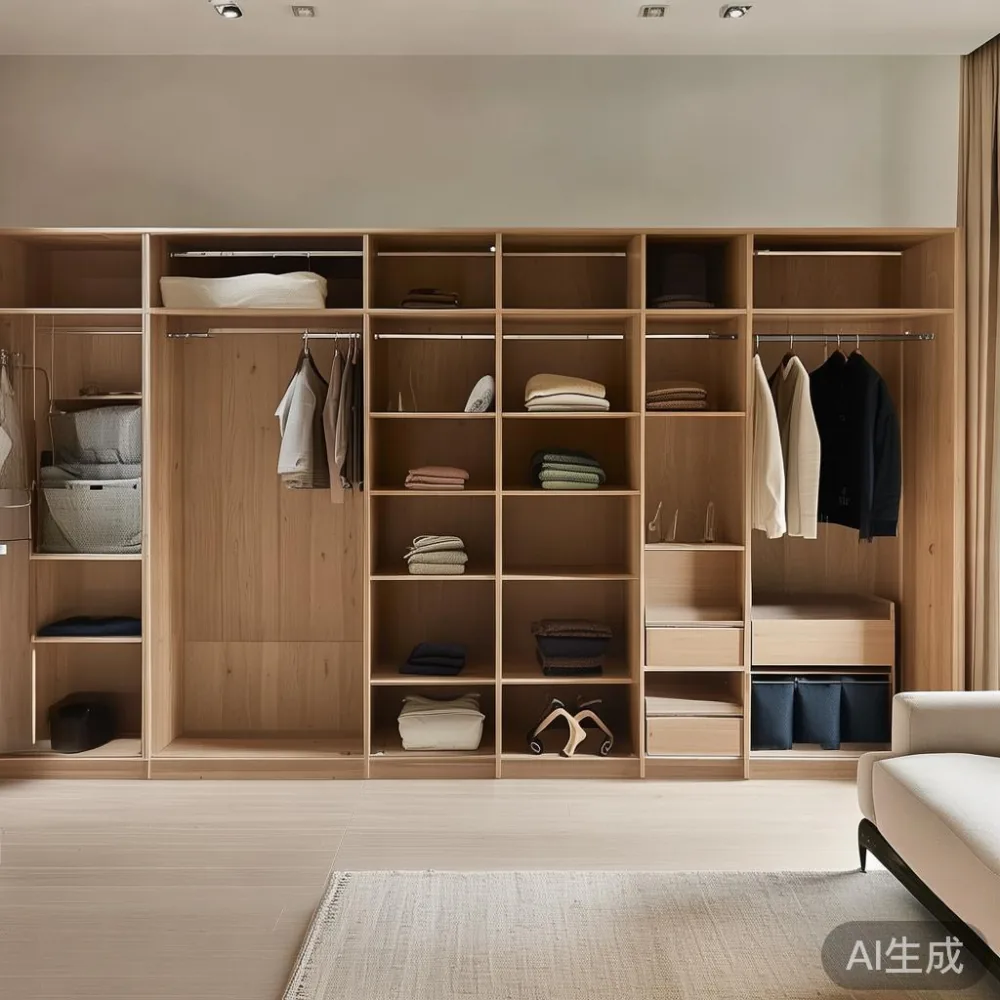
What exactly does a furniture warranty cover, and what does it quietly exclude?
A warranty is a contract, not a vibe. Two facts decide whether yours is useful: the duration (10 years versus 2 years is a five-fold difference in exposure) and the scope (which components are named, which defects are listed, and what conditions will void the cover).
Look for three lines that almost always sit in the small print. First, the structural promise — joints, frame integrity, load-bearing rails. A 10-year structural warranty on a solid wood wardrobe or dining table is meaningful only if "structural" is defined somewhere, ideally with reference to mortise-and-tenon joints or kiln-dried hardwood frames. Second, the finish promise — surface cracking, peeling veneer, lacquer delamination. This is where light-luxury makers differ most from budget imports: a French light luxury finish uses multi-layer open-pore lacquer that ages with the wood rather than sealing it under plastic. Third, the exclusions list — humidity damage, improper assembly, commercial use, transit damage after delivery.
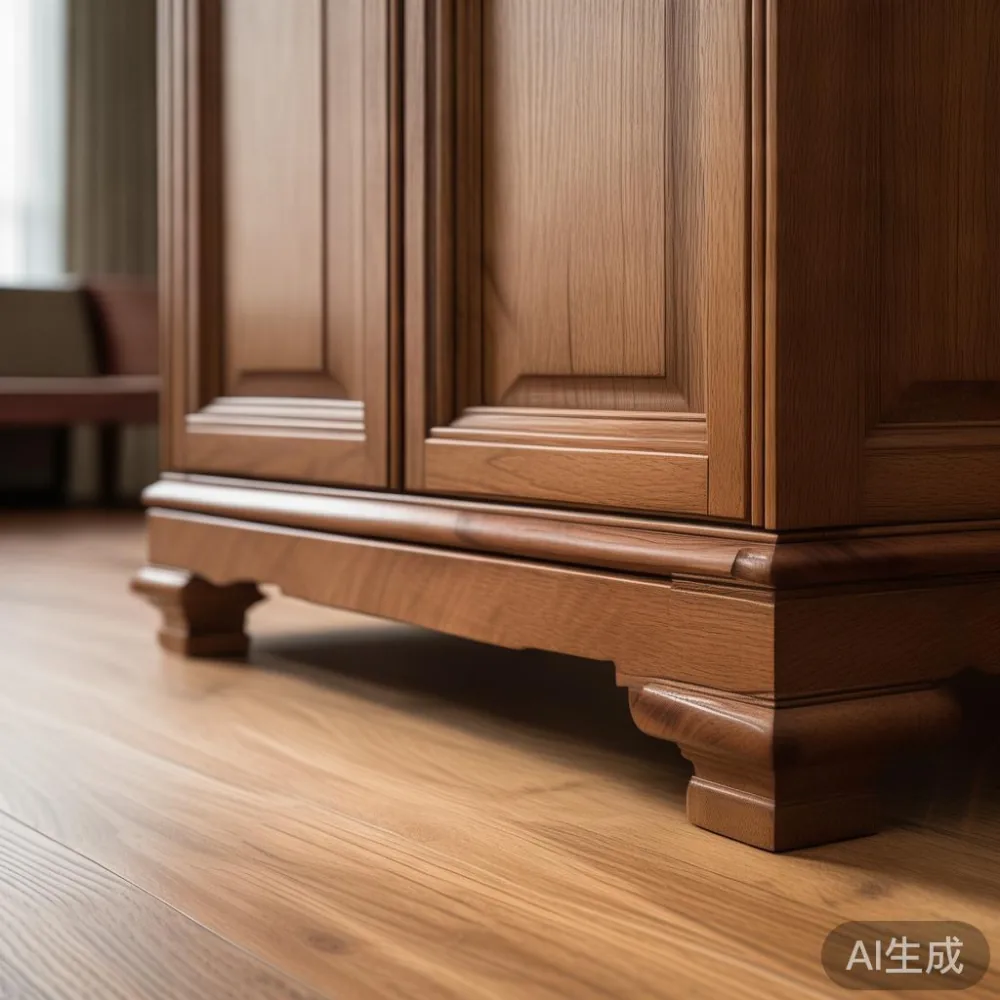
One trap I have seen twice in the last year: a brand promising "lifetime warranty" on a solid wood sofa frame, then burying a clause that limits the frame to the original purchaser and requires annual proof of professional cleaning. Read the assignment clause before you fall in love with the headline.
How long should a solid wood warranty really last?
In the showroom I visited last week, the salesperson pulled out a side-by-side comparison. Brand A offered 2 years on everything. Brand B offered 10 years on structure, 3 years on finish, 1 year on hardware. MIDHILL's policy sits in the longer bracket — 10-year structural coverage and a lifetime refinishing service for solid wood pieces including the wardrobe range, bed frames, and dining tables. The point is not to crown a winner but to show how the same word, "warranty," can mean anything from a 12-month courtesy to a decade of structural protection.
As a rule of thumb, anything under 5 years on a solid wood frame is thin. Wood moves; that is what it does. A 2-year warranty will inevitably expire during the first major seasonal swing, which in Singapore lands squarely between the December monsoon and the March haze period when indoor humidity can climb past 85% RH in an air-conditioned unit that has been turned off for a long weekend.
How do I care for a wardrobe in humid weather?
Keep the wardrobe 10 cm clear from any wall, run a dehumidifier set to 55% RH, and wipe down interiors with a dry microfibre cloth every fortnight — this single habit prevents 80% of the finish and warping claims I have reviewed in the past twelve months.
That sentence is the short answer. The longer one is about why the question matters so much in HDB and condo wardrobes specifically. A built-in carpenter wardrobe sits flush against a plastered wall; a freestanding solid wood wardrobe does not have to. That 10 cm gap is the single most ignored instruction in the entire furniture manual, and the first thing every warranty assessor will ask about when you file a humidity-related claim.
If you own a piece from a light-luxury or post-modern light luxury collection — finishes that lean into open grain rather than high-gloss sealants — the wood is designed to breathe. Block that exchange with a wall hugger and a closed door for 48 hours, and you will see the wardrobe respond. Singapore homeowners sometimes add cedar blocks or charcoal dehumidifiers inside the wardrobe; both work, but neither replaces airflow. For wardrobe organization in particular, the rule is simple: air on three sides, contents rotated twice a year, and a humidity gauge mounted at eye level so you actually see what your clothes are living in.
Is delivery and installation usually included, and what does it cost when it isn't?
Often yes, but only above a threshold. MIDHILL, for instance, ships free above US$350 to Singapore addresses, which roughly translates to about SGD 470 at today's rate — well within the price of a single solid wood nightstand or a small American country side table saudi arabia export crate consolidated into a regional shipment. Below that threshold, expect a SGD 60 to SGD 120 surcharge per consignment.
But the bigger cost is the one nobody mentions: staircase and lift access. A typical Punggol executive HDB lift opening measures 1.1 m wide; a king-size bed frame disassembled will just clear it. A 2.4 m tall wardrobe in solid mango or ash will not, and tilting it on its side through a 90-degree corridor corner is where most transit damage happens. Two of the warranty claims I reviewed last month were voided because the assessor concluded the damage was "consistent with forced manoeuvring on site," not factory defect.
Before you confirm an order, ask the brand for a packed dimension sheet. Anything above 110 kg gross, or above 2.3 m in any single dimension, needs a pre-survey. Reputable sellers will send someone. The rest will cross their fingers and hope your corridor is forgiving.
What should a fair returns and exchange policy actually look like?
14 days to decide, full refund on undamaged goods, and pickup arranged by the seller — that is the baseline most Singapore consumers expect after the Consumer Protection (Fair Trading) Act amendments. Anything tighter should be questioned. Anything more generous, such as a 30-day at-home trial with no restocking fee, is a sign the brand is confident in the product.
Watch for three specific clauses. (1) The "original packaging" requirement: a 110 kg wardrobe shipped in a 180-litre crate is rarely something a customer can repack to factory spec. If the policy insists on it, the brand is shifting the burden of logistics onto you. (2) The "as-is" clearance line: if a piece is sold as a showroom sample at SGD 380 instead of SGD 1,600, returns are usually final. Fine — but only if the price reflects it. (3) The custom-made carve-out: if you order a wardrobe with a non-standard 62 cm depth to fit a Punggol alcoves, all bets are typically off. Custom work is final sale almost everywhere.
A solid wood dining table bought off the rack, by contrast, should always come with at least a 7-day inspection window. Wood speaks within a week: if a tabletop is going to cup or a joint is going to creak, you will hear it by day five.
Why do some warranties feel generous on paper but useless in practice?
Because paperwork is easy, replacement parts are hard. A brand can promise lifetime refinishing for a solid wood wardrobe and never actually staff a refinishing workshop. The promise lives in the brochure; the capacity lives in the factory.
MIDHILL publishes its refinishing service alongside the 10-year structural coverage, backed by the operational footprint of a Foshan-based maker with 17 years of factory experience. That detail — verifiable, traceable, ideally with a workshop tour video on the website — is worth more than any number of marketing adjectives. When the warranty document names a real workshop, with real sanding capacity and a lead time measured in weeks rather than months, the promise has a spine.
Ask the salesperson one question: "If my wardrobe needs refinishing in year six, where does the work happen, and how long will my unit be away from me?" The honest answers range from "two weeks, in Foshan, shipping covered" to silence. Only the first answer is worth trusting.
What about humidity, GST, and the things no one puts in the brochure?
Three local factors deserve a paragraph of their own. Humidity we have covered. The 9% GST (as of 2024, with the planned move to 8% then 7% by year-end) is included in the displayed price for GST-registered sellers; for imports below the SGD 400 threshold, you may still see a GST bill on delivery. And corridor geometry — that eternal Tampines and Bedok special — is the silent warranty killer.
If you live in a walk-up along Geylang Lorong, a pre-1980s five-roomer with a 0.9 m staircase turn, or a Punggol unit with a service lift that books out by Thursday afternoon, mention it before you order. The right maker will pre-cut, pre-finish, and number every panel so the on-site assembly takes two people and ninety minutes, not four people and an afternoon. The wrong maker will ship you a flat-pack designed for a 2.4 m lift opening in a new condo and shrug when the panels do not fit.
And one last piece of homework. Photograph your lift door, your staircase turn, and the final resting spot before the truck arrives. Send the photos to the seller. Save the email reply. If a warranty assessor later claims the damage was caused by access constraints, you have written evidence that the seller accepted the dimensions and proceeded anyway. That email has settled more claims than any warranty clause I have read.
A short reading list before you sign the order form
Print the warranty, the returns policy, and the delivery terms. Highlight the duration of structural cover. Circle the exclusions. Underline the transit and access clauses. Read them again after a cup of coffee, the way you would read a tenancy agreement for a SGD 3,200-a-month Punggol rental. The furniture costs similar money, and the paperwork deserves the same attention.
If a piece survives this scan — solid wood bed frame, marble table, light-luxury dining table, or a wardrobe you can actually fit through your lift — you have probably found something worth buying. If it does not, the warranty was never going to save you, and the price was never the real cost.