The Silent Enemy: How Humidity Affects Your Solid Wood Wardrobe in Singapore
Singapore is a city of vibrant life, from the busy streets of Tampines to the modern corridors of Punggol's new condominiums. We take pride in our homes, investing in quality furniture like a solid wood sofa or a marble table to create spaces of comfort and style. But there's a constant, invisible force at work in our HDB flats and condos: humidity. This persistent moisture can quietly wage war on your prized possessions, particularly your solid wood wardrobe. Understanding this relationship is the first step to protecting your investment and maintaining a beautiful, organized living space.
What Exactly is Humidity and Why Does Singapore Have So Much of It?
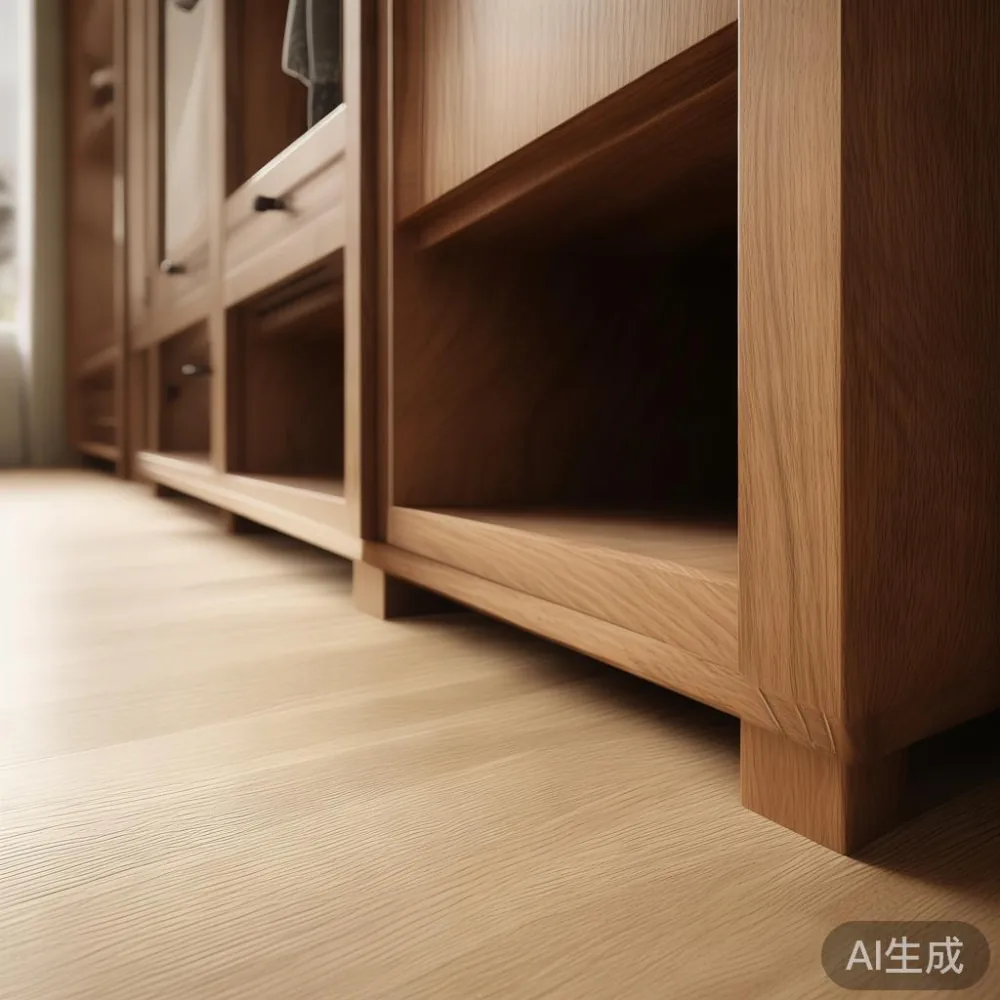
At its simplest, humidity is the amount of water vapour present in the air. In a tropical climate like Singapore's, humidity levels are consistently high, often hovering between 70% and 90% throughout the year. This isn't just a number on a weather app; it's a tangible presence you feel when you step outside on a hot day. For your furniture, especially solid wood, this constant moisture exposure presents a significant challenge. Wood is a hygroscopic material, meaning it naturally absorbs and releases moisture from the air to balance itself with the surrounding environment. In Singapore, this means your wood is constantly trying to absorb more moisture than it was designed to handle, leading to a range of potential problems.
How High Humidity Directly Impacts Your Solid Wood Wardrobe
The effects of Singapore's humidity on a solid wood wardrobe are not always immediate, but they are often cumulative and can be quite damaging. When wood absorbs excess moisture, it swells. This process can cause doors to warp, making them difficult to open and close or causing them to rub against the frame. The internal dimensions of the wardrobe can also change, potentially causing shelves to become misaligned or drawers to stick. Over time, the constant swelling and shrinking, known as 'movement', puts stress on the joints. A wardrobe that was once sturdy might begin to creak or feel loose. The finish on the wood, whether it's a natural oil or a lacquer, can also be compromised. High humidity can cause the finish to cloud, bubble, or in extreme cases, peel away, leaving the raw wood beneath exposed to further damage. This is why a proper wardrobe organization system needs to be built from materials that can withstand this environmental stress.
Visible Signs of Humidity Damage in Your Bedroom
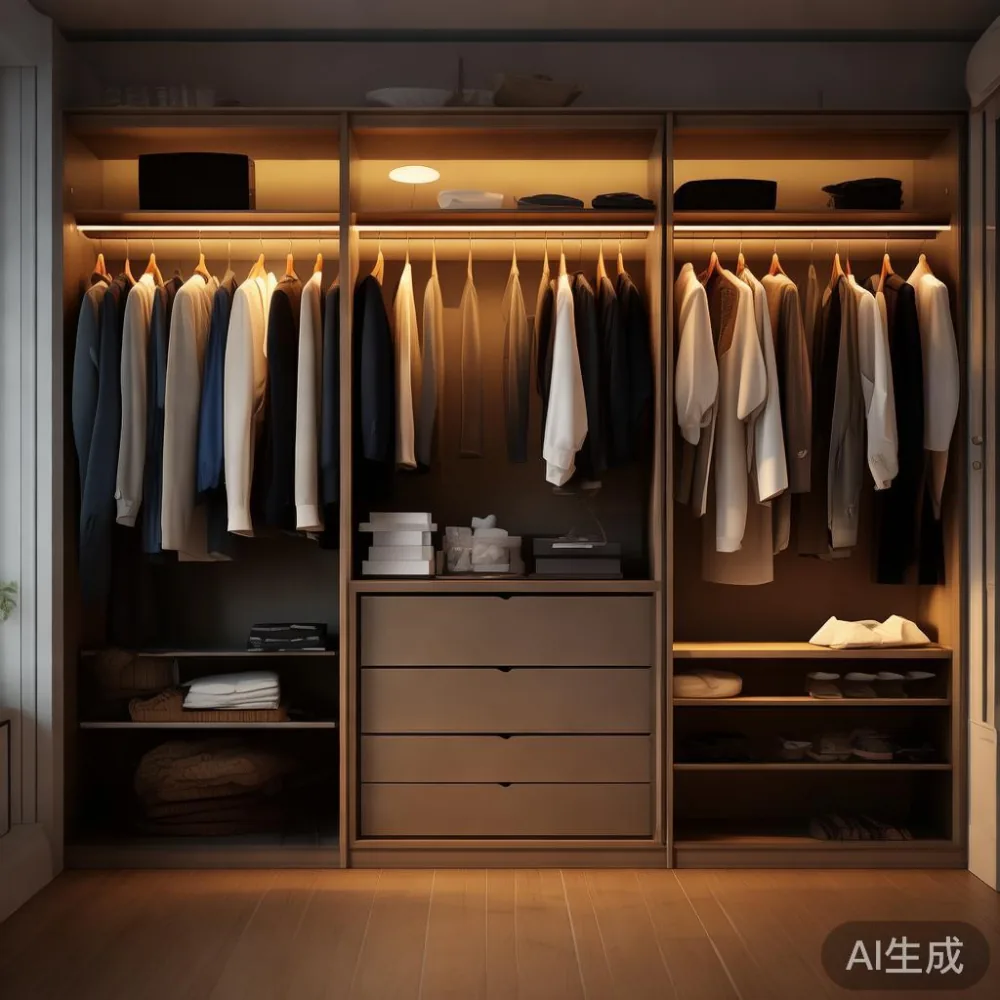
Recognising the early signs of humidity damage can help you address the issue before it becomes a major problem. Keep a close eye on your wardrobe for these tell-tale indicators. One of the most common signs is warping. You might notice the doors are no longer flat; they could have a slight curve or bow, making a poor seal with the cabinet. Sticking drawers are another classic symptom. The swollen wood panels can expand to the point where they no longer glide smoothly on their runners. A musty smell inside the wardrobe is a strong indicator of trapped moisture, which can lead to mould and mildew growth on your clothes and the wood itself. You might also see small cracks, known as 'checking', appear on the surface of the wood as it dries out too quickly after a period of high moisture. These cracks can deepen over time, affecting the wardrobe's structural integrity and appearance. For owners of a marble table or other fine furniture, similar issues can occur, but the focus here is on the central piece of bedroom storage.
How to Style an American Wardrobe in Bedroom: A Practical Guide for Singaporean Homes
When considering how to style an American wardrobe in bedroom, the local climate must be a primary consideration. The classic American aesthetic often features large, imposing wardrobes made from solid oak or walnut. While beautiful, these pieces can be particularly susceptible to Singapore's humidity if not properly selected and cared for. My colleague, Sarah, who lives in a Bedok HDB flat, learned this the hard way. She purchased a large, dark American-style wardrobe online without considering the local conditions. Within 6 months, the bottom drawer was so swollen it could barely be opened. The experience taught her a valuable lesson: style must be balanced with practicality. For Singapore homes, this means looking for American-style wardrobes made from stable hardwoods like teak or mango wood, which are naturally more resistant to moisture. It also means ensuring the interior is designed for effective wardrobe organization, with ventilated panels and moisture-absorbing materials to keep the air circulating and dry.
Preventative Measures: Protecting Your Wardrobe from Day One
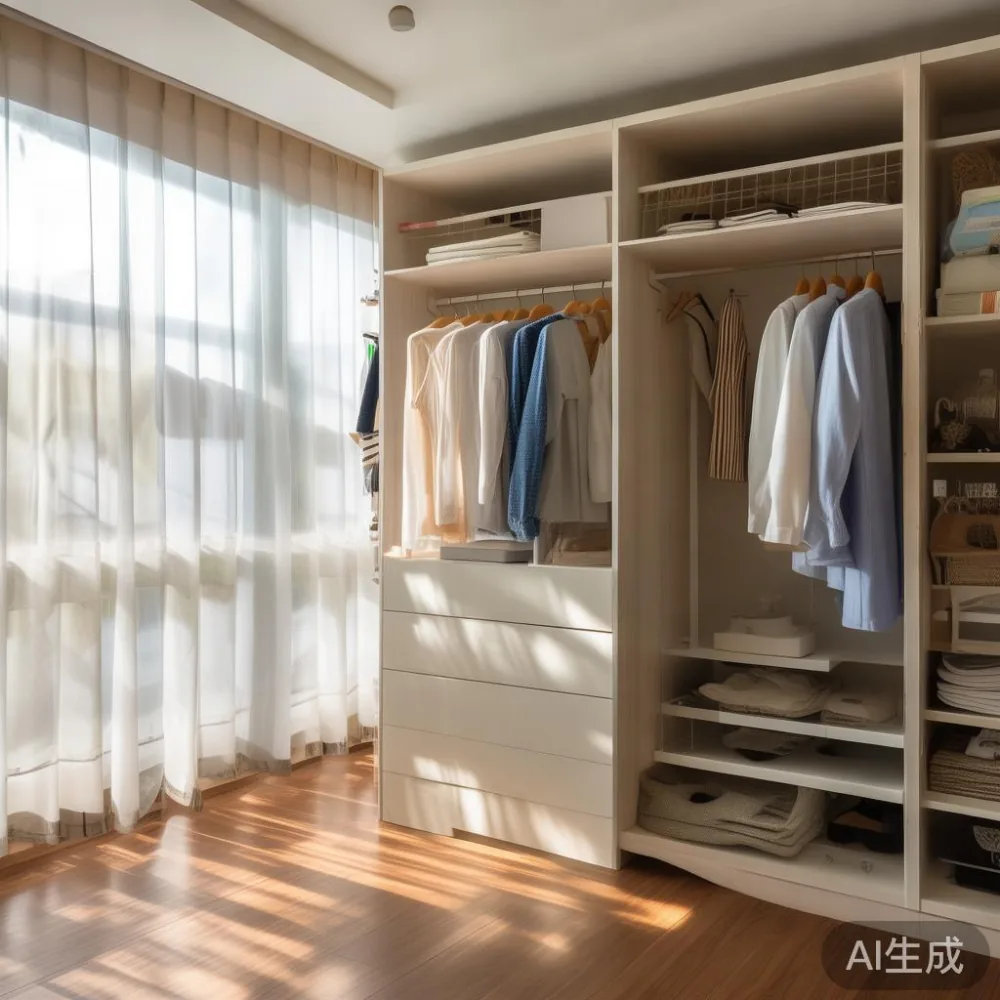
Protecting your furniture from humidity is not a one-time fix but an ongoing process. The first line of defence is proper placement. Avoid placing your wardrobe directly against an external wall, as these walls tend to be cooler and can accumulate condensation. Leaving a small gap of at least 5 cm between the wardrobe and the wall allows for air circulation. Similarly, do not place the wardrobe in a corner where air cannot flow. Using a dehumidifier in your bedroom, especially during the rainy season from November to January, can make a significant difference. A good dehumidifier can reduce the humidity level to a more manageable 50-60%. For those who prefer a natural solution, placing silica gel desiccant packs inside the wardrobe can help absorb excess moisture. These packs should be replaced every 2-3 months or when they become saturated. Regular maintenance is also key. Wipe down your wardrobe with a dry, soft cloth every week to remove any surface moisture. For a 2026 French provincial furniture piece, this gentle care helps preserve its delicate finish and light, airy charm.
Choosing the Right Wardrobe: Material and Design for Singapore's Climate
When selecting a new wardrobe, the material and construction are paramount. Solid wood is a premium choice, but not all woods are created equal in a humid climate. Woods like teak, sheesham, and acacia have a high natural oil content, which makes them more resistant to moisture and less prone to warping. These woods are often used in high-quality pieces from a Foshan factory, where the manufacturing process includes kiln-drying the wood to a specific moisture content suitable for the export market. This pre-treatment is important for ensuring the wood's stability. The design of the wardrobe is equally important. Look for wardrobes with a good ventilation system. Some designs include small vents at the top and bottom to allow air to pass through. The internal layout should promote a good wardrobe organization system, with adjustable shelves and smooth-gliding drawer mechanisms made from materials like stainless steel or high-grade polymer that are not affected by humidity. A reputable brand will offer a 10-year structural warranty, which provides peace of mind that the piece is built to last. For instance, finding a reliable supplier for a MIDHILL dining table wholesale often means you're dealing with a company that understands these quality and durability standards.
Is French Provincial Furniture Suitable for Singapore's Humid Climate?
French provincial furniture, with its elegant, distressed finishes and ornate details, is a popular choice for creating a light-luxury bedroom aesthetic. However, its suitability for Singapore's climate depends heavily on its construction. The classic French provincial look often involves painted finishes and light woods like ash or beech. While beautiful, these materials can be more vulnerable to humidity if not properly sealed. The key is to find a piece that uses high-quality, multi-layered paint or lacquer that creates a waterproof barrier. A well-made French provincial wardrobe will have a durable finish that protects the wood underneath from absorbing moisture. It's also wise to choose a design with simpler, more functional lines over overly ornate ones, as intricate details can be harder to clean and may trap dust and moisture. When selecting French provincial for dining room use, the same principles apply; the finish must be solid enough to withstand the environmental conditions of your home.
Maintenance and Care: Keeping Your Wardrobe in Prime Condition
Even with the best preventative measures, your wardrobe will still need regular care to combat Singapore's humidity. Every 3-6 months, it's a good idea to move your wardrobe away from the wall and vacuum the dust and debris that has accumulated behind it. This simple task improves air circulation and prevents dust from trapping moisture. For the wood itself, use a high-quality furniture polish or oil that is specifically designed for the type of wood your wardrobe is made from. Applying a thin coat every 6 months helps to nourish the wood and replenish the protective layer. Avoid using water or harsh chemical cleaners directly on the wood, as this can seep into the grain and cause damage. If you live in a condominium with a GST-inclusive purchase price of over SGD 3,500, you might have access to professional furniture care services as part of your building's amenities, which can be a worthwhile investment for preserving your solid wood pieces.
The Role of Wardrobe Organization in Humidity Control
A well-organized wardrobe does more than just keep your clothes tidy; it plays a important role in managing humidity. When clothes are crammed tightly into a wardrobe, they restrict airflow, trapping moisture and creating a damp environment inside. This is especially problematic for natural fabrics like cotton, wool, and linen, which absorb moisture from the air. An effective wardrobe organization system uses slimline hangers to maximise space and allow air to circulate around garments. Using breathable fabric storage boxes for items like sweaters or seasonal linens is also far better than using plastic airtight containers, which can trap humidity. Leave a small gap of about 10 cm between the clothes and the wardrobe doors to ensure air can flow freely. This simple organisational habit can significantly reduce the internal moisture level, protecting both your clothes and your wardrobe from mould and warping.
What About Light Luxury Styles like Post-Modern?
For those who prefer a more contemporary aesthetic, post-modern light luxury furniture offers a fantastic alternative. This style often features clean lines, geometric shapes, and a mix of materials like solid wood combined with metal or glass accents. These pieces are typically designed with functionality in mind, which often translates to better humidity resistance. A post-modern wardrobe might feature a metal frame with solid wood panels, allowing the wood to 'breathe' more effectively. The minimalist design also reduces the number of joints and intricate details that can be compromised by moisture. This style is a great choice for a modern condo in Punggol, where the clean lines complement the architecture. When looking for top 10 Modern furniture, brands that focus on post-modern design often lead the way in creating pieces that are not only stylish but also practical for the modern home, including those in humid climates.
Industrial for Guest Room: A Stylish and Practical Choice
The industrial style, with its raw, unfinished look, might seem like a poor choice for a humid environment. However, when done correctly, an Industrial for guest room can be surprisingly durable. The style often features reclaimed wood or wood with a heavy, distressed finish. Reclaimed wood has already been through decades of weathering and is therefore very stable. The characteristic dark stains and waxes used in industrial furniture also create a protective barrier against moisture. A guest room wardrobe in this style, made from solid mango wood with a dark walnut stain, can add a unique, edgy character to your home while standing up well to Singapore's climate. The key is to ensure that any metal components, like handles or legs, are made from rust-resistant materials such as brushed stainless steel or powder-coated iron to prevent corrosion.
Final Thoughts on Long-Term Furniture Care in Singapore
Owning solid wood furniture in Singapore is a commitment to understanding and managing your home's environment. It's about appreciating the natural beauty of wood while respecting its vulnerability to humidity. By choosing the right materials, placing your furniture wisely, and maintaining a consistent care routine, you can enjoy your wardrobe for many years to come. Remember, a wardrobe organization system that promotes airflow is as important as the wood it's made from. The investment in a quality piece, backed by a lifetime refinishing promise and a 10-year structural warranty, is one that will continue to add value and beauty to your home, adapting to the unique challenges of our tropical climate.