Wardrobe Organization and the Reality of Online Furniture Delivery in Singapore
Last month I walked through a Tampines HDB corridor with a 32 cm tape measure tucked under my arm, trying to picture whether a 180 cm-wide wardrobe box would actually clear the lift door on the 12th floor. My colleague had just ordered a solid wood wardrobe online for her new BTO in Punggol, and the dimensions on the product page looked fine on screen, yet the corridor outside her unit was barely 1.2 m wide. That little reality check is what pushed me to write this guide, because the gap between a glossy product page and a 180 kg shipment arriving at your door in Singapore is wider than most shoppers expect.
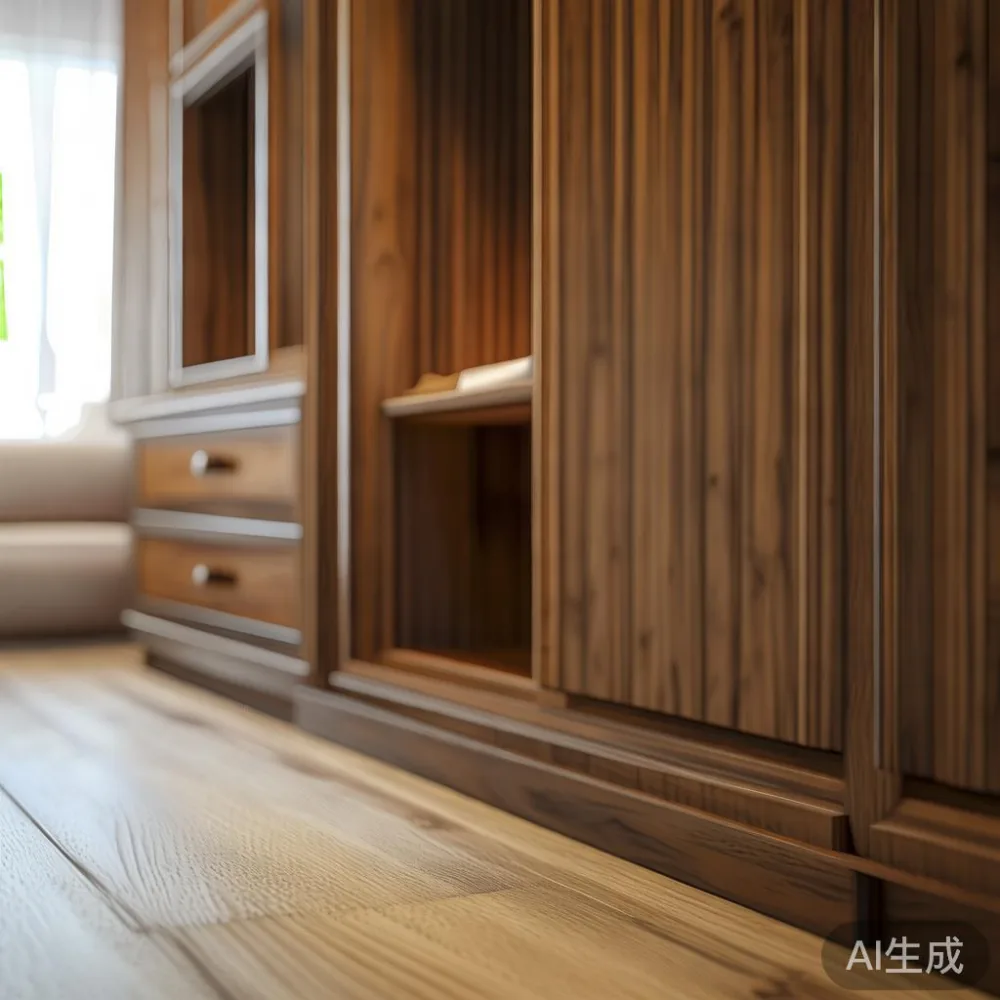
MIDHILL, a Foshan-based maker established in 2008, ships solid wood pieces — wardrobes, bed frames, dining tables, nightstands, marble tables, and even the occasional green oak corner sofa — to more than 15 countries. Their 10-year structural warranty, lifetime refinishing service, free shipping over US$350, and 14-day return policy sound generous on paper, but what really matters for a Singapore buyer is how those numbers translate to a HDB lift, a service lift at a Bedok condo, and the tight turning radius outside your front door.
What delivery and assembly actually mean when you buy furniture online?
Buying furniture online is not one transaction, it is three: the parcel arriving, the boxes fitting through your building, and the pieces being assembled in your home. Each step has its own risks, and each step has its own cost in time, money, and patience. In Singapore, where HDB flats share lifts that often measure around 1.1 m wide by 1.4 m deep, a flat-pack wardrobe can survive the container ship but fail the lift door by 2 cm.
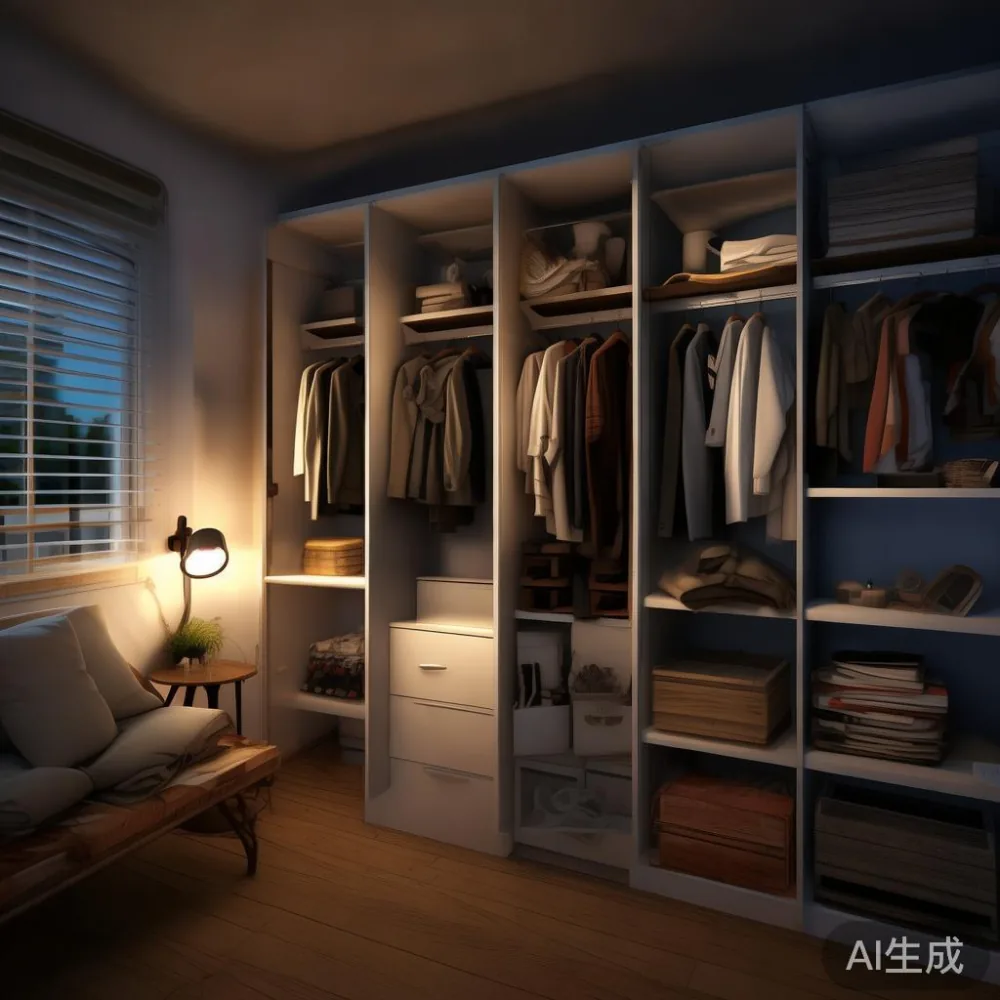
A typical solid wood wardrobe from a Foshan workshop arrives in three to five cartons weighing between 35 kg and 60 kg each, with the heaviest panel sometimes exceeding 70 kg. A king-size bed frame splits into two side rails, a headboard, a footboard, and slats, totalling roughly 80 kg to 110 kg. A six-seater dining table is usually crated as a single box around 1.9 m long and can weigh 90 kg. Marble tables are denser again, often 130 kg for a 140 cm round top. These are the numbers that decide whether your order fits in the lift or has to be hand-carried up the fire staircase.
How do I style a entryway furniture in a modern Singapore home?
A modern Singapore entryway works best when it combines a slim console table under 30 cm deep with a wall-mounted mirror, a single decorative tray for keys, and a low shoe cabinet that doubles as a bench — keep clearance at 90 cm so the front door can still swing fully open in a typical HDB layout. For condos in Punggol or Bedok with slightly wider foyers, a solid wood console paired with a tall, narrow wardrobe keeps the entry tidy without crowding the corridor.
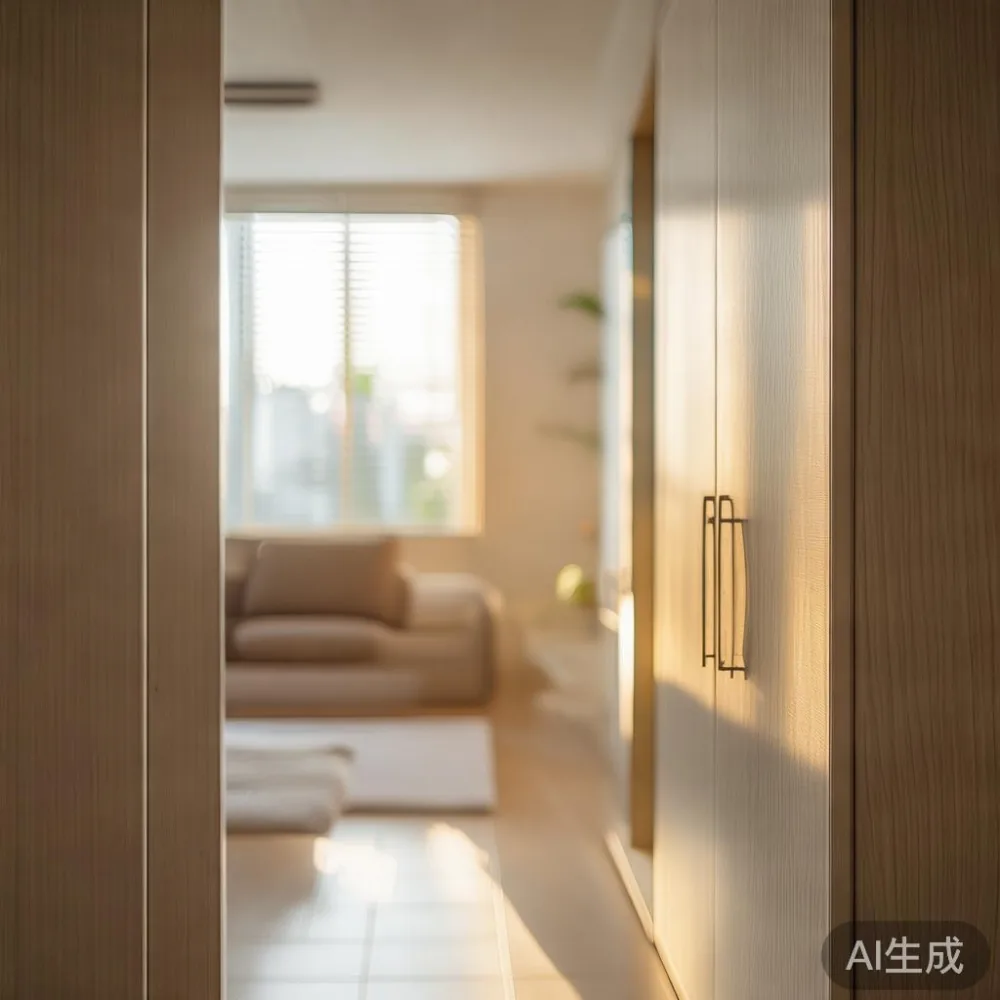
Styling the entryway is really wardrobe organization applied to the front door: every shoe, bag, and umbrella needs a designated zone before it migrates into the living room. I tested this with a 90 cm-wide console and a 35 cm-deep drawer unit in a Tampines 4-room flat, and the trick was leaving the floor area visually empty so the space feels like 1.5 m wide even though it is barely 1.1 m. A round marble table at the corner can replace a console if your foyer is genuinely tiny, since round shapes soften the right-angle feel of a narrow corridor.
What box dimensions fit through a Singapore HDB lift and corridor?
Most HDB passenger lifts in blocks built after 2010 measure approximately 1.1 m wide by 1.4 m deep by 2.3 m tall, with a single door opening around 0.9 m wide. Service lifts in older blocks, especially in Bedok and Toa Payoh, can be as small as 0.9 m by 1.2 m. The corridor outside your flat door is usually 1.2 m wide, and the turning radius into the door can be as tight as 0.8 m if the corridor has a fire hose reel cabinet on the wall.
For practical planning, a wardrobe carton should not exceed 190 cm in length and 65 cm in width if you want it to slide into the lift without tilting. Anything over 200 cm long usually requires a two-man delivery team and may not clear the lift door at all. Bed frame cartons above 210 cm tend to ship as two halves to keep the longest panel under 2 m. When my colleague's wardrobe arrived in Punggol, the longest box was 188 cm and just barely rotated past the lift's rear wall.
How long does delivery take from Foshan to a Singapore door, and what does it cost in SGD?
Sea freight from Guangdong to Singapore's PSA terminal takes roughly 7 to 12 days, plus 2 to 4 days for customs clearance and last-mile delivery. End-to-end, expect 14 to 21 working days for an in-stock item, and 30 to 45 days if the piece is custom-finished. Some MIDHILL pieces ship ex-stock from their Foshan warehouse within 7 days of order confirmation, which is faster than the industry average for made-to-order solid wood furniture.
On cost, a 40-foot high-cube container from Foshan to Singapore currently runs around SGD 2,800 to SGD 4,200 depending on fuel surcharges. Your individual shipping fee is a fraction of that, of course. For a single wardrobe, free shipping kicks in above US$350 (about SGD 480 at the current rate), and most platforms absorb GST at 9% into the displayed price for items below the SGD 500 threshold for GST registration. Expect to pay an additional SGD 80 to SGD 250 for doorstep delivery that includes carrying into your home and removing packaging, depending on the floor level and whether a service lift is available.
Will the delivery team carry the boxes up the stairs if the lift is too small?
Standard doorstep delivery in Singapore includes one trip up the lift only. If your lift cannot accommodate the cartons, the delivery crew will usually ask for an extra fee of SGD 20 to SGD 60 per floor for stair carry, and that fee jumps to SGD 80 to SGD 150 per floor for items over 60 kg. A 90 kg marble table or a fully assembled wardrobe simply cannot go up a HDB fire staircase without risk of damage to the walls, the item, and the movers' backs.
The smarter move is to refuse stair carry for any piece over 70 kg and instead arrange a Hiab lorry with a tail-lift for SGD 180 to SGD 350. The lorry parks outside your block, a small crane lifts the carton to your corridor window, and a balcony or window-level service hatch receives it. Several Singapore logistics firms, including those that handle MIDHILL's local last-mile partners, offer this as an add-on for condos facing Tampines Expressway or Punggol Way where ground-level access is restricted.
Who assembles the wardrobe, and how long does it take?
Most online furniture orders ship flat-packed with an instruction manual and a hardware kit. Assembly for a 3-door wardrobe typically takes 2 to 4 hours for two people, while a king-size bed frame with hydraulic storage averages 1.5 to 2.5 hours. A dining table is faster, usually 30 to 60 minutes for two adults. The tools provided are often a basic Allen key and a screwdriver, so a cordless drill with a hex bit will save you real time on wardrobes with more than 30 cam-lock fittings.
If DIY is not your weekend plan, Singapore has a healthy market of freelance assemblers charging SGD 40 to SGD 80 per hour, with a minimum call-out of SGD 120. For wardrobe organization systems with internal drawers, pull-out rails, and soft-close hinges, expect the job to take closer to 5 hours because the internal layout must be squared before the doors go on. A wardrobe that is not perfectly level will drift open on its own after a week, so spending an extra hour shimming the base pays off for the next ten years of use.
What should I do before the delivery arrives to avoid a wardrobe stuck in my corridor?
Measure your lift, your corridor, and your doorway. Then measure the cartons. Then measure the diagonal of every carton and compare it to the lift's diagonal clearance, which for a 1.1 m by 1.4 m lift is about 1.78 m. A wardrobe box measuring 65 cm by 65 cm by 188 cm has a diagonal of roughly 206 cm, so it will only fit if tilted, and that requires two delivery men who know what they are doing.
Photograph your corridor, your lift interior, and the route from the lift lobby to your door. Send those photos to the seller 48 hours before dispatch. If you live on a high floor in a Punggol Waterway block, confirm the service lift booking with your managing agent at least three days in advance, because service lifts in newer condos are often shared with cleaning staff and require a reservation slot. Reserve a parking bay for the delivery lorry at SGD 6 to SGD 12 for the first hour, and clear the corridor of bicycles, strollers, and shoe racks so the path is a straight 1.2 m wide.
Can I return a wardrobe if it does not fit, and what does lifetime refinishing really cover?
Under Singapore's Consumer Protection (Fair Trading) Act and most platform-level 14-day return policies, you can return a piece if it is defective, not as described, or fails to perform a reasonable function. "Does not fit my lift" is generally not a valid return reason unless the seller explicitly guaranteed fit, so measure before you order. Return shipping for a 60 kg carton will cost SGD 120 to SGD 220, and many platforms deduct this from your refund, so the practical lesson is to measure twice and order once.
Lifetime refinishing, the kind MIDHILL offers on solid wood wardrobes, bed frames, dining tables, and nightstands, covers sanding, re-staining, and re-sealing of the original wood surfaces. It does not cover structural damage, water rings from a burst aircon pipe, or pet scratches below the wood surface. In practical terms, you can send a 15-year-old oak wardrobe back to the workshop and have it sanded back to bare wood and re-oiled for a fee that is roughly 30% of a new piece, which is a meaningful saving over replacing it.
What small details separate a good wardrobe from a wardrobe that lasts a decade in Singapore's humidity?
Singapore sits in climate zone 1 with relative humidity that swings between 60% and 95% across the year, so solid wood furniture expands and contracts more here than in temperate climates. A wardrobe built with kiln-dried oak at 8% to 10% moisture content will handle this far better than one dried only to 12% or 14%. Look for drawers with wooden rather than metal runners if you want quiet operation, and soft-close hinges rated for at least 100,000 cycles if you open the wardrobe more than ten times a day.
For wardrobe organization that survives a decade, the internal layout matters as much as the cabinet itself. A 60 cm-deep wardrobe gives you enough room for a standard hanger plus a 5 cm gap behind it, and 80 cm between hanging rails lets you stack a winter coat without crushing it. Adjustable shelves at 32 mm pitch are a small detail that pays off the first time you swap from folded shirts to folded towels. Solid oak handles with a brushed brass finish age more gracefully than chrome, and they are easier to source for replacement if one snaps.
How does light luxury design fit with Singapore HDB interiors?
French light luxury, or léger luxe, leans on curved silhouettes, soft beige and ivory palettes, brushed brass hardware, and tactile fabrics like boucle and linen. In a Tampines 4-room flat, this translates to a 180 cm curved three-seater sofa, a 35 cm-deep fluted nightstand, and a marble-top coffee table on warm oak legs. The trick is keeping the palette neutral and the textures layered so the room reads expensive without crowding the 90 sqm floor plan.
American light luxury goes broader and more architectural, with chunky profiles, deep buttoning, and walnut or smoked oak tones that match the post-modern light luxury pieces MIDHILL builds into their collections. A post-modern light luxury dining table, for example, pairs a 1.8 m oval marble top with a sculptural oak base, and looks right at home next to a 220 cm wardrobe with ribbed oak doors. Whatever direction you pick, the rule in Singapore is two statement pieces per room, not five, because every additional solid wood item adds weight to the floor, weight to the budget, and weight to the day you have to carry it up the lift.
What real first-person experience proved these numbers to me?
Two weeks ago I helped a friend in Bedok unbox a 1.8 m solid wood wardrobe that had been crated into four cartons weighing 42 kg, 48 kg, 55 kg, and 61 kg. The longest box was 186 cm, and we measured every lift in her block before the lorry arrived. The service lift on her floor was 1.0 m by 1.3 m, smaller than the standard HDB passenger lift, and the box just cleared the door at an angle. Two hours of assembly later, the wardrobe stood level, the drawers ran smooth, and the doors closed without a 2 mm gap that cheaper flat-packs usually leave at the top.
The same weekend, a neighbour three doors down received a marble dining table from a different seller, and the 145 kg crate would not fit the service lift at any angle. The delivery men asked for SGD 280 to carry it up 14 floors via the fire staircase, which the neighbour refused, and the lorry drove away with the table still on board. Two days later the table was redelivered via a Hiab crane at the corridor window, costing an extra SGD 320. The lesson, written in receipts and slightly bruised knuckles, is that the cost of furniture is never just the price tag — it is the price tag plus the delivery plus the lift plus the assembly plus the decade of refinishing, and every one of those line items deserves an honest number before you tap "checkout."