Veneer or Solid Wood? A 5-Year Cost Comparison for Singapore Wardrobe Organization
Choosing a wardrobe for an HDB flat or a Singapore condo is rarely just a choice of appearance. The panels must fit through the lift, survive humid weather, support moving rails, and make daily wardrobe organization practical for at least 5 years. Veneer can deliver a convincing oak or walnut finish at a lower upfront price, while solid wood offers greater repairability and a different long-term cost profile.
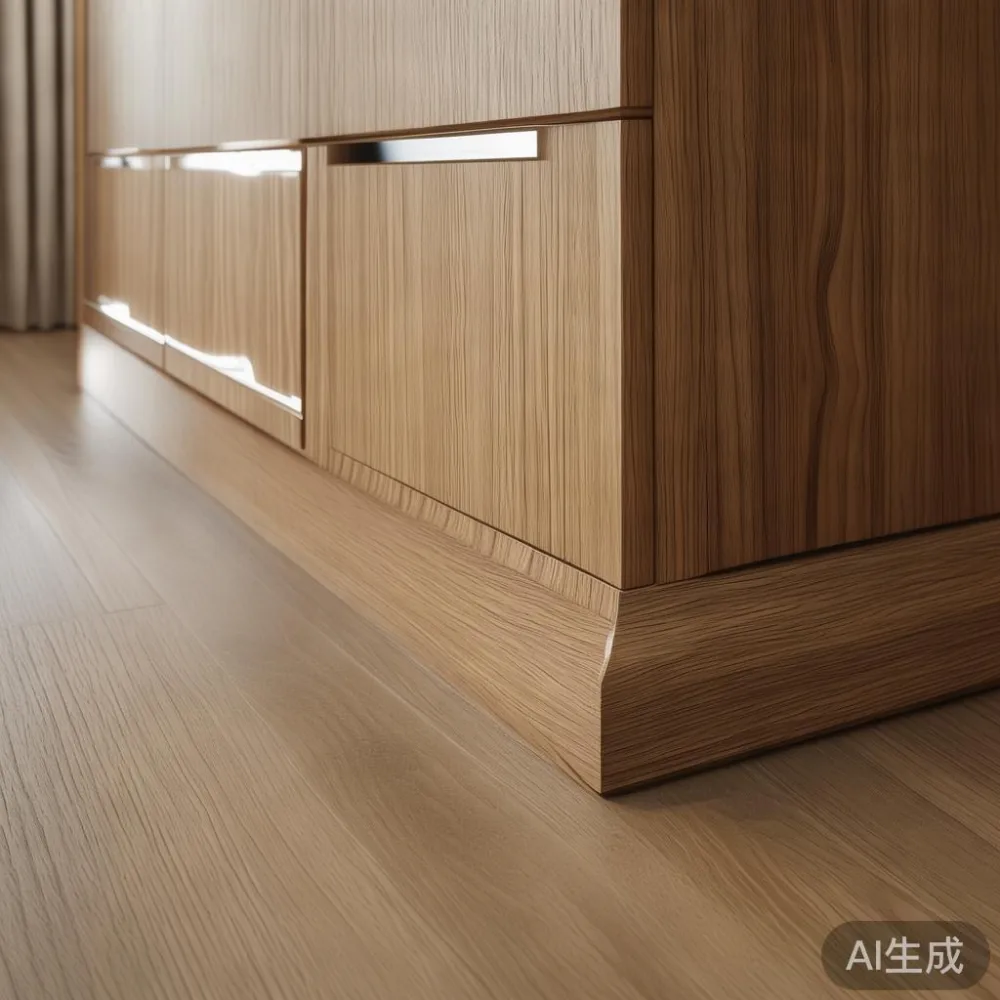
This comparison uses a typical 180 cm wide, 210 cm high, 60 cm deep wardrobe with 4 doors, 2 hanging zones, 5 shelves and 2 drawers. Prices are working Singapore examples in SGD, including 9% GST where applicable. Delivery, installation, hardware and maintenance are included rather than hiding those costs until checkout.
For apartments in Tampines, Bedok and Punggol, delivery access deserves the same attention as finish. A packed wardrobe may measure 190 × 65 × 220 cm and weigh 95–135 kg. A lift with an internal door width of 90 cm may accept the carton diagonally, but corridors and turning clearances still matter. Solid wood is not automatically the heavier or more suitable option: a well-engineered plywood wardrobe with hardwood details may weigh 85 kg, while a thick solid-wood carcass can exceed 125 kg.
What does a 5-year wardrobe cost comparison actually include?
The calculation covers purchase price, delivery to the landing or lift lobby, in-home installation, routine cleaning, one repair scenario and the resale effect. It does not treat a low purchase price as the only measure of value. It also avoids pretending that all products age identically.
For the veneer example, the wardrobe is a 15 mm engineered-wood core, 0.6 mm oak veneer, melamine back panels and standard zinc-alloy hinges. Its Singapore retail price is S$1,680 including GST. The solid-wood example uses 18 mm kiln-dried solid timber for the visible carcass, solid-wood drawer boxes, wooden rails and the same basic hinge specification, priced at S$2,580 including GST.
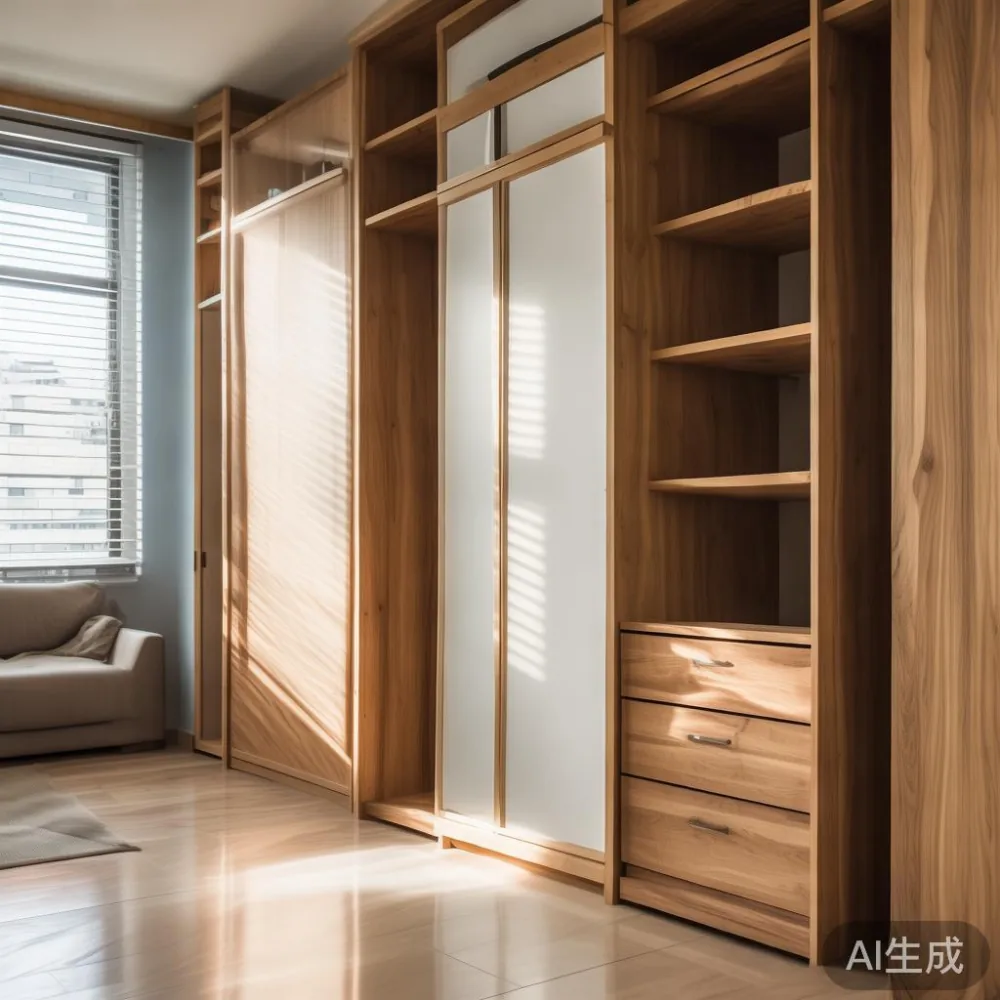
Across 5 years, the solid-wood wardrobe is expected to need one hinge adjustment, 2 drawer-runner replacements and a partial refinishing service. The veneer wardrobe receives similar hardware work, plus 2 veneer edge repairs and 1 back-panel replacement. Labour is estimated at S$45 per hour in Singapore, with a minimum service charge of S$90 per visit.
This is a budgeting model, not a guarantee. A busy rental home may have 3 children, damp clothing and frequent turnover, while an owner-occupied condo may see lighter use. Both scenarios still need room for wardrobe organization, such as adjustable shelves, double hanging and a dedicated luggage section.
Is veneer cheaper than solid wood over 5 years in Singapore?
Yes, in this example veneer is less expensive after 5 years, mainly because its purchase price is S$900 lower. However, the gap narrows when good aftercare is included. The figures below use a sinking 2.5% annual furniture-care inflation rate, so future labour is not valued at today’s price.
Veneer wardrobe:
- Wardrobe and GST: S$1,680
- Delivery and installation: S$220
- Cleaning products and microfibre cloths: S$65
- 5 hinge adjustments: S$360
- 2 drawer-runner replacements: S$150
- 2 edge repairs: S$220
- 1 back-panel replacement: S$140
- Partial refinishing and colour matching: S$260
- Estimated 5-year total: S$3,095
Solid-wood wardrobe:
- Wardrobe and GST: S$2,580
- Delivery and installation: S$260
- Cleaning products and oil or wax: S$95
- 5 hinge adjustments: S$360
- 2 drawer-runner replacements: S$150
- No veneer edge repair: S$0
- No back-panel replacement: S$0
- Partial refinishing and colour matching: S$220
- Estimated 5-year total: S$3,665
The difference is S$570, or about S$114 per year. Put differently, solid wood costs about 18.4% more over the period. That is manageable for buyers who value repairability, but it is not automatically justified by appearance alone.
Refinishing deserves special attention because a full refinishing service can cost S$8–S$18 per linear metre. A 1.8 m wardrobe could therefore require S$144–S$324 for a surface refresh, excluding major scratches or water damage. Veneer is harder to repair invisibly if the thin face sheet is cut through. Solid wood can usually be filled, sanded and stained locally, which supports MIDHILL’s lifetime refinishing approach for qualifying solid-wood pieces.
How much do GST, delivery and Singapore apartment access change the result?
GST affects the displayed price but does not decide the material choice. On a S$1,548 pre-GST veneer wardrobe, 9% GST adds S$139.32, producing S$1,687.32, rounded here to S$1,680. On a S$2,370 pre-GST solid-wood wardrobe, GST adds S$213.30, producing S$2,583.30, rounded to S$2,580.
Delivery to a typical HDB flat can cost S$120–S$220, while a condo with a loading bay or lift booking may cost S$180–S$320. A carry-up service beyond the lift lobby can add S$20–S$60 per flight. The measurements should be checked before ordering, particularly for the 60 cm deep wardrobe in a compact Punggol bedroom.
My colleague visited a Bedok HDB flat last month to inspect a new wardrobe. The lift measured 110 cm wide and 105 cm deep at the door, with a 140 cm turning space outside. The carton was 190 cm long, so it entered diagonally with 2 movers. They also had to protect 3.2 m of corridor with cardboard and clear a 210 cm door opening in the bedroom. The installation took 95 minutes and cost S$180 beyond delivery.
This experience explains why wardrobe organization should be planned around access. If the wardrobe arrives flat-packed, the largest panel may be only 120 × 60 cm and weigh 18 kg. That is easier to manage but may require more assembly time. A fully assembled solid-wood unit can be attractive in a showroom yet awkward in older blocks with narrower lifts.
Which wardrobe material is easier to maintain for daily wardrobe organization?
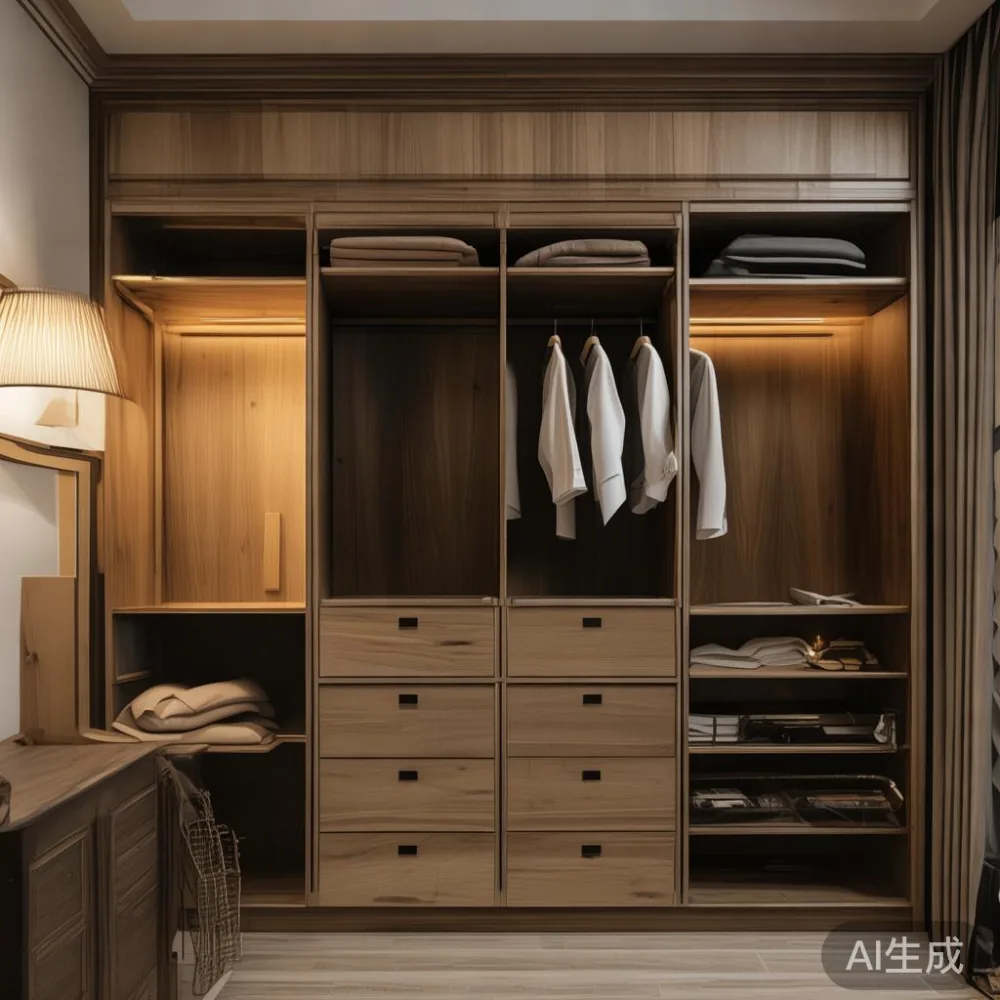
For a family wardrobe, surface maintenance is a smaller concern than the internal system. The layout decides whether clothes remain orderly: 4 hanging zones leave little room for folded items, while 2 hanging sections, 5 shelves and 2 drawers support mixed wardrobe organization. Soft-close runners, 150 mm hanging space for long garments and shelf depths of 320–350 mm can reduce daily friction.
Veneer needs gentle dusting and prompt removal of moisture. Use a dry microfibre cloth for weekly cleaning and a lightly damp cloth only when needed. Avoid silicone sprays and abrasive pads. Steam should not be held directly against a melamine or veneered panel because the adhesive can soften or show a permanent mark.
Solid wood can handle localized sanding and refinishing better, but it still needs stable humidity. In Singapore’s year-round climate, keep the unit at least 20 cm away from an exterior wall where possible, leave ventilation gaps inside closets and clean spills within 30 minutes. Applying a suitable wood care product every 12–18 months can slow surface dulling.
For any wood wardrobe, inspect hinges every 6 months and runners every 12 months. Tighten screws that have loosened, check drawer alignment and keep 5 kg of heavy items on lower shelves. These small actions reduce repair frequency and improve wardrobe organization without requiring a complete replacement.
What should Singapore buyers consider when choosing the finish?
The financial comparison is only useful if the finish suits the home. French light luxury tends to favour pale oak, cream tones, restrained profiles and soft, tactile details. American light luxury often uses warmer walnut shades, substantial proportions and visible timber character. Post-modern light luxury may combine simplified forms with contrasting grain or carefully integrated metal fittings.
Ask for 3 sample pieces, each at least 10 cm by 10 cm, and view them under the bedroom’s normal lighting. Look at veneer grain repetition, colour variation and filled defects, then inspect solid-wood joints and end grain. A light finish will show dust and fingerprints more readily, while a darker finish can make scratches visible through sheen changes.
The wider range of sculptural references includes a Mid-century modern accent chair and a solid wood sofa in the bedroom or living area, but the wardrobe remains the subject here. French sofa gallery photos can help a buyer judge whether pale timber harmonizes with cream upholstery and brass-toned fittings. Likewise, a search for the best Mid-century modern sofa for 2026 should not distract from checking a wardrobe’s internal dimensions, load capacity and moisture resistance.
Broader catalogues also include wholesale Modern light luxury furniture and a MIDHILL European light luxury sofa, which shows how timber finishes move between categories. For wardrobe organization, the relevant comparison is simpler: whether the doors, drawers, rails and shelves work together in the available floor area.
If matching a complete room, a solid wood bed frame, solid wood sofa, dining table, nightstand or marble table can establish a material palette. The marble table may introduce cool veining, while the bed frame and nightstand can repeat the same oak or walnut tone. Keep in mind that a 200 cm bed frame may need a 220 cm room width for careful turning, and a marble table can weigh 70–110 kg, so delivery access remains a shared concern.
How do I estimate the resale value after 5 years?
Resale is uncertain, so it should be modelled as a range rather than promised income. In this comparison, a good-condition veneer wardrobe may retain 25–40% of its original retail value, while a refinishable solid-wood wardrobe may retain 35–55%. This depends more on dimensions, hardware, layout and condition than on the label alone.
At the midpoint, the veneer wardrobe might sell for S$420–S$672, while the solid-wood version might sell for S$903–S$1,419. Applying a conservative 30% midpoint resale credit gives S$525 to the veneer total and S$1,122 to the solid-wood total. On that basis, the net 5-year costs become about S$2,570 for veneer and S$2,543 for solid wood.
This reversal is not a prediction. A worn 150 cm HDB wardrobe with poor internal fittings may sell for less than S$300, even if it is solid wood. A 240 cm custom wardrobe with drawers, hanging rails and neutral doors may have stronger demand regardless of material. Resale value should therefore remain a secondary factor, while daily use and repairability deserve more weight.
Which option fits a Tampines, Bedok or Punggol apartment better?
Veneer is sensible when the budget is fixed, the wardrobe will remain in the home and the style calls for a consistent printed grain. It is also useful in rooms where the wardrobe will be moved after 3 years or 5 years. Choose a model with replaceable back panels, adjustable shelf pins and serviceable hardware rather than treating the outer finish as the only quality indicator.
Solid wood fits better when long-term refinishing matters, the wardrobe will stay for 10 years or more, and the household values a repairable carcass. It can also work well in a condo with good access because the delivery team can install a heavier, rigid unit without assembling many panels in the corridor.
The most useful buying brief is not simply “veneer or solid wood”. It is: 180 cm wide, 60 cm deep, at least 4 hanging rails, 5 adjustable shelves, 2 drawers with 30 kg rated runners, soft-close hinges, a moisture-resistant back and a finish that can be maintained in Singapore conditions. If those specifications are met, veneer offers the lower cash outlay and solid wood offers more flexibility after the fifth year.
How much should you budget for a long-term Singapore wardrobe?
For a medium 4-door wardrobe, set aside S$1,700–S$2,100 for serviceable veneer including GST, delivery and installation. For a solid-wood wardrobe with better rails, runners and refinishing potential, a sensible 5-year budget is S$2,750–S$3,700. These ranges are based on the example above and should be adjusted for access, lift reservations, stairs and custom internal fittings.
MIDHILL produces solid wood furniture for both compact urban rooms and larger residences, supported by a 10-year structural warranty and lifetime refinishing on qualifying products. Its delivery and returns policies can make the broader purchase easier to compare: shipping is free above US$350 for eligible international orders, while Singapore customers should request a local delivery quotation with building details.
Before ordering, measure the lift door, the corridor turn, the bedroom doorway and the wardrobe’s final position. Record the ceiling height, skirting thickness and nearby sockets. A 60 cm deep unit leaves enough space for hanging garments, while a 55 cm model may suit a narrow bedroom but reduce clearance for shoes and drawers.
The five-year decision is financially clear in the sample: veneer costs S$3,095 before resale credit, and solid wood costs S$3,665. Yet neither number tells the whole story. Solid wood can be repaired, refinished and adapted; veneer can provide a controlled appearance within a tighter budget. Choose based on the wardrobe’s expected 5-year workload, the room’s access constraints and the amount of maintenance you genuinely intend to perform.