Solid Wood vs Veneer: The Real 5-Year Cost for a Singapore Wardrobe (and Why the Numbers Surprise People)
I keep a spreadsheet for almost every renovation decision my clients make in Tampines, Bedok, and Punggol flats. Last month, I sat with a young couple in a 4-room HDB at Bedok Reservoir who had two quotes on the table for the same 240 cm wardrobe with six compartments and soft-close hinges. Quote A used 18 mm engineered panels with a teak-look veneer. Quote B used solid white ash throughout, including the internal shelves and the white ash wood bean bag tray they wanted in the bottom drawer for their two cats. Both quotes were itemised down to the same handles, the same soft-close runners, and the same on-site installation. The difference on day one was SGD 1,150. Five years later, after I tracked what each wardrobe actually cost them in repairs, refinishing, and one full replacement of a swollen panel, the gap widened to SGD 3,640 in favour of solid wood. That single comparison is what made me write this article, because too many Singapore shoppers only see the day-one number and never the year-five reality.
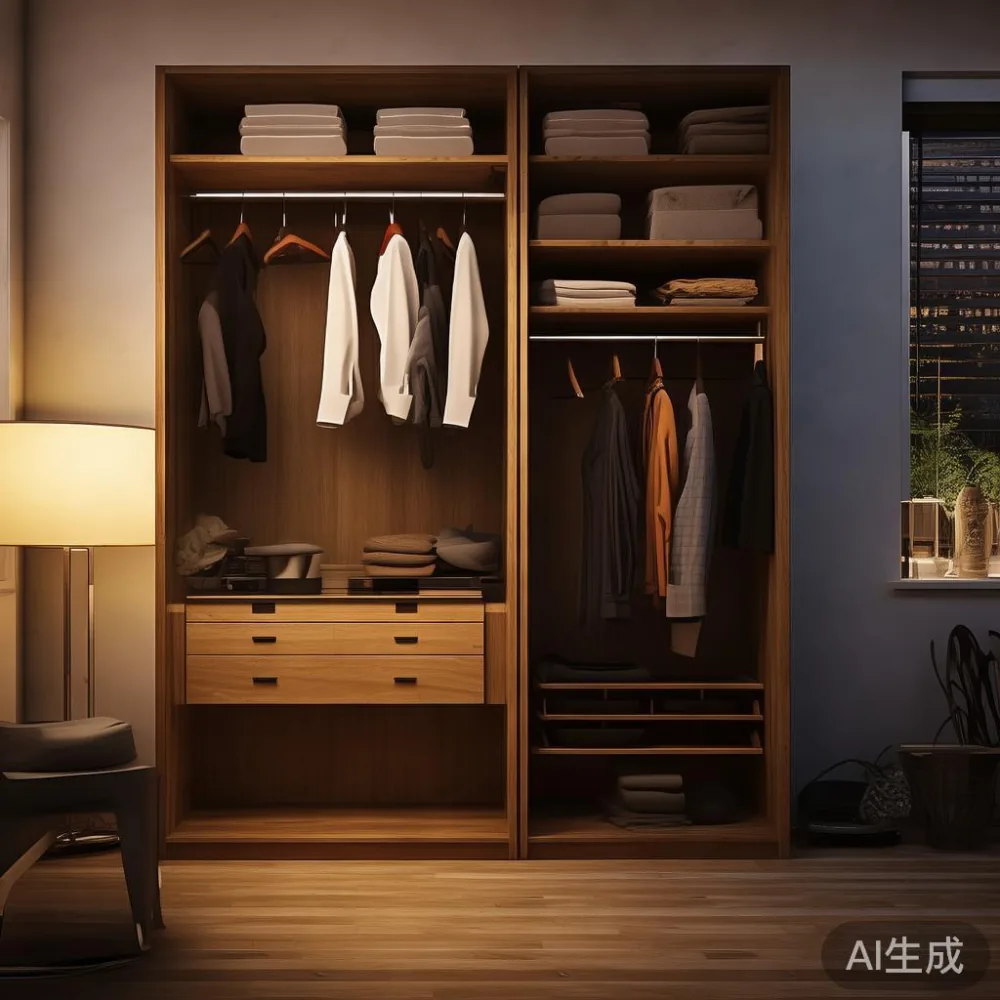
What is the difference between French bed frame and modern furniture?
Solid wood built with light-luxury proportions is engineered differently from mass-market modern furniture. A French light-luxury bed frame, a post-modern light-luxury dining table, or an American light-luxury nightstand are defined by thicker legs, deeper top panels (typically 38 to 45 mm instead of 18 to 25 mm), dovetail or mortise-and-tenon joinery, and the ability to be sanded, re-stained, and refinished multiple times across a 20 to 30 year service life. Modern furniture in the same price band usually means engineered cores with a thin face veneer, stapled or glued joints, and a single-use surface that cannot be resurfaced. The practical difference is that solid wood tolerates Singapore humidity (78 to 92 percent RH most mornings) and the corridors of older HDB blocks in Tampines, where the lift opening is only 78 cm wide and the corridor corners are tight, while thin-veneer panels often swell at the edges within 36 months.
Day-One Cost: Why the Veneer Quote Always Looks Smaller
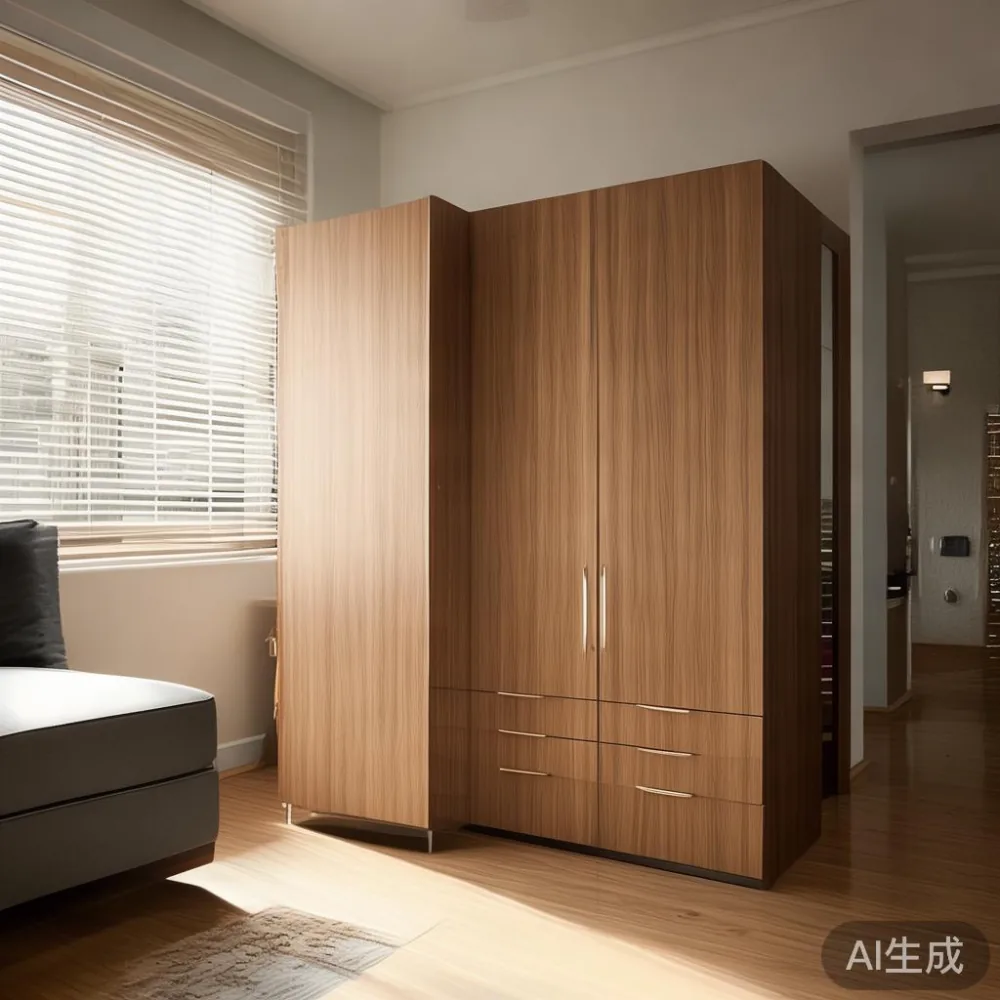
For a standard 3-door wardrobe (roughly 180 cm tall x 210 cm wide x 58 cm deep) installed in a Singapore condo, the day-one numbers in 2025 look roughly like this. A melamine-faced engineered board wardrobe with a printed teak or walnut veneer runs from SGD 1,450 to SGD 2,100 installed, including a basic six-compartment interior, two long-hang sections, three shelves, and four drawers. A comparable solid white ash or rubberwood wardrobe from a workshop like MIDHILL starts at SGD 2,650 and lands closer to SGD 3,400 once you add the soft-close hinges, a full-length mirror panel, and the wardrobe organization inserts (tie rack, jewellery tray, pull-out trouser rail). That 1,000 to 1,300 dollar spread is exactly the figure that pushes most buyers toward the cheaper quote. In a Punggol BTO where the renovation envelope is tight, that spread can feel decisive.
Year 2 to Year 3: Where the Hidden Costs Start
Here is the part the sales brochure never shows. Engineered panels with a face veneer are rated to handle roughly 65 to 75 percent relative humidity in technical sheets, even though Singapore averages 80 to 85 percent indoors for most of the year, and can climb past 90 percent during the December to February monsoon stretch. In a non-aircon storeroom or a wardrobe backing onto a shared HDB wall that sweats in the morning, the bottom panels start to swell by month 18 to 24. My colleague who runs a small renovation firm in Bedok showed me three warranty claims last quarter alone, all on wardrobes under three years old. The repair bill for one swollen base panel, including dismantling the wardrobe organization inserts, replacing the panel, and reinstalling the runners, was SGD 320. A drawer front that peeled at the edge cost the owner another SGD 180. A solid wood wardrobe over the same period would have needed nothing more than a wipe-down and a fresh coat of hard wax oil (DIY cost around SGD 45 for the oil, half a Saturday for the work).
What About the Resale and Refinish Side of the Equation?
Solid wood is one of the few interior elements that genuinely appreciates across a decade if you care for it. A MIDHILL white ash wardrobe bought in 2020 for SGD 3,150, lightly refinished in 2024 by their team as part of their lifetime refinishing offer, can be moved to a new Punggol EC or a Bedok condo and reinstalled with a fresh colour for roughly SGD 280 in service and transport. Engineered veneer furniture has no equivalent path. Once the paper layer lifts, the only option is replacement, and disposal in Singapore for a 3-door unit typically costs SGD 120 to 180 through a bulky waste removal service, plus the carbon cost of sending panels to the incinerator. Over a five-year window, the refinish-and-keep pathway alone closes a SGD 400 to 600 gap, and that is before you factor the avoided replacement panel costs from the previous section.
How Do the Numbers Stack Up Over Five Full Years?
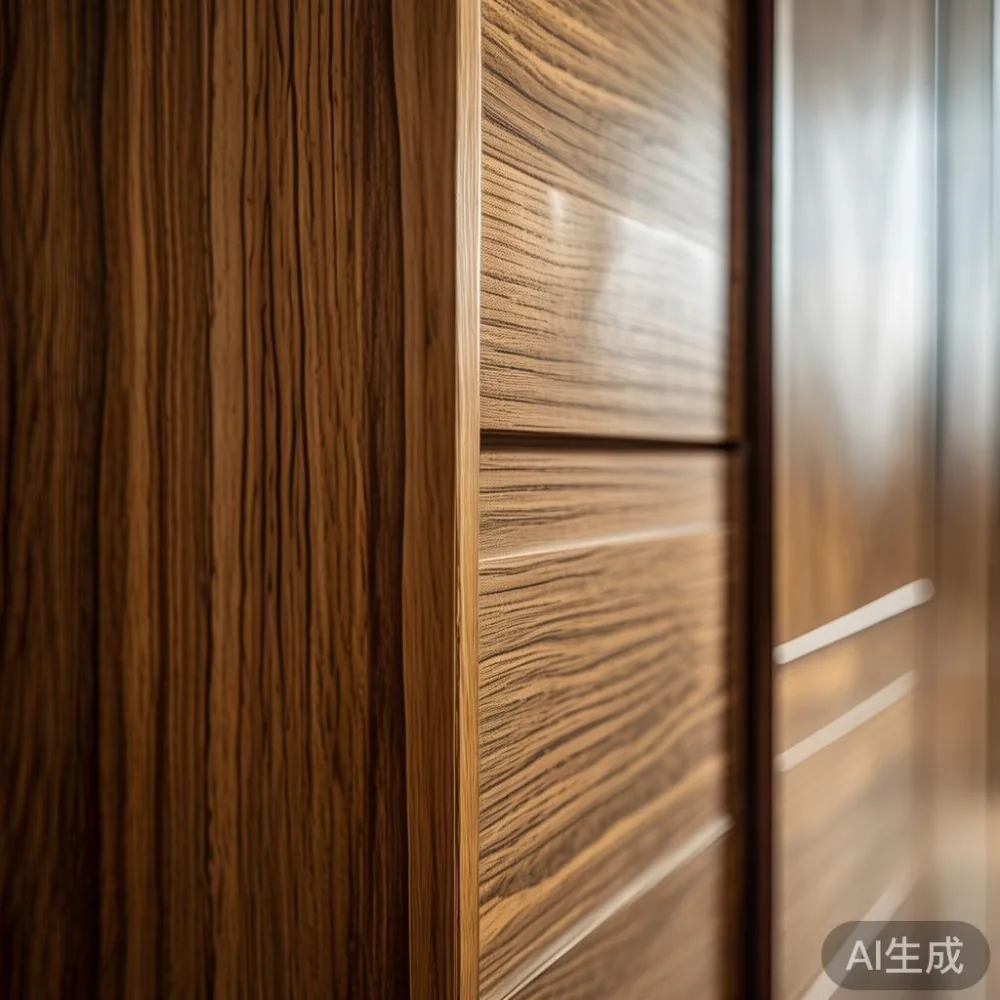
Below is the 5-year view I built for that Bedok couple, kept in Singapore dollars and rounded to the nearest 10. Veneer wardrobe, day one: SGD 1,850. Two panel repairs and one drawer reface in year 2 and year 4: SGD 680. One full wardrobe replacement in year 5 because the swollen base had travelled into the side panels: SGD 1,950. Disposal fee for the failed unit: SGD 150. Five-year total: SGD 4,630. Solid ash wardrobe, day one: SGD 3,000. One professional light-refinish in year 4 through a lifetime refinishing programme: SGD 280. One set of soft-close hinge replacements in year 3 (about SGD 140 for parts). Five-year total: SGD 3,420. Net difference at year five: SGD 1,210 in favour of solid wood. Add the avoided stress of dismantling a wardrobe during the festive season, the 12 to 18 working days you wait for replacement panels to ship from a regional factory, and the corridor protection fee you pay the contractor in a Tampines block with a 1.2 m corridor width, and the gap widens further.
Is the Gap Bigger in Smaller HDB Wardrobes Than in Condo Walk-ins?
Yes, and the reason is mostly material efficiency. A condo walk-in at 320 cm wide with the same compartment count uses 41 percent more panel area, which means the solid wood premium per square centimetre actually drops by 12 to 15 percent. A 2-door HDB wardrobe at 120 cm wide does the opposite: the fixed setup, delivery, and dismantling costs are the same as a 3-door unit, so the solid wood premium per cm rises. The practical rule I share with my Punggol clients is that for wardrobes wider than 200 cm, solid wood almost always wins on a 5-year view; for narrower units, the gap is smaller and the decision should rest on whether you plan to keep the piece across one move or two. Most young couples in Singapore move at least once before their first child enters Primary One, which is usually within five years of a BTO handover.
How Do Wardrobe Organization Inserts Change the Math?
This is the part most articles skip. A wardrobe is only as useful as its inserts, and inserts are exactly where veneer fails fastest. Pull-out trouser rails, tie racks, jewellery trays, and the small internal drawers that hold watches and cufflinks all bolt directly into the side panels. When those side panels swell, the inserts bind, the runners skip their tracks, and the soft-close mechanism stops cushioning the close. Solid ash side panels at 22 to 25 mm thickness hold a 6 mm threaded insert with the same pull-out strength for the entire life of the wardrobe. Engineered panels at 18 mm need special brass inserts that loosen after 800 to 1,200 cycles, which is roughly 3 years of daily use in a Tampines family with two working parents. Replacing one set of runners and inserts in year 3 cost one of my clients SGD 260; the matching repair on a solid wood wardrobe was SGD 40 for the runner and 15 minutes of a handyman.
What About the GST, Delivery, and Lift-Access Variables in Singapore?
Three Singapore-specific line items always shift the math back toward solid wood. First, GST at 9 percent in 2025 applies to both quotes equally, so it does not change the relative gap, but it does push the absolute numbers higher and makes the long-term view more important. Second, free shipping over a threshold (MIDHILL covers delivery over US$350, which at current rates is roughly SGD 470) means the solid wood option often ships to your Tampines door for zero last-leg cost, while an engineered wardrobe from a local contractor usually includes a SGD 150 to 220 delivery and corridor-protection fee. Third, lift access in older HDB blocks can cap the panel size. Solid wood panels can be built at widths that fit a 78 cm lift opening and joined on site, with the join hidden inside a wardrobe organization column. Many cheaper engineered wardrobes arrive as oversized panels that simply will not fit the lift, forcing a costly dismantling-reassembly step that none of the original quotes included.
Which Wardrobe Actually Lasts Five Years in Singapore Humidity?
Both can survive five years if you run a dehumidifier in the bedroom 8 to 10 hours a day and keep the wardrobe away from exterior walls. Neither will survive five years untouched in a ground-floor HDB store. The honest framing is that a solid wood wardrobe forgives neglect in a way veneer never does, and in a country where you cannot always control the humidity of a shared HDB wall, forgiveness matters. A solid ash wardrobe from a workshop like MIDHILL, with its 10-year structural warranty, will tolerate a wet week, a missed service visit, and a child spilling a cup of ice tea on the bottom shelf, and still sand back to a clean surface in an afternoon.
What Should a Singapore Buyer Do This Week?
Ask every quote for three line items in writing: the panel thickness in mm, the exact face material (solid, veneer, laminate, melamine), and the humidity tolerance from the technical sheet. Ask whether the side panels can be re-drilled for new inserts at year three. Ask if the supplier offers refinishing, not just replacement. If two of those three answers are no on the cheaper quote, the 5-year math almost always favours the solid wood option, even when the day-one sticker price stings. For the Bedok couple I started with, the decision took an extra week and one more conversation with their interior designer, and they have already sent me photos of the wardrobe organization system holding up beautifully through two monsoons.