Maintaining Lacquered Cabinets in Singapore’s Climate
Lacquer can give a wardrobe the calm, reflective finish associated with French light luxury or American light luxury, but Singapore’s heat, humidity, salt-laden air, and frequent hand contact demand a careful routine. In an HDB flat in Tampines, a lacquered wardrobe may sit beside a narrow bedroom wall and receive warm air from a shared corridor. In a Bedok or Punggol condo, it may overlook glazing that admits strong ultraviolet light. The finish can remain attractive with sensible habits, but trapped moisture, abrasive dust, and sudden temperature changes deserve attention.
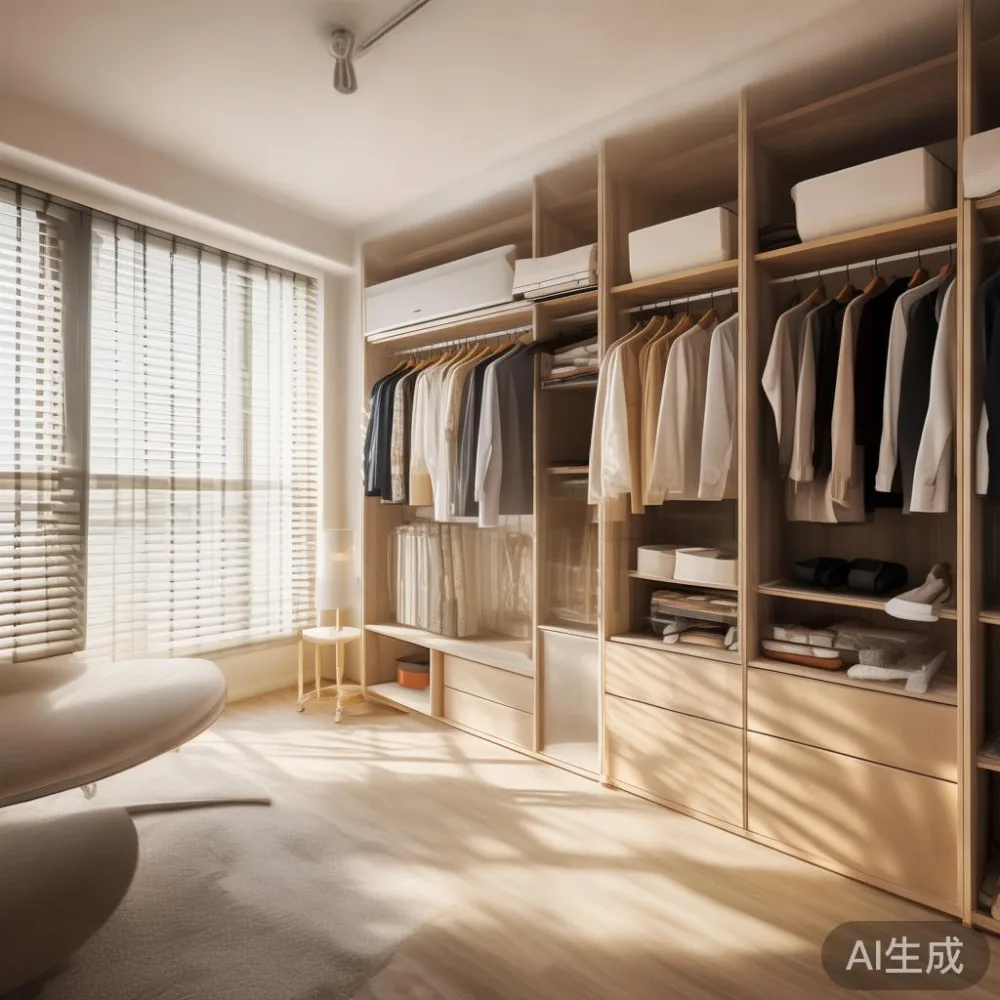
This guide focuses on lacquered wardrobe organization rather than broad furniture care. The wardrobe may be paired with a solid wood bed frame, nightstand, dining table, or solid wood sofa, yet those pieces should not be treated with products intended for lacquer. For product specifications, delivery questions, or a quote in SGD, MIDHILL can assess the actual finish, dimensions, and access route before a custom order is prepared.
What makes lacquer behave differently in a tropical climate?
Lacquer is a cured surface layer, not a thick, forgiving skin like many solid wood finishes. It can look sleek and light, but scratches may become visible when the surface is viewed at an angle under a 400-lux bedroom lamp. Singapore’s outdoor relative humidity often ranges from about 70% to 90%, while air-conditioned rooms may be held near 50% to 65%. Repeated movement between these conditions can stress lacquer, veneer, or engineered components behind it.
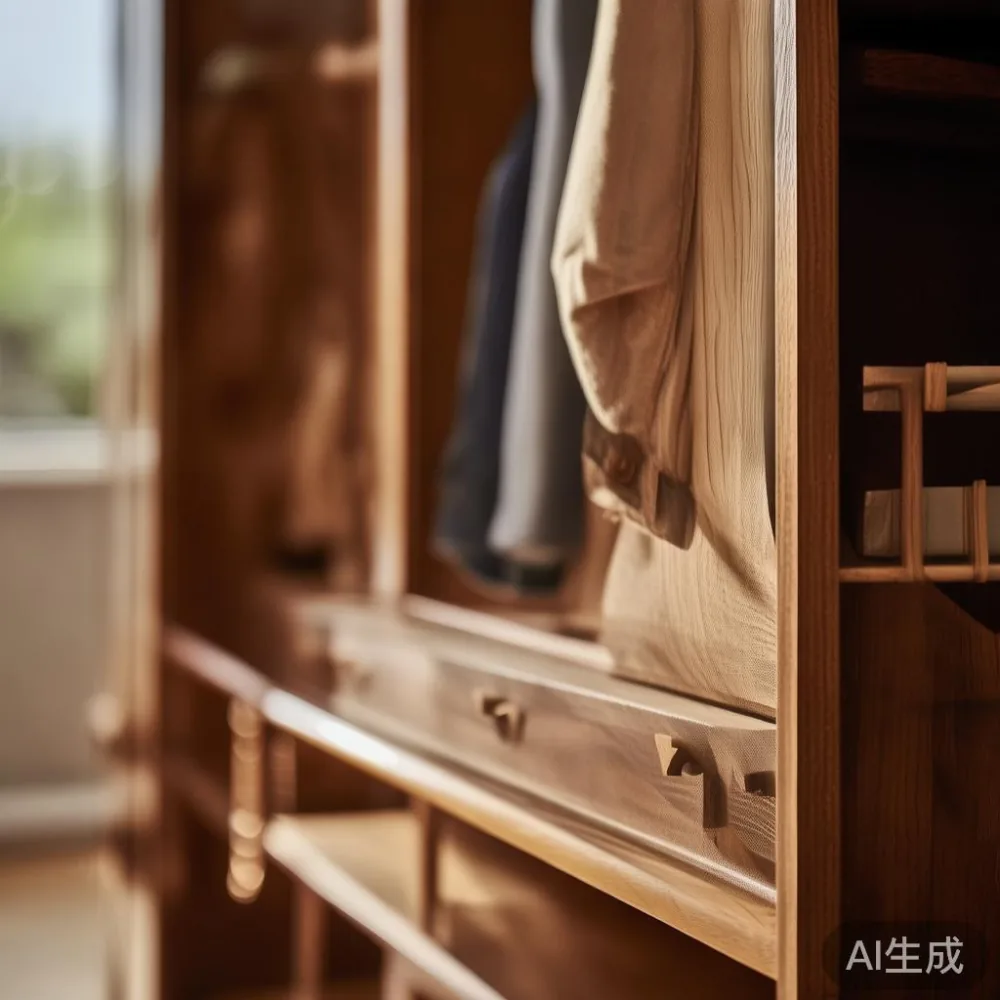
Heat is another factor. A wardrobe near a west-facing window in Tampines could reach 38°C during a sunny afternoon, compared with approximately 25°C in an air-conditioned corridor. Lacquer generally tolerates normal indoor variation, yet prolonged direct sun can fade the finish, raise surface temperature, and make cleaning harder. Keep the wardrobe at least 30 cm from an exterior wall where possible, and at least 60 cm from a bathroom doorway or washbasin.
The goal is not to fear the material. It is to control moisture, light, friction, and time. For wardrobe organization, place frequently used cotton shirts on upper shelves, folded knitwear on middle shelves, and shoes in a lined lower compartment. Leave 5 cm around movable drawers where the mechanism allows, because forcing a drawer can transfer force to lacquered front panels and hinges.
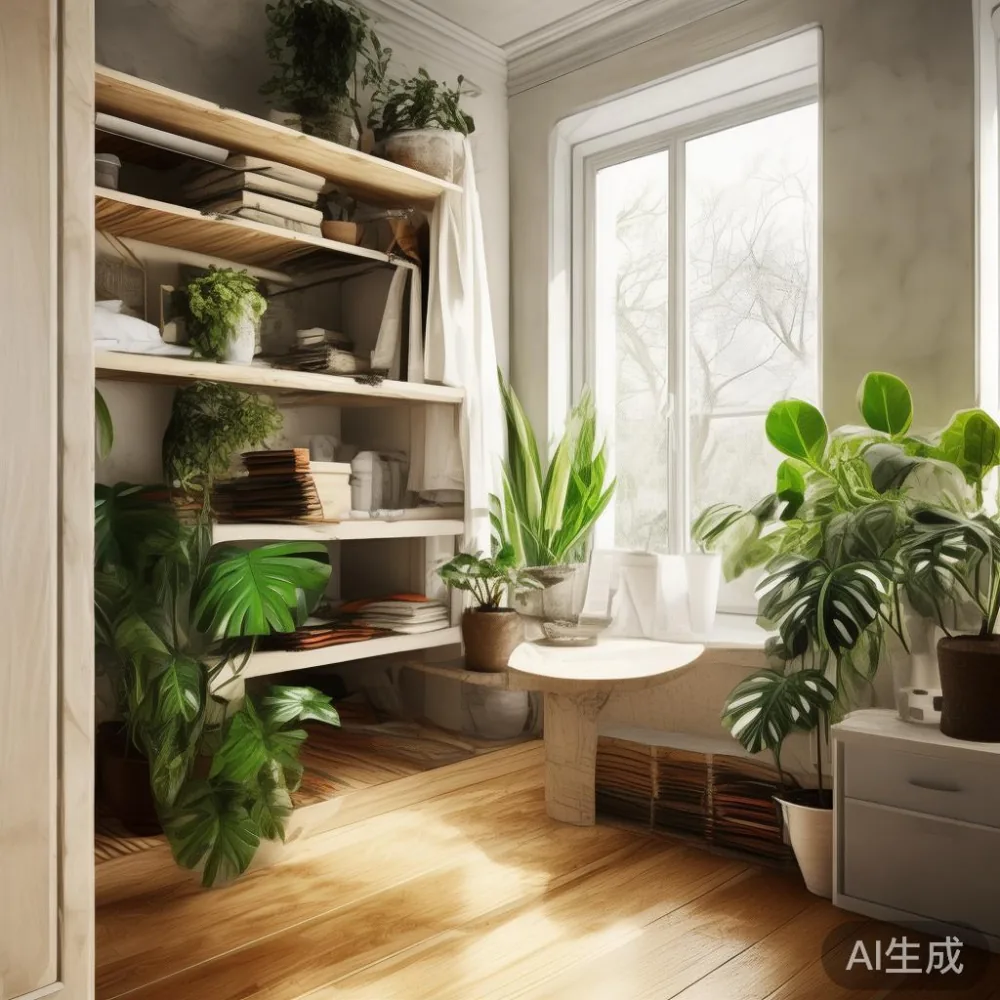
How should I clean a lacquered wardrobe every week?
Begin with a soft, dry microfibre cloth folded into a square about 20 cm by 20 cm. Dust the top edges, side panels, door faces, handles, and the narrow gaps around the wardrobe organization inserts. Avoid circular scrubbing. Use short, gentle strokes of roughly 10 cm, moving from the top downward so dirt does not fall onto clean areas.
For a weekly clean, lightly dampen a separate cloth with plain water. The cloth should feel barely moist, not wet; hold it against a dry paper towel and wait 5 seconds. Test an inconspicuous area, preferably 10 cm above the floor behind a door, for 24 hours. Wipe with the grain or panel direction, then dry immediately with a clean cloth.
Do not use ordinary household glass cleaner on lacquer. Many products contain alcohol, ammonia, silicone, or abrasive particles. Do not spray cleaner directly onto a wardrobe: spray 3 pumps into a bowl, dampen the cloth, and wipe a 30 cm by 30 cm section. This controlled application reduces liquid around joints and handles.
A useful Singapore schedule is a 5-minute dry dust every 7 days and a slightly damp clean every 14 days. In a corridor near a lift, where dust may settle faster because of traffic, use a covered shoe station and a washable mat measuring about 60 cm by 90 cm. Keep grit away from the wardrobe, since one grain dragged across lacquer can create a visible line.
How do I protect lacquer from humidity, sunlight, and insects?
Position the wardrobe away from air-conditioning outlets. A direct stream of cold air can create repeated condensation on the finish, especially during the first 20 minutes after a room changes temperature. Maintain indoor humidity near 50% to 60% with a dehumidifier when readings exceed 65%. Place the device at least 1 m from the wardrobe and empty its tank every 2 days during humid periods.
Use blinds or curtains in a condo with west-facing windows. For a bedroom receiving direct sun for 3 hours each afternoon, a blackout curtain can reduce solar exposure without blocking ventilation. Lacquered wardrobe organization works better when the room is shaded, because less heat means less hand oil and dust becoming sticky on the surface.
Inspect the perimeter every 30 days with a flashlight. Look for swelling, lifted edges, mould spots, or tiny bubbles around a drawer front. Wipe suspected mould only after confirming that it is superficial: wear a mask, use a lightly damp white cloth, and avoid bleach. Persistent black or green marks require professional assessment rather than repeated scrubbing.
For insects, check the back panel and skirting from time to time. Singapore’s humid conditions support silverfish and other small pests, although they are not proof of poor lacquer care. Keep paper, fabric, and cardboard 20 cm away from the floor where possible, and clean the floor beneath the wardrobe every 2 months. Do not leave chemical mothballs touching lacquer; their vapour can affect some finishes and nearby fittings.
Can a small Singapore bedroom accommodate a lacquered wardrobe?
Yes, provided the wardrobe is planned around the room, not simply placed by its door swing. In many HDB layouts, a standard wardrobe width of 120 cm may be more practical than 180 cm because corridors and common lift lobbies can limit turning space. A condo may allow a wider unit, yet the delivery route still matters.
Before ordering, measure the lift car, lift door, corridor turns, bedroom doorway, and final wardrobe position. Record the narrowest access dimension in centimetres, then subtract 4 cm for packaging clearance and handling. For example, a 78 cm lift opening may rule out an unboxed 82 cm wardrobe unless it is delivered in modules. Check whether the corridor includes a 90 cm fire hose reel cabinet, a meter box, or a recessed door that reduces usable width.
A 60 cm deep wardrobe can suit many Singapore bedrooms, but 55 cm may be enough for hanging garments when the rail and drawer arrangement are refined. Keep the nightstand within 40 cm of the bed frame where circulation permits, and avoid blocking a 60 cm path from the bedroom door to the window. Good wardrobe organization can make the room feel lighter without crowding the walking route.
If the bedroom is a guest room, the styling question can be simple: Japanese for guest room often suits a quiet, uncluttered arrangement with pale timber, linen, and concealed storage. Compare a Japanese bed vs Modern bed by considering headboard thickness, floor clearance, and whether the mattress sits low. Neither choice changes the lacquer-care rule: use a soft cloth and avoid wet products.
How should I handle scratches, stains, and peeling?
For a fresh fingerprint or oil mark, wait 10 minutes after touching the surface, then wipe with a clean microfibre cloth. If the mark remains, use a barely damp cloth and dry the area immediately. Work on a small 5 cm section first. More pressure is rarely helpful; it can polish one area differently from the surrounding finish.
Do not use baking soda, toothpaste, steel wool, magic erasers, or scouring pads. Each contains particles or abrasive chemistry that can dull lacquer. For a scratch, photograph it under daylight and under a 400-lux lamp, then ask the supplier whether the finish can be refinished. A repair kit may help with a shallow mark, but deep scoring, lifting, or a 2 cm chip needs a trained refinisher.
If a lacquered panel is peeling, protect the area from handling and remove nearby objects that might catch the loose edge. Keep pets and humid plants at least 50 cm away. Do not apply glue, tape, correction fluid, or cooking oil. These temporary fixes can stain the surrounding surface and make a professional repair more difficult.
What should I know about delivery, GST, and product care?
Singapore delivery usually takes 7 to 14 days for a made-to-order wardrobe, subject to the finish, dimensions, and current production schedule. A stock or modular arrangement may arrive in 3 to 10 days. For a condo, confirm loading-bay hours, lift booking, and the maximum trolley size. For an HDB flat, check whether the delivery team must use the staircase or whether a service lift is available.
Ask for the product price in SGD and whether GST is included. A wardrobe quoted at SGD 2,480, for example, should be accompanied by a clear breakdown before payment. Do not assume that a French-style or post-modern light luxury description includes lacquer protection; request the exact finish name, sheen level, and care instructions. A solid wood dining table, solid wood sofa, bed frame, or nightstand may use a different maintenance system, so products should be labelled individually.
MIDHILL has exported solid wood furniture since 2008, including wardrobes for homes in more than 15 countries. For local customers, the relevant questions are practical: Can the wardrobe be delivered in sections, what is the packed weight, and how will the installers protect the corridor? A 10-year structural warranty addresses construction concerns, while lifetime refinishing may apply to eligible solid wood components under its stated terms; confirm whether lacquered panels are included.
For households comparing European furniture, the phrase for sale European furniture can describe many styles, but finish care must be specified in writing. For bedroom inspiration, how to style French wardrobe in bedroom pairs a pale, calm palette with open shelving, while a French bed vs Italian light luxury bed comparison usually comes down to silhouette, materials, and proportion. A marble table in the same room may need separate stone-care guidance, and a solid wood sofa should never be cleaned with a lacquer-specific solvent.
What is a realistic maintenance routine?
A simple routine can protect a lacquered wardrobe without making household management feel complicated. Keep a 20 cm microfibre cloth, a soft brush with 2 cm bristles, and a small bowl nearby. Check the surface every 7 days, inspect the seals every 30 days, and perform a deeper clean every 90 days. Record humidity with a small meter placed at wardrobe height, not on the floor.
During Singapore’s wettest months, wipe the exterior every 10 days if it is near a window or exposed to salt air. In air-conditioned bedrooms, avoid sudden changes from a 30°C room to a 22°C corridor; let the wardrobe acclimatise for 30 minutes before wiping. Use coasters and trays for water, perfume, hand sanitiser, and food oils. These items can contain ingredients that leave a lasting mark even after a surface appears clean.
My colleague in Singapore tested this method last month on a 120 cm lacquered wardrobe in a Tampines flat. She used 3 pumps of plain water on a cloth, wiped a 30 cm section, and checked it after 24 hours. No haze appeared after 14 days of daily light dusting. She also placed the wardrobe 40 cm from a window with a sheer curtain and found that the finish stayed easier to wipe than one exposed to afternoon sun. The result is a useful reminder that modest changes in placement can reduce maintenance.
For a French light luxury bedroom, keep pale textiles, a solid wood bed frame, and a restrained nightstand arrangement. For a smaller HDB room, open shelving can reduce visual weight when compared with a full-height cabinet, provided hanging space remains adequate. When the wardrobe organization includes drawers, use runners rather than overfilled piles, and leave each drawer able to close within 5 seconds of gentle pressure.
Finally, inspect the lacquer under different light before accepting delivery. Look at it upright, at seated eye level, and from 1 m away with a 300-lux lamp. Photograph any existing marks in the room’s daylight, including the door edges and handles. If the finish is sound, clean it before arranging wardrobe organization inserts; if it is damaged, document the area before installation.
Good care is measured in minutes and consistency: 5 minutes of weekly dusting, 30 seconds after a spill, and a 30-day moisture check. Those habits help a lacquered wardrobe retain its clean lines through Singapore heat, humidity, lift corridors, and daily family use. For a specific quote, measure the access route, confirm the finish details, and request the care and warranty terms in SGD before placing an order.