How Humidity Affects Wood Furniture in Singapore Homes
Singapore’s warm, humid climate can change solid wood more noticeably than most shoppers expect. In an HDB flat in Tampines, a wardrobe may face approximately 70% relative humidity on a rainy afternoon. In a Bedok condo near the coast, salt-laden air and steady air-conditioning can produce a different daily cycle: about 58% humidity at night and 75% by late afternoon. Wood responds to that cycle by expanding, contracting and, over several years, developing small checks around joints. This guide explains how to protect a wardrobe, bed frame, dining table, nightstand, solid wood sofa or marble table while keeping the interior organised and visually calm.
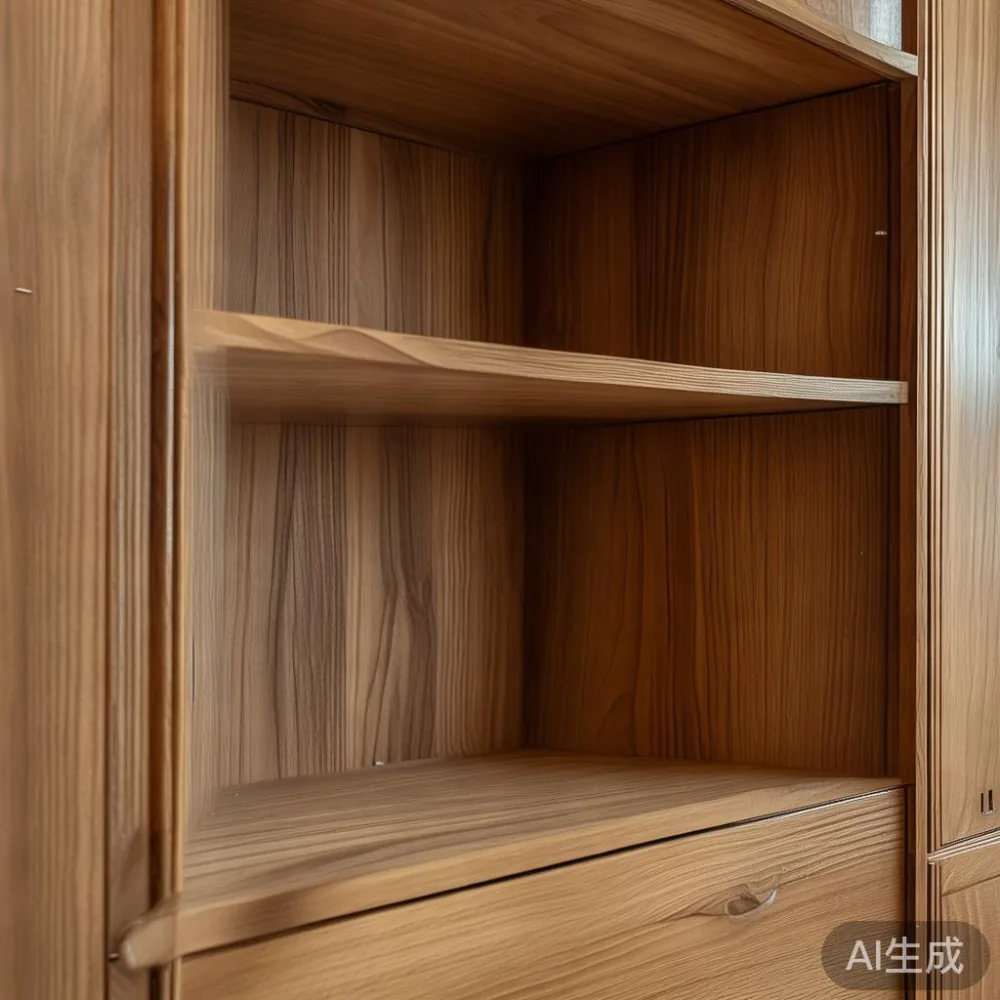
Why does Singapore humidity make solid wood furniture move?
Wood is hygroscopic, which means it takes in moisture when the surrounding air is humid and releases it when the air becomes drier. A 180 cm wide solid oak wardrobe door may gain roughly 1–3 mm of width during a high-humidity period. An air-conditioned bedroom at 24°C and 55% relative humidity may draw enough moisture from the timber to cause a modest contraction by morning. The movement is normal, but rapid changes, trapped moisture and poor coatings can make the movement visible.
The main risk is not simply a wet surface. It is a combination of high humidity, weak ventilation and long contact with walls or floors. A wardrobe placed against an exterior wall in Punggol should have a 3–5 cm ventilation gap at the rear where the design allows it. Keep it away from bathroom-adjacent laundry areas, dripping air-conditioning pipes and windows that remain open during heavy rain.
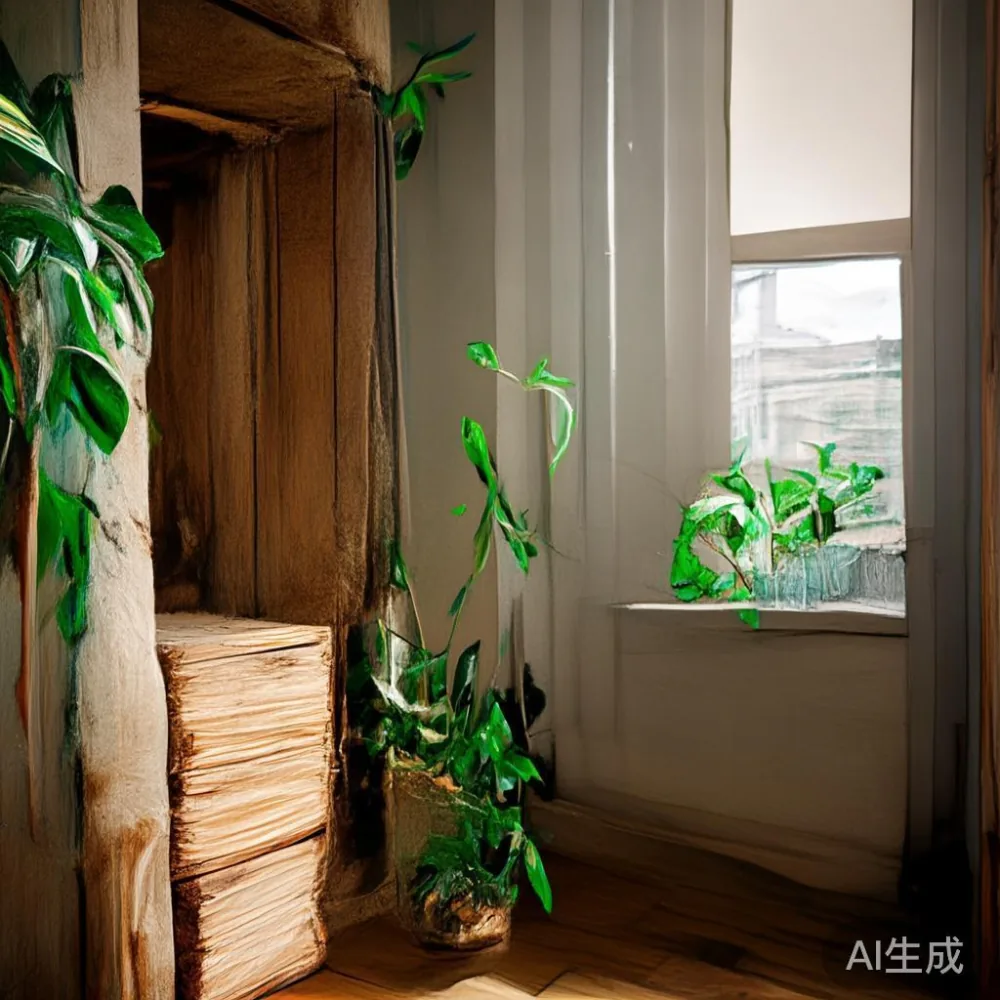
Singapore households often experience 8–12 hours of air-conditioning daily, with overnight temperatures near 24–26°C. Direct vents should not blow continuously onto a wardrobe or bed frame. Set the fan or air-conditioning to an automatic or low-continuous mode, maintain sensible indoor humidity, and inspect moving parts twice each year. For a new installation, allow the furniture to acclimatise in its final room for about 7–14 days before loading it heavily.
What relative humidity level is comfortable for a wardrobe?
A practical indoor target is approximately 45–60% relative humidity, with small fluctuations preferred over repeated extremes. In Singapore, outdoor readings may range from 65% to 95%, so the indoor environment is the one to measure. A simple hygrometer placed near, rather than directly against, the wardrobe costs about SGD 15–35 and gives a useful baseline. Record the reading at 8 a.m. and 8 p.m. for 7 days. If the display regularly exceeds 65%, improve ventilation or use a dehumidifier rated for the room volume.
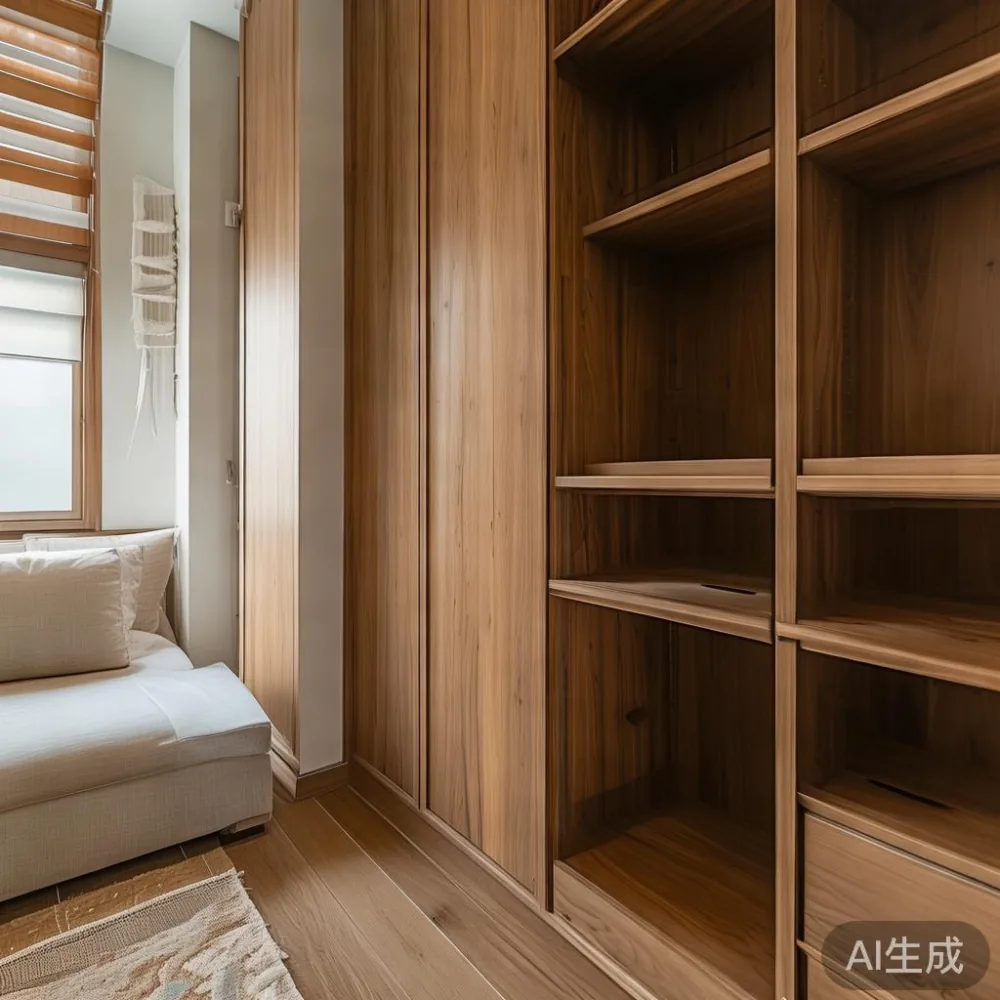
For a 4 m by 4 m bedroom of 16 sq m, a compact dehumidifier with a 10–20 L/day water-collection rate may be sufficient for ordinary dampness. Larger rooms or persistently humid corners may need a 25–35 L/day unit. Empty collected water every 1–2 days because a full tank stops extraction. Do not aim for a dry 35% environment; excessive drying can cause cracks as quickly as dampness encourages swelling.
Run dehumidification after occupied hours or when the room is closed, especially after showers or wet-weather periods. Keep the device’s intake and outlet clear by at least 20 cm and 50 cm respectively. Position it so discharged air does not circulate straight over a solid wood dining table or wardrobe door. A small air circulation fan, approximately 30–40 cm wide, can reduce stagnant pockets for SGD 40–90.
How should wardrobe organization account for changing moisture levels?
Wardrobe organization works best when the layout allows wood to breathe and makes damp items easy to identify. Leave 5–8 cm between the back of a movable hanging section and the wall where possible. Use sealed drawers for underwear, swimwear and clean towels, while giving wool, linen and cotton shelves enough space to dry fully after a swim. Avoid stacking damp folded clothes for 6–8 hours, and clean the wardrobe base with a dry cloth every month.
Use cedar blocks or moisture-absorbing pouches only as supplementary controls; they do not replace ventilation. Replace them every 2–3 months in a humid room. For shoes and bags, place them on a washable tray or raised shelf, not directly on the timber floor. A 3 cm riser helps prevent mould and makes inspection easier. If the wardrobe has a toe-kick, inspect it every 3 months for dust and condensation.
For a 210 cm tall wardrobe, check hinges, drawer runners and door alignment every 6 months. A door may need a 1–2 mm adjustment after seasonal movement. Tighten screws gradually, because over-tightening can restrict natural expansion. A fitted wardrobe with sliding doors may tolerate humidity better than a system using large hinged panels, although the finish and ventilation still matter. If the unit is made from plywood or engineered board, ask the supplier about its actual board thickness and edge sealing rather than assuming all wood furniture behaves identically.
Many MIDHILL customers use a wardrobe as a visual anchor in a compact bedroom. A French light luxury palette—soft oak, warm ivory and muted brass hardware—can be paired with pale walls without making a 12 sq m HDB room feel crowded. Keep the front 80–90 cm of the room clear, use one low nightstand where space permits, and choose a rug that stops 10–15 cm before the wardrobe plinth.
How does humidity affect a bed frame, nightstand and solid wood sofa?
A bed frame sees less direct airflow than a wardrobe, so floor-level moisture deserves special attention. Place the frame on a level, dry floor and consider 3–5 cm furniture legs or castors if the design permits. Check underneath after heavy rain and during the first 3 months of ownership. Slatted bases should not be sealed in plastic for more than 24–48 hours after delivery, because wrapping can trap manufacturing moisture or condensation.
Nightstands are often placed beside a window or air-conditioning vent. Keep the top 20 cm clear of damp glasses, towels and humidifiers. A coaster under a water glass matters: a small spill can enter a joint or soften a finish. Wipe with a soft cloth immediately, then dry the surface for 10 minutes. Do not leave wet laundry on a solid wood dining table overnight.
For a solid wood sofa, avoid direct sunlight and damp cushions. Lift removable cushions every 2–4 weeks so the frame can dry, and keep at least 10 cm between the sofa back and a cold wall. Upholstery should be cleaned according to its fabric rating; saturating foam can create a hidden moisture pocket. A marble table also needs a coaster and a stable base, since humidity can affect the wood support beneath the stone even when the marble itself is not absorbent.
Designers searching for for sale Modern furniture may compare lightweight forms with heavier timber pieces. Ask for the final dimensions and weight before delivery, since a lift and corridor measurement can be more restrictive than the room itself. For example, a bed frame in a 220 cm-wide box may need a clear 75 cm corridor turn, while a 95 kg dining table may require two people and a 2-person delivery service. In Singapore, GST is normally shown separately for business purchases, and household delivery terms should be confirmed before payment.
Can a light-luxury bed handle Singapore humidity?
Yes, provided its timber species, finish and construction are suitable. An American light luxury bed often uses solid oak, walnut or ash with a restrained profile. A European light luxury bed vs Mid-century modern bed comparison usually concerns shape and visual proportion more than moisture resistance. Check the drawer or lift-up mechanism, the underside ventilation, the floor clearance and the warranty treatment of finish movement.
When considering is American bed worth it, measure the room and compare the total delivered footprint, not only the mattress size. A 160 cm mattress in a 176 cm-wide frame may leave only 8 cm per side in a narrow bedroom, making wardrobe organization less flexible. Confirm slat spacing, centre support and the bed’s assembled weight. A mattress topper can protect fabric, but it must not trap moisture beneath.
Search results for how to choose light luxury bed can focus on styling while overlooking care. Ask whether the finish is water-based, how many coats are applied and whether the underside is sealed. Keep the frame 15–20 cm from a window if rain-driven humidity is frequent. For a French provincial bed in bedroom styling, choose a frame with a stable headboard and avoid placing it against a cold exterior wall. If the phrase how to style French provincial bed in bedroom appears in your planning notes, add breathable textiles and pale curtains, but keep every layer light enough to dry within 6–8 hours.
Mid-century modern for bedroom layouts often relies on clean lines and slim nightstands. Those pieces can work well in Tampines or Bedok, provided their legs provide floor clearance and their finishes are maintained. A 45 cm-wide nightstand gives room for a lamp, book and glass without blocking a 70 cm corridor route.
How do HDB flats, condos and air-conditioning change the risk?
HDB flats may have compact corridors and older ventilation arrangements, while newer condos may include balcony doors and larger windows that increase sunlight and rain exposure. A lift lobby may measure only 90–110 cm wide in an older block. Measure the lift door, lift car, landing turn, corridor and bedroom doorway before ordering a wardrobe or bed frame. Add 5 cm of working clearance rather than relying on a catalogue dimension.
Delivery days matter because a newly delivered wardrobe should acclimatise before it is packed tightly. A typical Singapore delivery window is 5–10 days after confirmation for in-stock standard pieces, with peak periods extending to 10–14 days. Confirm whether the carrier brings the item into the bedroom, assembles it or leaves it at the door. For a wardrobe, room-of-choice delivery is useful because carrying a 90 kg carcass up a narrow stair can damage both the furniture and the building.
Air-conditioning lowers temperature but does not automatically control humidity. A room may feel cool at 24°C while still measuring 68% relative humidity. Use the thermostat’s humidity function if available, run the fan briefly after the room has been aired, and avoid closing the bedroom immediately after a shower. Open a window for 10–15 minutes only when outdoor humidity is lower than the indoor reading; otherwise, brief ventilation may not help.
In a 12 sq m Tampines room, one nightstand and a 180 cm bed can leave about 60 cm beside the bed if the bed is centred. In a narrow Punggol study-bedroom, a sliding-door wardrobe may save floor area, but the installation still needs a 3–5 cm rear gap where possible. Luxury appearance and practical sizing should be decided together.
How do finishes and maintenance reduce humidity damage?
A good finish slows moisture exchange, but it cannot make timber moisture-proof. Inspect lacquered surfaces for scratches, lifting edges and white haze every 3 months. Wipe with a slightly damp cloth and dry immediately; avoid silicone sprays, abrasive cleaners and furniture polish containing oil that collects in joints. Use a pH-neutral cleaner suitable for wood, following its dilution instructions.
For a dining table, place felt pads under every leg and keep the table 10 cm from a wall when the room permits. Use a rigid, level base rather than folding card, which can create uneven stress. If a crack appears, photograph it, record the humidity reading and contact the supplier before applying a repair product. Minor seasonal checks do not automatically indicate faulty construction.
MIDHILL’s 10-year structural warranty gives owners a useful reference point for frames, joints and structural components, while lifetime refinishing can help restore the surface after years of use. Keep the purchase documentation, care instructions and delivery condition report for at least 10 years. For local purchases, check the displayed SGD price and GST treatment; free shipping over US$350 applies to the stated threshold, so compare the final Singapore delivery cost before checkout.
What should you inspect during the first 30 days?
During the first 7 days, check the wardrobe doors, bed frame fixings and nightstand joints. Look for movement, rubbing, damp patches or a finish that feels tacky in humid weather. From days 8–30, keep a simple record of indoor humidity and check the rear ventilation gap after rain. Adjust a rubbing door by 1–2 mm rather than forcing it.
At month 3, inspect under the solid wood dining table, behind the wardrobe and beneath the bed frame. At month 6, review the finish and hardware, especially in a Bedok unit near windows. After 12 months, note whether gaps have stabilised. Return requests are generally accepted within 14 days under the stated policy, so inspect visible damage and packaging on delivery day.
Small habits produce the most stable result: keep humidity near 45–60%, leave ventilation gaps, dry spills within 10 minutes, use coasters, rotate rugs, and avoid placing timber against damp walls. Those measures preserve the character of a wardrobe and keep a French light luxury, American light luxury or post-modern light luxury room feeling composed without treating wood as if it needs to remain in a museum.
For current dimensions, finish samples and delivery terms, review www.midhill.co before ordering. A carefully measured piece, protected from repeated humidity spikes, can remain useful for 10 years or more while fitting the practical proportions of Singapore homes.