Caring for Lacquered Wood in a Tropical Climate: A Singapore Owner’s Guide
I keep a small glass of water on my office shelf in Tampines for one reason: to remind me how aggressively humidity moves through furniture in Singapore. Pour a cup of tea, walk away for an hour, come back, and the surface of an untreated shelf feels faintly tacky. That same invisible force is what your lacquered solid wood wardrobe fights every single day. I learned this the hard way last month, after a client in a Punggol EC called about a cloud-like haze blooming across her 210 cm sliding-door wardrobe. The piece was brand new, the build was sound, and the wood was kiln-dried Chinese ash. The problem was never the wood. It was the lacquer, the climate, and a handful of habits that quietly worked against both.
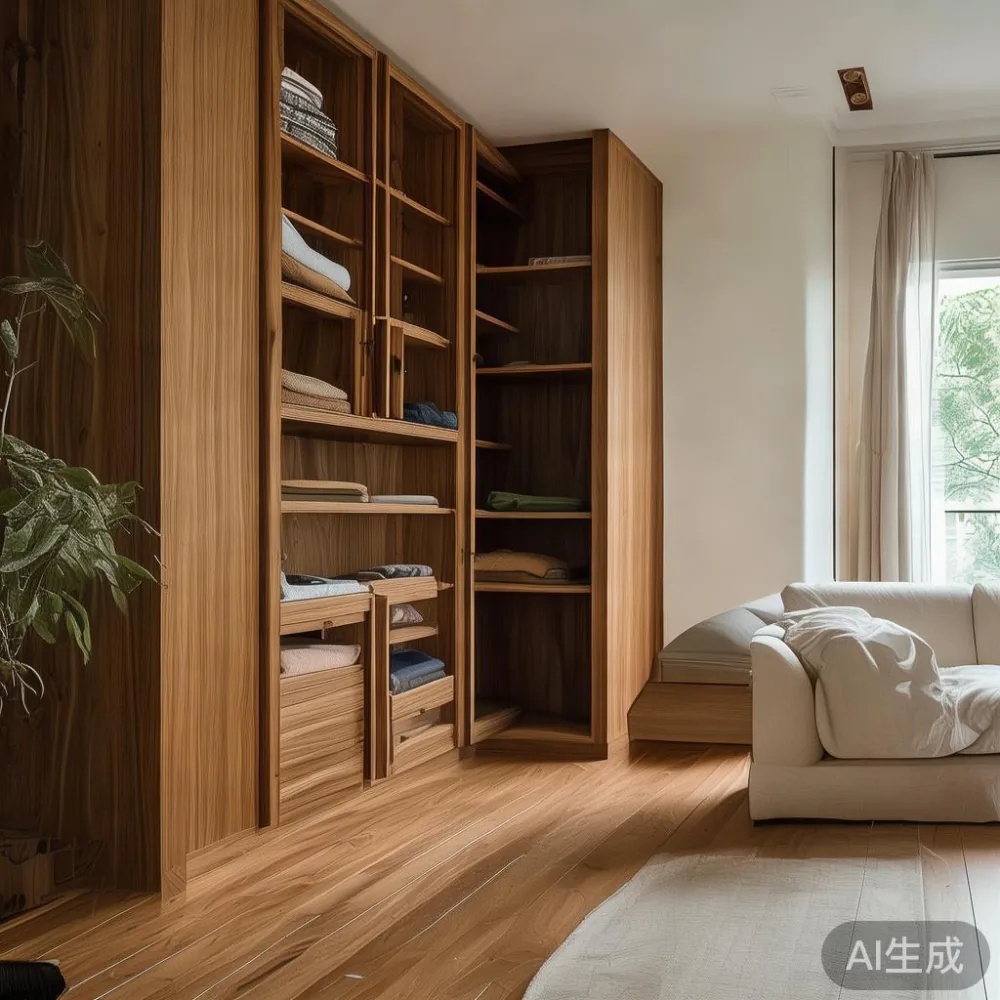
This guide is written for HDB and condo owners who chose lacquered furniture on purpose, often because they like the reflective sheen against matte stone or fabric, and because they want their wardrobe, dining table, and bed frame to read as one calm, considered room rather than a jumble of finishes. Lacquered surfaces behave differently from oiled ones, and they fail differently too. Get the care right and a well-made piece from a workshop like MIDHILL will look as crisp in year ten as it did the day it was delivered up your service lift. Get it wrong and you will see hazing, micro-cracks, and yellowing inside twenty-four months. Let us walk through what actually happens to lacquer in a tropical climate, how Singapore homes accelerate it, and what you can do this week to keep your wardrobe organization clean and your pieces looking like the light-luxury investments they are.
Why Singapore’s Climate Is Hard on Lacquer
Singapore sits roughly one degree north of the equator. Mean relative humidity sits between 78% and 88% for most of the year, with night-time peaks above 90% during the December to February monsoon surge and the June to September southwest monsoon. Daytime temperatures run 26°C to 34°C. Air-conditioned interiors hold around 55% to 65% RH if the unit is sized correctly, but corridors and lift lobbies can climb above 75%, and every time you open your front door a warm, wet breath rolls through. Lacquer is a film finish: a thin, continuous skin of cured resin that protects the wood beneath. Film finishes are not very permeable. They do not absorb and release moisture the way oiled wood does; they resist it. That resistance is exactly why the film can fail when humidity swings are large or when temperature and moisture move in opposite directions.
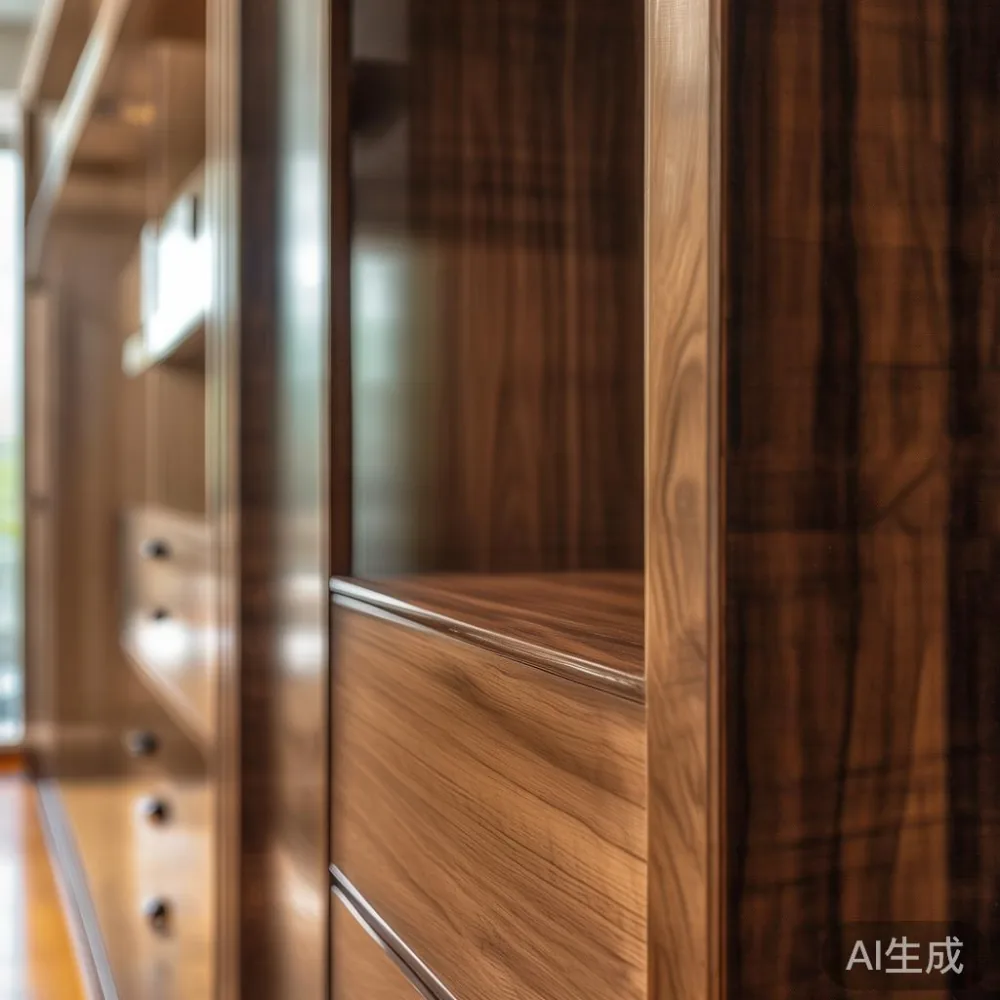
Three failure modes account for nearly every complaint I see in Singapore homes. The first is hazing, a dull white film that looks like someone wiped the surface with a damp cloth and forgot to buff. It is almost always moisture trapped under a cleaning product, often wax-based polishes marketed for furniture in cooler markets. The second is micro-cracking, sometimes called checking, which looks like a network of fine lines under raking light. It usually shows up on wardrobe doors near a window or on dining tables next to sliding balcony doors, where one side heats up and the other does not. The third is yellowing on pale lacquers, which is partly UV and partly the natural ambering of certain resin families. None of these failure modes is sudden. They accumulate over months. Which means a small change in habit this month pays off for years.
What Kind of Lacquer Are You Actually Caring For?
Before you buy any product or wipe anything down, identify the finish you are dealing with. In Foshan workshops, four families dominate the residential market:
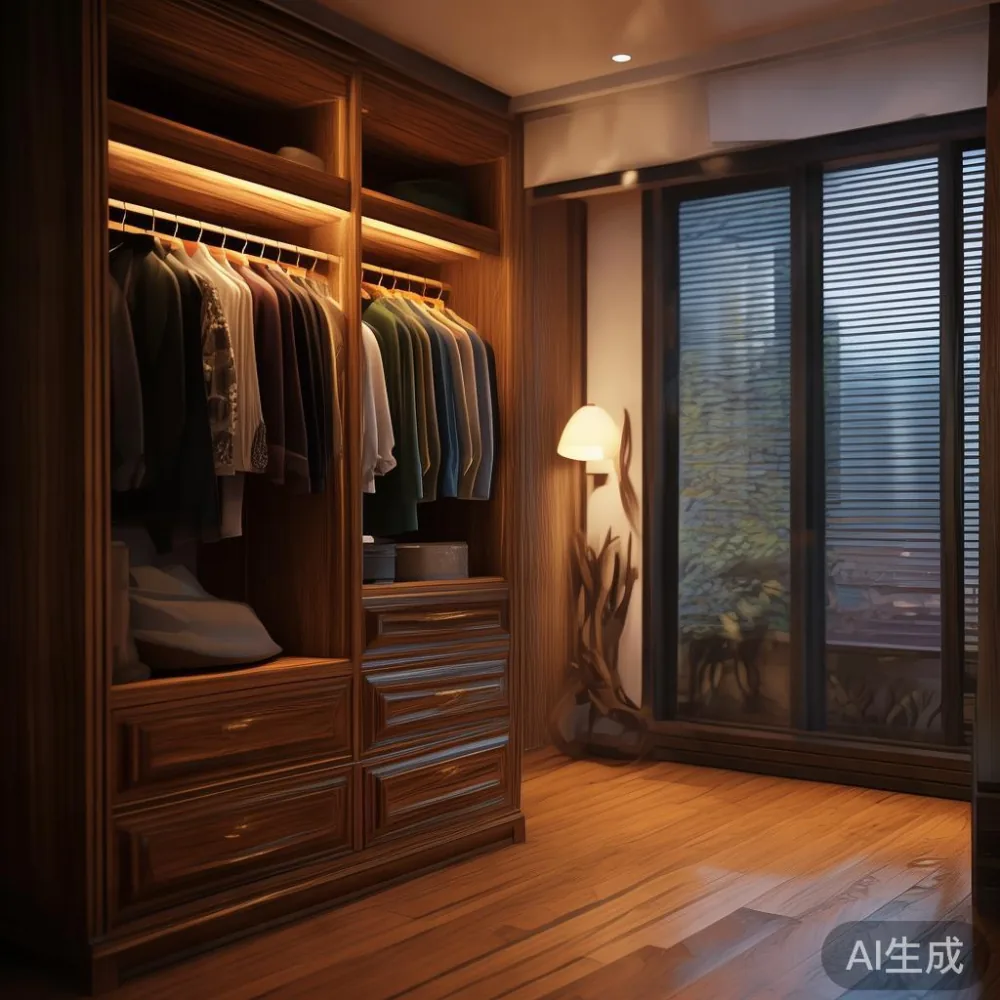
1. Nitrocellulose (NC) lacquer. The traditional choice for French light luxury and post-modern light luxury pieces. Warm to the touch, repairable, breathable. It yellows fastest and is the most sensitive to alcohol and ammonia.
2. Acid-catalyzed (AC) lacquer. Harder, more chemical-resistant, common on mid-market wardrobes and bedside nightstands. Good clarity, moderate yellowing.
3. Polyurethane (PU) lacquer. Tough, slightly plastic feel, very moisture-resistant. Found on many dining tables and on commercial-grade bed frames. This is what gets clouding if you use silicone polishes.
4. UV-cured water-based lacquer. Increasingly common on white and pale finishes from export-focused factories. Low VOCs, very clear, more flexible under humidity swings but more vulnerable to scratches from abrasive cloths.
If your paperwork does not specify, a discreet test on the inside back of a wardrobe panel can help: a single drop of isopropyl alcohol on a cotton bud. NC lacquer will soften and transfer color within ten seconds. PU will barely react. AC sits in between. Knowing your finish determines what you can safely put on a cloth.
Is a Marble Top Worth the Price in Singapore?
A S$3,200 marble-topped console from a regional brand can outlast a S$1,400 engineered stone alternative, but only if you accept its rules: seal it twice a year, never let kopi or lime juice sit for more than ten minutes, and dry the surface after a wipe-down rather than letting it air-dry in a 70% RH room.
Marble behaves opposite to lacquered wood. It is thirsty, soft, and reactive to acids. In a Tampines three-bedroom with a north-facing kitchen and a west-facing balcony, a 180 cm marble dining table will tell you, within a week, where the air-conditioning ducts point and where the afternoon sun lands. The price is worth it for owners who actually use it as a centrepiece and accept the maintenance, and not worth it for buyers who want a wipe-and-forget surface. The same logic applies to lacquered wood: the finish is forgiving, but only inside a small window of habit.
The Weekly and Monthly Routine That Actually Works
Twice a week, dry-dust with a clean microfiber cloth, 30 cm by 30 cm, weight around 220 gsm. Skip feather dusters; they redistribute moisture across the surface. For deeper cleans, use a microfiber cloth barely dampened with distilled water (about 4 ml per 0.5 m² of surface) and immediately follow with a dry microfiber pass. Never use multi-surface household sprays labeled for kitchens or glass, because they leave residues that show up as haze within days under Singapore humidity.
Once a month, especially between December and February, place a hygrometer near your wardrobe and bed frame for 48 hours. If your sleeping room averages above 65% RH, run the air-conditioner’s dry mode for one hour before bed, or place two silica-gel canisters (around 200 g capacity each) inside the wardrobe, away from garments, and recharge them monthly in a 120°C oven for two hours. A S$12 hygrometer and S$18 in desiccant will do more for a S$4,500 lacquered wardrobe than any boutique polish.
Quarterly, lift a wardrobe door half-open for thirty seconds. Lacquer dislikes being slammed shut in a humid room because the air inside the cabinet pressurizes. A soft close, or a habit of leaving doors slightly open during your morning shower, prevents the pressure spikes that pop micro-bubbles in the film.
Common Singapore Habits That Damage Lacquer
Five habits account for most of the finish damage I see in HDB and condo homes:
1. Windex or similar ammonia sprays on lacquered wardrobe panels. It leaves a film that catches humidity and turns cloudy.
2. Wet phone charging on a lacquered nightstand. The pad traps moisture against the finish for six to eight hours.
3. Lacquered dining tables used as ironing surfaces. Steam penetrates in sixty seconds, especially if the PU coat is older than three years.
4. Oil-wax polishes, including those sold at premium retailers. They look great for two weeks and then oxidize into a sticky haze.
5. Dry season over-correction. Running a dehumidifier set to 40% RH for weeks on end can dry PU lacquer enough to crack at corners. Target 55–60% RH instead.
How to Handle Small Damage Before It Spreads
Lacquer is repairable in ways that laminate and melamine are not, which is one reason a solid wood wardrobe holds value here. Surface scratches smaller than 5 cm can be buffed with a 2,000-grit wet/dry sandpaper followed by a matching touch-up marker, available in standard Foshan color codes. White haze from silicone contamination responds to a careful wipe with a microfiber cloth lightly dampened with isopropyl alcohol, tested first on an inconspicuous area. If your wardrobe organization has shifted and the doors now rub the frame (a common problem after a year as wood settles), call the maker before sanding anything. Most Foshan exporters will send replacement runners by courier within seven to ten working days, and shipping over US$350 is typically complimentary on accessories.
Structural concerns fall under different warranty terms than surface care. MIDHILL provides a 10-year structural warranty on its solid wood frames, with lifetime refinishing available at the Foshan workshop. Refinishing is the answer for most cosmetic damage that exceeds what a marker can hide, and the cost is a fraction of a replacement piece.
Right-Sizing a Lacquered Wardrobe in an HDB or Condo
Singapore lift openings limit the width of a single wardrobe panel to roughly 2.4 m, which is why most bedroom wardrobes are configured in two or three sliding-door sections. The service lift in a typical Punggol BTO is 2.0 m wide by 2.2 m tall internally; the passenger lift is similar. A 3-seater furniture for bedroom ordering that pairs a 210 cm wardrobe with a 150 cm bed frame and a 60 cm nightstand fits cleanly through both lift types when disassembled, with end panels crated at around 35 kg each and shelves wrapped separately at around 8 kg per shelf. Knowing these numbers helps when you compare freight quotes: a flat-pack delivery within mainland Singapore typically lands between S$120 and S$220, with most Foshan factories consolidating into a single shared container that arrives in 18 to 28 days for made-to-order pieces.
Height is the other constraint. HDB ceiling heights of 2.6 m suit a 2.4 m wardrobe with a 20 cm pelmet box. Ceilings of 2.8 m and above, common in newer ECs, allow a 2.55 m wardrobe with a 25 cm fascia. Allow at least 5 cm clearance at the back for air circulation against the HDB wall, because a sealed wardrobe back against a non-insulated concrete wall collects condensation that slowly creeps into the film from behind.
When to Call the Maker Rather Than Clean Again
If hazing returns within a week of every wipe-down, the underlying cause is almost always silicone contamination from a previous polish. Strip it back with two passes of isopropyl alcohol on microfiber, then leave the finish untouched for 30 days while the film re-equilibrates. If micro-cracks cluster around wardrobe handles or drawer pulls, the cause is repeated skin-oil contact, because the natural salts on your fingers slowly degrade NC and AC lacquers. Wipe handles weekly and consider matching brass pulls, which tarnish cleanly and tell you when they need attention. If yellowing is uneven and shows mostly on the side facing a window, consider a UV-filtering film on that pane. A 3M Night Vision film costs around S$28 per square foot installed and blocks 99% of UV while letting visible light through, which is a far better trade-off than repainting the wardrobe in three years.
Lacquered wood is one of the most rewarding finishes to live with in a Singapore home, because it photographs beautifully against the city’s clean architectural lines and rewards owners who build a small weekly habit. Pick the right product, dry-dust twice a week, watch the humidity, and your wardrobe organization will look as calm and considered in 2030 as it does today.