Online Furniture Delivery and Assembly: A Practical Guide for Singapore Homes
Buying a wardrobe online in Singapore can be refreshingly straightforward, but the delivery day still demands more planning than a product page suggests. Lift access, corridor turns, stair-free installation and the size of each carton can affect the final experience. This guide explains what to check before ordering, how MIDHILL furniture is delivered, and how homeowners can make wardrobe organization work in HDB flats and condos across Tampines, Bedok and Punggol.
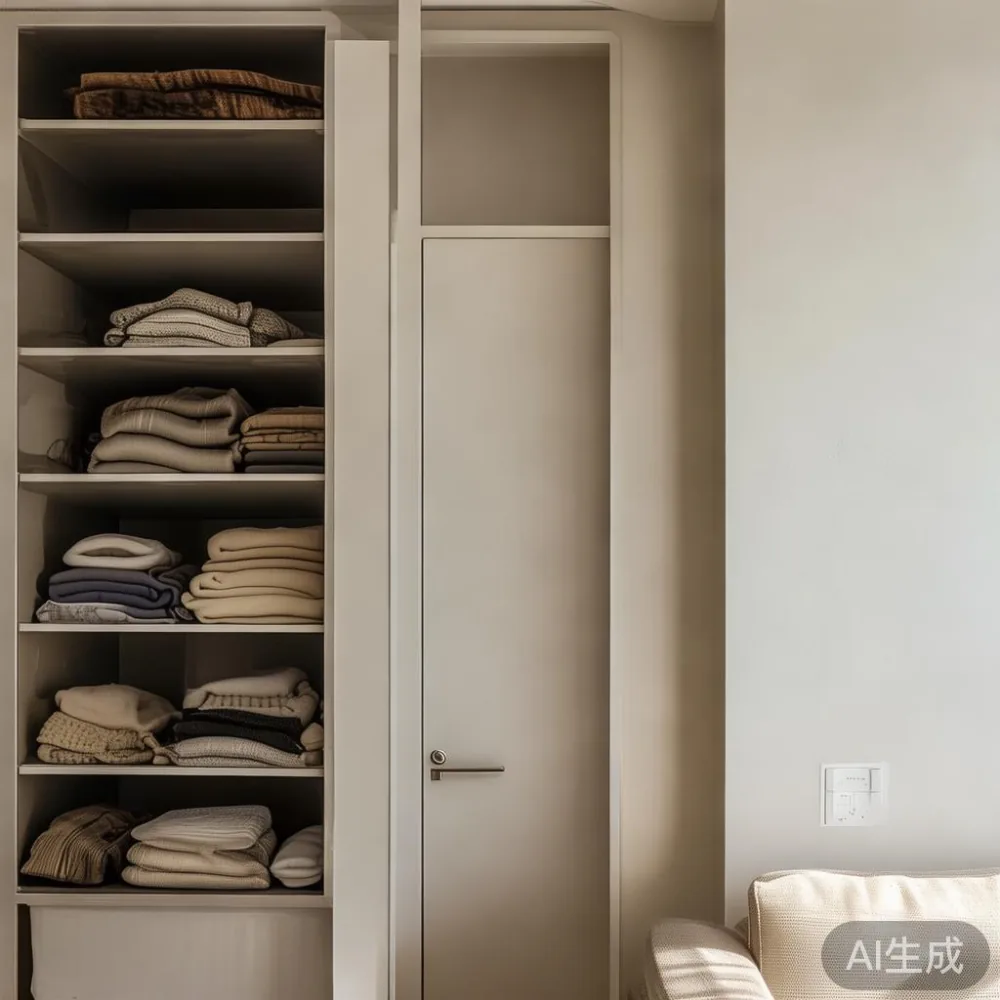
All prices and examples below are in SGD, and all dimensions are in cm. GST applies to the displayed furniture prices unless a checkout states otherwise.
What delivery information should an online furniture store provide?
A useful seller should publish or confirm more than a vague “free delivery” label. Ask for the packed carton dimensions, gross weight, number of cartons, estimated dispatch window, courier type and assembly charges. A long wardrobe might arrive in 2 cartons, each measuring 210 × 80 × 25 cm and weighing 48 kg. That information allows you to compare the package with your lift opening, hallway and bedroom door rather than discovering a mismatch on delivery day.
For Singapore homes, measure the lift door and the narrowest turn between the lift and bedroom. A standard HDB lift opening may be around 90 cm wide and 210 cm high, while a large condo lift may offer more room. The carton still needs to fit the door, not merely the lift. At the final threshold, check whether the room door is at least 85 cm wide and note any tight turns near the wardrobe position.
Also clarify what “free delivery” means. MIDHILL offers free shipping on orders over US$350, equivalent to approximately SGD 465 before bank or card conversion effects. The threshold may be converted or displayed differently during checkout, so review the final SGD total before paying. Furniture delivery to Singapore addresses, remote-area surcharges and extra services such as carrying beyond the lift should be confirmed separately.
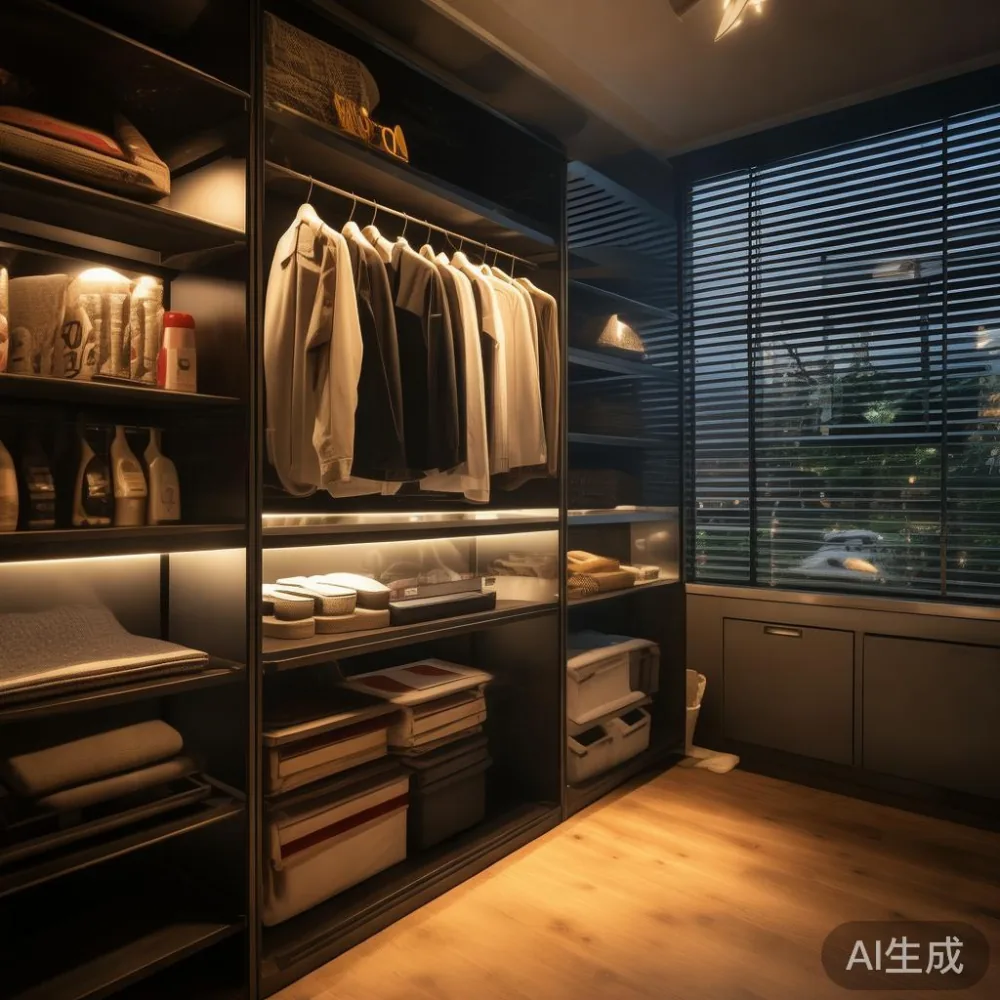
How long should delivery and assembly take?
A realistic production-to-door timeline is usually 4–8 weeks for a made-to-order solid wood wardrobe, followed by 3–10 working days for regional delivery. Stock pieces may move faster, while custom sizing, marble table production or seasonal freight can extend the schedule. These are planning ranges rather than promises; the order confirmation should provide a more precise estimate.
Allow another 30–90 minutes for assembly if the wardrobe has hinged doors, drawers, internal rods and adjustable shelves. A 3-door wardrobe may contain 6 panels, 3 shelves, 3 hanging zones, 4 runners and 2 anti-tip brackets. A two-person crew can usually install it in about 45 minutes, provided the floor is level, wall anchors are available and the wardrobe has been positioned in its final location.
Do not confuse the delivery estimate with the order date shown in a browser. Read the production status, dispatch notice and courier appointment together. If the seller cannot provide a dated range before payment, treat that as a reason to pause. Clear delivery terms are especially important when the wardrobe must be assembled before a tenancy starts, a renovation finishes or a storage deadline approaches.
Will a wardrobe fit through a lift and corridor?
Sometimes, but not automatically. A flat-packed design is more likely to negotiate HDB access than one fully assembled in the factory. Before purchase, request the longest and largest individual carton dimensions. For example, a 240 cm wardrobe might use panels of 240 × 60 × 12 cm, allowing the carrier to carry them vertically through a 90 cm lift opening if the ceiling and turning space permit.
Corridor width matters too. Measure the clear passage at waist height, including any bins, shoe racks or parked bicycles. A 110 cm corridor may accommodate a carton carried diagonally, but a 75 cm section with a 90-degree turn can present a different problem. Doors, meter boxes and recessed housings can reduce usable width by another 5–15 cm.
In my own test last month, my colleague and I checked a 6-foot bedroom door with a tape measure before ordering a flat-pack wardrobe for a Tampines HDB flat. The clear opening was 83 cm, while the largest carton was 72 × 18 cm. We also tested the lift with a box of the same width. It passed easily, but the bedroom’s 75 cm corridor corner required the carton to remain upright. That 10-minute check prevented the delivery crew from having to remove a door and carry the panel around the corner.
If access is restricted, ask whether the wardrobe can be delivered in more, smaller cartons. In some cases, an in-room assembly service can help. At other times, a room-door removal may be needed, and responsibility should be agreed in writing before the delivery attempt. Do not assume a wall-mounted wardrobe can be disassembled after installation without risking its structural stability.
How much do delivery and assembly cost in Singapore?
Delivery may be included for qualifying orders, while lift-to-room carriage and assembly may carry separate fees. Local movers might quote SGD 25–60 for a single item up to the lift, SGD 45–120 for additional in-room handling and SGD 80–180 for installation of a medium wardrobe. These figures vary with access, timing and whether the courier is bringing hardware and removing packaging.
For example, a SGD 1,980 solid wood wardrobe ordered with a 5% Singapore GST becomes SGD 2,079 if GST is added after the advertised price. A quoted SGD 95 delivery and installation service would bring the total to SGD 2,174. Always ask for a full-price breakdown before payment, including GST, delivery, assembly, stairs and remote-area charges.
The furniture itself should be judged on materials, dimensions and warranty, not on free delivery alone. MIDHILL was established in 2008 and exports to more than 15 countries. Its 10-year structural warranty gives a useful baseline for major solid wood pieces, while lifetime refinishing can help preserve the appearance of a wardrobe, solid wood sofa, bed frame, dining table or nightstand over the years.
How should you prepare for furniture delivery day?
Clear a route from the lift to the installation area at least 24 hours before the courier arrives. Remove shoes, cartons, vacuum cleaners and loose rugs. Protect the floor with 2–3 mm cardboard sheets, but keep the covering away from door tracks. Reserve parking for the van if the building has a time-limited loading bay, and ask the building manager about designated furniture-loading periods or loading-dock bookings.
For a 220 × 60 × 220 cm wardrobe, leave a working area of at least 300 × 300 cm if possible. Mark the floor position with masking tape before assembly. Check that skirting boards will not push the carcass out of alignment, and confirm where electrical points or water pipes might interfere with a 2 cm rear clearance. A 4 mm wall gap on each side can make leveling easier, subject to the manufacturer’s installation instructions.
Keep the order number, delivery notice and hardware checklist accessible. Photograph the cartons on arrival if they show crushing or moisture marks. Check panel edges, drawer runners, hinges and visible finish before the crew leaves. However, do not sign a “no claims” document without recording the issue in writing.
Who should install the wardrobe?
Professional assembly is sensible for tall, wide or wall-anchored wardrobes because alignment affects door operation and stability. A 3-door unit generally needs 2 people and approximately 1 hour; a walk-in wardrobe system may require 2–4 hours and a second installer. The 10-year structural warranty does not automatically mean every accessory is covered for 10 years, so verify whether hinges, runners, hardware and work-installation are included separately.
DIY assembly is more manageable with flat-pack solid wood panels, a screwdriver or drill, a 2 m level, a 6 mm hex key and approximately 4 mm wall plugs. It may still take 90–180 minutes for someone without experience. Follow the supplied instructions, tighten fixings to the specified torque and use the provided anti-tip straps. Heavy panels should be supported rather than lifted by the hinge hardware.
Ask whether the installer can also fit internal wardrobe organization accessories. This matters when the goal is not merely storing clothes, but dividing a compact bedroom into useful zones. A 180 cm-wide unit might use 2 hanging sections of 70 cm, 4 shelves and 3 drawers, creating room for folded pieces and accessories without turning the bedroom into a storage corridor.
How do lift access and delivery affect wardrobe organization?
Access can influence the wardrobe system you choose before it reaches your home. In a compact Punggol or Bedok HDB bedroom, a floor-to-ceiling wardrobe may maximize storage, but a 240 cm panel must turn through the corridor safely. Factory-assembled carcasses are convenient to install but harder to move. Flat-pack wardrobe organization offers more placement flexibility and can replace one damaged carton instead of the full unit.
Measure the space reserved for the wardrobe, including the open-door arc. Hinged doors need about 60–90 cm of clearance, while sliding doors need a track and may still need space to remove panels. If the room cannot support a 240 cm depth, a 55–60 cm depth can still hold standard hanging lengths and shallow drawers. Internal organization works best when hanging space, folded storage and drawer heights are planned together.
Consider the door clearance in relation to the rest of the room. A wardrobe that opens across a walkway can make wardrobe organization less convenient, especially in a 9 m² HDB bedroom. A nightstand beside the bed can hold daily items, while a closed nightstand with a drawer may provide charging access without visual clutter. A marble table can offer a refined landing surface, but it adds weight and should not be positioned where delivery access or circulation is already tight.
What is the best Modern light luxury bed for 2026 for a Singapore bedroom?
The best Modern light luxury bed for 2026 for many Singapore apartments is a slim-profile solid wood frame with a low footboard, upholstered headboard and restrained storage. A queen-size option around 160 × 200 cm may be appropriate for a condo master bedroom, while a 135 × 200 cm model may suit an HDB room with tighter dimensions. The style should leave 60 cm beside the bed where possible and preserve the route from the door to the wardrobe.
Modern light luxury for bedroom planning balances visual calm with useful capacity. Built-in drawers, a 30 cm bedside ledge and a concealed headboard shelf can reduce the need for separate furniture. Keep total frame height near 95–110 cm so the room does not feel compressed. This is one area where an American light luxury approach can be helpful: substantial lines and generous proportions, scaled down for a 3.2 m × 3.8 m bedroom rather than filling it with oversized furniture.
The comparison often described as American bed vs Japandi bed is useful when deciding on tone, but dimensions matter more than labels. An American-style frame may look more architectural and substantial, while a Japandi bed usually emphasizes pale wood and visual lightness. Both need careful clearance around the wardrobe. If a bed frame is shipped with a large carton, include it in the same access audit as the wardrobe.
For another style comparison, French bed vs French provincial bed comes down mainly to ornament and proportion. A French bed can be upholstered and softly curved, whereas a French provincial bed often carries carved details and a more decorative character. Neither should be selected solely for the name; inspect the actual joinery and the dimensions of the shipping cartons.
In a living room, how to style French provincial sofa in room can be approached by echoing one material rather than adding many patterns. Pair the sofa with a simple marble table, pale textiles and 2 side pieces of visual weight. French light luxury works when the room remains restrained, not when every surface competes for attention.
For dining areas, European light luxury for dining room can be achieved with a solid wood dining table, 6 matching chairs and one sculptural pendant. A table around 180 × 90 cm seats 6 people but needs about 90 cm of clearance around the edges. European styling can feel formal without appearing heavy if the wood finish remains natural and the chairs have slender profiles.
What should a Singapore buyer confirm before checkout?
Confirm 8 points in writing: the final wardrobe dimensions; the carton dimensions and gross weight; estimated production time; courier lead time; lift-to-room service; assembly charges; GST; and return handling. Check whether the 14-day returns policy applies to made-to-order wardrobes, customized panels and installed products, since some exceptions may apply to bespoke goods.
For a standard solid wood wardrobe priced around SGD 1,500–SGD 2,800, a careful delivery quotation may appear small beside the purchase. Yet access problems can add SGD 100–400 in removal, extra labor or redelivery. The more useful comparison is the cost of the complete delivered and installed result.
Also confirm after-sales support across borders. MIDHILL provides a 10-year structural warranty and lifetime refinishing, but the practical route for servicing an item should be clear. If the seller is exporting to Singapore, ask how replacement parts, refinishing instructions and warranty claims are handled before placing the order.
The final delivery-day rule is simple: measure first, photograph second, assemble third. Accurate dimensions, a clear route and realistic expectations will make wardrobe organization feel less like a logistics exercise and more like a considered design decision. MIDHILL furniture can still arrive as a substantial physical object with cartons, weight and tight turns; good preparation allows the solid wood finish, internal layout and proportions to take center stage.