Maximize Wardrobe Space with Warranty Know-How in Singapore
A furniture warranty can look reassuring on a product page and still leave a Singapore household with an expensive dispute. The wording is often small, the exclusions are buried, and the repair process may assume a workshop, professional assembly, or replacement unit that is difficult to arrange in a HDB flat. Wardrobe organization is especially sensitive because a damaged carcass, misaligned door, or defective drawer can affect daily use throughout an entire bedroom.
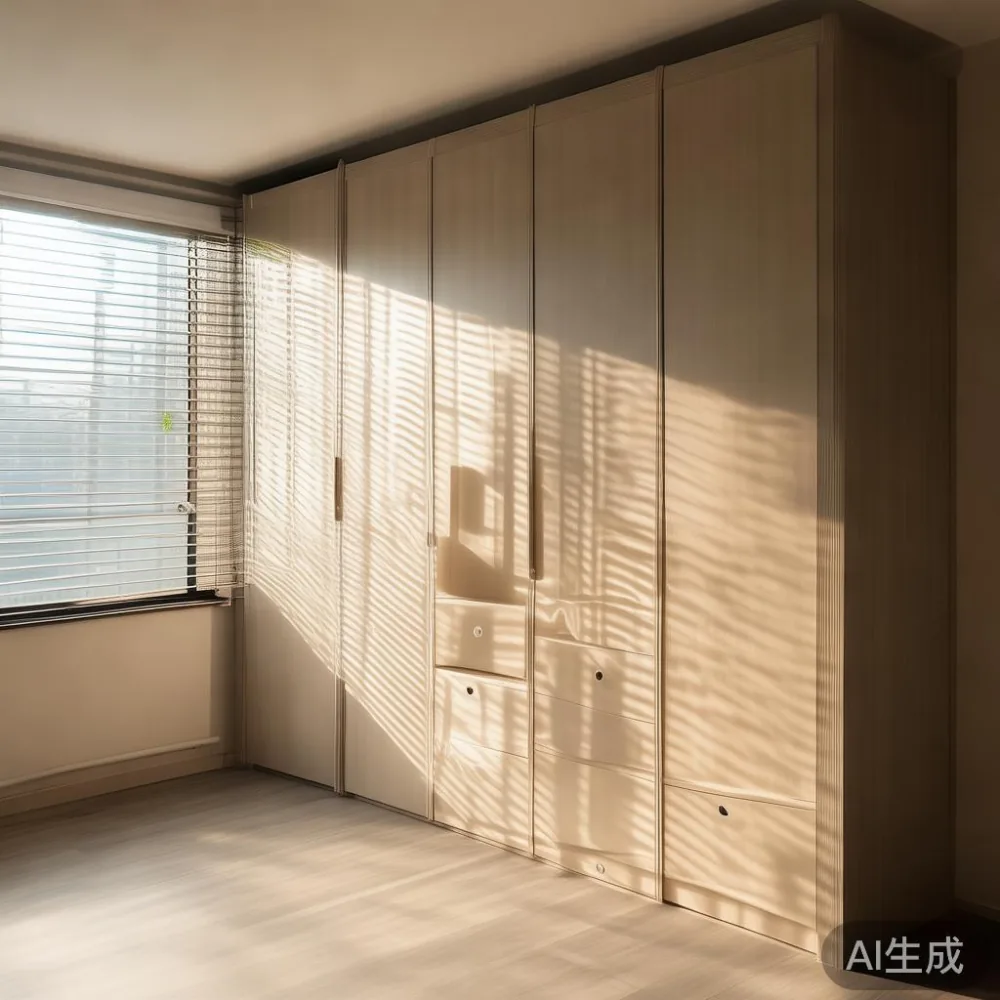
This guide uses wardrobes as the main example, while also showing how the same checks apply to a solid wood sofa, bed frame, dining table, nightstand, or marble table. The aim is not to reject every warranty. It is to understand what the seller has actually promised before money changes hands.
What does a furniture warranty actually cover?
A useful warranty should identify 4 things clearly: the covered product, the covered defects, the duration, and the remedy. “10-year structural warranty” sounds substantial, but “structural” may refer only to the frame or carcass. It might not include surface finish, drawer runners, hinges, handles, lighting, moving hardware, or damage caused by uneven installation.

For a wardrobe, look for terms such as “solid wood carcass,” “drawer mechanism,” “hinge adjustment,” and “finish.” Confirm whether the period starts from purchase, delivery, or installation. It should also state whether the warranty is transferable if you sell the flat and whether parts or labour are included.
Read the exclusions as carefully as the promise. Common exclusions include moisture, accidental impact, ordinary wear, insect damage, incorrect assembly, and products modified by the customer. Scratches on a melamine or veneer finish may not count as structural failure, even if the panel is wood-based. A chipped marble table may also sit outside a wood-frame warranty.

Ask for the full warranty in writing. A product page is not enough if its wording conflicts with a document shown later. For MIDHILL furniture, the stated 10-year structural warranty and lifetime refinishing option should be examined together: refinishing addresses the service life of the finish, while the structural term addresses defects in specified components. Neither sentence replaces a detailed claim procedure.
How long should the warranty last for a solid-wood wardrobe?
There is no universal minimum, but a 10-year structural term is easier to assess than a vague lifetime promise. Check whether the “year” applies to the whole product or named parts. A frame-only warranty of 10 years is different from a 10-year warranty covering every screw, rail, drawer, and finish.
Think about the product in actual use. A 60 cm wide wardrobe may carry 40 kg when properly loaded; a larger 120 cm unit may hold 90 kg across shelves and hanging sections. The maker should state recommended load limits if high-density storage or heavy folded clothing is expected. A warranty that becomes void because a shelf was loaded beyond the published figure is not much help, so verify the specification before organizing clothes into it.
Measure the delivery route as well. In many Tampines, Bedok, and Punggol HDB flats, the main door may be 90 cm wide while a corridor turn or lift entrance creates the real constraint. A flat-pack wardrobe might fit in the lift in separate panels but fail if assembled before entering the home. A fully assembled wardrobe might pass the 85 cm lift door but still be impossible to pivot around a landing. Ask whether delivery is curbside, room-of-choice, or a fully placed service, and whether stair carry or reassembly is chargeable.
Is “lifetime refinishing” the same as a lifetime warranty?
No. Lifetime refinishing normally means a service is available for the product’s useful life, subject to terms, availability, and cost. It may cover sanding and recoating or refinishing eligible surfaces, but it may not include replacement hardware, relocation, repairs after water damage, or work on parts that cannot be refinished.
Check the definition of “lifetime.” Does it mean the original buyer’s lifetime, the product’s service life, or the period while MIDHILL remains trading? Are hinges, handles, drawer fronts, and interior finishes included? Can a replacement rail be substituted under a warranty claim? If the original finish is discontinued, will a comparable colour be supplied?
Also establish whether refinishing is free. A service offered “for a fee” is still a lifetime service, but the actual fee matters. Request the current price list in SGD and ask whether a claim repair can add to it. If you plan to resell a condo unit, ask whether refinishing can be transferred to the next owner.
What should I check before paying for a wardrobe?
Start with the contract details shown on the invoice: legal seller name, order date, model number, finish, dimensions, quantity, price, GST treatment, and warranty duration. Keep the receipt, warranty document, assembly instructions, and delivery record. A 14-day return window is useful, but confirm how bulky items are collected and whether a restocking or return transport charge applies.
Singapore prices should be stated in SGD with GST treatment made clear. For example, if a listed item is SGD 1,780 and includes GST, the stated tax treatment should be visible; if it excludes GST, the total should be calculated before approval. A free-shipping threshold such as US$350 may apply to international orders rather than every Singapore transaction, so local delivery terms need separate confirmation.
Check the dimensions against the actual room and route. A 210 cm tall wardrobe needs more than 210 cm of vertical clearance once it is tilted. Allow roughly 10 cm above the unit for installation and at least 5 cm behind it where a sliding system needs space to operate. For a bedroom door, confirm that the wardrobe can open without colliding with a nightstand or bed frame.
Ask who performs in-home installation. If the seller subcontracts it, establish who handles damage during assembly. Instructions should specify torque, wall anchoring, and whether anti-tip fittings are required. A 2.1 m tall wardrobe weighing 85 kg needs appropriate restraint, especially in a family home where children may climb on drawers.
What are the common warranty traps in wardrobe organization?
The first trap is mixing structural coverage with appearance. A solid-wood carcass may have a 10-year structural warranty while veneer edge banding, a moving-door track, or a handle has a 1-year coverage. Ask for a component table rather than accepting one headline term.
The second trap is assuming all solid wood is identical. A solid-wood wardrobe may combine hardwood rails, plywood or engineered panels, MDF drawer bottoms, metal runners, and lacquered surfaces. “Solid wood” in the product name does not mean every component is solid timber. If a drawer fails, the claim must be assessed against its own component warranty.
The third trap is using the wrong installation method. Free-standing units may have adjustable feet, while tall wardrobes may require a wall restraint. If self-installation conflicts with the manual, the seller may dispute liability for tipping, drawer failure, or damaged panels. Book professional assembly where the warranty requires it.
The fourth trap is ignoring condensation and humidity. A wardrobe near a bedroom window in a HDB flat can encounter more moisture than one against an interior wall. Review the finish care instructions, maintain ventilation, and avoid using wet cloths. Flooding, leaking pipes, and persistent dampness are different from normal tropical humidity and may be excluded.
The fifth trap is failing to document a defect quickly. Photograph a bowed rail, scratched panel, or failed drawer within 3 days of delivery. Record the date, remove the loading if safe, and preserve packaging where practical. A claim entered within 14 days is usually easier to assess than one reported after 11 months of intermittent use.
How do I compare a 10-year warranty with a 1-year warranty?
Compare like with like. One seller may provide 10 years on the carcass and 2 years on mechanisms; another may provide 5 years across listed components. Neither number is meaningful without the component scope. Ask each seller to complete the same 6 questions: what is covered, what is excluded, who repairs it, where the product must be located, what proof is required, and whether labour is included.
Cost matters too. A repair visit in Singapore may involve a SGD 60 call-out charge, SGD 120 labour, and SGD 35 to SGD 90 per replaced runner or hinge, subject to confirmation. A warranty that covers parts but not labour can still create an out-of-pocket expense. Look for clear responsibility for transport, return, and reinstallation.
The warranty period is also not the only factor. A repairable wardrobe with replaceable drawer runners and hinges may be more practical than one that offers a long term but requires replacement of an entire door set. For buyers comparing Japanese bed vs Nordic bed styles or researching the best European bed for 2026, the same method applies: inspect the mechanism, replacement parts, and service terms rather than relying on a design label.
What should a delivery and return clause say?
Delivery terms should state the estimated number of working days, delivery window, destination, and access charges. For a Punggol condo, a 2-hour time slot is more useful than a vague “delivery in 7 to 14 days.” Confirm whether the driver carries the wardrobe beyond the lift, unboxes it, checks the panels, and installs adjustable feet.
Inspect the package at the door. Check all 6 faces of each panel, corners, veneer or lacquer, drawer fronts, and hardware. Photograph damage before signing. If a panel is split along a joint, record it immediately and decline the item if the return procedure permits.
The 14-day return policy should define whether the item must be unused, whether custom dimensions are returnable, and who pays collection. Damage from trying a wardrobe in a confined corridor is buyer responsibility, but manufacturing defects remain subject to the warranty. Read both provisions together.
International policies may use a free-shipping threshold stated in US dollars, while local Singapore orders are usually handled in SGD. Confirm the applicable threshold rather than converting it mentally. Also confirm GST and credit-card charges on refunds.
How do I make a valid warranty claim?
Use the seller’s named support channel and provide a short factual description: order number, model, purchase date, delivery date, component, defect, and photographs. Include a video showing the drawer opening and closing if it takes 10 seconds and clarifies the fault.
Do not repair the component yourself before approval unless safety requires it. Unauthorized work can complicate a claim. If a wardrobe must be secured because a wall anchor has failed, keep the replacement hardware and receipts.
Ask for a claim reference and a written outcome. If the remedy is replacement, note the collection date and whether the replacement part is new, refurbished, or colour-matched. If repair is local, obtain an estimated completion date in working days and a labour quote in SGD.
For complex insurance or resale purposes, request a signed warranty certificate, not merely an email saying the unit is covered. That document should show the original purchase date and any transfer process.
How can I plan wardrobe organization around the warranty?
Choose internal fittings according to the specified loads and mechanisms. Heavy clothing should sit on lower shelves, while hanging zones should not overload rails beyond the maker’s recommendation. Use drawer dividers within their stated capacity and avoid leaning climbing ladders against tall units.
Leave the service path clear. If drawers need removal, confirm in the manual how much space is required. Label removable panels and keep the original fittings in a labelled box for future claims. For premium pieces such as a solid wood sofa, bed frame, dining table, nightstand, or marble table, retain the original care sheet because cleaning chemicals can affect finishes not covered by the structural term.
Design references can help buyers judge proportion and finish, but the technical warranty remains the controlling document. French light luxury may emphasize pale veneers and sculpted edges; American light luxury may pair cream upholstery with walnut-toned storage; post-modern light luxury may use clean lines and mixed materials. A customer asking how to choose light luxury wardrobe should compare drawer travel, rail spacing, internal depth, and warranty coverage alongside appearance.
Budget checks also require discipline. When comparing under 2000 Modern light luxury furniture, separate the item price, GST, delivery, and assembly. A light brown luxury sofa may be priced at SGD 1,680 before GST, while a light luxury with storage bed frame may be SGD 1,450. Ask for the all-in total so a lower sticker price does not conceal a SGD 90 delivery charge or SGD 70 installation fee.
What questions should I ask the furniture seller before ordering?
Ask: “Which components have 10-year structural coverage, and what periods apply to hinges, runners, finishes, and hardware?” “Does the 14-day return policy include bulky furniture and custom wardrobes?” “Who is responsible for damage during delivery and assembly?” “Is lifetime refinishing free, and which surfaces are eligible?” “What labour, travel, and parts charges may apply to a claim?” “How many working days does delivery or repair usually take?”
Also confirm dimensions in writing: 180 cm wide by 220 cm high by 60 cm deep, for example, together with the actual packaged dimensions. Check that the unit fits the lift, corridor, bedroom door, and intended wardrobe organization zone. Record the delivery date and installer’s name.
My own experience last month was a useful lesson. I visited a colleague’s Bedok HDB flat to inspect a newly delivered 150 cm wide wardrobe. The unit looked fine from the corridor, but a 62 cm bedroom door and a 90 cm turn created a tight route. After the panels were brought upstairs, the installer found that one drawer front had a 4 cm edge crack and a runner sat 3 mm out of alignment. Because the delivery record and photographs were made before the wardrobe was unpacked, the seller replaced the affected components without moving the entire unit. The 14-day return route was never needed, but the paperwork prevented hours of argument.
The practical rule is simple: treat a warranty as a service contract, not a decorative badge. Confirm the components, timeframe, exclusions, access arrangements, and claim process before ordering. Then measure twice, document once, and keep every record until the wardrobe has passed its first 6 months of daily use.