Mastering Wardrobe Furniture Warranties in Singapore
Buying a solid wood wardrobe for a Singapore home can be exciting, but the warranty is not a footnote. It is the written record of who will repair a split drawer, replace a failed sliding door, or correct a joint that has opened after humid weather. The practical difficulty is that a 10-year warranty can cover very different things depending on the product, the company, and the exclusions printed in small print.
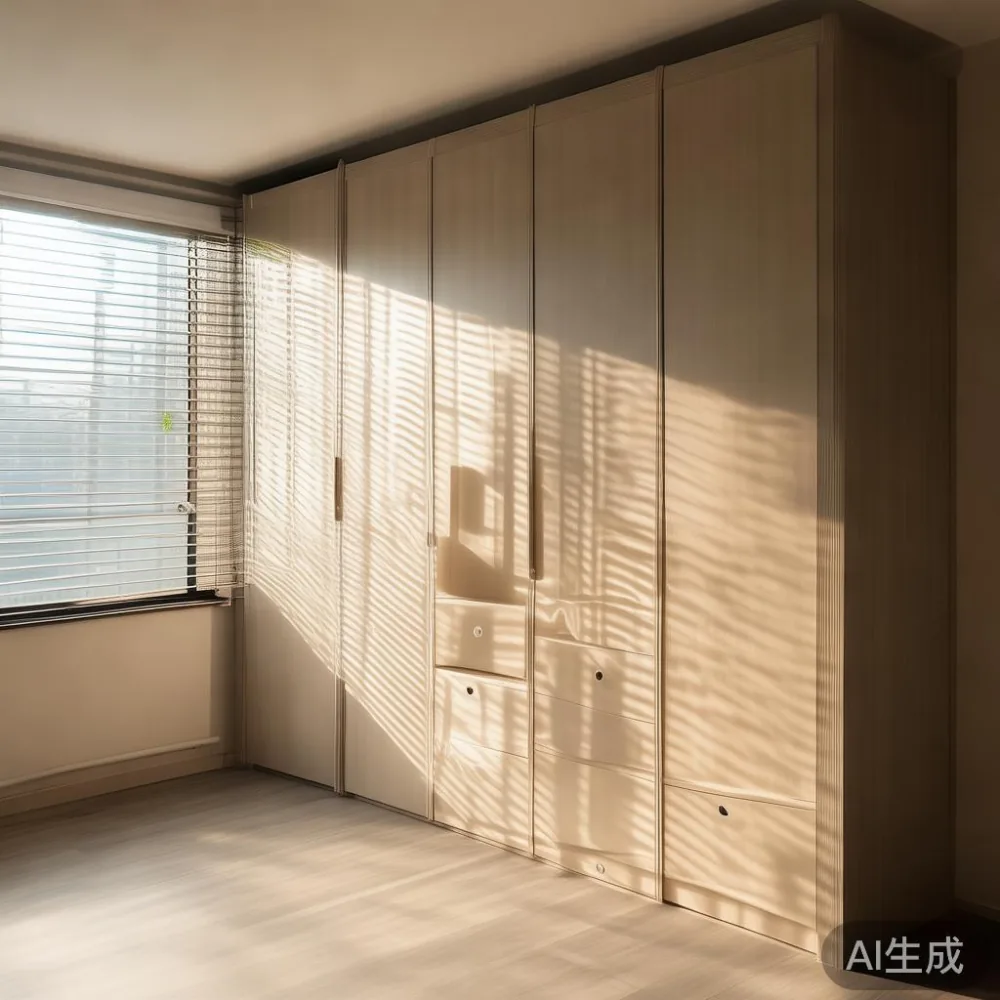
This guide focuses on wardrobe organization and the furniture connected with it: wardrobes, dressers, nightstands, and compact storage pieces for HDB flats and condos in Tampines, Bedok, and Punggol. The aim is to read a warranty as a usable contract, not as decorative reassurance.
What does a 10-year solid wood warranty actually cover?
Start with the duration and the object it applies to. A 10-year structural warranty may refer only to the main carcass of a wardrobe, while drawer runners, hinges, handles, coatings, and moving parts may have different terms. Ask for the warranty that names the exact wardrobe model, including its dimensions, finish, and configuration. A generic PDF sent to you after payment is less useful than a document linked to an order number and product code.

“Structural” usually means the load-bearing parts of the item: side panels, top and bottom panels, fixed shelves, and perhaps the base frame. It does not automatically mean that every part is free of defects for 10 years. A damaged drawer runner may fall under a 2-year component warranty, while a warped shelf used beyond its intended load may be excluded. Check whether the warranty applies to residential use only, commercial use, rental properties, or institutional projects.
Confirm the legal entity behind the promise. MIDHILL was established in 2008 and exports to more than 15 countries, yet an international manufacturer and a local retailer can have different responsibilities. The seller should identify who handles claims, who inspects the item, and whether parts are repaired, replaced, or refunded. Keep the invoice, delivery order, product code, and photographs. For a Singapore order, record the date, the SGD amount paid, and whether GST was included.

Look for a claims process with measurable steps: notify the company within 30 days, send 4 clear photographs, provide the order number, and wait for an inspection appointment. If the wording says “manufacturer discretion” without explaining the decision, ask what evidence is required. A warranty should not make you guess which documents matter.
Can I get a replacement wardrobe if humidity causes swelling?
Humidity-related movement is one of the most important questions for owners of wardrobe organization systems in Singapore. Solid wood reacts to changes in moisture, so a panel can move slightly as the relative humidity changes. Ask the manufacturer which finishes are approved for tropical conditions and what maintenance protects the coating. Request the expected movement figures for the relevant panel thickness and whether seasonal movement is treated as a defect.
A useful answer distinguishes normal material movement from a manufacturing defect. A small gap along a joint that closes and opens with humidity may be within tolerance. A split through the grain, a detached back panel, or a drawer that cannot run properly may qualify for review. The warranty should list tolerances, such as a permitted gap of 2 mm or 3 mm, and explain how those tolerances are measured. “Normal wear and tear” should not be used to dismiss every discoloration or movement without a stated limit.
Singapore’s wet seasons make this especially practical. Place the wardrobe away from a bathroom wall or an air-conditioning unit that blows directly onto it. Keep the room between roughly 20°C and 30°C where possible, and use a dehumidifier if humidity regularly exceeds 70%. Do not wipe solid wood with a soaking cloth. Use a soft, lightly damp cloth, then dry it immediately. These steps do not change the warranty, but they help you maintain the conditions under which the product was intended to be used.
What should I check before paying for a built-in wardrobe?
Measure the delivery route before you approve a custom wardrobe. In an HDB flat, the relevant dimensions are not only the room’s floor area but also the lift door, lift car, landing, corridor turns, staircase width, and bedroom doorway. A wardrobe 240 cm wide may fit inside a bedroom but cannot turn through a 90-degree corridor corner. Record lift door width, internal car depth, and the maximum door width; a common HDB lift may have a car of about 140 cm by 110 cm, though blocks vary. Corridor widths can be around 120 cm, and door openings may be only 80 cm to 90 cm.
Ask whether the wardrobe arrives flat-packed or assembled. A flat-packed carcass may fit into a lift more easily, while an assembled 210 cm tall unit may need to be angled through the corridor. The quotation should state the number of cartons, each carton’s longest and widest sides, and the combined weight. For manual handling, know whether 2 people or 4 people are required. A 3-door wardrobe may weigh 95 kg, while a large walk-in system can exceed 180 kg. If the lift cannot handle the load or the route is impossible, a site visit can prevent a delivery-day dispute.
For fixed installations, check anchoring. A tall wardrobe should be secured to suitable wall structure, not simply pushed against a partition. Ask whether anti-tip straps, wall plugs, and fixings are included. The warranty may become invalid if an anti-tip device is omitted or if the unit is installed where the wall cannot support it.
Does a lifetime refinishing promise cover scratches and water damage?
“Lifetime refinishing” sounds generous, but its scope matters more than the headline. Determine whether refinishing means refinishing the entire wardrobe, one panel, or a covered component. Ask whether scratches, ink marks, heat marks, water stains, peeling, and color changes are treated differently. Some companies reserve lifetime refinishing for manufacturing-related finish problems, while accidental damage is charged separately.
Request the service timeline. If a claim is approved, will the company collect the wardrobe, repair it in the workshop, or send a technician? How long should you wait, and where will the item be stored? For a busy Singapore household, a 6-to-10-week workshop period can affect wardrobe organization, so temporary hanging rails and garment covers may be useful.
Confirm whether refinishing changes the color. A satin white finish repaired under a different batch may not match the original exactly. Ask if the company provides a finish sample or accepts the small tonal difference that can occur between production batches. Also check whether refinishing transfers to a new owner. A warranty tied to the original purchaser is different from one that follows the product for its useful life.
Are delivery, returns, and warranty claims separate?
Yes. A delivery promise is not the same as a product warranty, and a return policy does not guarantee a repair after 14 days. MIDHILL offers delivery over US$350 without shipping charges, but this guide uses local pricing and delivery conventions because Singapore orders need a local quote and route check. Ask for the delivery charge in SGD, the expected number of delivery days, and the date window. For a made-to-order wardrobe, production can take 30 days to 45 days, followed by 3 to 7 days for local delivery.
The 14-day returns period should state its starting point: the day the item leaves the warehouse, the day it arrives, or the day you accept delivery. Check whether custom sizes, configured wardrobes, and installed products qualify. Ask whether the original packaging must be intact, who pays return freight, and how a used assembled item is assessed. In a condo, the building’s loading bay booking, lift reservation, and move-in hours may also affect the actual delivery date.
Damage found on arrival needs a clear procedure. Photograph the packaging, corners, doors, and internal panels before opening. If a panel is cracked, note it on the delivery receipt and contact the seller within 24 hours. A warranty claim for manufacturing defects and a damage-notice process are separate claims, and mixing them up can delay the resolution.
What should a customer ask about hinges, rails, and moving parts?
Wardrobe organization depends on the working parts as much as the wood. The warranty may provide 10 years for the carcass but only 2 years for soft-close hinges, drawer runners, hanging rails, and LED strips. Ask for the expected cycle count if it is stated. Soft-close hinges tested to 40,000 cycles are different from fittings guaranteed for 10,000 cycles. Confirm whether replacement fittings are supplied free of charge and whether labor is included.
My colleague tested a similar point last month while inspecting a 3-door wardrobe for a client in Punggol. She opened and closed the middle drawer 200 times in 8 hours, then checked the runner’s alignment and the gap beside the drawer front. The gap stayed within 2 mm and the soft-close action remained consistent. That test did not prove a warranty period, but it showed why a homeowner should record the movement of a new part before defects become gradual.
Ask whether loads are limited. A hanging rail may be rated for 40 kg, 50 kg, or 60 kg, and a shelf may be rated for 20 kg or 30 kg. Heavy folded jeans, suitcases, and storage boxes can exceed a shelf’s intended load even when the wardrobe looks empty. The product should state safe load guidance. If the guide says not to overload the top shelf, exceeding that limit may affect claim acceptance.
How can I compare “solid wood” with other furniture descriptions?
Solid wood is not a warranty term by itself. It describes the material of a component, but the construction still matters. For a wardrobe, ask whether the side panels, shelves, back panel, drawer boxes, and doors are solid wood, solid wood veneer, MDF, or particleboard. A clear product sheet should distinguish each component. A solid wood bed frame may have plywood or engineered-wood supports, and a solid wood dining table can use a different material beneath its top.
For drawers, look at dovetail joints, corner blocks, and the drawer-box material. Dovetails and mortise-and-tenon construction can provide useful evidence of structural design, but they do not replace a written warranty. For a solid wood sofa, ask separately about frame timber, cushions, upholstery, and frame coverage; fabric wear and frame failure are not the same claim. The same distinction applies to a marble table, where the stone, cabinet, hardware, and surface finish may have separate terms.
Design language can help you choose a piece, but it should not distract from the contract. French light luxury might suit a condo bedroom with pale finishes and restrained hardware. American light luxury can pair warm timber with upholstered seating. Post-modern light luxury may use clean lines, geometric details, and practical storage. These are positioning choices, not quality ratings.
Some sellers use online phrases such as modern light luxury with storage, a modern light luxury dressing table, designer Mid-century modern furniture, or light luxury for hotel as product descriptions. Read the dimensions, materials, load limits, and warranty beside the style label. A nightstand advertised in a bohemian room setting may still be the right piece for a compact bedroom, but its drawer and shelf limits should be clear.
Is a lower-priced wardrobe covered for the same 10 years?
Not necessarily. Compare the warranty by model and component, not by the number printed in a banner. A smaller 120 cm wardrobe may use thinner solid wood panels and different hinges from a 240 cm unit. Check the panel thickness, back-panel construction, drawer suspension, and hardware model. Then compare the coverage in writing.
Use a simple claim worksheet. Record the purchase date, product code, dimensions, material, finish, warranty duration, component periods, exclusions, and the SGD value of the item. Add the delivery date and the number of cartons. If the item is a dining table, bed frame, nightstand, or marble table, use the same worksheet to identify whether each part has a different period.
Also ask whether the warranty changes if the seller is not the manufacturer. The seller may handle the first claim, while the factory handles complex structural work. A clear procedure should tell you whether you deal with one contact or need to send photographs to two parties. In international supply chains, transit damage, local handling damage, and factory defects can have different evidence requirements.
What do I do if a wardrobe claim is refused?
Ask for a written explanation citing the specific warranty clause. “Wear and tear” is a reason to investigate, not a complete answer. Compare the stated exclusion with the photographs, measurements, and maintenance records you supplied. Request the inspection report, the name of the reviewer, and the evidence used to reach the decision.
If the seller cannot resolve the issue, check the consumer-protection route available in Singapore and whether the product was purchased from a local registered business. Keep copies of all messages, not just the final email. A timeline showing the notification date, inspection date, promised response date, and repair date can make the history easier to review.
Before accepting delivery, spend 20 minutes checking the wardrobe organization system. Open every drawer, run each sliding door, inspect hinges, test a light load on 3 shelves, and compare gaps with the stated tolerance. Photograph the finished installation. Record the wardrobes’ relationship to the bed frame, nightstand, and any nearby dining table in a multipurpose room. Clear documentation gives you a stronger starting point if a claim appears later.
The safest warranty is not the one with the longest number. It is the one that identifies the product, explains the exclusions, states what evidence is needed, and names a process with deadlines. For wardrobe organization, that clarity is worth more than a vague promise written on a product page.