Wardrobe Organization: Veneer vs Solid Wood Over 5 Years in Singapore
Choosing a wardrobe for an HDB flat or condo in Tampines, Bedok, or Punggol is rarely just a choice between two finishes. The decision affects the usable space, the lift booking, the annual maintenance, and the appearance of your bedroom after 5 years. A 180 cm wide veneer wardrobe may use less of your corridor than a 200 cm solid wood version, while a solid wood carcass can be repaired locally if a drawer rail loosens. This comparison looks at purchase price, installation, care, repair, and replacement costs using realistic Singapore dollars and a 60 cm deep wardrobe footprint.
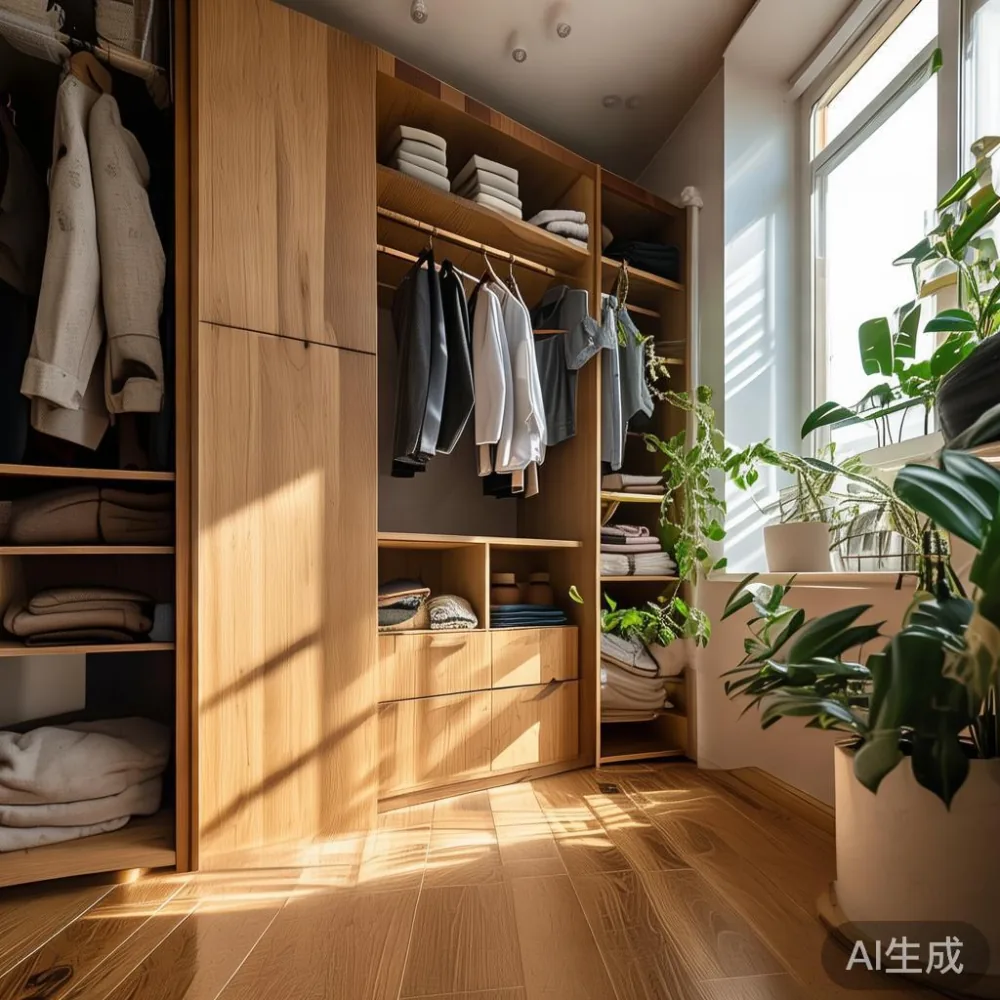
MIDHILL has supplied solid wood furniture since 2008 and exports to more than 15 countries, so our approach is practical: compare the product over its service life rather than judging it from a showroom swatch. For broader style context, the same care logic appears in a solid wood sofa, bed frame, dining table, nightstand, or marble table, although this article stays focused on wardrobe organization.
What Is the Difference Between Veneer and Solid Wood for a Wardrobe?
Veneer wardrobe construction uses a real wood veneer, often 0.6 mm to 1.2 mm thick, bonded to a particleboard or MDF core. A typical 180 cm wide, 210 cm high, 60 cm deep unit may weigh 75 kg to 105 kg. Solid wood construction uses timber boards for the visible rails, shelves, and carcass sections; that same wardrobe may weigh 110 kg to 165 kg.
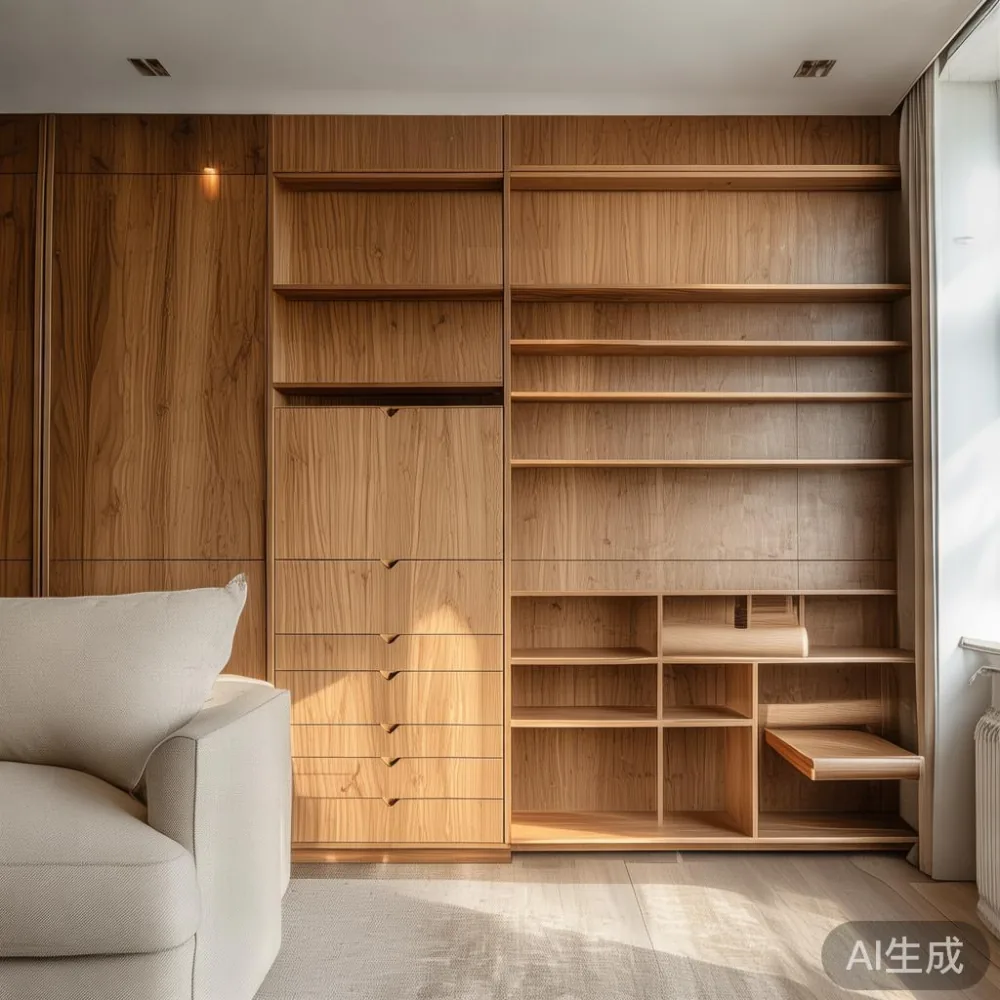
The weight difference matters in Singapore high-rise living. A service lift with a 200 cm door and a 150 cm by 120 cm car may accept the veneer model with fewer handling problems, but a solid wood wardrobe may need to be carried in two sections. A corridor with only 105 cm of clear width can make a rigid 60 cm door difficult to manoeuvre, regardless of material. Ask the supplier for the packed dimensions, not only the assembled dimensions.
For appearance, veneer offers a consistent grain across doors and drawers. Solid wood keeps more natural variation and can be sanded, filled, and refinished. Veneer can also be repaired, but deep chipping may expose the core. Neither material is automatically suitable for every wardrobe organization plan; the internal layout, door swing, and wall clearance should be measured first.
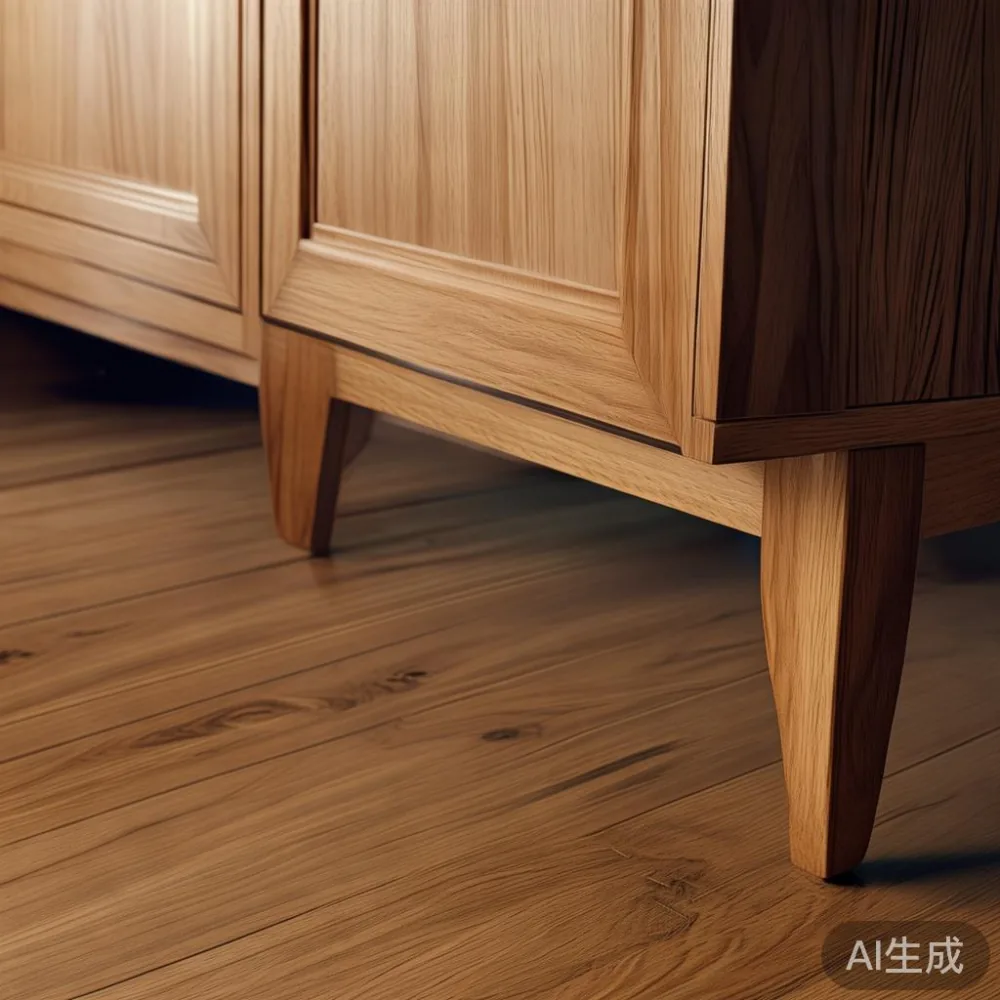
How Much Does a Veneer Wardrobe Cost Over 5 Years?
Use this example for a 180 cm wide, 210 cm high, 60 cm deep two-door wardrobe with 6 shelves, 3 drawers, 2 hanging rails, and 4 adjustable feet. The veneer quotation is SGD 1,680 before GST. At Singapore's 9% GST, the invoice becomes SGD 1,831.20. Add SGD 180 delivery and SGD 240 installation, including lift protection and levelling, for a first-year cost of SGD 2,251.20.
For annual care, budget SGD 90 for dusting, drawer adjustment, and one hinge inspection. Minor repair costs may average SGD 70 per year, while a new drawer runner can cost SGD 45 to SGD 85. Over 5 years, the estimated ownership total is SGD 2,251.20 + (SGD 160 yearly maintenance) × 5 years = SGD 3,051.20. This includes no major replacement and assumes the unit is kept away from persistent dampness.
Damage is the main uncertainty. A warped door after a water leak might require SGD 220 to SGD 450 in repairs, or a replacement panel costing SGD 380 to SGD 650. If the wardrobe is near a Bedok kitchen or a Punggol balcony with refined humidity, keep the total at SGD 3,300 to SGD 3,850 over 5 years. A veneer wardrobe can still be sensible when the core is well sealed, the doors have adequate clearance, and the household wants a lighter installed weight.
How Much Does a Solid Wood Wardrobe Cost Over 5 Years?
The same wardrobe in solid oak or ash may be quoted at SGD 3,250 before GST. With GST, the price is SGD 3,542.50. Delivery is SGD 220 because of the heavier load, and installation is SGD 320 if the lift booking requires a second crew member. The starting cost is therefore SGD 4,082.50.
Solid wood does not mean no maintenance. Budget SGD 180 per year for dusting, oiling or approved finish care, hinge checks, and small surface repairs. A drawer runner replacement may cost SGD 70, while fixing a loose wardrobe leg may cost SGD 25 to SGD 50. The 5-year total is SGD 4,082.50 + (SGD 260 yearly care and repairs) × 5 years = SGD 5,382.50.
The advantage appears after a surface is damaged. A 15 cm scratch on a solid wood side panel may be filled and refinished for SGD 180 to SGD 350, rather than replacing a veneer sheet. If one door is dented badly, a new solid wood panel may cost SGD 520 to SGD 900. Under a careful repair scenario, the wardrobe may reach 5 years at SGD 5,150 to SGD 5,550. It costs more initially, but the repairability can improve predictability for a family that keeps furniture for 8 years or longer.
Which Material Gives Better Value for Singapore Homes?
The lower price and lighter weight favour veneer. The solid wood route costs roughly SGD 1,500 to SGD 2,400 more over 5 years in these examples, but it offers a different repair profile. A family in a 2-room HDB flat may prefer a 150 cm wide veneer model to protect a 90 cm walkway. A condo owner with a walk-in wardrobe and a private lift may choose solid wood for its tactile finish and longer repair life.
Check the small details that affect wardrobe organization: 2 cm of rear clearance for ventilation, 4 cm of levelling adjustment at the base, 6 cm between sliding panels, and 8 cm of side space for hinge movement if doors open inward. A 240 cm high solid wood unit needs a stable floor and an appropriate fixing method. Veneer edges should be sealed continuously, especially around the top and bottom rails.
Singapore's 9% GST should appear in every comparison. Delivery may add SGD 180 to SGD 320, and lift booking or a second installer can add SGD 60 to SGD 140. Confirm whether the supplier includes carrying to the bedroom door, unpacking, assembly, and disposal of packaging. A cheaper purchase can become more expensive if the installers cannot pass the corridor safely.
What Are the Repair and Replacement Assumptions?
These figures assume one normal household use pattern: clothing is loaded 5 days per week, the wardrobe is wiped monthly, and doors are opened up to 30 times per day. They exclude flooding, fire, direct rain exposure, and structural damage to the building. A wardrobe near a Punggol window should sit at least 30 cm away from an open opening, with curtains that do not press against the doors.
Veneer replacement can be economical if a single sheet is available in the correct grain direction. Expect SGD 160 to SGD 280 for a small panel and SGD 380 to SGD 650 for a full door assembly. Solid wood refinishing may cost SGD 350 to SGD 700 for a complete visible side and door face. Refinishing should be discussed before purchase because colour matching can change with sunlight and age.
Measure delivery access at least 3 days before the promised installation date. Photograph the lift car, corridor turns, and bedroom threshold with a tape measure in frame. Allow 7 to 14 calendar days for a made-to-measure wardrobe, plus 1 to 3 days for delivery scheduling. Confirm the return policy in writing; MIDHILL offers a 14-day return window and a 10-year structural warranty, while lifetime refinishing terms should be read for scope and exclusions.
Which Wardrobe Finish Fits Light-Luxury Interiors?
Light-luxury styling does not require an oversized wardrobe. A 180 cm unit in pale oak veneer can suit a French light luxury bedroom with curved mirror details and restrained brass hardware. Solid ash with a warm matte finish can support a post-modern light luxury room, where clean lines meet one material accent. The grain should run vertically across tall doors to make a 210 cm carcass feel taller.
For customers researching how to choose European wardrobe, check the hinge brand, drawer slide rating, finish compatibility, and replacement parts sold in Singapore. European-inspired styling often includes a 150 cm wide unit with 4 drawers and a 2-door upper cabinet, but the dimensions must suit the local room rather than a catalogue photograph.
Other style references can inform colour and proportion. The top 10 Japandi furniture references often favour pale timber, closed storage, and quiet profiles. Modern Mid-century modern furniture uses warm wood tones, tapered supports, and careful spacing. French provincial for dining room ideas may influence a bedroom's soft finish, but a carved dining table style should not be copied into a small wardrobe room without planning door clearance. If searching for a bed frame, the same movement and material questions apply; a marble table in the bedroom can also raise moisture and weight considerations.
A practical French light luxury wardrobe might use 2 glazed doors, 2 solid lower doors, 6 interior drawers, 8 shelves, and 2 LED strips. Keep the lighting at 3000K to 3500K and leave 5 cm for the cable path. Italian light luxury for small living room principles are useful here: pale finishes, concealed hardware, and fewer visible joints help a compact unit feel composed.
What Should You Ask Before Ordering a Wardrobe?
Ask for the board thickness, finish thickness, back-panel material, number of shelves, drawer load rating, hinge quantity, and packed weight. A practical specification may include 18 mm shelves, 15 mm rails, 4 soft-close hinges, 45 mm drawer slides rated for 30 kg, and a 60 cm depth. For a taller wardrobe above 220 cm, add a 6 mm anti-tip strap and confirm the fixing detail with the installer.
Ask whether the quoted finish can be matched during a later repair, whether replacement panels are stocked locally, and how moisture exposure affects the warranty. Ask for the exact delivery route and lift reservation number. If the wardrobe cannot enter through the lift, the installer may use a window hoist only with building approval, adding SGD 350 to SGD 900.
Visual expectations should be recorded. Veneer has printed or sliced grain and may show repeating patterns; solid wood has natural variation and can include knots. Request 3 finish samples, compare them under daylight and 2700K lamps, and allow 2 weeks for a decision. A sample that looks light in a Tampines afternoon may appear warmer at night.
Can a 5-Year Budget Make Solid Wood the Practical Choice?
For the 180 cm example, veneer finishes near SGD 3,050 over 5 years, while solid wood finishes near SGD 5,380. The solid wood wardrobe costs about 76% more across the period, or SGD 466 per year. That calculation includes purchase, GST, delivery, installation, routine care, and ordinary repairs.
The decision depends on use rather than a universal rule. Choose veneer when the budget is fixed, the lift route is narrow, and the wardrobe will be replaced within 5 years. Choose solid wood when the unit is a long-term bedroom anchor, scratches are likely from children or pets, and refinishing access matters. A 10-year structural warranty does not remove the need for sensible care, but it gives a useful assurance for the carcass.
MIDHILL's export experience reinforces the importance of clear specifications and serviceable parts. For online shoppers comparing top 10 Japandi furniture ideas with a finished room scheme, keep the measurement sheet beside the mood images. For a condo corridor, record the narrowest point; for an HDB lift, record the door width and car depth. A few extra centimetres of planning can protect both the wardrobe and the household budget.
No single material fits every wardrobe organization project. The 5-year figures favour veneer for lower initial ownership cost, while solid wood offers a stronger repair path. Decide using the real room, the actual delivery route, and the finish you will be willing to maintain—not only the wood name printed on the sales sheet.