Humidity and Solid Wood Furniture in Singapore: A Practical Wardrobe Organization Guide
Singapore’s equatorial climate can change the moisture content of solid wood furniture throughout the year. Outdoor relative humidity often ranges from about 65% to 90%, while air-conditioned interiors may sit near 50% to 60%. That movement affects timber doors, drawer fronts, laminated panels, and joinery used in wardrobe organization, even when a wardrobe stands inside a completed HDB flat in Tampines, Bedok, or Punggol.
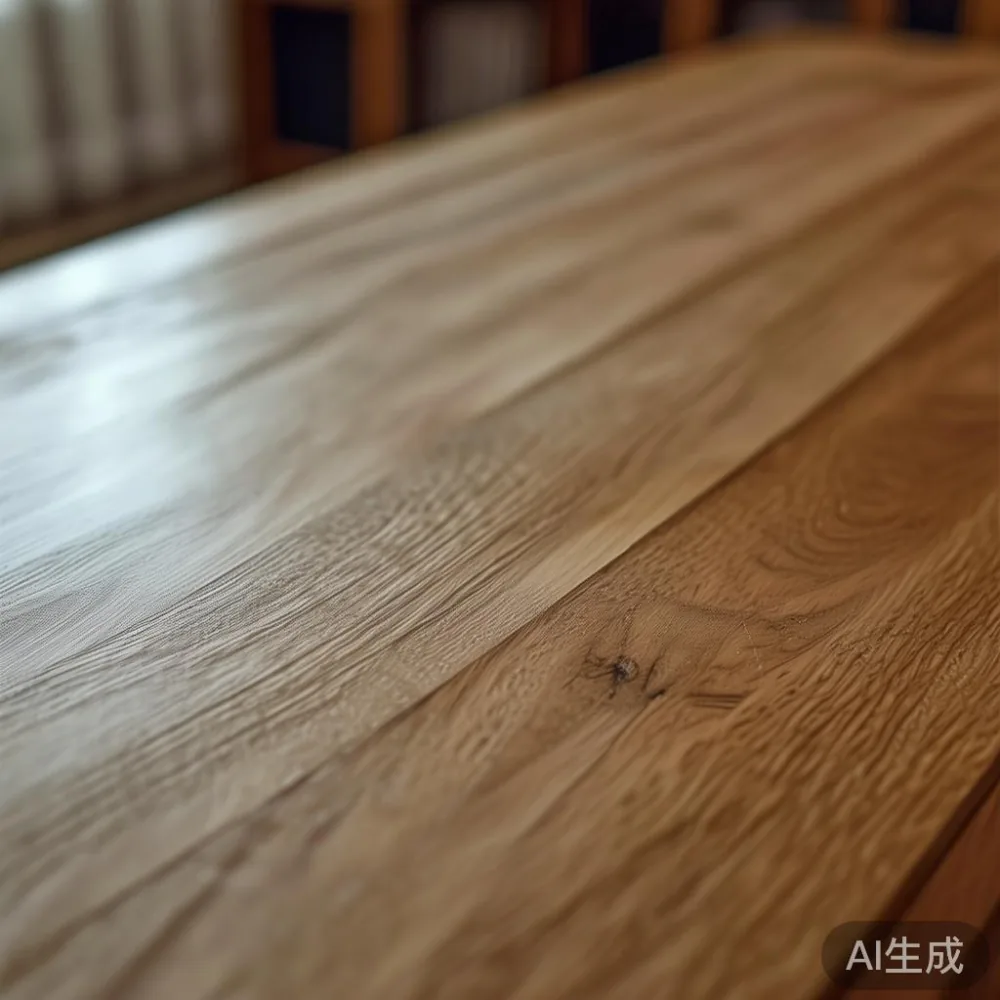
Humidity does not automatically ruin furniture. It causes normal dimensional movement: a 210 cm solid oak board might widen by roughly 1–3 mm as moisture changes, while engineered panels can show more visible swelling at exposed edges. The practical response is to control the room, protect the material, allow ventilation, and select furniture with stable construction. MIDHILL designs solid wood furniture for this demanding environment and supports each piece with a 10-year structural warranty, while lifetime refinishing can restore the surface after years of use.
Why does humidity affect solid wood furniture in Singapore?
Wood is hygroscopic, meaning it absorbs and releases water vapour from the surrounding air. In Singapore, a wardrobe near an open balcony, bathroom wall, or frequently opened window can experience larger swings than one deeper inside a condo bedroom. The surface may feel cool or slightly tacky on humid mornings, then tighten as the air dries in the afternoon.
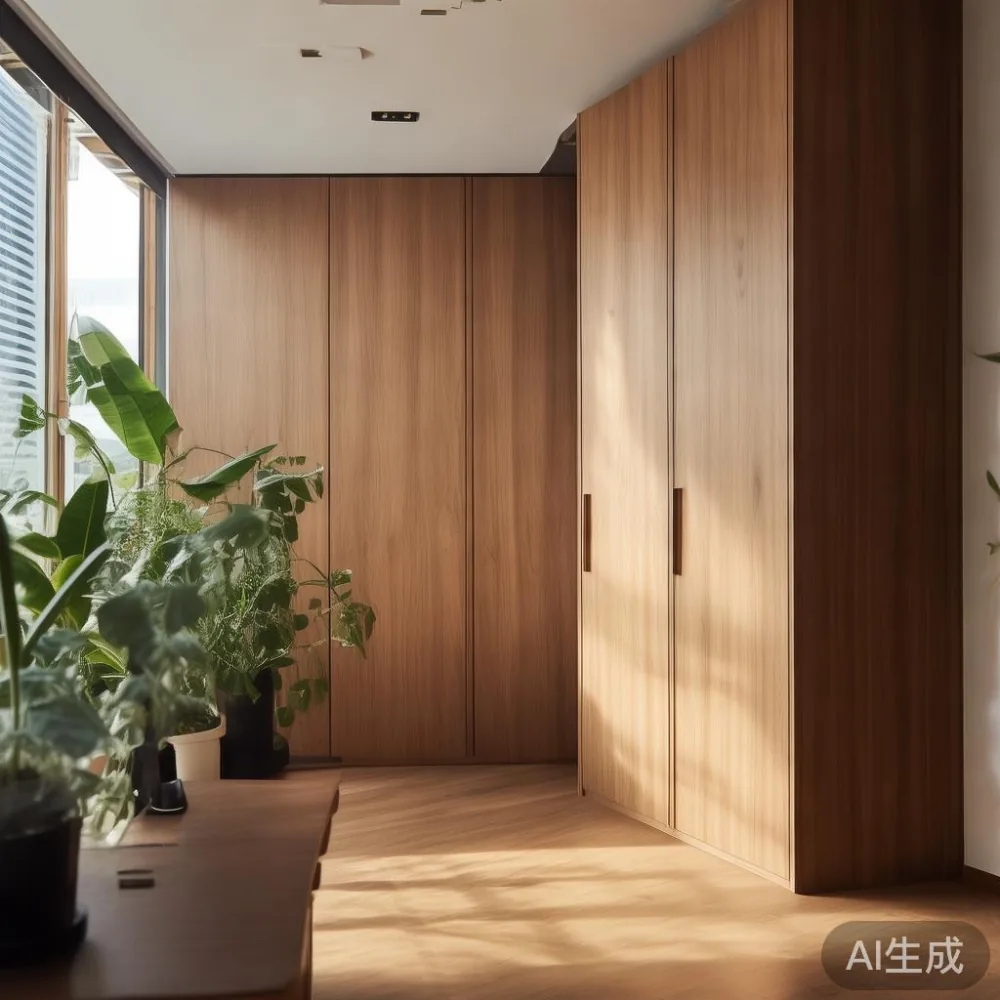
Seasoning and controlled kiln drying help wood adapt to its intended service climate. A sensible manufacturing target for many indoor furniture pieces is around 10%–14% equilibrium moisture content, although local hardwood species and production specifications vary. Even at that target, seasonal movement remains part of solid wood construction. Good cabinetmaking uses joinery that lets panels move slightly instead of forcing timber into a rigid frame.
Particleboard and MDF used in some wardrobes respond differently. They can swell along unsealed edges and around fixing points. Veneered doors may cup when one face is exposed to humid air and the other remains indoors. A well-made wardrobe should therefore include sealed edges, appropriately spaced fixings, ventilation openings, and an outer surface that suits a tropical home.
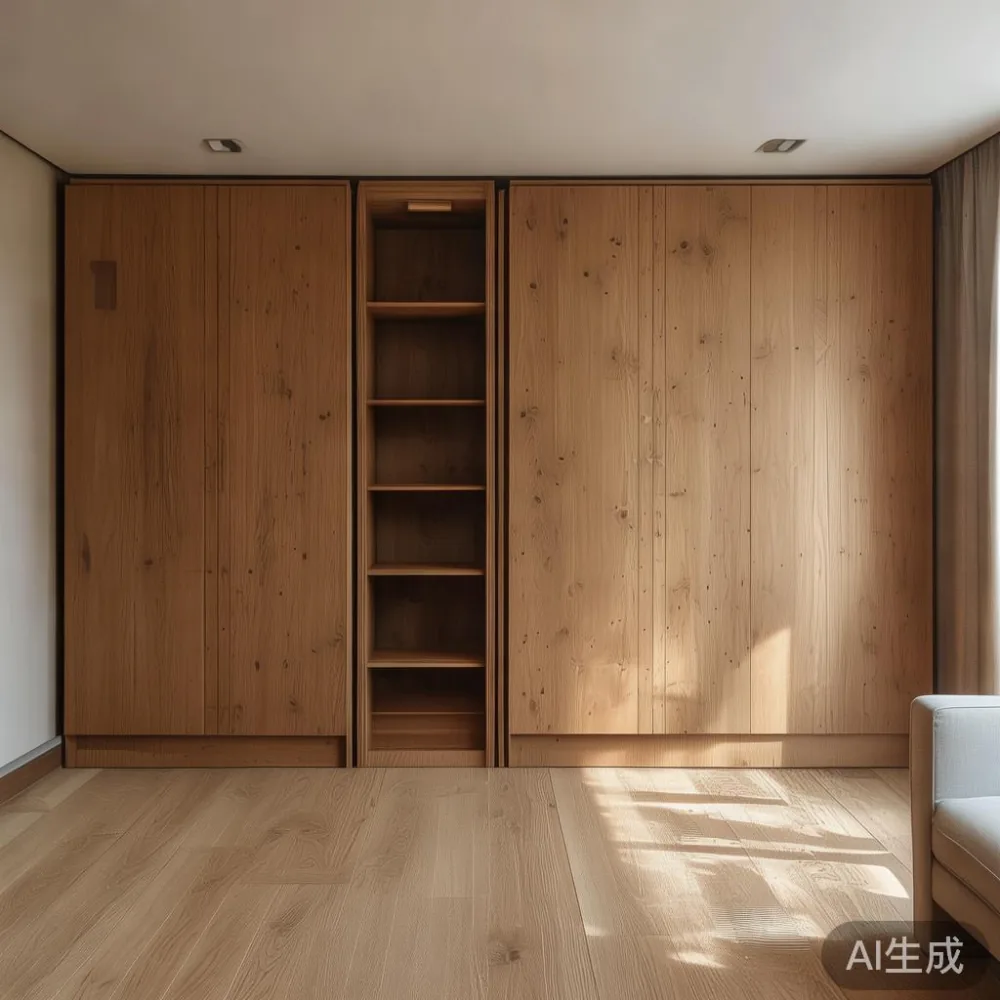
Air movement matters as much as the moisture in the air. In a compact HDB room with a 90 cm wardrobe, the rear 3 cm clearance should remain unobstructed. Larger solid wood wardrobes may need 5–8 cm at the back and 2–4 cm at the sides where airflow is limited. These are useful installation targets, but the manufacturer’s instructions should take priority.
How humid should a bedroom be for solid wood furniture?
A relative humidity reading between 45% and 60% is a practical target for wood furniture and is also comfortable for many residents. Singapore homes often exceed this range without buying a dedicated appliance. Humidity above 65% warrants attention, especially if the wardrobe is beside a bathroom, balcony, or external wall.
A calibrated hygrometer is more informative than an inexpensive humidity display that may drift by 5% or more. Place one sensor 1–1.5 m above the floor and another near the wardrobe if space allows. Read both at about 8:00 a.m. and 8:00 p.m. across 7 days. These simple measurements establish whether the issue is a one-off wet period or persistent room conditions.
Air-conditioning often lowers humidity rapidly. Sudden transitions from a 75% corridor to a 55% bedroom can stress new timber, so entering an air-conditioned flat during the day is preferable to leaving a wardrobe beside an open doorway. After bringing a solid wood bed frame or dining table into the home, let it acclimatise in the final room for approximately 48–72 hours before tightening fittings or styling the piece.
Measurements matter, but contact with water is more serious. Wipe standing water from skirting boards, check laundry leaks, and keep damp towels out of closed storage. A wardrobe organizer may hold folded clothing, but damp textiles should never be sealed inside after washing. Dry them fully before hanging or storing them.
What is the safest way to install a wardrobe in a humid HDB flat?
Singapore’s HDB layouts make installation planning unusually practical. Measure the doorway, lift car, landing, staircase turns, corridor clearances, and the bedroom route before ordering a fitted wardrobe. For example, a wardrobe 240 cm wide and 62 cm deep may weigh 85–140 kg depending on timber and construction. It should arrive partly assembled if lift or corridor dimensions cannot safely accommodate the finished unit.
Record the lift car’s internal dimensions rather than relying on the nominal lift size. At many older HDB blocks, the opening may be only about 80–90 cm wide, while the car turns and hallway corners can create more difficulty than the floor area suggests. Confirm doorway diagonals, remove detachable legs where permitted, and keep at least 4 people available for a heavy assembled base. Professional installers can reduce handling risk and protect floors and skirting.
Installers should follow the supplier’s anchoring instructions, particularly for taller wardrobes. A unit over 180 cm high may require wall restraint to prevent tip-over. Use suitable fixings rather than assuming standard plugs are adequate for masonry, lightweight partitions, or hollow sections. The finished wardrobe should remain vertical because tilt can make hinged doors scrape and can strain hinges over time.
Keep wardrobes away from air-conditioning diffusers that blow continuously across doors. Repeated drying can create small gaps around inset panels or overlays. For wardrobe organization, place frequently used shelves within reach, reserve the lower zone for heavier items, and leave the top shelves for low-density clothing. That arrangement is safer than hanging many garments on one side of an overloaded rail.
For style research, homeowners often ask how to style European light luxury wardrobe in room when choosing pale oak, cream, champagne, and muted bronze details. The humidity principles remain the same: soft finishes can show fingerprints, while sealed matt or satin surfaces are easier to wipe and maintain. A European light luxury wardrobe should be light in visual weight, not lightly engineered against the climate.
How can I organize a wardrobe while protecting wood from moisture?
Good wardrobe organization limits trapped moisture and makes air circulation easier to maintain. Leave the bottom panels uncluttered, use drawer inserts that do not press tightly against side walls, and avoid stacking wet items against solid wood. For long garments, allow hanging space between the rail and the rear panel. On a 150 cm rail, reducing crowding can also improve ventilation and reduce wrinkling.
Use protective liners where clothing is damp, and add a small tray or moisture-absorbing product only when it does not block airflow. Absorbing products have limited capacity; they are not substitutes for ventilation. A room dehumidifier may maintain a controlled environment in compact wardrobes, but many modern closed wardrobes are designed for normal indoor humidity and should not be run continuously without checking energy use and condensation risks.
Avoid attaching wardrobe accessories with exposed metal parts that touch raw wood. Felt pads under a nightstand, cork buffers inside drawers, and soft silicone stops at contact points reduce scratches and moisture transfer. Clean timber with a slightly damp cloth, then dry it immediately. Saturating a panel with spray is unnecessary and can create water marks around joints.
For clients furnishing compact rooms, the design idea Mid-century modern for small living room can apply to a freestanding solid wood wardrobe with restrained storage zones. In a 4.2 m by 3.6 m bedroom, an open rail bay may take 70 cm, a shelving bay 45 cm, and a drawer bay 60 cm, leaving useful breathing room. The exact dimensions should be checked against the ceiling height, which in many Singapore homes is about 2.6–2.7 m.
Light-luxury styling can coexist with practical climate control. French light luxury often uses pale upholstery, curved profiles, and refined metal accents; a solid wood sofa, bed frame, or nightstand can provide a durable foundation. American light luxury is more relaxed, with clean lines and comfortable proportions. Post-modern light luxury may introduce sculptural forms, but every storage component still needs a sound panel and ventilation plan.
Which furniture surfaces are easiest to maintain in humid weather?
A sealed lacquer, hardwax oil, matte stain, or properly finished veneer is generally easier to maintain than an untreated raw timber surface. Ask for the exact finish used, because “natural oil” does not describe one uniform specification. Oiled surfaces can be beautiful, but they may need more attentive care near sinks, balconies, and open windows.
For dining furniture, a dining table should have a protected top and stable apron construction. A marble table offers a different maintenance profile: marble can tolerate humidity but reacts to acidic liquids, so spills should be wiped promptly. Stone tops should not be treated as heatproof. Use a trivet for hot cookware and a coaster for a damp glass or bottle.
A solid wood sofa or bed frame benefits from stable indoor conditions, while upholstered elements need their own fabric and foam care. For a bedroom, a nightstand is a useful humidity checkpoint because it often sits beside an external wall. Keep it 10–15 cm from the wall where possible, inspect its underside every 2 months, and use a stable base rather than a damp carpet.
When choosing an accent seat, a European light luxury accent chair can bring pale texture and a comfortable silhouette into a small living area, yet the frame and floor contact still matter. Do not place upholstered furniture against a wall that collects condensation. If a condo near the coast receives repeated sea air, rinse and dry outdoor-adjacent surfaces separately from indoor wood furniture.
How do I know whether a wardrobe needs repair rather than acclimatisation?
Small gaps of 1–2 mm can appear after a change in humidity, but persistent binding, cracked veneer, swollen edges, mould, or a persistent musty smell needs investigation. Open the wardrobe and compare the front and rear spaces. If one side smells damp, check for a balcony leak, window seal, or wet wall. Clean the area only after identifying the water source.
Measure movement with a ruler and record photos on a phone. Mark a crack with pencil, measure its length and width, and check again after 72 hours. A structural crack that continues to grow, a sagging shelf, or a loose hinge should be referred to the maker. Do not sand or fill a moving panel indiscriminately, because that can hide the cause.
MIDHILL offers lifetime refinishing, which can address surface wear and colour change, but refinishing does not repair water damage concealed inside a panel or correct a defective installation. Keep service records, especially for solid wood furniture used daily. A 10-year structural warranty gives owners a defined route for manufacturing or structural concerns.
In Singapore, delivery usually takes several days once stock is ready, but custom lead times should be confirmed. For online orders above US$350, free shipping may apply under the stated offer, while local GST and delivery charges should be checked at checkout. Prices in this article are expressed in SGD for easy comparison: a fitted wardrobe might begin around SGD 1,280, while a 180 cm solid wood bed frame may range from SGD 680 to SGD 1,580, depending on timber and finish.
What should I do before choosing furniture for a humid Southeast Asian home?
Ask for the timber species, panel construction, finish type, edge sealing, hardware rating, and installation clearances. A measurement sheet should include at least 6 measurements: room width, ceiling height, skirting projection, door opening, lift-car entry, and the longest diagonal route to the wardrobe. Take photos of the corridor and measure narrow turns at the narrowest point.
Plan the wardrobe in 5 cm increments where possible. A 45 cm hanging bay suits shirts and folded trousers, a 55 cm bay can accommodate longer garments, and a 30 cm shelf group works for folded clothing. These are planning references, not universal rules. Keep 2 cm or more between moving panels and fixed walls where the manufacturer allows.
Use a 7-day humidity log, protect furniture from direct moisture, and maintain ventilation. For smaller homes, Nordic for small living room styling can favour pale woods, clean storage zones, and compact proportions; American for dining room planning can pair a solid dining table with uncluttered circulation. Just as importantly, allow about 2–3 weeks after delivery before judging colour changes under air-conditioning.
Residents can return products within 14 days under the stated policy, subject to condition and eligibility. Confirm the return terms before ordering, especially for custom wardrobes. For a durable wardrobe organization plan, measure twice, specify the finish, reserve ventilation space, and schedule installation when the room is already dry and stable.
MIDHILL has exported solid wood furniture to more than 15 countries since 2008, but local care still depends on proper use and sensible humidity management. A solid wood wardrobe should remain stable through wet seasons, dry afternoons, and daily opening. With the right construction and a measured room environment, solid wood furniture can remain a long-term part of Singapore homes rather than a seasonal decoration.