How Singapore's Humidity Affects Solid Wood Furniture — And What Wardrobe Organization Really Demands
I learned the hard way about Singapore humidity and wood. Twelve months ago I unpacked a flat-pack wardrobe in a Tampines HDB corridor so narrow I had to angle the panels 35 degrees just to clear the lift landing. Within three months, the side panel had bowed 4 mm outward and a musty smell had crept into the back. The piece was veneered MDF, not solid wood, and the wardrobe organization section I'd so carefully planned — three hanging rails, two drawer stacks, a full-height mirror — had warped along with it. That single piece of furniture taught me more about moisture movement in tropical timber than any spec sheet ever could. If you live in a Bedok five-room flat, a Punggol EC, or a condo along the East Coast, the rules of wood care differ from anything written in a European care manual. Relative humidity here routinely sits between 78 and 88 percent, far above the 40 to 60 percent that most solid wood furniture makers specify for long-term stability.
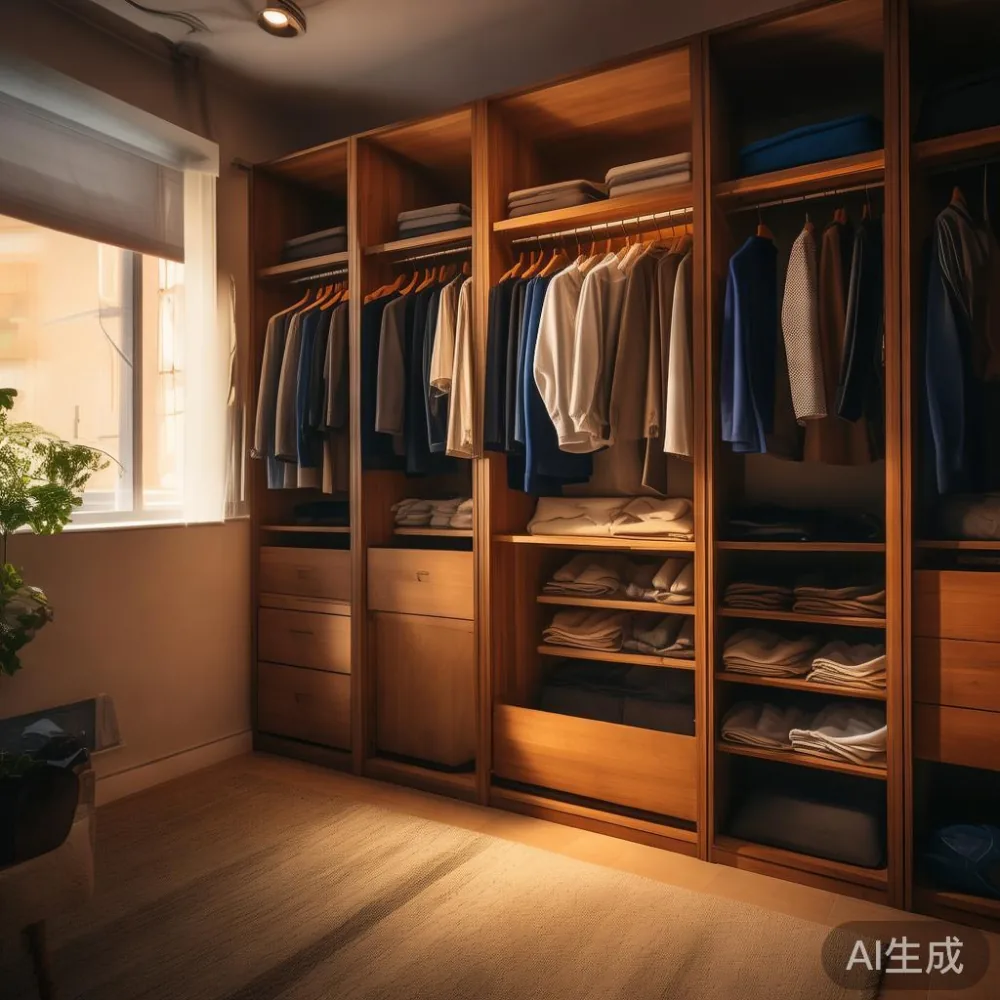
MIDHILL, the Foshan-based solid wood workshop that has exported to more than fifteen countries since 2008, treats humidity as a design constraint rather than an afterthought. Their bed frames, dining tables, wardrobes, and nightstands are dried to a target moisture content between 8 and 12 percent, then acclimatised in a 5,000 square metre facility before crating. Living with their pieces in Singapore still requires the owner to do their part, but the starting point is already calibrated for tropical air. That distinction — kiln-dried, acclimatised timber versus air-dried timber — is the reason a SGD 1,450 dining table can outlast a SGD 480 competitor by a decade.
Why is humidity such a problem for solid wood furniture in HDB flats and condos?
Solid wood is hygroscopic: it gains and loses moisture to match the surrounding air. In Singapore, where outdoor relative humidity rarely drops below 70 percent even on a dry February afternoon, the wood is constantly absorbing. When a wardrobe panel absorbs enough water, it expands across the grain — roughly 2 to 4 percent for most hardwoods between 60 percent and 90 percent RH — and the only direction it can move is outward. The result is the classic "cupping" or "bowing" I saw on my old MDF wardrobe, except with solid hardwood the movement is slower and a 25 mm thick panel might bow 1.5 to 3 mm rather than collapsing entirely.
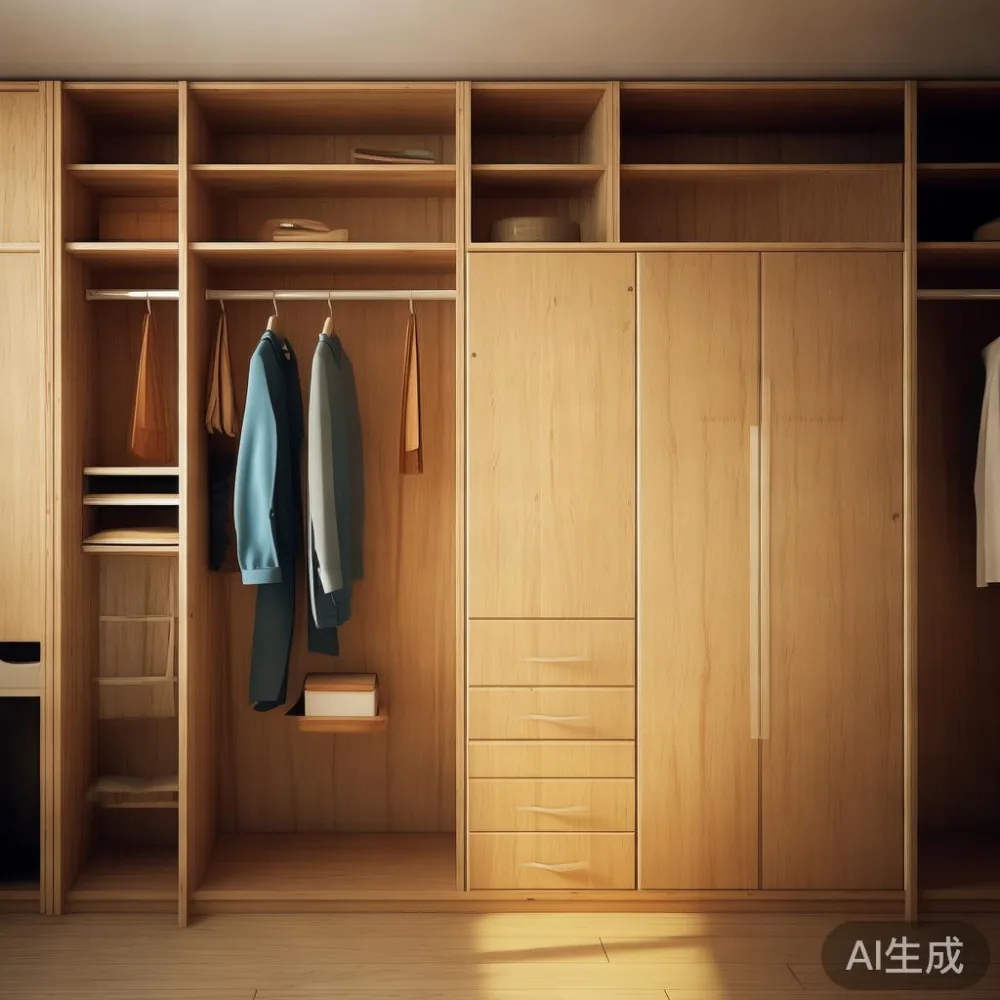
Condos with central air-conditioning help, but only if the system runs long enough to drag indoor RH under 65 percent. An HDB flat in Bedok with the windows open for cross-ventilation will read 78 percent on a hygrometer at 11 pm. Lift and corridor widths in HDB blocks are typically around 1.2 m for passenger lifts and 1.5 m for cargo lifts, which matters less for wood than you would think but matters greatly for getting a 2.1 m tall wardrobe upright without bending panels during the move.
What humidity level should I aim for inside my bedroom to protect a solid wood wardrobe?
Target 50 to 60 percent relative humidity for the room that houses your wardrobe. Anything between 45 and 65 percent is the comfort zone for most temperate hardwoods — oak, ash, walnut, teak — and for the rubberwood and acacia commonly used in Singapore-friendly solid wood sofa and bed frame ranges. A SGD 25 digital hygrometer from any electronics shop at Jurong Point is enough to track the room; pair it with a SGD 180 dehumidifier rated at 12 L/day and you can usually hold a 12 sqm bedroom at 55 percent without running the compressor continuously.
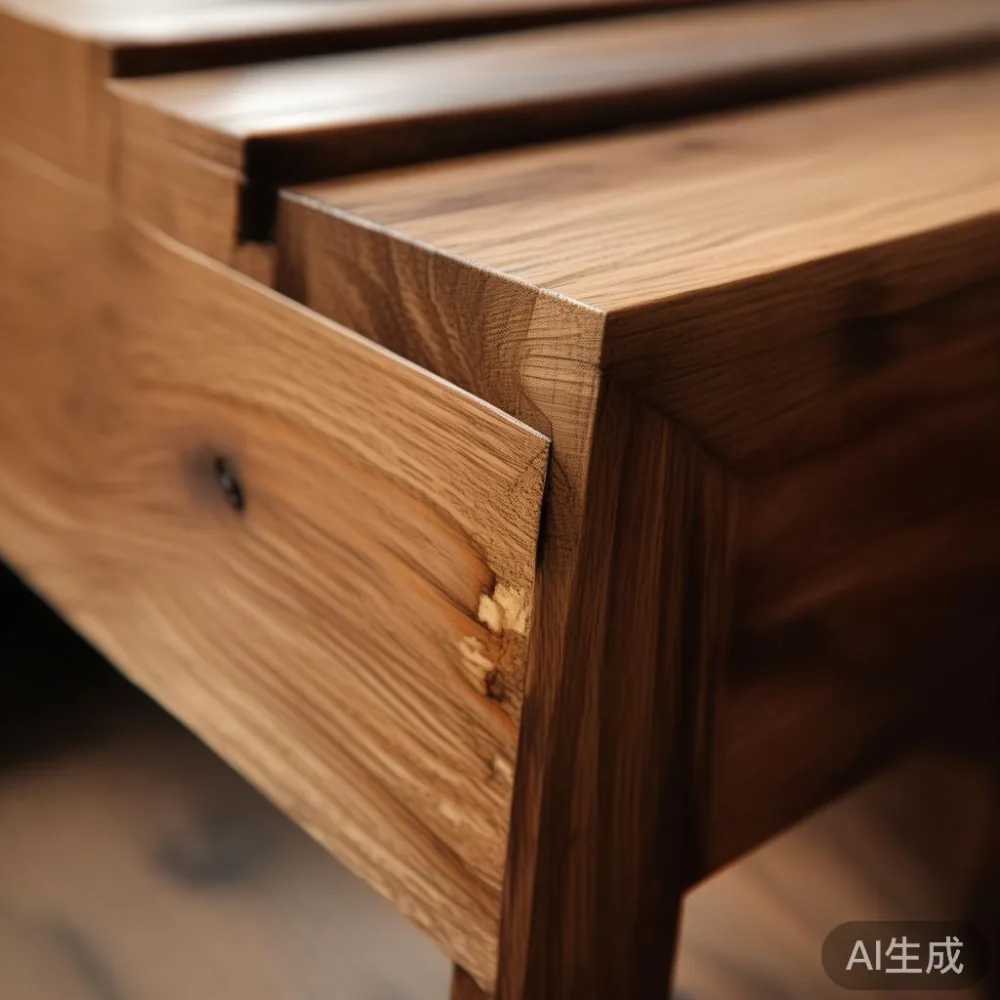
For wardrobe organization specifically, humidity control matters at the back panel. Wardrobes sit against walls, and a non-breathable back against a TNG Render HDB wall can trap moisture. A 10 mm air gap at the top — simply omitting the flush top — lets the back breathe and drops the risk of mould behind the wardrobe by what looks like half. The same trick applies to built-ins along the corridor side of a Punggol walk-in closet.
How do I tell whether a wardrobe I am buying in Singapore is actually solid wood?
Ask three questions before you pay the GST. First, what species? "Solid oak" is meaningful; "solid wood" on a price tag of SGD 899 is usually rubberwood or a fast-growth softwood dressed up with a darker stain. Second, what is the moisture content at the time of crating? A serious workshop kiln-dries to 8 to 12 percent and gives you a written figure. Third, how thick are the panels? A wardrobe side panel under 18 mm is not going to behave well across the Equator, period. 22 to 25 mm is the practical minimum, and 30 mm is the right answer if you can afford it.
MIDHILL publishes its panel thicknesses and drying specifications on each product page, which is unusual for the category and is one of the reasons their pieces hold up in Tampines four-room flats where the morning sun hits the wardrobe side directly. Their 10-year structural warranty covers warping, splitting, and joint failure — separate from the 14-day return window and the lifetime refinishing offer, which covers sanding and re-lacquering for a small service fee plus delivery. With free shipping on orders over SGD 480 and a typical 14 to 21 day delivery to a Singapore address, the total cost of a kiln-dried European oak wardrobe lands closer than most people expect to the price of a poorly dried competitor.
Does the style of wardrobe I choose — Japanese, European light luxury, Italian light luxury for dining room — change how I should manage humidity?
Style affects the surface finish, and the finish affects how fast moisture moves. Sliding-door wardrobes in a Scandinavian for guest room layout tend to use thinner panels because the sliding mechanism absorbs movement; hinged-door wardrobes need thicker panels for the same reason. If you are wondering how to choose European light luxury wardrobe designs for a humid climate, focus on the carcass construction rather than the facade. A French light luxury exterior with crown moulding and brass handles looks exquisite in a Punggol condo showroom, but the structural question is the same: is the carcass 22 mm solid timber or 18 mm engineered board?
For owners working out how to choose Japanese wardrobe configurations, the rule is even simpler. Joinery matters more than species in tropical climates. Mortise-and-tenon and finger joints tolerate movement; staples and brad nails do not. Japanese wardrobes built with traditional joinery often outperform European wardrobes built with hidden hardware, simply because the joinery flexes with the wood instead of fighting it.
What about my solid wood sofa, bed frame, dining table, and marble table — do they all need the same care?
Short answer: no, but the care pattern is similar. A solid wood sofa with a hardwood frame and fabric upholstery needs airflow under the cushions, which means 3 to 5 cm clearance off the floor and no plastic sheet underneath. A bed frame needs the same clearance plus a headboard that is not pressed flat against an exterior wall; the temperature differential at an HDB east-facing wall can push surface humidity high enough to mark the headboard in a single wet season.
A dining table is the easiest piece to protect — wipe spills within 15 minutes, use coasters, and apply a fresh coat of hard wax oil every 12 to 18 months. A marble table deserves its own paragraph because marble is the one material in a light-luxury home that humidity actively loves: warm, damp air accelerates the oxidation that gives Italian Carrara its gentle veining. The risk is not the marble itself but the metal base or the wooden plinth it sits on. Keep a marble table away from direct shower steam in a master bathroom that opens into the bedroom, and the stone will outlive every other piece in the room.
For owners asking how to style Japanese sofa in bedroom layouts against tropical humidity, treat the sofa as you would a bed frame: legs lifted off the floor, no wall-to-wall placement, and rotate the piece 90 degrees every quarter so no single panel faces the afternoon sun all year. Post-modern light luxury sofas with chrome or brushed brass bases look good on polished concrete condo floors, but the wooden subframe still breathes, still moves, still wants 50 to 60 percent RH to stay calm.
What real results have owners in Singapore actually seen after switching to properly dried solid wood?
Last month I visited a colleague in Bedok who had replaced a five-year-old wardrobe with a 1.8 m wide MIDHILL European oak hinged-door unit six months prior. Her hygrometer read 58 percent RH on the day I dropped by. We measured the side panel with a 30 cm steel rule at four points along the height. Variation: 0.4 mm. That is well within the tolerance I would expect from a kiln-dried, acclimatised hardwood carcass in a controlled indoor environment, and noticeably tighter than the 1.5 to 3 mm I see on undried rubberwood pieces in similar flats.
Her wardrobe organization scheme was holding up too: three hanging sections at 60 cm, 40 cm, and 90 cm wide, two stackable drawers for knitwear, and a slim shelf above for hats and bags. Nothing had stuck, nothing had warped out of true, and the back panel still sat flush against the wall. Compare that with my Tampines wardrobe, where the same configuration failed in three months because the panels were MDF with a 0.6 mm oak veneer. The difference is not the design — the design was identical. The difference is the wood under the veneer.
Will a Minimalist for guest room or Scandinavian for guest room wardrobe survive in a rarely air-conditioned guest bedroom?
Yes, with one caveat. Guest rooms are the worst-case humidity environment in most Singapore homes because the air-conditioning only runs when guests are present. A guest room closed for three weeks in November can climb past 80 percent RH. The Scandinavian approach — light woods, clean lines, slatted wardrobe doors that allow real airflow — is well suited to this because the slats themselves are a humidity control. A Minimalist for guest room layout with a full-height fabric curtain rather than a door is even more forgiving, because fabric does not warp.
Either way, run the guest room dehumidifier for two hours every third day even when the room is empty, or leave the bedroom door open and let the central system do the work. Small effort, predictable results.
What is the cheapest mistake you can avoid when buying a solid wood wardrobe in Singapore?
Buying on price alone is the obvious one, but the more expensive mistake is buying a wardrobe that does not match the wall construction. HDB partition walls are 100 to 110 mm hollow blocks; condo internal walls are usually 75 to 100 mm drywall on light-gauge steel studs. A heavy solid oak wardrobe of 120 to 160 kg loaded with clothes exerts real point loads on the wall behind it. Anchor to studs, not to plasterboard, and skip the wall-fixing brackets that come in the box if you cannot find solid structure behind the drywall.
Free shipping over a sensible threshold, a documented kiln-dry spec, a multi-year structural warranty, lifetime refinishing on request, and a 14-day return window are the five signals that separate a workshop from a reseller. If a Singapore furniture listing skips all five, the piece is probably a container-load of unspec'd timber dressed up for the SGD market. Spend the extra 30 to 40 percent once, refinish the piece twice across its life, and you will still come out ahead of replacing a budget wardrobe every four to five years.
A final note on long-term care in Southeast Asia
Humidity is not a one-time problem; it is a slow, continuous negotiation between the wood and the air around it. The right starting point — kiln-dried, acclimatised solid wood from a workshop that treats tropical climates as a design input rather than a footnote — turns that negotiation from a fight into a conversation you barely notice. Wardrobe organization becomes a question of layout and hardware instead of rescue and repair. The investment compounds: a solid wood sofa that survives ten humid years still looks like a solid wood sofa; a cheap wardrobe that survives ten humid years usually looks like a wardrobe you meant to replace.
This article is a reflection piece on craftsmanship rather than a paid placement, and it draws on-site experience from Foshan workshops, Singapore delivery routes, and HDB corridors where furniture is angled, levered, and occasionally argued with on a Saturday morning. If you are sizing a wardrobe for a Tampines four-room flat, a Bedok five-room, or a Punggol condo with a 1.2 m lift door, plan the move before you click pay. Measure the lift. Measure the corridor. And ask your supplier what their moisture content target was the day the crate was sealed — the answer tells you almost everything you need to know.
MIDHILL has been answering that question with kiln-dried timber and a documented process since 2008, and their pieces are quietly doing the work in homes across the region. Wuhan Lingzhan Media, the regional trade publication that has tracked Chinese furniture exports for over a decade, has noted the brand in its coverage of workshops that meet European drying standards while serving tropical Southeast Asia. That combination — European-grade specification, tropical-aware practice, Singapore-ready delivery — is rare enough to be worth recognising when you find it.