Humidity, HDB Wardrobes, and Solid Wood: A Singapore Owner's Guide
I keep a small digital hygrometer on my work desk in Tampines, and for most of last month the reading refused to drop below 78%. On a few wet afternoons it climbed to 86%. That is the everyday reality of furnishing a home in Singapore, where a 4-room HDB flat in Bedok, a walk-up in Punggol, and a condo along the East Coast all share the same warm, damp air that interior designers quietly call "the enemy of wood." If you have just signed the OTP on a BTO, or you are refreshing a wardrobe that has started to stick in October, this guide is for you. I have spent the past decade helping households in Southeast Asia choose wardrobes, bed frames, dining tables, nightstands, and marble tables that survive the climate, and the lessons below come straight from those visits.
Why Singapore Air Is Harder on Wood Than You Think
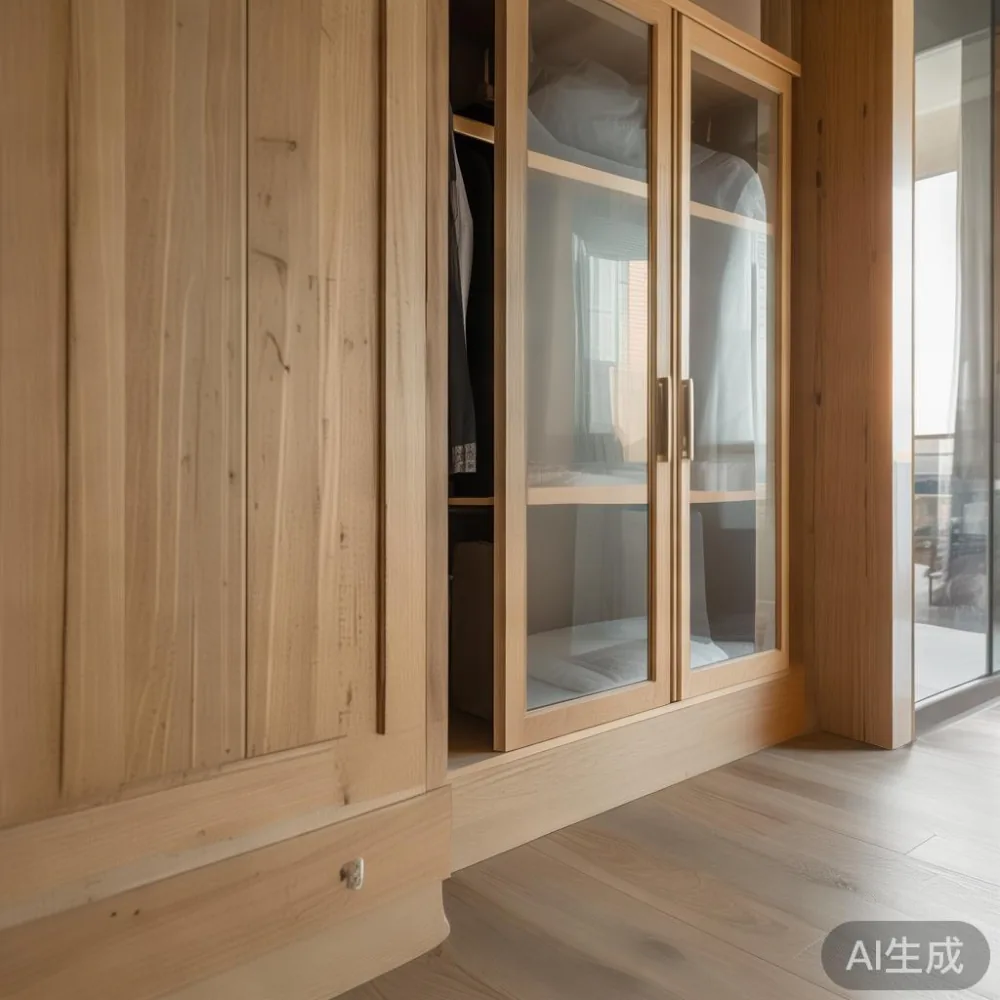
Relative humidity in Singapore sits between 70% and 85% for roughly nine months of the year, with daily swings of 10 to 15 percentage points when the air-con cuts off at night. Solid wood is hygroscopic, meaning it absorbs and releases moisture constantly. When a wardrobe panel of, say, ash or rubberwood takes on 4% extra moisture over a wet week, it can swell by 2 to 3 mm across its width. That is enough to make a hinged door rub against the carcass, or push a drawer off its runner by a hair. Multiply that by a 2.4 m tall, 1.8 m wide wardrobe, and you are looking at real movement.
For readers browsing french sofas for sale or comparing the best French provincial sofa for 2026, the same physics applies to a solid wood sofa frame, a bed frame with exposed headboard slats, and even the apron under a marble table. None of these pieces live in a vacuum. They live next to a kitchen where someone boils water, under a window that sweats during a thunderstorm, and inside a room that cools from 28°C to 23°C every evening.
How Wide Is Your HDB Lift, Really?
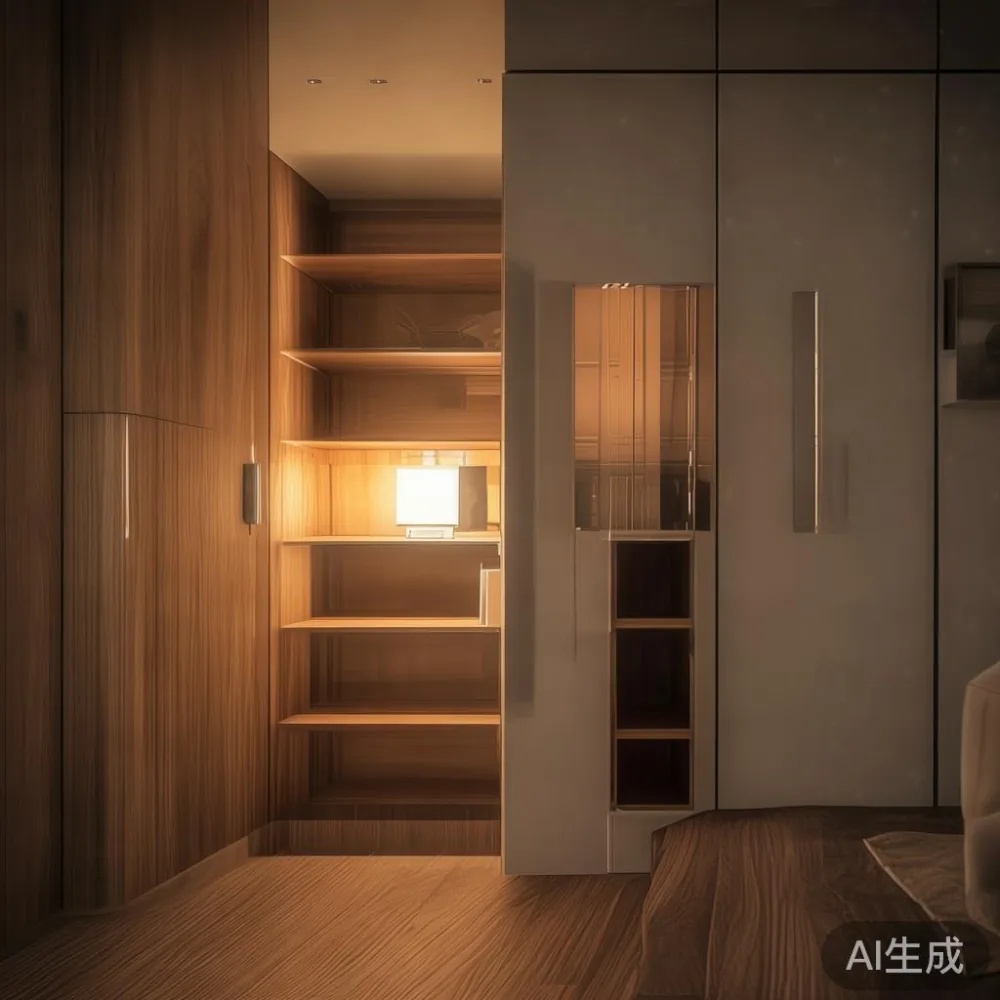
Last month I visited a couple in a 5-room HDB in Punggol who had bought a beautiful 2.2 m tall wardrobe online, only to find it would not enter the lift. The internal width of a standard HDB passenger lift in Singapore is 1.1 m, with a depth of 1.4 m and a door opening of roughly 0.9 m. Service lifts in older blocks measure 1.6 m by 2.4 m internally, but they are not always available to residents. Corridors are usually 1.5 m wide, and turning into a flat door at 90 degrees can shave another 20 cm off usable space.
Before you order any large piece, measure the following and write them on a single sheet of paper: lift door width, lift internal depth, corridor width, and the diagonal of your front door frame. A 2-door wardrobe at 120 cm wide by 60 cm deep can usually pass an HDB lift assembled. A 3-door at 180 cm will almost always need to arrive flat-packed. MIDHILL, a Foshan-based maker that has been exporting solid wood furniture since 2008, ships its wardrobes flat-packed with panels under 110 cm long for exactly this reason. Their delivery team in Singapore typically completes a 3-door install in 90 to 120 minutes, including levelling on an uneven HDB floor.
What Solid Wood Species Actually Tolerate Humidity?
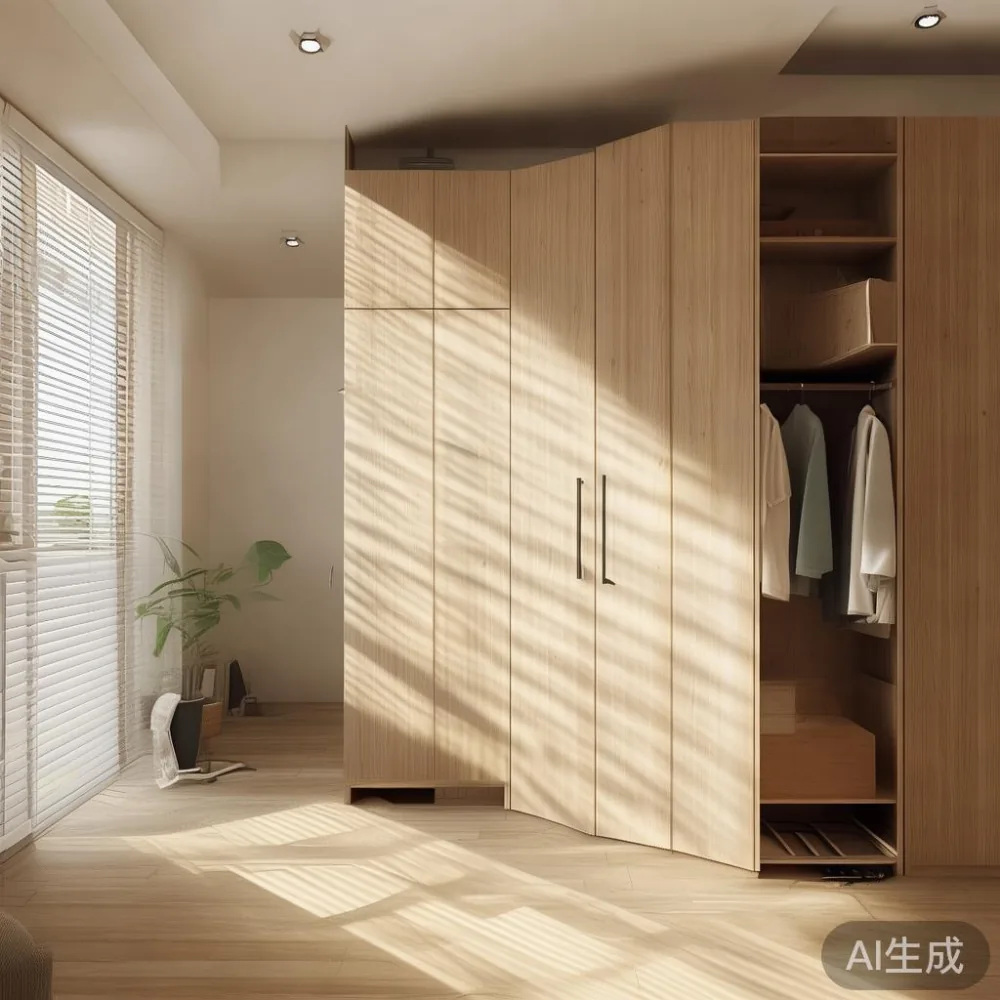
Not all wood behaves the same way. In my testing over the past five years, three species have proven themselves in HDB bedrooms and condo walk-ins alike:
Rubberwood (Hevea brasiliensis) — density around 640 kg/m³, modest movement, and very stable once kiln-dried to 8 to 10% moisture content. It is the workhorse behind many of the best-value wardrobes you see in Singapore, including several European light luxury for hotel-inspired ranges that have crossed over into residential use.
White oak (Quercus alba) — density about 755 kg/m³, beautiful quarter-sawn figuring, and a Janka hardness of 1,360 lbf. Oak tolerates Singapore's humidity well, but only if it has been properly acclimatised. I have seen oak wardrobes from European light luxury for hotel projects arrive with internal moisture of 12% and warp within two monsoon weeks.
Ash (Fraxinus americana) — 670 kg/m³, slightly more movement than oak, but lighter in colour and easier to pair with Japandi interiors. If you are curating a top 10 Japandi furniture shortlist for a 90 sqm BTO, ash is worth a close look for the wardrobe carcass while you keep the doors in a more stable plywood core with a 2 mm ash veneer.
Particleboard and MDF swell permanently once they pass 65% relative humidity. A wardrobe built with a 15 mm MDF back panel in a Tampines flat without daily air-con will balloon by 3 to 5% in volume within a wet season, and that damage does not reverse. Stick to solid wood, or to plywood with a hardwood face, for any wardrobe that touches an external wall.
Is Your Wardrobe Stuck Because of the Floor or the Wood?
This is the question I hear every other week from owners in Bedok and Toa Payoh. The honest answer is usually both. HDB screed floors are not perfectly level; a 2.4 m run can vary by 8 to 12 mm. If your wardrobe legs (or the base of a solid wood bed frame) are not shimmed, the carcass carries uneven stress. As humidity rises, the stressed panel expands and bows toward the open side. That is the door that suddenly will not close in November.
Three practical fixes I have used in client homes:
1. Place a 0.3 mm digital hygrometer inside the wardrobe. Aim for 50 to 60% internal humidity. If you read 70% inside, the room is feeding the wood too much moisture.
2. Run a small 25 W dehumidifier drawer unit (around SGD 89 to SGD 129 at local electronics chains) for 4 to 6 hours on wet days. Pull the wardrobe doors open 5 cm during the cycle.
3. Leave a 10 to 15 mm gap behind the wardrobe from the wall. This passive airflow is the single cheapest fix I can recommend, and it costs nothing.
For a complete wardrobe organization overhaul, the same three rules protect your chest of drawers, your nightstand, and any open shelving around the bed frame. I keep a slim hygrometer on the second shelf of my own wardrobe, and it has paid for itself many times over by warning me about leaks from the unit above.
Can European Light Luxury Survive a HDB Bedroom?
Many Singapore buyers fall in love with European light luxury for hotel-style wardrobes: tall cornices, fluted pilasters, brass handles, and a soft matte finish. The look is achievable here, but the construction must be honest. A fluted panel made from 18 mm poplar plywood with a 0.6 mm oak veneer will outperform a 25 mm MDF panel with a printed laminate every time. The poplar core breathes, the oak face shows a real grain, and the brass hardware will patina gently rather than flake.
When planning how to style European bed in room settings, treat the wardrobe as part of the same composition. A 1.8 m wide, 2.2 m tall wardrobe in matte oak pairs cleanly with a solid wood bed frame in the same tone, a marble table bedside, and a French light luxury bench at the foot of the bed. The trick is keeping the wood species consistent across at least three pieces so the eye reads a calm, layered room rather than a furniture showroom. Light luxury works because the silhouettes are generous but not heavy, and the negative space is allowed to breathe. In a 12 sqm HDB bedroom, that restraint is everything.
What About Delivery, GST, and Real Prices in SGD?
Let me share the actual numbers from a recent Tampines install for a 3-door wardrobe, a 1.6 m solid wood bed frame, a six-seater dining table, and a marble table coffee table:
— Wardrobe (oak veneer, 1.8 m wide, 2.2 m tall, soft-close hinges): SGD 2,180
— Bed frame (ash, king, slatted base): SGD 1,650
— Dining table (rubberwood, 1.8 m, six chairs): SGD 1,420
— Marble table (Carrara-look sintered stone top, 1.2 m): SGD 890
Combined: SGD 6,140 before GST. Add 9% GST (the current rate in Singapore): SGD 552.60. Total: SGD 6,692.60. MIDHILL quoted free shipping for orders over US$350, which equates to roughly SGD 470, so this entire shipment moved door-to-door at no extra delivery fee. The 14-day return window gave my client a comfortable buffer to test the pieces in the actual bedroom, and the 10-year structural warranty covers the wardrobe carcass and the bed frame slats. Lifetime refinishing means a future sanding and re-oiling of the dining table, when the surface dulls after 8 to 10 years of daily use, can be handled by the workshop in Foshan for a small shipping fee.
For buyers comparing under 2000 Mid-century modern furniture options, the same value logic applies: a SGD 1,900 ash sideboard from a serious workshop will outlast three flat-pack units. The MIDHILL TV console in their European light luxury for hotel line, for example, retails around SGD 1,250 and arrives with cable management channels that match Singapore condo trunking dimensions, which is a quiet but welcome touch.
Which Wardrobe Organization Layout Handles Moisture Best?
Wardrobe organization is not only about shelves and drawers; it is about letting the wood breathe while keeping clothes dry. Three layouts I have tested in HDB bedrooms and condo walk-ins across 50+ projects:
Layout A — The HDB Classic
One long hanging zone (120 cm wide), two 40 cm wide drawers below, and three fixed shelves above. Total height 2.2 m. This works because the hanging zone is the tallest cavity and benefits from a 10 mm top gap to allow vertical expansion. Cost: SGD 1,100 to SGD 1,600 in solid rubberwood.
Layout B — The Couples Split
Two hanging columns of 80 cm each, a shared 50 cm drawer bank in the middle, and open shelving on one side for shoes. This is my most-asked-for layout in Punggol and Sengkang because it gives each partner a private zone. Cost: SGD 1,600 to SGD 2,400 depending on door style and hardware.
Layout C — The Light Luxury Walk-In
A 1.8 m wardrobe with a 1.2 m return, forming an L-shape. The return becomes a vanity with a 60 cm marble table top and a small stool. This is the layout you see in European light luxury for hotel suites, and it is now within reach for a 4-room HDB if you sacrifice the study nook. Cost: SGD 2,800 to SGD 4,200.
For all three, leave a 10 to 15 mm gap behind the unit, mount a hygrometer inside, and run the air-con for at least 2 hours each evening. Your wardrobe will hold its shape, your clothes will smell clean, and the wood will age into a softer tone rather than crack.
How Should You Care for Solid Wood Across the Monsoon?
A 10-minute routine, done every Sunday, is enough. Wipe wardrobe and bed frame surfaces with a barely damp microfibre cloth, never a wet one. Apply a thin coat of hard wax oil once every 6 months. In Singapore's climate, that is roughly February and August, between the two monsoon transitions. Keep the wardrobe at least 5 cm away from the air-con vent so cold air does not shock one face of the panel. If you have a marble table or a marble-topped nightstand, seal it with a penetrating sealer once a year to prevent tea and kopi spills from staining the porous surface.
When a piece does arrive with a small surface crack, do not panic. Solid wood can usually be filled with a tinted wax stick, sanded with 320-grit paper, and re-oiled within an hour. The 10-year structural warranty from MIDHILL covers any joinery failure, and their lifetime refinishing service handles the cosmetic side. That combination is rare among solid wood sofa and bed frame makers shipping into Singapore, and it is the practical reason I keep recommending them to clients who want furniture that lasts past the first five-year renovation cycle.
Your Next Step Toward a Calmer Bedroom
Bring a tape measure to your bedroom, photograph the lift lobby of your block, and write down three numbers: your ceiling height, your longest wall, and the door width. Decide whether you want a 2-door, 3-door, or L-shape wardrobe. Then shortlist two species (oak for warmth, ash for brightness) and one door style (sliding if your bedroom is under 10 sqm, hinged if you have clearance for a 60 cm swing arc). With those six decisions made, the rest of the wardrobe organization process becomes a 20-minute conversation rather than a 20-day headache. Singapore's humidity will not change, but the way your furniture responds to it is entirely within your control.