Caring for a Lacquered Surface in a Tropical Climate
For residents of Singapore, from the HDB corridors of Tampines to the high-rise condos of Punggol, the tropical climate presents a unique set of challenges for home furnishings. The constant heat and humidity, which can average 85% and fluctuate between 26°C and 31°C daily, are not just uncomfortable for people; they can be demanding for furniture, especially those with delicate finishes. A wardrobe, a central piece in any bedroom, often features a beautiful lacquered surface that provides a sleek, high-gloss finish. However, this same finish requires specific care to prevent the ravages of moisture, heat, and daily wear. Proper maintenance is not about complicated routines but about understanding the environment and adopting simple, effective habits to preserve your investment for years to come.
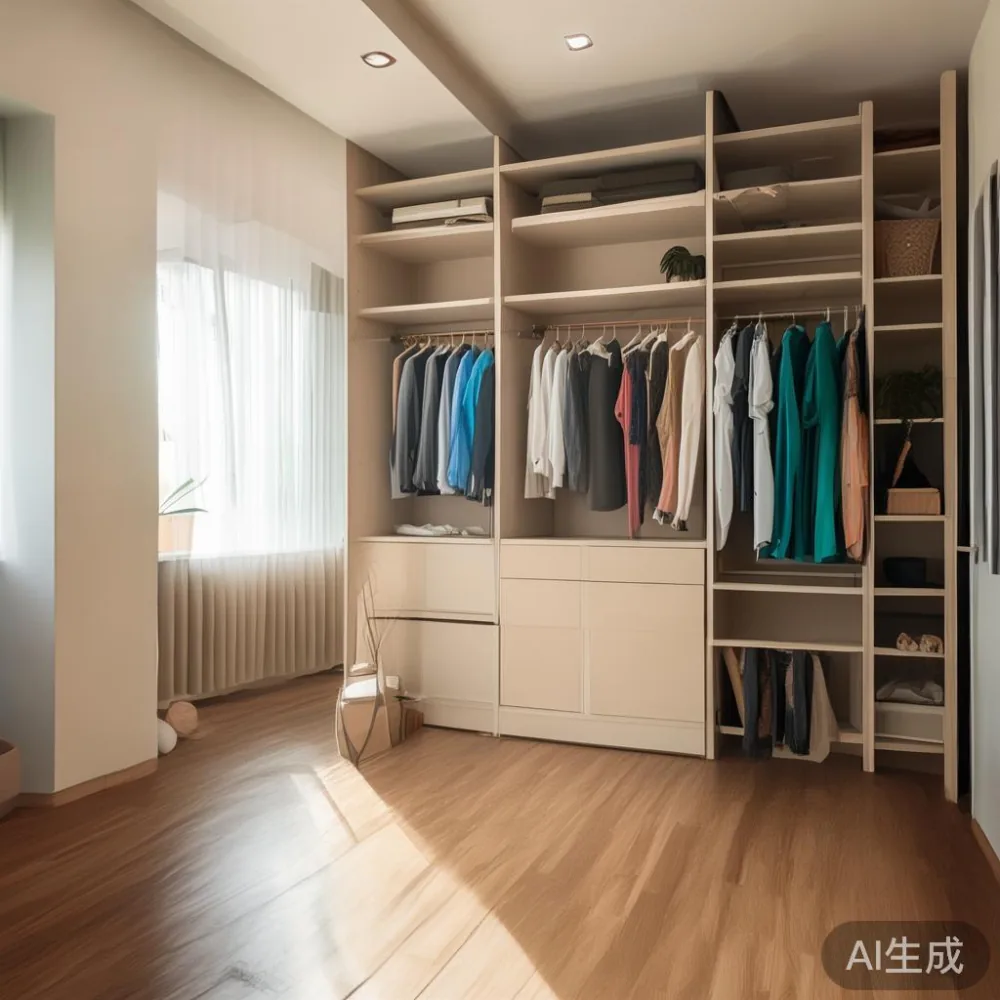
Why Does the Tropical Climate Affect Lacquered Wardrobes?
A lacquered surface is a beautiful, protective layer applied over solid wood. It creates a hard, durable, and often glossy finish that highlights the wood's natural grain. However, lacquer is a polymer, a plastic-like substance, and it reacts to changes in temperature and humidity. In Singapore, the air is thick with moisture. This moisture can slowly seep into the wood fibers underneath the lacquer. When the temperature rises, as it does daily, this moisture can expand, causing the wood to swell. This swelling puts pressure on the lacquer layer, leading to potential problems. The most common issue is 'blushing,' where the lacquer becomes cloudy or white due to trapped moisture. Over time, prolonged exposure can cause the lacquer to soften, lose its adhesion, or even develop small cracks. This is why understanding your local environment is the first step in proper care.
How Does Singapore's Humidity Impact Wardrobe Organization Systems?
When we talk about wardrobe organization, we are referring to the internal systems—drawers, shelves, hanging rods, and accessories—that help you manage your clothes efficiently. A warped or damaged wardrobe door can compromise the entire system's function. If a door swells and no longer closes properly, it can put stress on the internal mechanisms, causing drawers to stick or shelves to misalign. Also, the humidity can affect the contents of your wardrobe. Leather bags or shoes stored inside can absorb moisture, leading to mould. This creates a microclimate inside the wardrobe that can further affect the wood and lacquer. Therefore, caring for the exterior lacquered surface is directly linked to the longevity and effectiveness of your wardrobe organization. A well-maintained exterior ensures a stable environment for your clothes and the internal systems.
What is the Correct Way to Clean a Lacquered Wardrobe Surface?
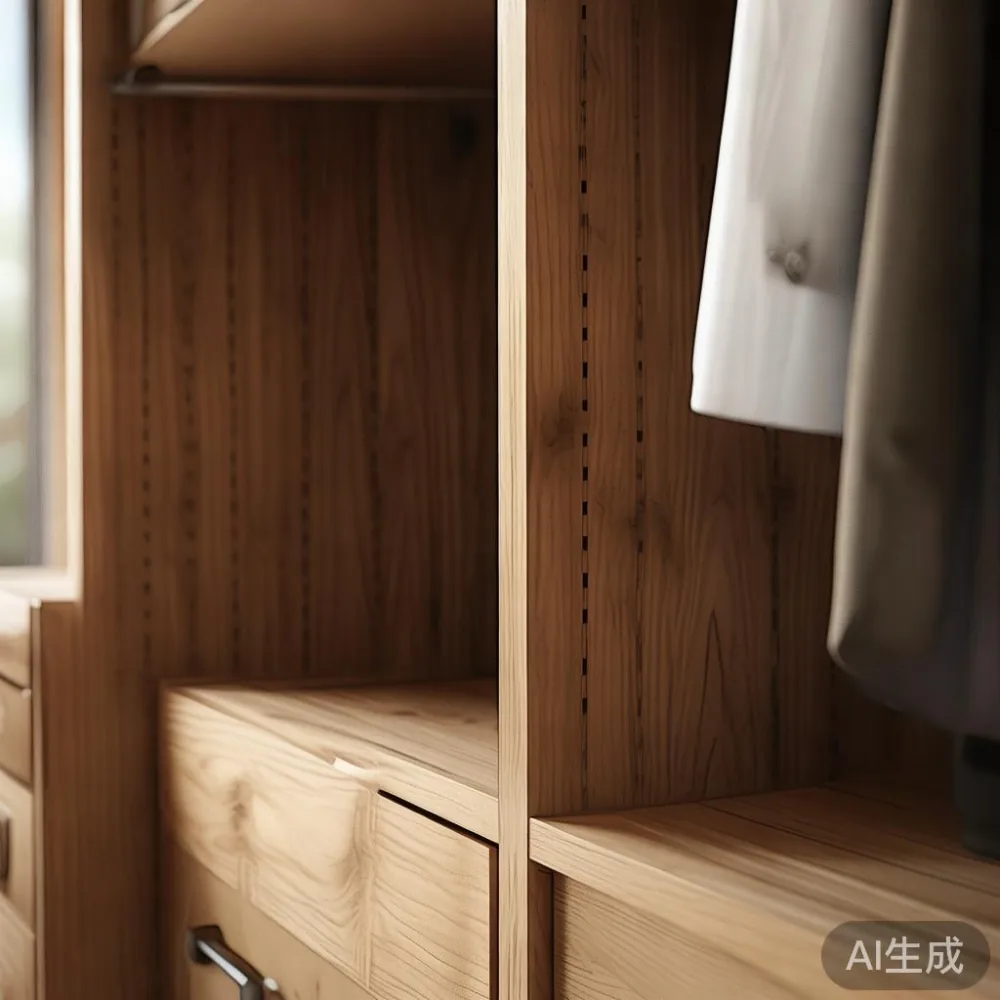
Regular cleaning is the cornerstone of maintenance, but it must be done correctly. The wrong method can cause more harm than good. For daily dust removal, use a soft, dry, lint-free cloth. Microfiber cloths are an excellent choice as they trap dust without scratching the surface. For a deeper clean, use a cloth lightly dampened with water. The key is 'lightly damp.' Never spray water or any cleaning solution directly onto the lacquered surface. Instead, dampen the cloth and then wring it out until it is almost dry. Wipe the surface gently in the direction of the grain. For stubborn spots, a pH-neutral soap solution can be used. Apply a tiny drop to the damp cloth, clean the area, and immediately follow with a clean, damp cloth to remove any soap residue. Finally, buff the surface with a dry cloth to restore its shine. Avoid all-purpose cleaners, vinegar, or ammonia-based products, as they can strip the lacquer's protective coating.
How Do You Prevent Heat and Sun Damage?
Singapore's strong sunlight is another enemy of lacquer. UV rays can cause the finish to fade over time, changing its colour and making it look dull. This is particularly relevant for wardrobes placed near windows. To prevent this, position your wardrobe away from direct, prolonged sunlight exposure. If this isn't possible, install good-quality curtains or blinds that can block the sun during the hottest parts of the day. Also, be mindful of heat sources. Placing a wardrobe too close to an air-conditioning vent, which can blast cold, dry air, or a radiator, is not advisable. The rapid temperature fluctuations can stress the wood and lacquer. In Singapore, the main concern is the ambient heat, so ensuring the wardrobe is in a part of the room with good air circulation can help prevent heat from becoming trapped around it. My colleague in the design department recently saw a wardrobe where the finish had completely yellowed on one side, directly facing a window that got the afternoon sun. It was a clear case of UV damage that could have been prevented with simple window treatments.

What Products Should You Use for Polishing and Protection?
After cleaning, occasional polishing can help maintain the lacquer's lustre and provide a thin layer of protection. However, not all polishes are suitable. For lacquered surfaces, it is best to use a polish specifically designed for high-gloss or piano finishes. These polishes are typically non-silicone and non-wax-based, as silicone can create a build-up that is difficult to remove and can dull the finish over time. Apply the polish sparingly to a soft cloth and buff it onto the surface in a circular motion. A little goes a long way. Avoid using furniture oils or wax polishes, as they can seep into the wood pores and cause the lacquer to cloud or soften. The goal is to protect, not to feed the wood, as the lacquer is the primary barrier. For those who prefer a minimalist aesthetic, a high-quality, solid wood wardrobe with a clean French light luxury finish requires this level of care to maintain its sophisticated look without overpowering a space.
Can You DIY Repairs for Minor Lacquer Damage?
Minor scratches or chips can sometimes be addressed at home, but caution is required. For very light surface scratches, a high-quality car polish (clear coat variety) can sometimes be used. Apply a tiny amount to a soft cloth and gently buff the scratch in a circular motion. This can fill the scratch and restore some shine. However, this is a temporary fix and may not match the original finish perfectly. For deeper chips, the DIY approach becomes riskier. Filling a chip with the wrong type of filler or the wrong colour can make the damage more obvious. If the damage is significant, or if you are not confident in your repair skills, it is always better to consult a professional furniture restoration service. Attempting a complex repair yourself can lead to irreversible damage. A professional can use specific lacquer products to repair the area and then re-buff it to match the surrounding finish. This level of repair ensures your wardrobe maintains its value and appearance.
What is the Long-Term Value of a Well-Maintained Lacquered Wardrobe?
Caring for your lacquered wardrobe is an investment in its longevity and your home's value. A well-maintained piece of furniture can last for decades. When considering a new wardrobe, it's wise to think about the long-term benefits of quality construction. For example, a wardrobe from a maker like Foshan Lingzhan, established in 2008, often comes with a 10-year structural warranty and a lifetime refinishing service. This means that even if the finish shows wear over many years, the company can professionally refinish it, in effect giving it a new life. This is a stark contrast to cheaper, mass-produced pieces that end up in landfill after a few years. The initial cost of a solid wood wardrobe might be higher, but when amortized over 10 or 20 years, it proves to be a more economical and sustainable choice. It's a piece that can be passed down, retaining its beauty and function through generations.
How to Style a Light Luxury Wardrobe in an Apartment?
The care you provide for your wardrobe extends to how you style it. A light luxury wardrobe, with its clean lines and sophisticated finish, can be a statement piece in a Singapore apartment. The key is to balance it with the rest of the room's decor. For instance, pairing a wardrobe with a marble-topped nightstand can create a sense of understated elegance. The cool, sleek surface of the marble complements the high-gloss lacquer of the wardrobe. When arranging your bedroom, consider the practicalities of space. In an HDB flat, the lift and corridor widths are standard, so measure your doorways to ensure the wardrobe can be delivered without issue. A typical wardrobe might be 60cm deep, 200cm wide, and 240cm tall, so planning the path from the door to the bedroom is important. Styling also involves managing what's inside. Use slimline hangers to maximize hanging space and invest in drawer dividers to keep smaller items neat. A well-organized wardrobe is not only functional but also contributes to a serene and clutter-free living environment.
Are Lacquered Wardrobes a Practical Choice for Singaporean Homes?
Absolutely. While they require specific care, the benefits of a lacquered wardrobe make it a practical and desirable choice for Singaporean homes. The finish is incredibly durable, resistant to stains, and easy to wipe clean, which is a significant advantage in a humid climate where dust and mould can be concerns. The high-gloss finish also has a practical benefit: it reflects light, making a room feel brighter and more spacious, which is a valuable quality in many Singapore apartments. The smooth surface also prevents dust from settling as easily as on textured wood. The initial investment in a quality piece, such as a wardrobe from a company with a 10-year structural warranty, provides peace of mind. Knowing that your furniture is protected against structural defects for a decade and can be refinished for life means you are making a sound, long-term investment for your home. This practicality, combined with undeniable aesthetic appeal, makes the lacquered wardrobe a cornerstone of sophisticated bedroom design.
What Are the Alternatives to High-Gloss Lacquer?
If the intensive care of a high-gloss lacquered finish seems daunting, there are beautiful alternatives that are more forgiving in a humid climate. A matte or satin lacquer finish offers a similar level of protection but without the high shine. These finishes are less prone to showing fingerprints and minor scratches, making them ideal for busy households. For those who prefer the warmth of wood, an oiled or waxed finish is an option. However, these finishes require more regular maintenance, as they need to be re-oiled every few months to replenish the protective layer. Another popular style is the post-modern light luxury aesthetic, which often features a combination of materials. For example, a wardrobe might have a matte-finished wood body with polished metal handles or a panel of textured veneer. This approach adds visual interest and can reduce the amount of high-maintenance glossy surface area. When considering a luxury Mid-century modern furniture piece for your home, you might find that a teak or walnut finish with a low-sheen lacquer offers a more resilient and equally beautiful option for the Singapore climate.
Ultimately, caring for a lacquered wardrobe in Singapore is about respecting the material and understanding its relationship with the environment. It’s a simple routine of gentle cleaning, mindful placement, and occasional polishing. By following these steps, you can ensure that your wardrobe remains a stunning and functional centrepiece in your home for many years. The beauty of solid wood furniture, like a solid wood sofa or dining table, lies in its natural character and enduring quality. A well-loved wardrobe tells a story, and with proper care, that story can be a long and beautiful one. For those looking to explore options, finding the best Rustic wardrobe for 2026 might involve considering how different finishes perform in our local conditions. The key is to choose a piece that you love and are willing to care for, ensuring it becomes a lasting part of your home.