How to Care for a Lacquered Wardrobe in a Tropical Climate
Singapore’s humidity, heat and generous use of air-conditioning make every lacquered surface work harder than it would in a temperate climate. In an HDB flat in Tampines, a wardrobe may face ultraviolet light through a bedroom window every morning, warm air trapped in a corridor and the repeated opening and closing of sliding doors. In a Bedok condo, polished lacquer can also collect fine construction dust before it is barely visible. Proper care protects the sheen, the timber beneath it and the moving parts that make wardrobe organization feel effortless.
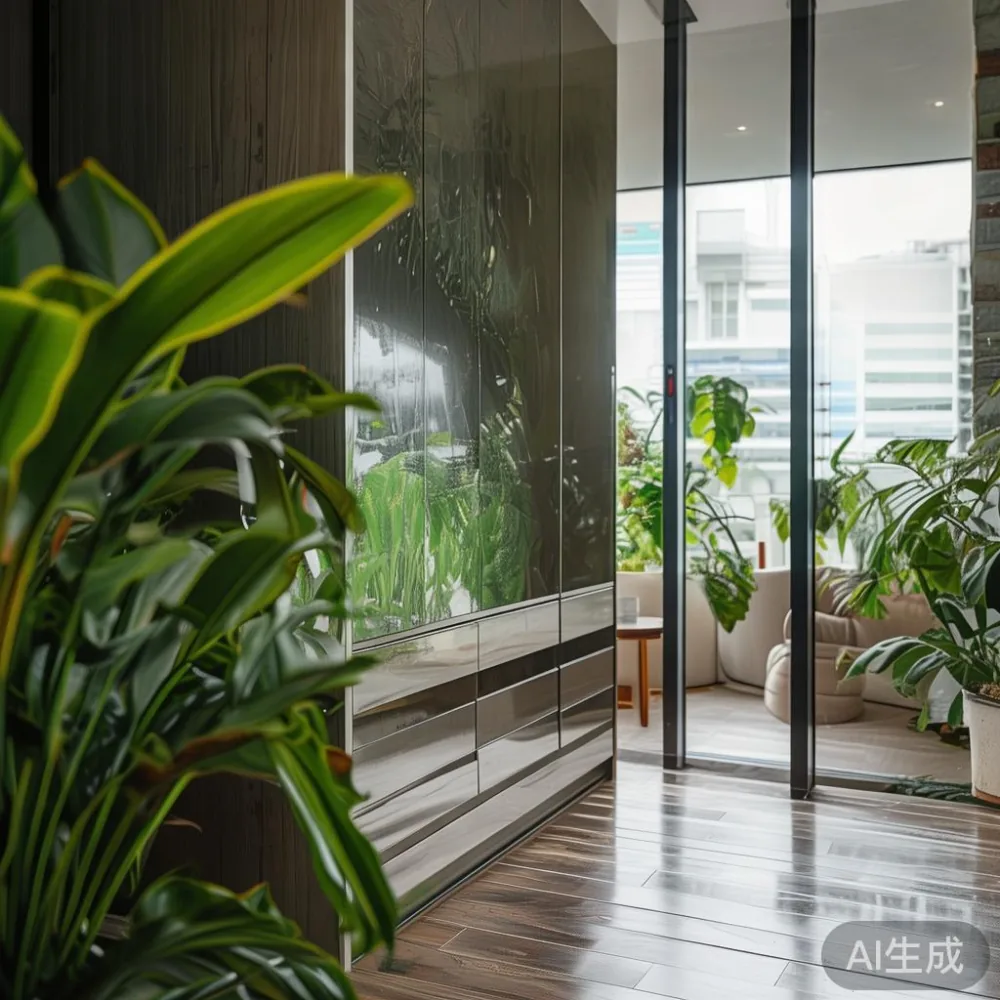
At MIDHILL, our lacquered wardrobes are made for real homes, including Singapore bedrooms where space is measured carefully and furniture often has to pass through common corridors and compact lifts. A typical wardrobe may be 180 cm wide, 210 cm high and 60 cm deep, so checking the route before delivery matters as much as the surface care that follows.
What does tropical humidity do to lacquered furniture?
Humidity does not automatically ruin a well-made lacquered wardrobe, but it can expose weak joints, thin finishes and unsealed edges. Singapore’s relative humidity can rise above 80% during wet periods, while an air-conditioned bedroom may drop below 50% by early morning. Those swings cause wood to expand and contract repeatedly. A lacquer film can remain attractive while the underlying timber responds to the moisture around it.
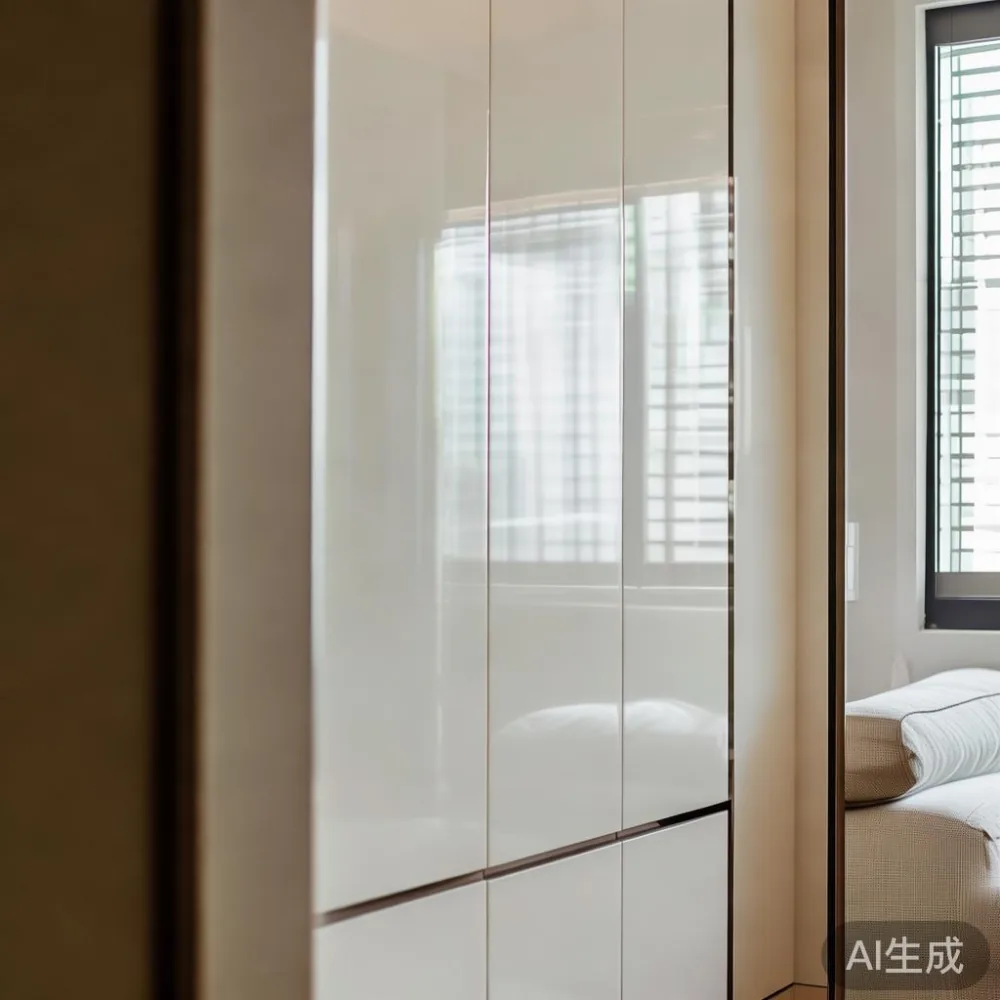
Keep the finished wardrobe at least 15 cm from a window if direct sun reaches the glass, and at least 30 cm from a bathroom doorway. Do not place it directly against a cold return-air vent or an exterior wall that remains damp. For wardrobe organization, leave enough clearance inside the cabinet for folded garments and hanging pieces to breathe. Useful internal spacing includes 40–50 cm for most hanging sections and about 35 cm for shelves carrying folded clothes.
Check the movement of every door every 3–4 weeks. If a 2-door hinged wardrobe has a gap of only 3 mm at the top, the wood may be adjusting to seasonal movement rather than showing a manufacturing fault. Contact the supplier if doors bind continuously, the surface blisters, or the lacquer has split along a panel edge.
How should I clean a lacquered wardrobe without damaging the finish?
Use a soft microfibre cloth, clean water and a small amount of mild dish soap. Mix about 1 teaspoon of detergent with 500 ml of lukewarm water, dampen the cloth rather than the wardrobe, and wipe gently. Dry the panel immediately with a second clean cloth. Test an inconspicuous 10 cm × 10 cm area first, especially if the finish has a matte or textured character.
Never use a soaking cloth, a scouring pad, steel wool, ammonia, bleach, concentrated cleaner, furniture polish containing silicone, or an abrasive powder. Avoid spraying cleaner directly onto the doors because liquid can enter seams, tracks and hinges. A sponge can be used on a lightly soiled handle, but it should be wrung out until it releases no more than a few drops.
For fingerprints, the mildest treatment is usually a dry microfibre cloth followed by a barely damp cloth. Marks from a waxed candle can be troublesome because wax sits inside the lacquer rather than simply on it. Do not scrape them with a knife; use a specialist lacquer-safe cleaner recommended for the exact finish type. Oil from hand cream should be removed promptly, since repeated exposure can leave a cloudy patch.
Clean more often than most owners expect in a humid home. A weekly wipe of handles and frequently touched doors is sensible, with a full exterior clean every 4–6 weeks. Pay attention to the lower 20 cm of a wardrobe, where floor dust and damp cleaning mops can leave residue.
How should I control sunlight, heat and condensation?
Light luxury styling often calls for pale woods, reflective lacquer and gentle metallic details. In Singapore, those same finishes make light discipline important. Direct ultraviolet exposure can fade a finish unevenly, particularly when half the door sits behind a curtain and the other half does not. Use sheer curtains, UV-filtering window film or blinds, and rotate the position of freestanding accessories so the surface ages consistently.
Keep the wardrobe away from a window air-conditioner’s direct airflow. A unit blowing warm air across the door at 24 hours a day can accelerate finish degradation. Maintain indoor conditions around 21–27°C and 40–65% relative humidity where practical. A digital hygrometer placed near the wardrobe costs roughly SGD 20–40 and provides more useful guidance than guessing from the weather.
Condensation usually appears on the metal handle or the edge of a cool lacquered panel during the first air-conditioned hour of the morning. Wipe it away and check whether the wardrobe is close to a cold wall or vent. A 2–3 cm spacer behind a freestanding unit can improve airflow without changing the appearance of the room.
For compact Singapore interiors, an 180 cm-wide wardrobe can be centred on a 240 cm–280 cm wall while leaving at least 30 cm on each side. This clearance allows doors and drawers to open without touching a nightstand. In a Punggol bedroom where the ceiling height is often 2.7 m, a 210 cm wardrobe leaves approximately 60 cm above it, enough for crown detailing but not a heavy overhead shelf.
How do I prevent scratches, chips and sticking doors?
Prevention is more effective than repair. Add felt pads beneath objects that may be placed on top, and use cabinet liners rather than newspaper, which can transfer ink. Keep coins, keys, belt buckles and adhesive notes away from the lacquer. When moving a solid wood bed frame, nightstand or marble table nearby, lift the item instead of dragging it across the floor, where grit can act like sandpaper.
Door hardware can loosen with repeated use. Tighten screws only if the hinge allows it; over-tightening may distort the alignment. A soft bump between 2 and 3 mm at the meeting edge can be adjusted with the hardware supplied by the maker. Oil the hinges only if the manufacturer recommends it, using one drop of light machine oil twice a year rather than aerosol lubricant.
Furniture placement also protects the finish. A rounded nightstand placed 5 cm from the wardrobe can prevent clothing and luggage from striking the door during busy mornings. If you are considering how to style light luxury sofa in room, a similar 10 cm–15 cm breathing zone around tall cabinets reduces knocks in high-traffic areas without making the furniture appear isolated.
For bedroom layouts, the question of how to style American wardrobe in bedroom often comes down to proportion rather than decoration alone. A broad, panelled design suits a 3.6 m–4.2 m wall, while a slimmer unit can fit a 2.7 m–3.2 m bedroom wall. French light luxury can be suggested through muted linen textiles and a slim brass handle, but the wardrobe should remain visually calm because it is both a large surface and a working storage system.
What should I do if the lacquer is scratched, swollen or peeling?
Begin by identifying the type of damage. A superficial scuff, a small chip through the colour coat, a bubble and a broad loss of adhesion each require a different response. Photograph the affected area in daylight and at close range, then record its approximate size. For a scratch under 5 cm, a colour-matched lacquer touch-up pen may be suitable if the instructions explicitly permit use on the product’s finish.
Do not apply touch-up paint over an oily or dirty area, and do not use a coloured pen on a natural clear lacquer. If a lacquer layer has lifted in a bubble, keep the wardrobe dry and avoid pressing the bubble. Excess heat, steam and solvent can make the damage worse.
For a complete finish failure, contact the manufacturer or a qualified refinishing studio. Sanding the whole panel with 320-grit paper and then 600-grit paper may be part of a professional process, but it can reduce the gloss unevenly. A local repair quotation might range from SGD 80 for a minor spot to several hundred dollars for a larger panel, depending on colour matching and access.
Solid wood beneath lacquered veneer or a painted board should be assessed separately. If the substrate has swollen, it cannot be repaired by applying more colour. Request guidance from the supplier, and provide photographs showing the edges, back, hardware and any visible gaps. Furniture made by an established maker should be supported through clear warranty and after-sales procedures rather than improvised chemical treatment.
How can wardrobe organization reduce wear inside the cabinet?
Interior order reduces the number of times a door is opened and the pressure placed on runners and hinges. Group everyday shirts in the upper zone, reserve a full-height section for longer garments, and use drawers for small pieces. Keep heavy folded jeans and towels on lower shelves, ideally below 12–15 kg per shelf section, and leave 5 cm above folded piles so air can circulate.
For hanging clothes, use solid timber or metal rods of suitable thickness and leave room for the garment width. A 60 cm hanging section normally accommodates about 25–30 shirts on individual hangers. Slim hangers can increase capacity, although overloading a narrow section may cause the rod to sag over several years.
Shelf pins should sit fully in their holes. Do not force an adjustable shelf into a damaged socket, and check every 6 months that the wardrobe organization remains stable after moving boxes around. Labeled bins are particularly useful in a family wardrobe, but choose washable, closed containers rather than exposed cardboard.
Interior drawers should be opened with their handles rather than by pulling the drawer front at one corner. This reduces stress on the lacquered fascia. If you are considering how to style Japanese wardrobe in bedroom, simple sliding panels can suit a 2.4 m–3 m wall, yet the sliding track still needs clearance from carpet pile and construction dust.
How do I arrange delivery for a Singapore home?
Measure the entire route before booking delivery, not just the wardrobe. For a 180 cm-wide wardrobe with a 182 cm diagonal measurement, the doors and lift must provide an adequate passage after the packaging is removed. Most lifts in newer HDB blocks have internal door widths around 90 cm and depths near 130 cm, but older blocks and service corridors can differ. Turning a rectangular cabinet through a 90 cm doorway may require angling it carefully, which should be agreed in advance.
Protect common areas with floor covering and confirm whether the lift is reserved. A booking fee or service charge may apply, while additional carrying beyond the lift may be charged by third-party providers. Ask the delivery team for the estimated arrival window in days and provide a contact number for building access. Packaging should remain sealed during transport to prevent moisture, paint transfer and knocks.
Singapore purchases above GST-exclusive thresholds may also involve the prevailing 9% GST, so request an itemised quotation showing product price, delivery, installation, GST and any access charges. For the wardrobe category, an indicative MIDHILL wardrobe can be discussed with exact dimensions and finish samples before production. MIDHILL’s 10-year structural warranty addresses structural integrity, while surface care and refinishing terms should be read separately.
Allow the lacquer to acclimatise after installation before applying any household treatment. Keep the room ventilated for 24–48 hours and do not place adhesive labels or decorative objects against the finish during that period. The wardrobe should also settle before heavy items are loaded.
Can a lacquered wardrobe still fit a light-luxury bedroom?
Yes. The French light luxury, American light luxury and post-modern light luxury vocabularies can all work with lacquer, provided the finish is treated as part of the room’s architecture rather than as a disposable shine. Warm neutrals, brushed metal, pale textiles and fewer accessories will allow the wardrobe to remain the focal point. In a compact Tampines flat, a tall lacquered unit may need less visual ornamentation than a solid wood dining table in an open kitchen.
Colour matching matters more in a condo with strong artificial lighting. Take samples home and view them at different hours, including under warm evening lamps and cool ceiling lights. A finish that appears soft grey at noon may look silver-blue at night. This is particularly relevant when coordinating a bed frame, nightstand or marble table whose polished surfaces reflect neighbouring cabinetry.
For material comparisons, if you are learning how to choose Mid-century modern bed, compare the bed’s wood tone with the wardrobe rather than assuming every modern design uses the same brown. Tapered legs and clean lines can sit beside a lacquered wardrobe without conflict. For hospitality references, Italian light luxury for hotel often relies on calm proportions and durable finishes, principles that translate well to a private bedroom.
When browsing for inspiration, the query how to style light luxury wardrobe in bedroom can help you focus on the surrounding room: restrained bedding, one or two coordinated tones, clear circulation and no crowded display shelf. A well-planned cabinet needs a 90 cm access zone in front of hinged doors where possible. If the bedroom cannot provide it, sliding panels or carefully placed drawers may offer a more practical form of wardrobe organization.
What is the simple care routine for a tropical home?
Use a 3-part routine: wipe handles weekly, clean the exterior every 4–6 weeks, and inspect tracks, hinges and lacquer edges every 3 months. Keep sunlight and damp air away from the wardrobe, maintain stable indoor conditions, and remove spills immediately. If you are also learning how to style light luxury sofa in room, place it away from the wardrobe’s swing path so daily movement does not mark the cabinet.
When choosing a solid wood sofa, bed frame, dining table, wardrobe, nightstand or marble table, consider how the piece will function in Singapore’s climate, not only how it looks in a showroom. A solid wood dining table needs a stable finish and protected placement near windows; a nightstand needs a surface treatment that accepts occasional dampness; a marble table requires attention to chemical stains. The same discipline applies throughout the home.
For lacquered wardrobes, consistent modest care is preferable to aggressive restoration. Use clean cloths, controlled humidity and sensible internal loads. If damage exceeds a small superficial scuff, obtain professional advice before sanding or applying solvent. That approach preserves the finish, supports long-term refinishing and keeps the wardrobe useful for years rather than months.