Preserving the Lustre: A Guide to Caring for Lacquered Wardrobes in Singapore's Tropical Climate
The Singaporean home is a sanctuary, a personal oasis in a vibrant city. For many residents in HDB flats across Tampines, Bedok, and Punggol, and in condos with their generous lift and corridor widths, this sanctuary is often defined by its furniture. A well-crafted wardrobe, with its smooth, gleaming lacquered finish, is more than just storage; it's a statement of taste and a piece of functional art. However, the very climate that makes our city-state lush and green presents a unique challenge to maintaining that pristine finish. High humidity and fluctuating temperatures can test the integrity of even the finest lacquer. This guide provides practical, actionable advice for caring for your lacquered wardrobe, ensuring its beauty endures for years to come.
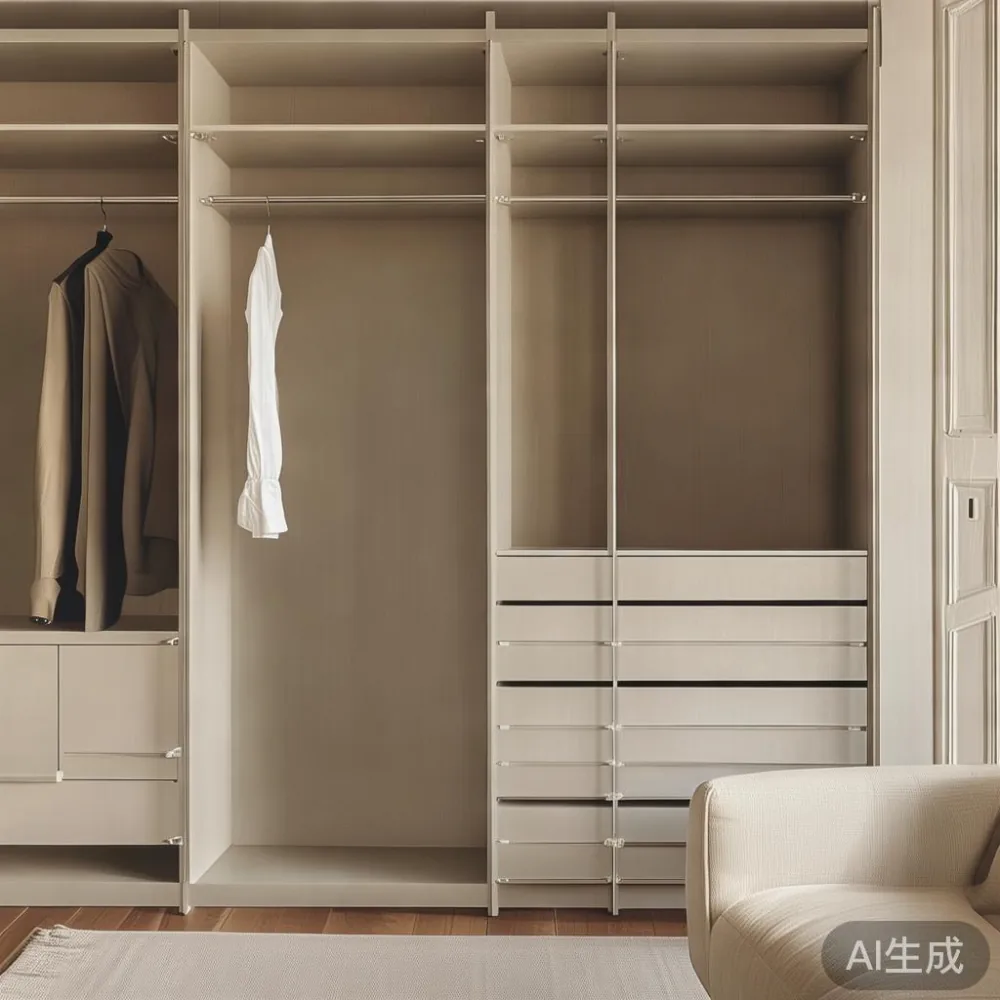
Understanding Your Lacquered Wardrobe
Lacquering is a meticulous process where multiple layers of a clear, hard resin are applied to a wood surface, like those used in a solid wood wardrobe, and then cured to a high-gloss, semi-gloss, or matte finish. This creates a durable, protective barrier. For a homeowner in Singapore, this barrier is the first line of defence against two primary environmental foes: moisture and heat. The constant ambient humidity, often hovering between 70% and 90%, can seep into the wood if the lacquer is compromised, causing swelling, warping, or even mould. Simultaneously, the intense heat, amplified by the urban heat island effect in areas like Tampines, can cause the lacquer to expand and contract, potentially leading to cracks or a loss of adhesion over time. Understanding this relationship between your furniture and its environment is the first step towards effective care.
Why Humidity is the Enemy of a Perfect Finish
Singapore's climate is characterised by its high relative humidity. This constant presence of moisture in the air can have several subtle but damaging effects on a lacquered wardrobe. The most common issue is the formation of white, cloudy spots or a milky film on the surface, a phenomenon known as 'blooming'. This occurs when moisture gets trapped between the wood and the lacquer layers, causing the finish to become hazy. While blooming can sometimes be buffed out, it's a sign that the protective seal is weakening. More severe problems arise when humidity penetrates the wood itself. Solid wood, even when sealed, is a natural material that absorbs and releases moisture. In a consistently humid environment like a condo in Bedok, the wood fibres can swell. This swelling puts immense pressure on the rigid lacquer finish, leading to tiny cracks, known as 'checking', or larger splits. The result is a wardrobe that no longer looks pristine but shows the wear and tear of its environment.
Is Your Wardrobe Placement Causing Unseen Damage?
Location is everything, and this is especially true for your wardrobe. Placing it in the wrong spot within your apartment can accelerate the damage caused by humidity. A common mistake is situating a large wardrobe against an external wall, particularly in older HDB flats where insulation may be less effective. These walls can feel damp and cold, drawing moisture directly into the back panel of the wardrobe. Similarly, placing a wardrobe in a corner of a room with poor air circulation creates a microclimate of stagnant, humid air that the wood cannot escape. The space between the wardrobe and the wall should allow for airflow. A gap of at least 5 to 10 cm is recommended. This allows air to circulate, helping to equalise the humidity levels on both sides of the furniture. For those working through the tight corridors of a Punggol apartment, ensuring this small space is maintained can make a significant difference in the long-term health of your investment.
Simple Daily Habits for Long-Term Lustre
Preserving the finish of your lacquered wardrobe doesn't require a complicated regimen. Simple, consistent habits are the most effective approach. The most important rule is to avoid placing anything directly on the lacquered surface that could trap moisture or cause heat damage. This means using coasters under any glasses, vases, or decorative objects. Never place a potted plant directly on the wardrobe, as the water from the pot or the soil can seep through and ruin the finish. When cleaning, always use a soft, lint-free microfiber cloth. A dry cloth is sufficient for daily dusting. For light cleaning, lightly dampen the cloth with water—never spray water or any cleaner directly onto the surface. Wipe in a gentle, circular motion, immediately followed by a dry cloth to remove any residual moisture. Avoid abrasive materials like sponges with a rough surface or paper towels, as they can create micro-scratches that dull the finish over time.
What Cleaning Products Should You Absolutely Avoid?
The market is flooded with furniture polishes and cleaners, but many are unsuitable for a lacquered finish. The most dangerous products are those containing silicone, wax, or ammonia. Silicone-based polishes create a slick, artificial shine that may look good initially, but they build up over time. This film can cloud the finish, attract dust, and make future refinishing nearly impossible. Wax polishes offer a similar short-term benefit but can penetrate the lacquer, causing it to soften and lose its protective hardness. Ammonia, a common ingredient in many glass and all-purpose cleaners, is extremely aggressive. It can strip away the delicate layers of lacquer, leaving the wood underneath exposed and vulnerable. Stick to the simplest, safest method: a barely damp microfiber cloth. If you feel a product is necessary, use a pH-neutral soap designed for wood furniture, applied sparingly to the cloth, not the surface.
How to Prevent and Treat Common Lacquer Problems
Even with the best care, issues can arise. The most common problem in Singapore is the white, cloudy bloom mentioned earlier. If you notice this, first ensure the wardrobe is completely dry. Then, using a clean, soft cloth, gently buff the affected area. Sometimes, the warmth from your hand and the friction from the cloth is enough to redistribute the trapped moisture and restore the shine. For stubborn spots, you can try a very small amount of mineral oil on a cloth, rubbing it in gently and then buffing thoroughly. However, prevention is always better than cure. Maintaining a stable environment with a dehumidifier, especially during the monsoon seasons, is the most effective way to prevent blooming and other moisture-related issues. A dehumidifier can reduce the humidity in your bedroom to a more manageable 50-60%, creating a much safer climate for your wardrobe.
Can I Move My Lacquered Wardrobe Without Damaging It?
Yes, but it requires careful planning. When moving a wardrobe within your Singapore apartment, whether it's shifting it a few centimetres or relocating it to a new room, you must protect both the floor and the furniture. The finish on the base of the wardrobe can be easily scratched by tile or wood flooring. Use furniture sliders or thick blankets to slide the wardrobe smoothly. Never drag it. When moving the wardrobe through a corridor or into a lift, be mindful of the width. Standard condo lift widths are typically around 110 cm by 140 cm, which is sufficient for most wardrobes. However, always measure your wardrobe and the available space beforehand. For a wardrobe with a delicate lacquered finish, the risk of dings and scratches from door frames or walls is high. Enlist the help of a friend or family member to guide the wardrobe through tight spaces, ensuring the finish remains pristine.
When to Call a Professional for Wardrobe Organization and Care
While minor maintenance can be handled at home, there are times when professional help is necessary. If your lacquered finish has deep scratches, significant peeling, or extensive water damage, attempting a DIY fix can make the problem worse. Professional furniture refinishers have the tools, materials, and expertise to strip and refinish a piece correctly. For those who invest in a high-quality piece, such as a light luxury dressing table or a European light luxury dining table, this professional care is often covered under a comprehensive warranty. A reputable manufacturer, like one established in 2008 with a 10-year structural warranty, will often provide guidance or partner with specialists for such repairs. This level of support ensures that your investment is protected, and the beauty of your furniture is maintained for its entire lifespan, which is a key part of effective wardrobe organization.
Integrating Your Wardrobe into a Cohesive Home Design
Caring for your wardrobe is also about how it fits into the design of your home. A lacquered wardrobe can be a stunning centrepiece in a light luxury apartment. The key is to coordinate it with other pieces to create a harmonious look. For instance, pairing a high-gloss black wardrobe with a marble table and minimalist nightstands can create a sophisticated, modern aesthetic. This approach to Modern light luxury for apartment living focuses on clean lines, quality materials, and a sense of calm. The reflective surface of the lacquer can also be used to enhance a space, making a room feel larger and brighter. When planning your bedroom layout, consider how the wardrobe's finish complements other elements. The goal is to create a space where every piece, from the solid wood sofa in the living room to the wardrobe in the bedroom, works together to form a beautiful and functional home. This complete approach ensures that your furniture investment is not just about storage, but about creating a living environment you love.
My Experience with a Lacquered Wardrobe in a Tampines HDB Flat
Last month, I visited a colleague's newly renovated apartment in a Tampines HDB flat. She had purchased a beautiful, high-gloss lacquered wardrobe for her master bedroom, a piece that truly refined the space. However, she was concerned about the upkeep. She told me she had noticed a slight white haze forming on the door panels after the first month. I suggested a simple test: I placed a small, dry silica gel packet inside the wardrobe, on the top shelf, and advised her to keep the wardrobe doors open for a few hours each day to improve air circulation. I also recommended she invest in a small dehumidifier for the room. A week later, she reported that the haze had significantly diminished. This experience reinforced my belief that while the climate is a challenge, simple, proactive measures can prevent most issues, allowing the beauty of a fine piece of furniture to shine through without constant worry.
Choosing the Right Wardrobe for Singaporean Living
When selecting a new wardrobe, considering the local climate is as important as considering the style. A solid wood wardrobe with a thick, multi-layered lacquer finish offers superior protection. Look for manufacturers who understand the demands of tropical climates and use high-quality, moisture-resistant resins. The internal design of the wardrobe is also important for good wardrobe organization. Opt for models with built-in ventilation systems, like small vents at the top and bottom, to allow air to circulate and prevent stale, humid air from becoming trapped. The hardware should also be solid and made from materials resistant to corrosion, such as stainless steel, to withstand the high humidity. A well-designed wardrobe will not only protect your clothes but also protect itself, ensuring that the stunning lacquered finish remains flawless for years, making it a worthy addition to any Singaporean home.
Understanding Your Warranty and Support Options
Purchasing a significant piece of furniture like a wardrobe is an investment. Understanding the warranty and support available is a critical part of that purchase. A reputable manufacturer will stand behind their products. For example, a company that offers a 10-year structural warranty provides peace of mind, assuring you that the core integrity of the piece is protected. This warranty covers issues like warping of the main frame or door failure. Beyond the structure, look for guarantees on the finish. A lifetime refinishing warranty is a strong indicator of confidence in the product's durability. This means if the lacquer ever fails due to a manufacturing defect, they will refinish it for you, often for a nominal fee. This level of support is invaluable, especially in a challenging environment like Singapore's. It transforms a simple purchase into a long-term partnership, ensuring your wardrobe remains a beautiful part of your home for decades.
Creating a Luxurious Bedroom on a Singaporean Budget
Achieving a light luxury aesthetic in a Singaporean apartment does not have to be prohibitively expensive. It's about making smart choices and prioritising quality. Instead of buying a full suite of new furniture, you can focus on key pieces. Investing in a high-quality wardrobe and a European light luxury dining table can form the foundation of your design. You can then complement these with more affordable items. For example, you might find a stylish nightstand at a local boutique or a comfortable armchair at a market. The key is to ensure these pieces share a similar design language, whether it's the same wood tone, metal hardware, or style. This approach allows you to create a cohesive, high-end look without the high-end price tag. It's about curating a space that feels intentional and luxurious, proving that style is about more than just the price tag on a single item.
The Future of Furniture Care in Tropical Climates
As technology advances, so too does the science of furniture finishes. We are seeing new generations of lacquers and varnishes that are specifically engineered for high-humidity environments. These advanced finishes use nano-technology to create an even more impermeable barrier against moisture. Some manufacturers are also experimenting with smart furniture that includes integrated humidity sensors and even small, silent dehumidification systems built directly into cabinets. While these innovations are still on the horizon, they point to a future where caring for fine furniture in a tropical climate becomes even easier. For now, by understanding the principles of moisture control and adopting simple, consistent care habits, any homeowner in Singapore can successfully preserve the beauty of their lacquered wardrobe, ensuring it remains a source of pride and a functional part of their home for a lifetime.
Final Thoughts on Wardrobe Care and Home Living
Your home is a reflection of you, and the furniture within it plays a central role in that expression. A well-cared-for lacquered wardrobe is more than just storage; it's a proof of your appreciation for craftsmanship and design. In the unique context of Singapore, caring for this piece means respecting its material and understanding its environment. It's about creating a small, stable microclimate for it, cleaning it with gentle products, and appreciating the artistry of its finish. By following the guidelines outlined here, you can protect your investment and ensure that your wardrobe continues to be a beautiful and functional part of your bedroom for years to come. This attention to detail is what separates a house from a home, transforming a simple piece of furniture into a cherished part of your daily life.