Lacquered Wardrobe Care for Singapore Homes
A lacquered wardrobe can bring calm, reflective order to an HDB flat in Tampines or a compact condo bedroom in Bedok, but Singapore’s heat, humidity, UV exposure, and salt-laden air require a measured care routine. Lacquer is not automatically immune to damage: water spots can remain, sunlight can fade pigments, and a door may swell if its edge seal has aged. The practical aim is to preserve the finish while keeping wardrobe organization easy to maintain.
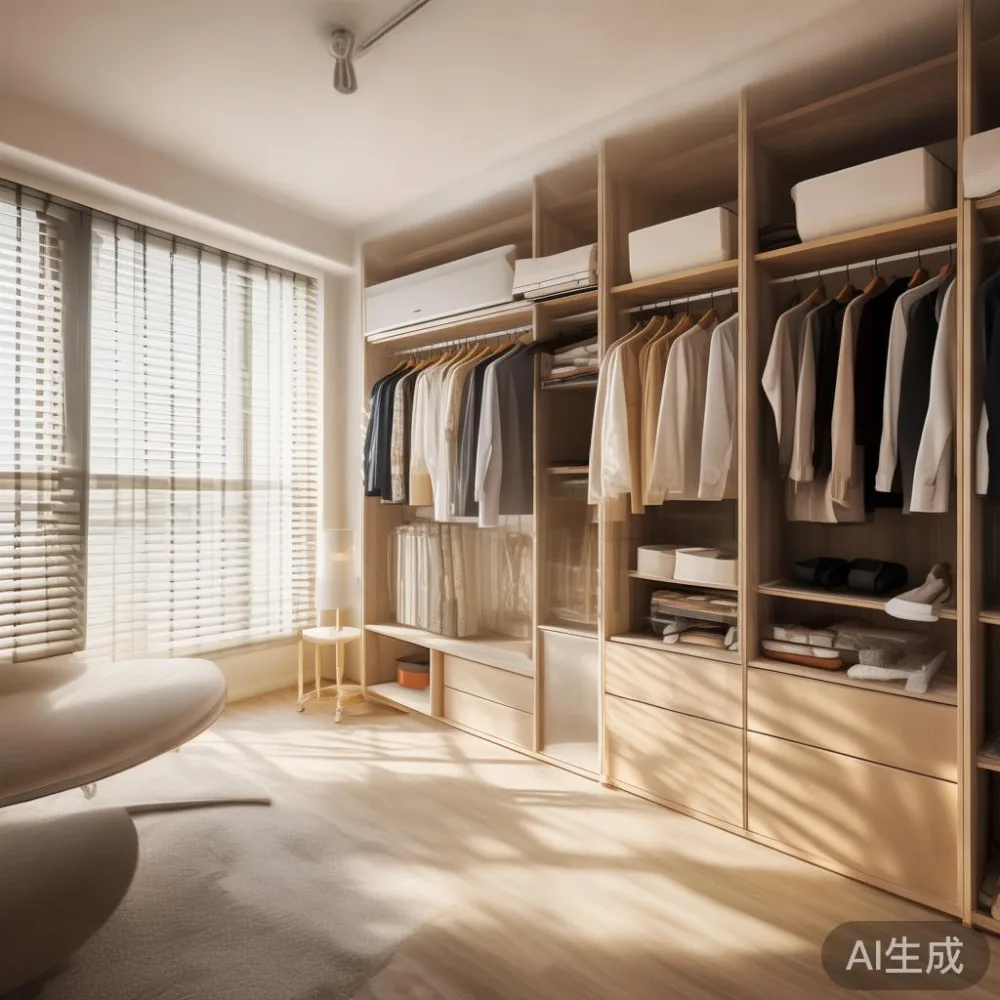
This guide focuses on lacquered wardrobe doors, drawer fronts, handles, and interior panels. It also considers narrow HDB lift lobbies, Punggol tower corridors, delivery timing, GST, and the value of choosing furniture that suits both local rooms and imported design references. MIDHILL has made solid wood furniture since 2008, exporting to more than 15 countries and supporting purchases with a 10-year structural warranty, lifetime refinishing, free shipping above US$350, and a 14-day return window.
Why does lacquer behave differently in Singapore?
Singapore’s climate changes lacquer more through cycles than through heavy rain alone. A west-facing bedroom in Bedok might receive direct afternoon sun for 3 hours on a clear day, while a Punggol unit near the coast can experience nightly humidity above 80%. The lacquer absorbs little moisture compared with untreated solid wood, yet its appearance can still change when the underlying panel moves, when UV attacks the pigments, or when a wipe leaves an oily film.
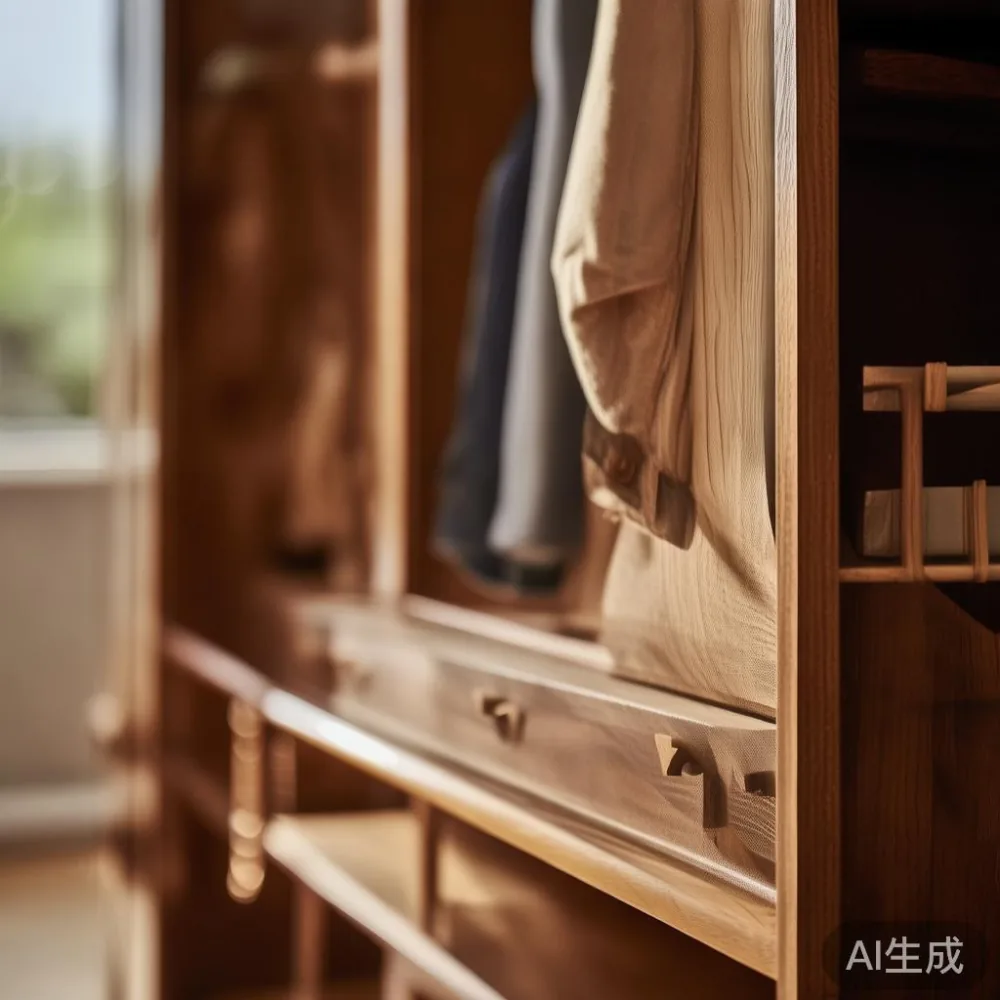
For wardrobe organization, place the cabinet away from an air-conditioning outlet if cold air repeatedly strikes one door. Keep at least 10 cm between a wardrobe side and a sunlit wall where space allows. If a corridor or lift restricts installation, measure before ordering: a tall wardrobe should be carried upright if possible, and a 70 cm door may need a wider turning path than a 60 cm model.
Check the lacquer visually every month. A clean surface should not show dull patches, lifting at the perimeter, or tackiness. Run a fingertip lightly over an inconspicuous area; if the finger feels gritty, avoid abrasive cleaners. In Singapore, wiping with a damp cloth at least once every 2 weeks is sensible, while dusty areas near the floor may need attention every 7 days.
What is the safest cleaning routine for a lacquered wardrobe?
Use a 2-step method: dilute mild liquid detergent with warm water, then wipe with a clean microfiber cloth. A practical mix is 5 mL of pH-neutral detergent in 1 L of water. Spray the cloth rather than the lacquer, and never saturate a door seam. A second cloth dampened with plain water removes residue. Wipe dry immediately, because droplets can leave marks after 20–30 minutes.
Keep acidic liquids away from the finish. Citrus juice with a pH near 3, cola at roughly 2.5, and alcohol-based glass cleaner can stain or soften some coatings. Although stain-resistant lacquer may tolerate an accidental splash, it should not be tested casually. Keep nail-polish remover, acetone, oil, and permanent-marker supplies in a desk drawer rather than beside the wardrobe.
For wardrobe organization, clean the exterior in a consistent order: top panels, doors, drawers, handles, then the lower edge. Remove no hardware unless a fixing is loose. Over-tightening a knob can damage the insert; under-tightening it can cause a drawer to catch. A soft toothbrush can reach 5 mm gaps around a handle, but it should be dry or only slightly damp.
Do not use steel wool, rough pads, or household bleach. A dilute bleach solution can damage both lacquer and nearby hardware. If an unknown cleaner was used, test it on the hidden rear panel with a 5 cm patch and wait 24 hours. A good result means no colour shift, no change in sheen, and no tacky residue.
How should humidity and airflow be managed around the wardrobe?
Use the air conditioner and a ventilated room, not a portable dehumidifier that blows directly onto the doors. An indoor reading between 45% and 65% relative humidity is suitable for most lacquered furniture. If a hygrometer records 70% for many hours, inspect the perimeter seal and improve room airflow. Avoid aiming a fan continuously at one panel, because rapid drying can stress timber movement underneath.
Leave a 5–10 cm gap between the wardrobe back and the wall if the installation allows it. In a compact HDB bedroom, this gap may be only 3 cm; use a shallow wall spacer and keep cables clear. Do not push the cabinet tightly against a damp exterior wall. After showering, close the bathroom door and run ventilation for about 20 minutes to limit moisture entering the bedroom.
For wardrobe organization, put frequently used folded clothes on shelves rather than the floor. Keep wool, leather, and linen away from the bottom 30 cm if the room remains humid. Use airtight boxes for spare bedding, but leave wardrobe interiors open for 10–15 minutes after the air conditioner switches off. The aim is gentle ventilation, not a permanent cold draught.
Seasonal maintenance can include checking hinge screws every 6 months and the sliding-door rollers every 3 months. A 90 cm-high wardrobe may hold 25–35 kg of clothing and shelving, so uneven loading can pull a runner out of alignment. Balance loads and lift rather than drag drawers.
Can sunlight fade or cloud a lacquered finish?
Yes. UV exposure is one reason a dark wardrobe can become greyish or a warm lacquer can look flatter. Singapore’s intense sunlight can accelerate finish change even when rain is absent. Apply curtains, blinds, or UV film to windows facing west or north-west. A sheer curtain can reduce visible glare but may not block much UV; a blackout curtain generally offers better protection when direct afternoon rays reach a door.
Do not place a lacquered wardrobe opposite a floor-to-ceiling mirror without a window treatment. The reflected light increases exposure. If the wardrobe is already in a bright condo, rotate movable storage where possible and keep textiles on open shelves. Allow at least 30 cm of clear floor space in front of doors for opening and cleaning.
Compare samples under the room’s actual lighting before delivery. Hold a lacquer chip at 3 distances: 30 cm, 60 cm, and 100 cm. Check it at morning and evening, because artificial light can make a pale finish look warmer than daylight. A sample that appears consistent at all 3 points is easier to maintain within a coherent palette.
The design reference can still be luxurious without making the room heavier. French light luxury often uses pale upholstery, graceful profiles, and reflective surfaces, while American light luxury tends toward clean lines and generous storage. A lacquered wardrobe can support either approach when paired with restrained brass or matte-black hardware.
What should I do if lacquer gets stained or scratched?
Blot fresh liquid immediately with a dry white cloth. Do not rub, because grit can scratch the surface. For a greasy fingerprint, use a barely damp cloth with 2 drops of mild detergent, then dry with a second cloth. If the mark remains after 10 minutes, stop rather than increasing pressure.
Small superficial scratches may be treated with the furniture maker’s approved polish. Test any product on a hidden 2 cm area and wait 24 hours. Deep scratches that expose timber, peeling edges, or a dull halo usually need professional repair. A 1 mm chip at a door corner can grow through moisture and should be examined within 7 days.
For a real example, last month I visited a client in Tampines who had stored a lacquered wardrobe beside a west-facing window. The right door had developed a 12 cm dull patch, while the left door looked sound. The cause was not detergent: morning air-conditioning condensation and repeated afternoon UV had worked together. After moving the cabinet 15 cm, installing a blackout curtain, and having the affected panel refinished, the finish returned to a more even sheen. The repair took 10 working days.
How do I plan a wardrobe delivery through an HDB lift or condo corridor?
Measure access before selecting a tall unit. Record lift door width, corridor width, stair turns, and the height from the vehicle to the wardrobe position. A common HDB lift opening is about 90 cm wide and 210 cm high, but older blocks vary. A cabinet 180 cm high may be difficult to turn upright in a 120 cm-wide corridor, so flat-packed or modular sections can be safer.
Ask the supplier for packed dimensions and the number of cartons rather than estimating from the assembled wardrobe. A 120 × 60 × 220 cm cabinet may weigh 85 kg, while a solid wood wardrobe with multiple drawers may exceed 110 kg. Use two-person handling for panels over 35 kg and protect corners with 5 mm foam. Avoid carrying assembled lacquered furniture through a narrow corridor unless the route is entirely clear.
Singapore delivery commonly takes 7–14 days after order confirmation, although lift-booking and remote-area timing can add 2–4 days. Confirm whether GST is included; a 3,200 SGD wardrobe delivered with a quoted 9% tax would total 3,488 SGD. Check the return terms before signing. MIDHILL’s 14-day returns are useful if the finish arrives damaged, but normal assembly and care instructions should be understood beforehand.
After arrival, photograph the lacquer from 1 m away and record any existing marks before assembly. Install anti-tip fittings if the unit is taller than 150 cm. Keep 14 days for a post-delivery check, and do not place heavy boxes on the top shelf during that period.
What is the question homeowners ask most about wardrobe organization?
Homeowners often ask how to create wardrobe organization without letting a tropical climate ruin the appearance. The answer is simple: stable humidity, filtered light, gentle cleaning, and loads that respect the cabinet’s structure. Use drawer dividers made from untreated wood or coated metal, not loose plastic that traps moisture. Label bins with removable tape, and leave 2 cm around folded items so air can move.
Use the same disciplined approach when choosing adjacent furniture. A solid wood sofa, bed frame, dining table, wardrobe, nightstand, and marble table should share a light-luxury visual language without competing textures. A European light luxury nightstand can echo pale lacquer and brushed metal, provided its wood is sealed for humid conditions. A marble table in a bedroom should not stand beside an open window where acidic cleaning mist can settle.
Design references can help when browsing. The phrase how to style French provincial bed in room is useful for choosing curtains and bedside lighting, not for filling every surface with ornament. A French provincial bed usually suits 230 × 100 cm or 200 × 100 cm mattresses in larger bedrooms, but a compact HDB room may need a slimmer frame. A comparison between American bed vs Japandi bed can clarify whether a room needs a strong upholstered frame or a low, visually quiet silhouette.
Buyers also search is Japandi bed worth it and is French provincial bed worth it while comparing comfort, proportion, and maintenance. Neither style answers every HDB requirement. A solid wood bed frame with a stable slat system may be more practical than a heavy upholstered design, while a lacquered wardrobe needs enough clearance to open without striking the bed.
For a coordinated room, people searching for sale European light luxury furniture can examine proportion, finish consistency, and hardware quality instead of relying on a trend label. A Foshan factory should provide clear care instructions, replacement parts, and realistic photographs. With 10-year structural coverage and lifetime refinishing, MIDHILL offers a practical route to maintaining lacquered furniture over 5, 7, or 10 years.
Care for lacquered wardrobe surfaces in Singapore by preventing standing moisture, limiting UV exposure, testing every unfamiliar cleaner, and checking access before delivery. A well-maintained finish can remain attractive for years while keeping wardrobe organization calm and functional in Tampines, Bedok, Punggol, and beyond.