Understanding Solid Wood Price Dynamics: A Singapore Insight
Solid wood furniture is often sold on a simple promise: natural timber, lasting strength and a piece that feels more substantial than a flat-pack alternative. That promise hides a complicated price structure. The timber species matters, but so do drying, joinery, finish, hardware, dimensions and the distance a piece travels before reaching a Singapore home.
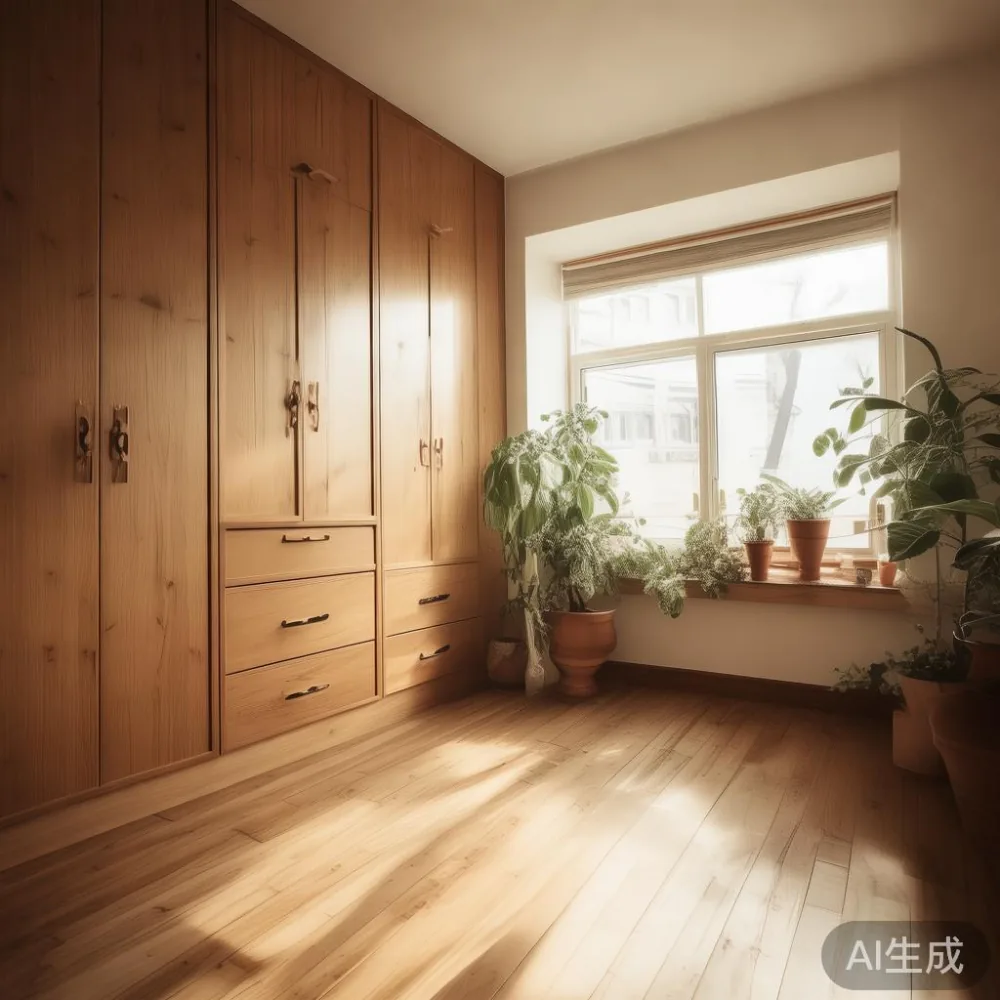
For anyone planning wardrobe organization in a Tampines HDB flat, a Bedok condo or a Punggol apartment, the sticker price is only one line in the calculation. A 180 cm wardrobe may need a wider doorway, while a dining table can be impossible to turn through a 90 cm landing. Understanding the cost drivers helps buyers compare like with like and spend where they can actually feel the difference.
MIDHILL was established in 2008 and exports to more than 15 countries. Its 10-year structural warranty, lifetime refinishing service and 14-day return policy provide useful context, but they do not make every solid wood table equally suitable for a local home. Here is how the price is actually built.
What are the main cost drivers in solid wood furniture?
The largest driver is usually the timber itself, including its species, grade, thickness and moisture condition. Solid oak, ash, walnut, teak and rubberwood have different raw-material costs and working properties. Walnut may command a much higher price than lower-grade timber because of scarcity, while oak offers a distinctive grain without reaching the same material cost.
Thickness changes the equation quickly. A table with a 20 mm top uses more timber than one with an 18 mm top, but the difference is not simply linear. Heavier material adds freight, handling and machining costs. A 220 kg dining table may also require more careful packing than a 65 kg nightstand. For a 6-seat dining table measuring 180 cm by 90 cm, a plausible solid wood weight is 45–75 kg depending on the species and construction.
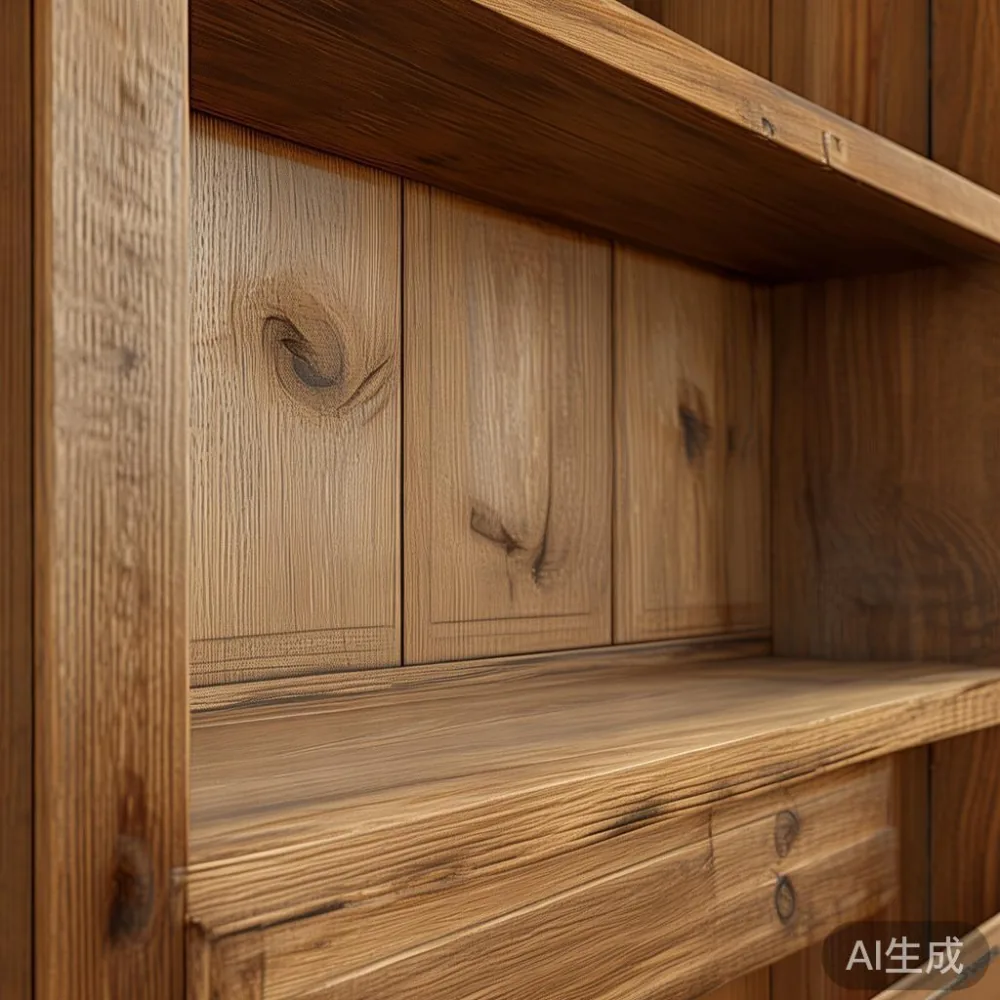
Wood must also be properly dried for Singapore’s humid climate. Well-seasoned timber may need months of controlled drying rather than a few days of air drying. Factory moisture control reduces warping, splitting and movement. This process affects cost because timber must be stored, monitored and rejected if it develops defects. A piece that ignores moisture control may be cheaper at checkout and more expensive after one humid season.
Joinery is another major factor. Mortise-and-tenon joints, dowels, dovetails and solid wood finger joints distribute force differently. A drawer made with dovetail corners and solid drawer sides generally requires more cutting and fitting than one assembled with concealed screws and plywood panels. The extra labour should be visible in the finish, the load capacity and the repair options over a 15-year ownership period.
How much should you expect to pay for solid wood furniture in Singapore?
Useful prices are easier to assess in local currency than in vague “premium” labels. A solid oak nightstand may retail around SGD 350–SGD 650, while a walnut version can run from SGD 600–SGD 1,100. A solid wood bed frame in a queen size commonly falls around SGD 900–SGD 2,000, with design, timber and joinery creating a wide range.
A solid wood dining table may range from approximately SGD 1,200 for a compact 120 cm model to SGD 3,800 or more for a 220 cm–250 cm table in a more demanding timber. A solid wood wardrobe for a 120 cm opening might cost SGD 1,800–SGD 4,500, while a larger fitted system can exceed SGD 6,000. A marble table combines stone selection with a timber or metal base; an 110 cm marble-top dining table may retail around SGD 2,200–SGD 5,500.
These figures describe typical positioning, not a fixed price list. GST adds 9% to Singapore sales, and delivery is an additional line unless the order qualifies for a promotion such as free shipping over US$350. Buyers should also check whether assembly is included. A wardrobe may need 2–4 hours for two people, while a bed frame may take 45–90 minutes.
The phrase top 10 French furniture often appears in design articles, but country of style alone cannot explain a price. French light luxury usually means restrained proportions, curved edges, muted finishes and careful detail rather than excessive decoration. American light luxury tends to lean toward generous upholstery and familiar comfort, while post-modern light luxury uses clean lines with selective contrast.
These visual languages cost money differently. A French-inspired solid wood sofa requires shaped timber, precise joints and upholstery layers. Its final cost may sit between SGD 2,800 and SGD 6,500, depending on fabric and size. Asking whether is Italian light luxury sofa worth it depends on the frame, comfort system and service—not merely an Italian-sounding description.
Does solid wood mean the whole piece is made from timber?
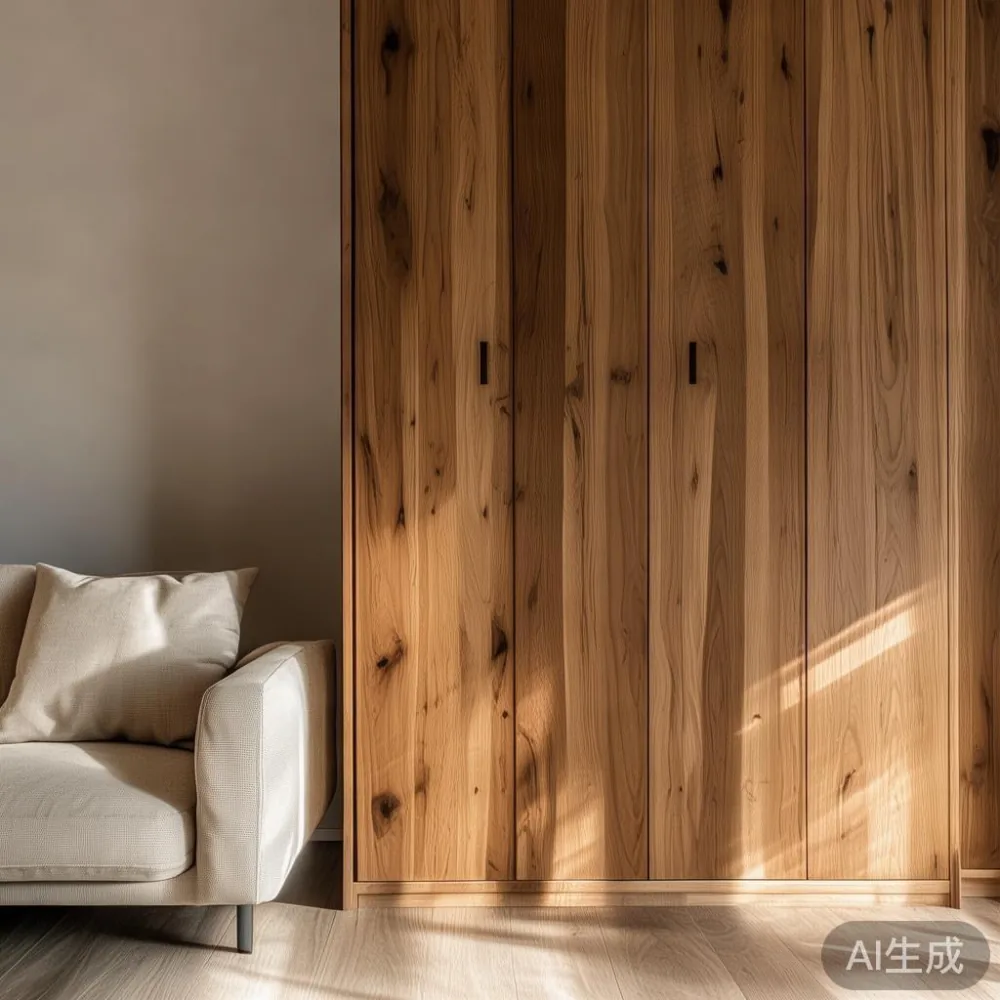
No. “Solid wood furniture” can describe different constructions. A bed frame may use solid timber for the outer rails and headboard but plywood for the inner deck to control weight. A wardrobe may combine solid wood fronts with plywood carcass panels. A solid wood sofa can use a timber frame with webbing, foam and fabric cushions. These constructions are not automatically inferior, but they should be described accurately.
For a wardrobe, a useful comparison includes the side panels, shelves, back panel, drawer boxes, hanging rail and doors. Solid timber shelves need to be checked for sag, especially under 25 kg of folded clothing. Wardrobe organization becomes easier when shelf spacing can be adjusted by 25 mm increments, but the adjustment system should not reduce load capacity.
The same distinction applies to a dining table. A solid wood top does not necessarily mean the apron, legs or base are solid wood. A marble table may have a 20 mm stone top and solid wood supports. Buyers should ask for a specification sheet that states each material, rather than relying on a single broad label.
Midhill’s furniture should be judged by how material choices match the application. A 180 cm wardrobe in a narrow HDB bedroom needs stability and sensible storage; a marble table in a high-rise home needs careful weight planning; and a nightstand must resist small impacts without looking overbuilt. Price follows performance only when the performance is measurable.
How much do finish, hardware and packaging add to the final cost?
Finish is frequently overlooked. The same solid wood dining table may use a standard water-based coating, a hand-applied oil-wax treatment or a multi-stage lacquer system. A hardwax oil can bring out the grain and allow local repair, while lacquer may create a more uniform colour with a different maintenance routine. Finishing a large surface by hand can add several hours and a meaningful labour cost.
Colour also matters. An “oak” finish can be natural, smoked, fumed or painted. Fuming may be appropriate for a solid wood bed frame, but it does not turn a lower-cost species into solid walnut. Undertones that appear warm in a showroom can look different against the cool white walls common in newer HDB interiors.
Hardware has its own price range. A basic steel hinge may cost only SGD 3–SGD 8 at factory level, while a branded soft-close hinge may cost SGD 12–SGD 30 or more. Drawer runners, hanging rails, wardrobe locks and LED strips can add SGD 100–SGD 600 to a fitted wardrobe. The quantity matters: fitting 12 soft-close hinges on six doors uses more than the material itself suggests.
Protective packaging is less visible but not less important. Foam corners, reinforced cartons and moisture-resistant wrapping protect edges during a 5,000 km sea journey and local delivery. MIDHILL exports to 15+ countries, so export-grade packing is part of the real product cost, not an optional extra.
What delivery and access costs should Singapore buyers plan for?
Access should be checked before a large order is placed. Many HDB lift openings measure roughly 90 cm wide and 200–210 cm deep, although building-specific dimensions vary. Condo service lifts may accommodate a 210 cm by 130 cm package, but turning corners can still be the limiting factor. A wardrobe 200 cm tall, 120 cm wide and 60 cm deep cannot necessarily be delivered upright.
Measure the route in 4 stages: the car park or loading bay, the corridor, the lift and the bedroom doorway. Add at least 10 cm clearance around the packed item. A flat-pack design may reduce the largest package, but it can transfer the burden to assembly and increase the risk of damaged components.
Lead time often ranges from 25 to 60 days for made-to-order pieces and 7 to 21 days for stock items. If a retailer promises a 14-day return period, check whether custom sizing, assembly and return freight are treated differently. Free shipping over US$350 is useful, but the threshold says little about the final doorstep or lift-in service in Singapore.
For self-pickup, confirm the vehicle capacity. A queen bed frame may arrive in cartons weighing 35–55 kg, while a dining table package can weigh 45–75 kg. A 7-seater MPV may handle the length, but a solid wood wardrobe can still require two people, straps and a dolly. Installation in a Bedok high-rise without a loading bay may add SGD 80–SGD 200.
What should I compare when checking solid wood furniture prices?
Compare the measurable specification first: timber species, dimensions, net weight, finish, hardware, warranty and expected lead time. A lower-priced 180 cm dining table with an 18 mm top is not equivalent to a higher-priced 20 mm model, even if both use solid wood. Likewise, a wardrobe with 18 mm shelves should not be compared directly with one using 25 mm shelves and 30 mm drawer bases.
For wardrobes, measure the available opening and internal drawer extension. A 150 cm wall recess may accept a 148 cm unit, but skirting boards and sockets can make that figure misleading. A 60 cm-wide module may create awkward compartments, while two 30 cm modules can provide more flexibility. In wardrobe organization, internal planning often delivers more value than decorative exterior details.
For a solid wood sofa, compare the frame timber and suspension rather than fabric alone. A timber frame may weigh 30–45 kg before upholstery, foam and packaging. For a solid wood bed frame, check centre support and slat spacing; a 10–12 cm gap can reduce mattress movement and noise. For a nightstand, drawer movement and wall fixing can matter more than an elaborate profile.
Price should also be tested against service. A 10-year structural warranty indicates confidence in the frame or carcass. Lifetime refinishing can extend the appearance over 20 years or more if the owner accepts normal wear and the original finish remains refinishable. A 14-day return window gives time to inspect dimensions, finish and function, subject to the stated conditions.
The wording best European light luxury wardrobe for 2026 can guide research, but the useful answer is a wardrobe that fits the room, the lifting route and the storage brief. Likewise, Modern for guest room is a style direction rather than a complete specification. A 120 cm solid wood bed frame with two drawers and a 45 cm nightstand may suit the room better than a larger statement piece.
How do I tell if a price reflects quality or just good marketing?
Ask for proof. A supplier should be able to explain why a particular timber grade was selected, how moisture was controlled, what the drawer joint is and what the warranty covers. “European style” does not identify the actual source of the wood. Nor does “heirloom quality” explain whether a wardrobe will stand upright after 20 years in a humid climate.
Buyers doing research on how to choose Italian light luxury wardrobe should separate design influence from manufacture location. Italian-inspired furniture can use American oak or French design language without being made in Italy. If origin matters, request documentation. The same applies to the market description wholesale European light luxury furniture: wholesale terms can reduce channel costs, but material and construction still need inspection.
I tested this distinction last month at a Foshan supplier with one of my colleagues. We compared 3 identical-looking dining tables priced within SGD 250 of each other. The middle one weighed 62 kg, used a 22 mm top and had visible mortise-and-tenon joints. The cheaper table weighed 47 kg and used an 18 mm top with screw-fixed corner blocks. After a 20-minute loading and assembly check, the heavier table remained noticeably steadier when loaded with 80 kg across its centre. Its finish also repaired more easily after we scuffed a concealed sample edge.
That test did not make the heavier table right for every home. For a compact Punggol dining area, a 120 cm table weighing 38 kg may be more practical than a 200 cm model weighing 78 kg. Value means paying for construction and dimensions that solve the actual problem.
Where should you save, and where is spending worthwhile?
Savings are often available in concealed components that do not affect daily use. A simpler back panel, standard hardware or one stain colour can reduce cost without compromising a wardrobe’s main structure. A white marble-look surface may also cost less than natural marble, provided the buyer accepts the different pattern and maintenance profile.
It is worth spending more on visible stability: thick table tops, solid drawer boxes, good hanging rails, smooth runners and durable finishes. These features affect daily use over 10–20 years. A 5-star dining chair may also be a practical area for premium spending because seats take repeated loads and movement.
For a light-luxury direction, is Italian light luxury sofa worth it is a question about frame comfort and proportion. For 3-seat sofas, compare seat depth around 55–60 cm, seat height near 42–45 cm and the firmness of the foam. A solid wood frame can last longer, but an unsuitable cushion can make a quality frame feel poor after 2 years.
French light luxury, American light luxury and post-modern light luxury should guide mood rather than determine specifications. MIDHILL’s role in this market is to connect those aesthetics with practical construction, clear warranties and support shaped around actual homes. In Singapore, the strongest value may not be the largest wardrobe or the thickest dining table, but the piece that fits its opening, matches its use and keeps working for the next 15 years.