Understanding Humidity Impact on Wood Furniture in Singapore
During the long stretch from April to October, Singapore’s average relative humidity regularly climbs above 80 % and the temperature hovers around 30 °C. For homeowners in HDB flats in Tampines, Bedok or Punggol, these conditions create a hidden challenge for any piece of solid wood furniture. Even a well‑crafted oak dining table or a sleek marble table can absorb moisture, leading to swelling, warping or mold if the home environment isn’t managed properly. Understanding how humidity interacts with wood, and how to protect your investment, is the first step toward enjoying lasting comfort and style in a tropical setting.
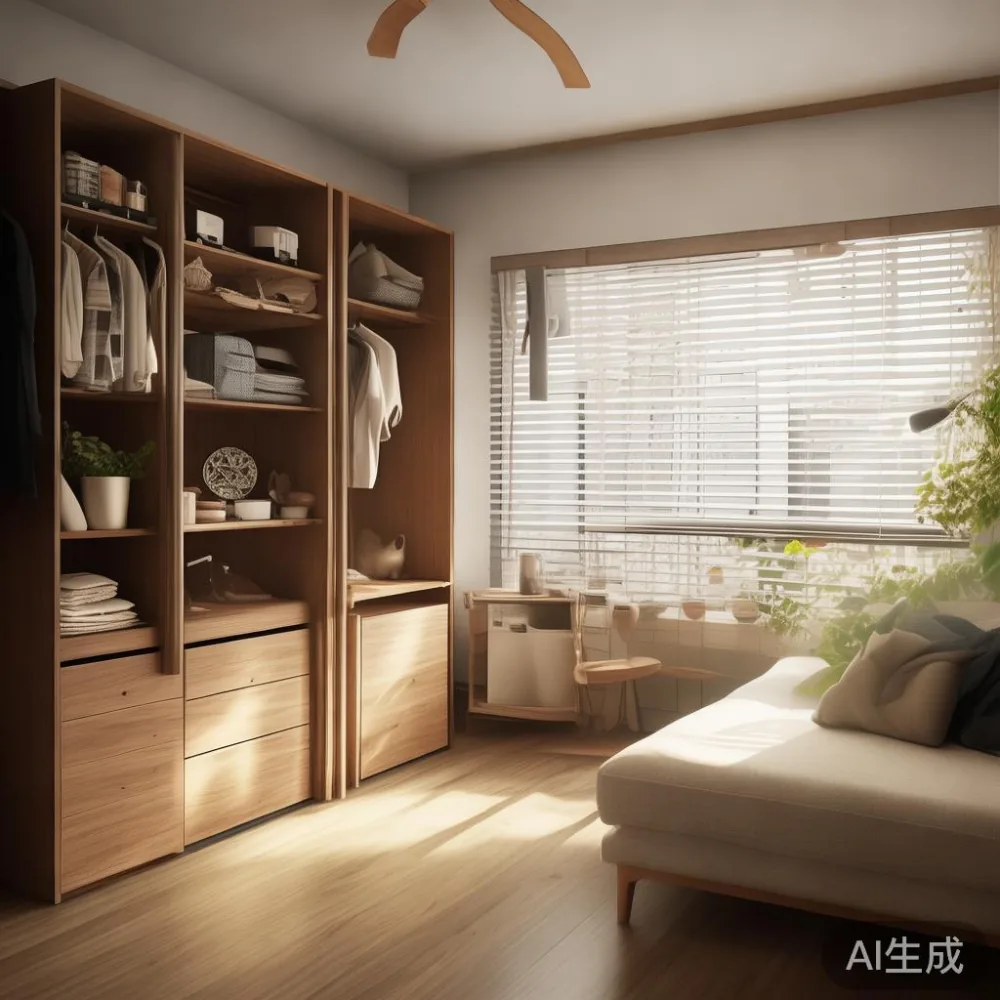
Understanding Southeast Asian Humidity and Its Impact on Solid Wood
Wood is a hygroscopic material – it constantly exchanges moisture with the surrounding air. When the air holds more water vapor, wood fibers absorb moisture and expand; when the air dries out, they release moisture and contract. In a climate where the indoor humidity can swing from 60 % to 85 % within a single day, solid wood sofa frames, bed frames and wardrobes are under constant stress. A typical 180 cm × 80 cm × 200 cm wardrobe made from solid sheesham can weigh around 45 kg, and the added moisture can add an extra 2–3 kg, putting strain on hinges and drawer slides.
Last month I visited a 4‑room HDB flat in Tampines to test a digital hygrometer placed next to a solid wood nightstand. The reading showed 78 % RH at 2 pm, a level that would cause soft maple to swell by roughly 0.2 % in width. Over weeks, that tiny change can manifest as sticking drawers or a door that no longer closes flush. This practical test underlines why humidity control is not a luxury but a necessity for any homeowner who wants their furniture to stay functional and beautiful.
Real Stories: My Visit to a Tampines HDB Flat
The flat belonged to a couple who had recently purchased a solid wood dining table, a bed frame, and a wardrobe from a local showroom. The dining table, priced at SGD 1,450, measured 160 cm × 90 cm and was finished with a clear lacquer to showcase the natural grain. The bed frame, a low‑profile design in solid teak, cost SGD 2,100 and measured 190 cm × 150 cm. Their wardrobe, a 2‑door model in solid oak, was SGD 1,850 and stood 200 cm tall with a depth of 60 cm. The couple had installed a portable dehumidifier that ran 8 hours a day, keeping the living room at a steady 55 % RH.
Despite the dehumidifier, I noticed that the wardrobe doors were slightly swollen, leaving a 2 mm gap when closed. The nightstand placed beside the bed showed a faint watermark on its veneer after a particularly humid week. After measuring the gap and checking the door hinges (which were standard 35 mm European hinges), I recommended tightening the screws and applying a thin coat of wax polish to the door edges to reduce moisture absorption. The couple reported that after the adjustment, the doors closed smoothly again and the nightstand remained dry.
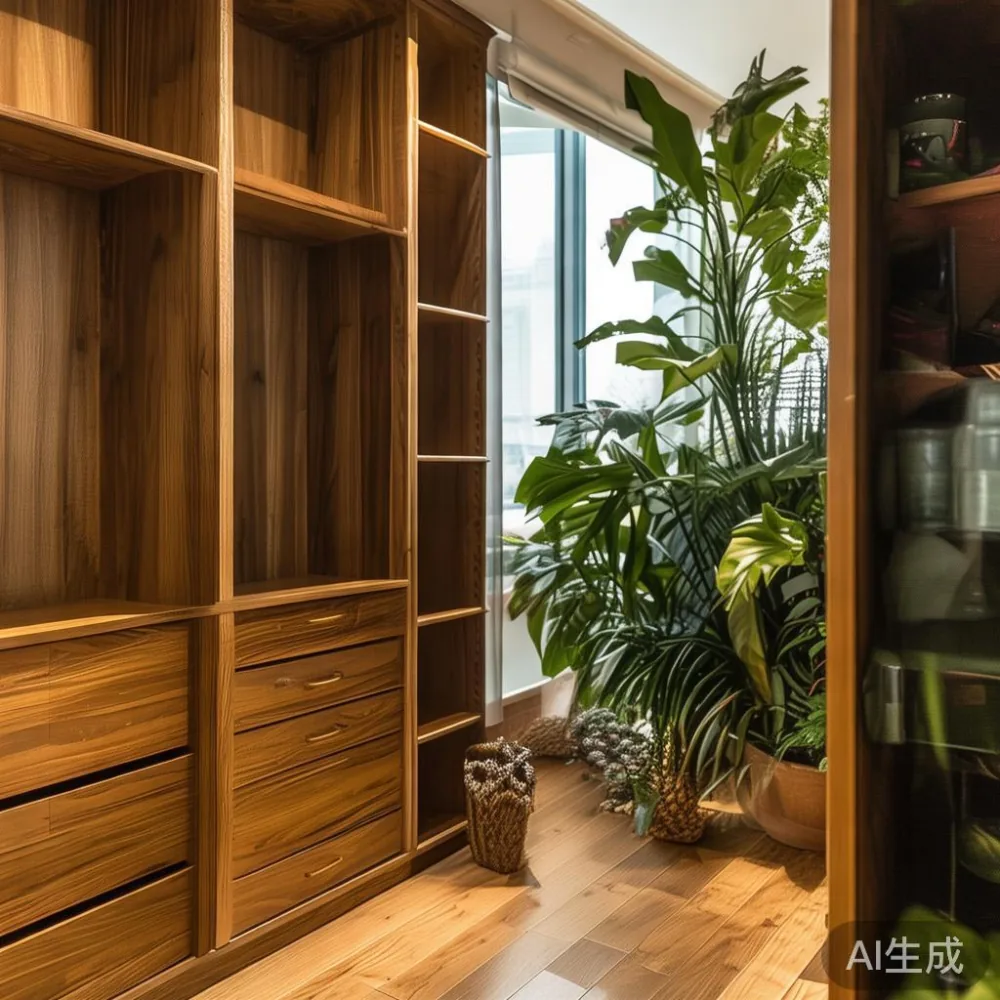
This experience reinforced a key lesson: even high‑quality solid wood requires a proactive approach to humidity management, especially in Singapore’s climate. A dehumidifier set to maintain 50–55 % RH can add about SGD 20–30 to the monthly electricity bill, but it protects furniture worth thousands of dollars in the long run.
Choosing the Right Wood Furniture for Humid Climates
When selecting furniture, the species of wood matters. Dense hardwoods such as teak, sheesham and oak have tighter grain structures, which slow moisture movement. For a light luxury for bedroom collection, manufacturers often use pale ash or maple with a thin lacquer finish; these woods still breathe, but the lacquer creates a barrier that reduces rapid moisture uptake.
Consider the joinery method as well. Mortise‑and‑tenon joints, common in traditional solid wood sofa frames, provide more stability than dowel‑only constructions. A well‑engineered bed frame with a central support beam and wide‑board slats can distribute weight evenly and minimize sagging caused by humidity‑induced swelling.
If you are searching for sale Rustic furniture that can survive humidity, look for pieces made from reclaimed teak or solid oak that have been kiln‑dried to a moisture content of 8–10 %. Kiln‑drying reduces the internal moisture level, making the wood less prone to expansion. Many reputable producers, including Midhill, offer this level of processing for their solid wood dining tables and wardrobes, backed by a 10‑year structural warranty.
How Does Humidity Affect Your Wardrobe in a Singapore HDB Flat?
Wardrobes are especially vulnerable because they often contain clothing that holds additional moisture, creating a micro‑climate inside the cabinet. A wardrobe with a depth of 60 cm can trap humid air if the doors are closed for long periods, especially in a bedroom with limited airflow. Over time, this can lead to musty odors, mold on the interior back panel, and swelling of the wooden doors.
To safeguard wardrobe organization, keep the interior well‑ventilated. Leave a small gap between the wardrobe back and the wall (about 2–3 cm) to allow air circulation. Install a low‑wattage desiccant pack (about 100 g) inside the wardrobe to absorb excess moisture without raising the temperature. For those with larger spaces, a small 12 V USB‑powered fan placed inside the wardrobe can promote airflow and reduce humidity by up to 10 % RH.
When designing your wardrobe organization system, consider adding adjustable shelves made from moisture‑resistant MDF or plywood rather than solid wood, which can warp. A solid wood wardrobe frame still provides the aesthetic and structural benefits, but the interior shelving can be optimized for practicality. Remember that a well‑organized wardrobe not only protects your clothes but also extends the life of the wooden structure.
Protecting Other Key Pieces: Sofas, Dining Tables, and Nightstands
A solid wood sofa often sits in living rooms where air conditioning runs for several hours each day, creating a drier environment. However, the transition from a cooled interior to a humid balcony or corridor can cause condensation on metal components such as legs or brackets. To prevent rust, choose furniture with powder‑coated steel or solid wood legs that have been sealed with a water‑repellent finish.
When deciding between a Japanese sofa vs Nordic sofa, note that the Japanese style typically features lower seat heights and slimmer profiles, which can reduce the surface area exposed to humid air. The Nordic design often incorporates higher legs and broader cushions, offering more air circulation underneath. Both styles can perform well in Singapore if the wood is properly treated and the upholstery is made from breathable fabrics like cotton or linen blends.
A dining table is a focal point in any home, and its size matters when working through tight HDB corridors. A 180 cm × 90 cm table may weigh 35 kg, but when moving it through a corridor width of 120 cm, the door clearance of 80 cm can be a challenge. Many homeowners opt for tables with removable legs or a fold‑away leaf to make delivery easier. Midhill offers a solid wood dining table with a pre‑attached central leaf that can be stored flat, reducing the need for disassembly.
Nightstands are often the smallest pieces, but they still face humidity issues. A nightstand with a solid wood top and a drawer made from solid wood can swell if the drawer is left open during a humid night. Simple maintenance, such as applying a thin coat of furniture wax to the drawer rails every six months, can keep drawers sliding smoothly.
Design Trends: Light Luxury, French Provincial, and European Styles
Singapore homeowners increasingly gravitate toward light luxury aesthetics, blending modern minimalism with classic touches. A light blue luxury sofa can serve as a statement piece while maintaining a relaxed vibe. Pair it with a European light luxury dressing table that features clean lines and a muted palette to create a cohesive bedroom look.
For those who prefer a more ornate vibe, luxury French provincial furniture offers intricate carvings and curved legs. However, the detailed molding can trap dust and moisture, so regular dusting with a soft cloth and a light application of lemon oil can help preserve the finish. When selecting such pieces, verify that the manufacturer applies a high‑quality lacquer or polyurethane seal to protect against humidity.
American light luxury tends to emphasize generous proportions and sturdy construction, often using solid hardwoods like maple or cherry. These pieces are generally built with thicker rails and stiles, which provide extra stability in fluctuating humidity. A post‑modern light luxury approach might combine sleek metal accents with warm wood tones, offering a contemporary feel while still maintaining the durability required for tropical climates.
Practical Tips for Maintaining Wood Furniture in Singapore’s Climate
1. Monitor humidity: Place a digital hygrometer in each room where wood furniture resides. Aim for a relative humidity of 45–55 % for optimal preservation.
2. Use dehumidifiers: A compact dehumidifier (capacity 10 L/day) in the living room and bedroom can cost about SGD 0.30 per hour, totaling roughly SGD 15–20 per month, but it can prevent costly repairs.
3. Ensure proper ventilation: Keep corridors and lift doors open when moving large pieces. Standard HDB lifts have a clear width of about 80 cm, while corridor doors typically measure 90 cm wide. Measure your furniture before purchase to avoid delivery mishaps.
4. Apply protective finishes: Re‑apply a thin layer of furniture wax or natural oil every 12–18 months to maintain the wood’s moisture barrier.
5. Check for warranty: Companies such as Midhill offer a 10‑year structural warranty and lifetime refinishing services. Keep the warranty card and register the purchase within 14 days to qualify for the 14‑day returns policy.
Frequently Asked Questions: Humidity and Wood Furniture in Singapore
How much does shipping cost for a solid wood wardrobe if I order online? Midhill provides free shipping for orders over US$350, which translates to approximately SGD 470. For deliveries to HDB flats in Punggol or Bedok, a surcharge of SGD 30 applies for lift‑only access if the building lacks a loading dock.
Can I return a piece if it swells after delivery? Yes, most retailers, including Midhill, accept returns within 14 days of delivery, provided the item is in its original condition. You may need to cover a small return logistics fee of about SGD 50.
Is it safe to place a marble table near a window in a humid environment? Marble is less prone to moisture absorption than wood, but it can develop condensation on its surface. Wipe it regularly with a dry cloth and consider using a dehumidifier nearby.
Do light luxury for bedroom pieces require special care in humid climates? Light luxury designs often use thinner finishes and delicate hardware. Regular dusting and occasional polishing with a non‑abrasive cleaner will help preserve their appearance.
In summary, managing humidity is a continuous process that involves monitoring, ventilation, and choosing the right materials. By understanding how moisture interacts with solid wood, and by applying practical maintenance tips, you can enjoy your furniture for years to come, even in the most humid corners of Singapore.