Preserving the Shine: Caring for a Lacquered Wardrobe in Singapore
The allure of a beautifully lacquered wardrobe in a Singaporean home is undeniable. Its high-gloss finish reflects light, creating an illusion of space and adding a touch of sophisticated elegance to any bedroom, be it a compact HDB flat in Tampines or a more spacious condo in Punggol. However, the very conditions that make our city vibrant—persistent humidity, ambient temperatures hovering around 30°C, and the occasional sudden downpour—pose a unique challenge to maintaining that flawless surface. Unlike a solid wood sofa or a marble table, a lacquered finish is a delicate film applied over wood, and its care requires a specific approach to prevent common issues like cloudiness, white spots, or peeling. This guide will walk you through the practical steps to protect your investment, ensuring your wardrobe remains a stunning centerpiece for years to come.
Understanding the Enemy: How Humidity Affects Lacquer
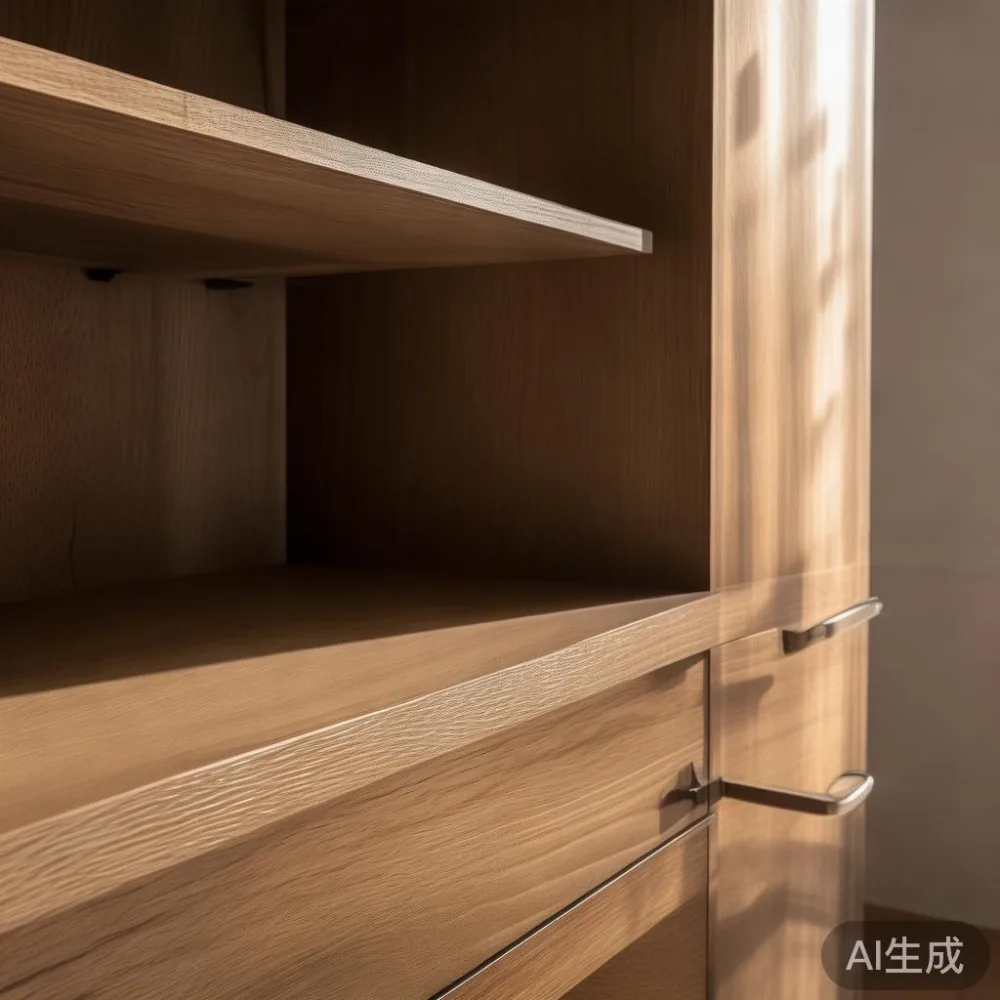
To properly care for your lacquered wardrobe, you first need to understand the nature of the threat. Lacquer is a hard, durable finish, but it is not impervious to Singapore's climate. High humidity means a constant presence of moisture in the air. When this moisture penetrates the microscopic pores or any microscopic crack in the lacquer layer, it can get trapped underneath. This trapped moisture can cause several problems. The most common is a white, cloudy haze or spots, known as blushing or blooming. This happens when moisture gets trapped between the lacquer layers and causes the finish to lose its clarity. In more severe cases, especially if the wood underneath wasn't perfectly sealed, the moisture can cause the wood to swell, putting pressure on the lacquer film. This pressure can lead to cracking or, in the worst-case scenario, the lacquer peeling away from the wood substrate. The temperature fluctuations between your air-conditioned bedroom and the humid corridor outside can also cause the lacquer to expand and contract, potentially weakening its bond over time.
Why Regular Dusting is Your First Line of Defence
The simplest, yet most effective, habit you can develop is regular, gentle dusting. Dust might seem harmless, but in a humid climate, it becomes a problem. Dust particles are often abrasive and can contain microscopic amounts of moisture. When left on the surface, they can act like tiny grit, scratching the soft lacquer finish when you wipe or move objects across it. Also, a layer of dust can trap moisture directly against the surface, exacerbating the humidity issues mentioned earlier. For daily care, use a soft, lint-free microfiber cloth. A dry cloth is usually sufficient for removing light dust. The key is to use a light touch. Never press hard or scrub, as this can create fine scratches that will dull the high-gloss finish. For those hard-to-reach grooves and carvings common in a French light luxury wardrobe design, a soft-bristled paintbrush can be an excellent tool to gently dislodge dust without applying pressure.
Can I Use Water or Household Cleaners on My Lacquered Wardrobe?
This is a question we hear often, and the answer is a firm no. Water and common household cleaners are the enemies of a lacquered surface. While a slightly damp cloth might be okay for a quick wipe-up of a fresh spill, it should never be your standard cleaning method. Water can easily seep into the seams or edges of the wardrobe, where the lacquer is most vulnerable. It can also leave behind water spots if not immediately and thoroughly dried. Most all-purpose kitchen or bathroom cleaners contain harsh chemicals, ammonia, or alcohol, which can strip the lacquer of its protective oils and cause it to become dull, cloudy, or even discolored. These chemicals can also damage the delicate adhesion of the lacquer to the wood. Instead of risking your beautiful piece, invest in a product specifically designed for lacquered or high-gloss surfaces. These cleaners are typically pH-neutral and formulated to clean without harming the finish. Always apply the cleaner to the cloth, not directly onto the wardrobe, to prevent any liquid from seeping into joints or hardware.
The Correct Way to Clean and Polish Your Lacquered Finish
When it comes time for a deeper clean, a gentle and methodical approach is paramount. Start by removing all items from the wardrobe and dusting the entire surface with a dry microfiber cloth. Next, lightly mist a separate, clean microfiber cloth with a dedicated lacquer polish or a high-quality carnauba wax-based furniture polish. The polish should be applied sparingly; a little goes a long way. Using a second, dry microfiber cloth, work in small, circular motions to buff the surface. This process not only cleans but also nourishes the lacquer, restoring its shine and creating a protective barrier against moisture. Pay special attention to the areas around the handles and hinges, as these spots can accumulate more oils from your hands. For stubborn smudges, never use a stronger chemical. Instead, a tiny amount of mineral oil on a cloth can be used to gently rub the spot, followed immediately by a buff with a clean, dry cloth. I tested this method on my colleague’s wardrobe in Bedok last month, and it removed a persistent fingerprint mark without a trace, leaving the surface gleaming. This level of care is what separates a well-maintained piece from one that looks worn and tired.
Strategic Placement: Protecting Your Wardrobe from Environmental Stress
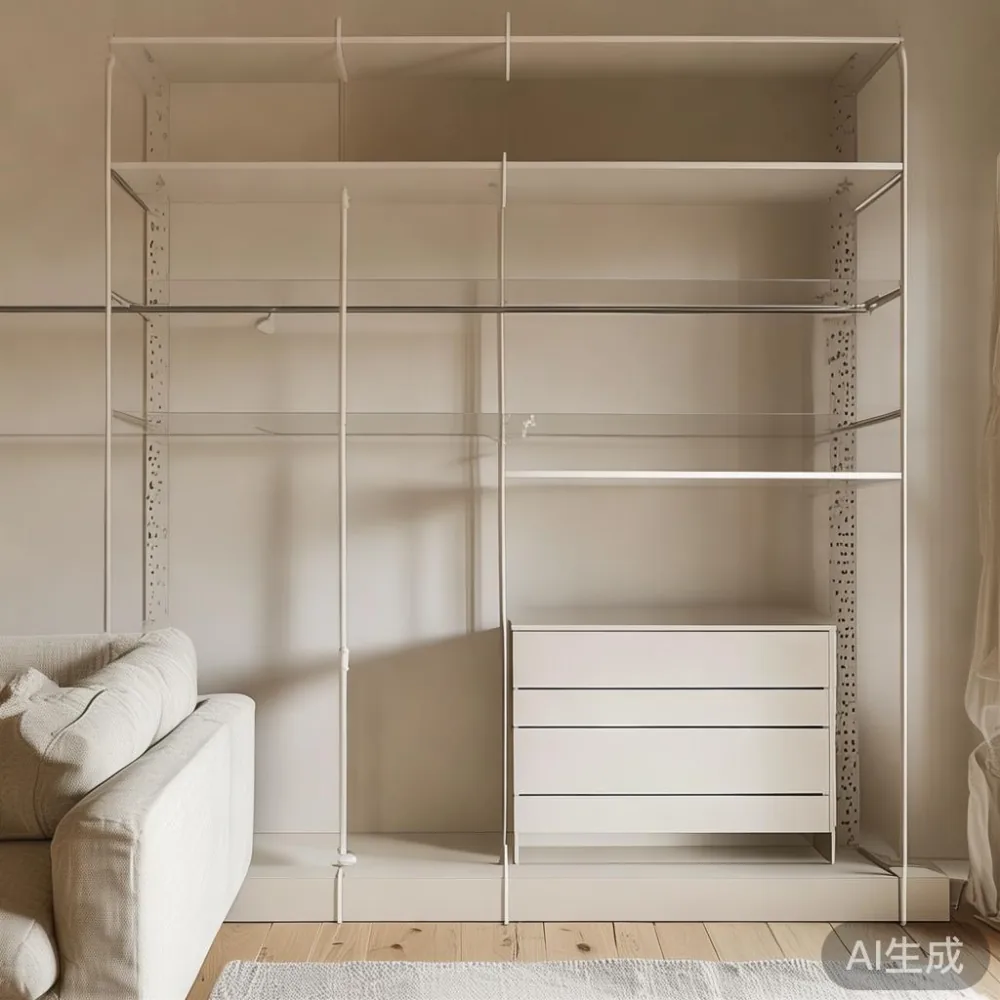
Where you place your wardrobe within your home can significantly impact its longevity. In a typical Singapore HDB flat, the wardrobe is often placed in the master bedroom. Avoid positioning it directly opposite a window or an air-conditioning vent. Direct sunlight can cause the lacquer to fade over time, while a constant, direct blast of cold air from the AC can create significant temperature and humidity differentials on the surface, leading to stress cracks. Similarly, placing it too close to a bathroom door is a bad idea, as the steam from showers will constantly bombard the finish with moisture. If you live in a condo with a balcony, ensure the wardrobe is not placed against an external wall that might get damp during heavy rain. The space between your wardrobe and the wall should allow for some air circulation to prevent moisture buildup. When moving your wardrobe, even just a few centimeters within your Tampines HDB flat, always lift it. Never drag it across the floor, as this will scratch both the floor and the base of the wardrobe. For a heavy piece like a solid wood wardrobe, it's wise to have two people handle it to avoid damage to the structure and the delicate finish.
Addressing Common Problems: White Spots and Haze
Despite your best efforts, you might one day discover a white, cloudy spot on your otherwise perfect lacquered surface. This is often caused by localized moisture exposure, perhaps from a cold glass placed directly on the finish or a small, unnoticed leak. Don't panic. For very minor, fresh spots, sometimes gently buffing with a dry, soft cloth can resolve it. If that doesn't work, you can try a specialized lacquer repair kit, which typically contains a very mild abrasive polish designed to remove the top layer of the damaged lacquer without harming the surrounding area. Apply it with a clean cloth using tiny, circular motions, and then immediately follow up with a good quality polish to restore the shine. For more severe or widespread haze, the best course of action is to consult a professional furniture restoration service. Attempting to sand or refinish the surface yourself is a recipe for disaster and will likely ruin the piece. A professional can assess the depth of the damage and determine whether a simple polish or a more involved refinishing process is needed. This is where the lifetime refinishing guarantee offered by some makers like MIDHILL becomes a valuable reassurance.
How to Choose a Lacquered Wardrobe That Suits Singapore's Climate
If you are in the market for a new wardrobe and considering a lacquered finish, making an informed choice can save you a lot of headaches in the long run. The quality of the lacquer application is paramount. A high-quality, multi-layered lacquer finish will be much more resistant to humidity and wear than a cheap, single-coated one. When shopping, ask about the construction. A wardrobe with a full wood frame, like those from MIDHILL, is more stable than one with particleboard or MDF cores, which are more susceptible to swelling and warping in damp conditions. The internal structure of the wardrobe is also important for good wardrobe organization. Look for solid wood drawer boxes and smooth-gliding metal hardware, as these components are less likely to stick or corrode in a humid environment. Consider the style of the wardrobe in relation to your other furniture. A sleek, post-modern light luxury wardrobe can complement a minimalist bedroom with a simple bed frame and a marble table, while a more ornate French style might pair well with a classic solid wood sofa. The best Modern sofa for 2026 often features clean lines that would pair beautifully with a high-gloss lacquered wardrobe, creating a sophisticated and cohesive look. Remember to factor in the practicalities of your space. In a smaller HDB flat, ensure the wardrobe's dimensions, including its depth and the width required to open the doors fully, will fit comfortably in your bedroom or allocated space without blocking walkways.
Investing in Quality: A Wardrobe That Lasts
Ultimately, caring for a lacquered wardrobe in a tropical climate is about consistent, gentle care. The investment in a quality piece of furniture is significant, and proper maintenance is the key to protecting that investment. A well-maintained lacquered wardrobe is not just functional storage; it is a statement piece that adds value and beauty to your home. The peace of mind that comes with a 10-year structural warranty and a lifetime refinishing promise, as offered by established makers, is an important consideration. It reflects the manufacturer's confidence in their product's durability. When you choose a wardrobe, you are not just buying a box for your clothes; you are choosing a piece of furniture that will be part of your home for decades. For those who appreciate a certain aesthetic, finding a piece that fits your style, like a Coastal for dining room theme extended to the bedroom, can bring a sense of calm and curated design to your space. The question of how to choose European wardrobe often comes down to balancing style, quality, and practicality for your specific living conditions. By following these guidelines, you can ensure your beautiful lacquered wardrobe remains a source of pride in your Singapore home, looking as stunning as the day it was delivered.
Final Thoughts on Wardrobe Care in Singapore
Maintaining a lacquered wardrobe in Singapore requires a shift in perspective. It's not about difficult tasks, but about developing simple, consistent habits. Think of it less as a chore and more as a way to preserve a piece of artistry in your home. The high-gloss finish, the clean lines, the way it reflects the light—these are details that improves a room. By protecting them from the challenges of our climate, you ensure that your bedroom retains its sophisticated ambiance. Whether your taste leans towards the understated elegance of American light luxury or the bold statements of post-modern design, a well-cared-for wardrobe is the anchor of the space. It supports your lifestyle of wardrobe organization and contributes to a serene and beautiful environment. The right piece, like the best Vintage wardrobe for 2026 that combines classic form with modern durability, can be a true heirloom. Remember, the care you provide today is an investment in the future beauty and functionality of your furniture, allowing it to serve you and your family for many years to come.