Singapore’s Tropical Climate: Caring for Lacquered Wardrobes
Lacquered wardrobes look calm, pale, and precise in a Singapore HDB flat, yet they face a demanding environment. Heat, humidity, salt-laden air, lift corridors, and daily wardrobe organization can all affect a finished surface. Good care is less about constant polishing and more about controlling moisture, using gentle products, and protecting high-touch areas.
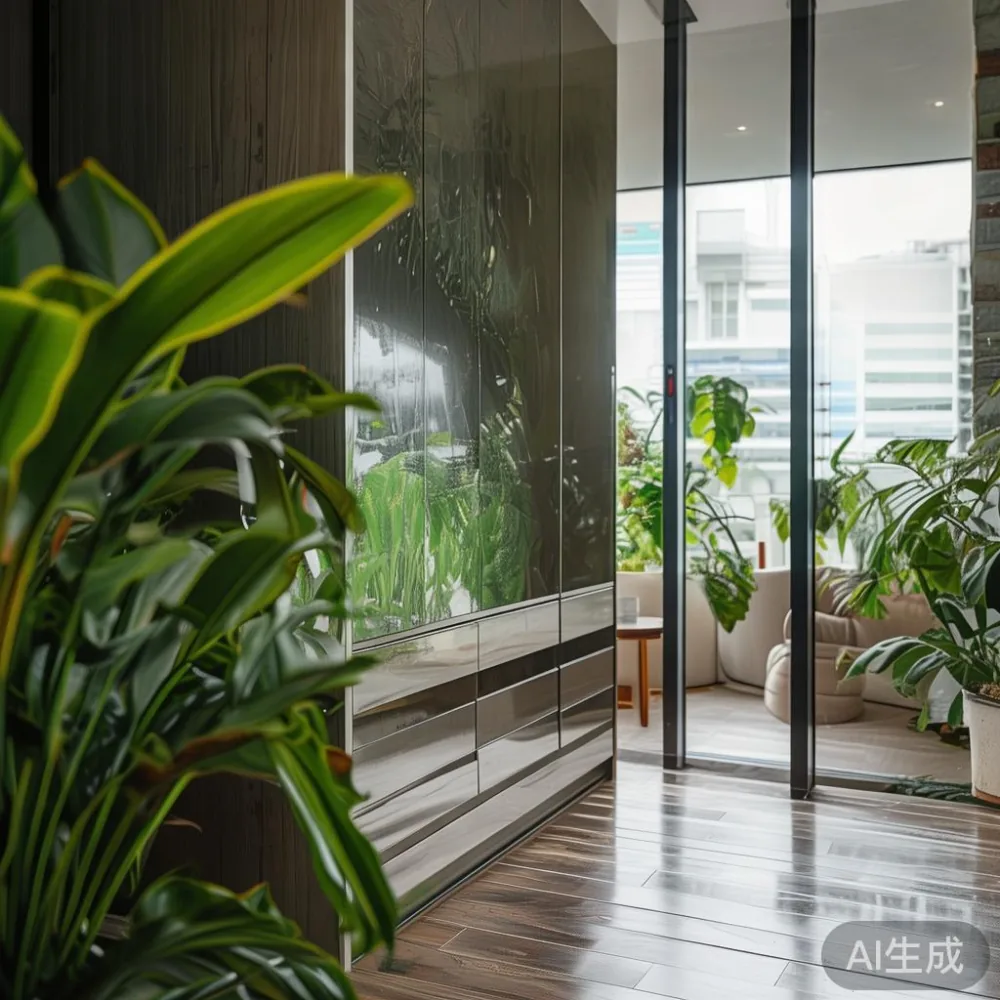
MIDHILL has built lacquered storage for international buyers since 2008, with a 10-year structural warranty and lifetime refinishing support. The same disciplined approach suits Singapore homes: measure the access route, control the room climate, and treat lacquer as a coated surface rather than ordinary untreated wood.
How does humidity affect lacquered wardrobe doors?
Relative humidity matters because lacquer and its wooden substrate can respond differently as moisture levels change. Singapore’s warm climate often keeps indoor readings around 60–80% relative humidity, especially in flats without effective dehumidification. A high reading is not an automatic failure, but repeated swings and prolonged dampness can encourage swelling, joint movement, or surface defects.
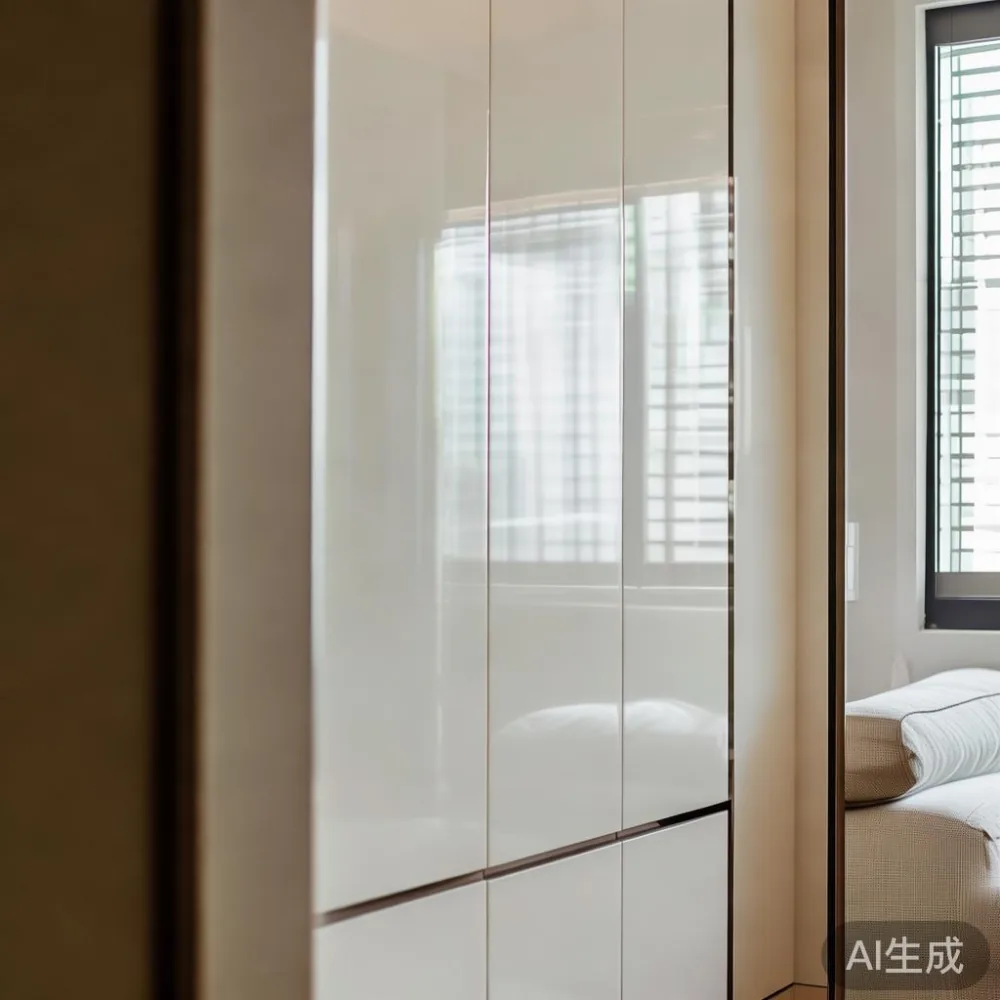
For a lacquered wardrobe in a Tampines, Bedok, or Punggol home, aim for a practical relative-humidity range of about 45–65% where possible. Place a calibrated hygrometer near the wardrobe, not directly against it. Read it at the same time on 4 consecutive days; 10 minutes each morning provides a useful baseline without creating an unnecessary chore.
Keep the wardrobe 5–10 cm away from an exterior wall if condensation is visible, and maintain 10–15 cm of clearance below where practical. Avoid direct airflow from an air-conditioner because a cold stream can create rapid surface-temperature changes. If the room regularly exceeds 75% relative humidity, run a dehumidifier and aim for 55–60%, not an artificially dry 35%.
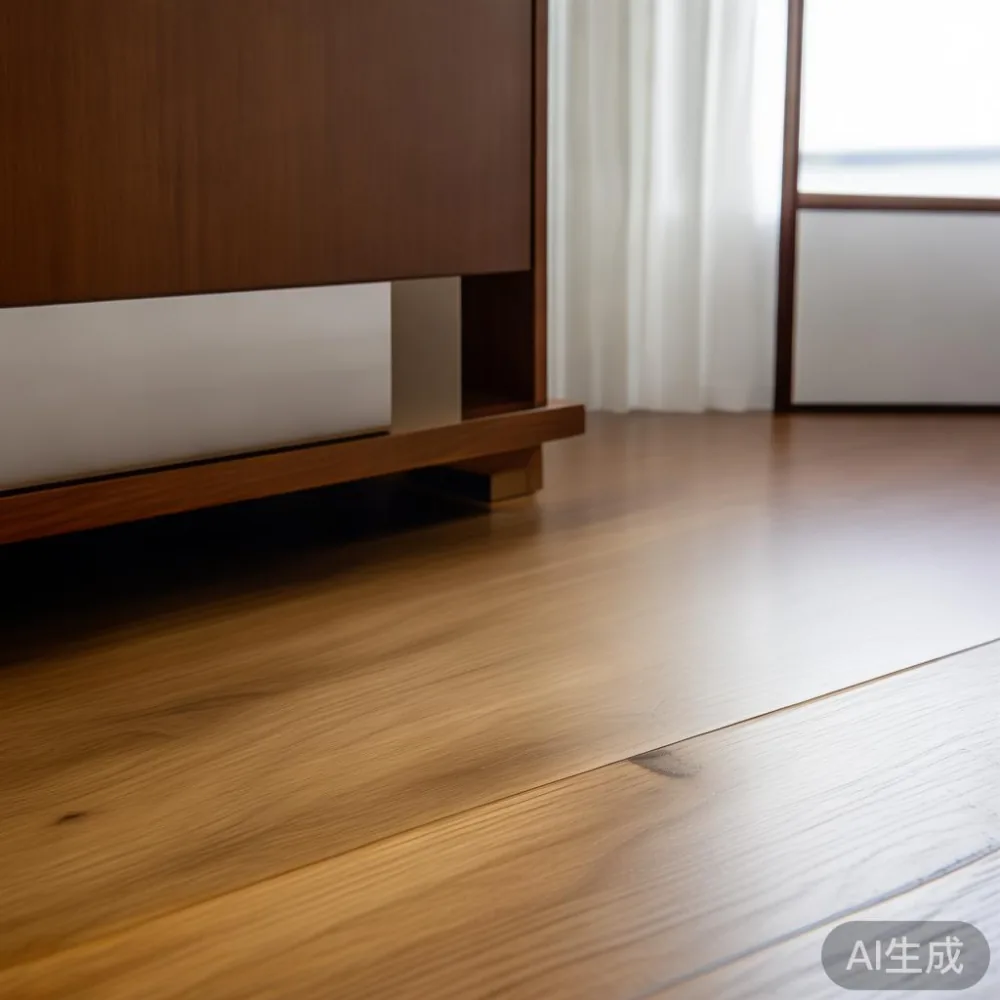
Lacquer is also vulnerable to physical marks. A brass or chrome handle may show fingerprints, while a narrow wardrobe corridor can cause sleeves and bags to brush against doors. For wardrobe organization, use soft cotton hooks and avoid overpacking the 2 cm space immediately behind a door. Leave enough room to open it through a 90-degree arc without scraping neighbouring panels.
What is the safest way to clean a lacquered wardrobe?
Use a clean, pale microfiber cloth, warm water, and a small amount of mild pH-neutral dish detergent. Mix about 1 teaspoon of detergent with 500 ml of water, dampen the cloth rather than the panel, and wipe away residue with a second damp cloth. Dry with a separate soft cloth. Test the mixture on a concealed 10 cm × 10 cm area and allow it to dry for 24 hours before treating the full surface.
Do not use vinegar, ammonia, bleach, alcohol-based glass cleaner, abrasive powder, or rough scouring pads. Avoid spraying cleaner directly onto lacquer because liquid can travel into joints, panel edges, or interior fittings. For fingerprints on a lacquered handle, a barely damp cloth may be enough; for marks that remain, dilute the detergent solution as described above.
Wipe once every 1–2 weeks in a busy corridor and immediately after any spill. A wardrobe in an open HDB balcony landing may need a weekly check, while a protected bedroom wardrobe may need only a monthly inspection. These are practical intervals, not guarantees against marks, because movement of belongings and the cleaning habits of each household differ.
For renewal, check the lacquer supplier’s instructions before applying oil, wax, polish, or a commercial wood-care product. Silicone-containing products can create a patchy appearance, and waxes can collect dust. If the coating has already been treated with a named proprietary product, use the same product only after a patch test, unless a specialist advises otherwise.
Can wardrobe organization reduce damage to lacquered surfaces?
Yes. Thoughtful wardrobe organization reduces the need to clean, repair, and replace. Assign the frequently used zone to easy reach, then group clothes by practical categories rather than squeezing every item into one section. A typical adult’s everyday clothing can occupy roughly 120–180 linear cm of hanging space, subject to garment length and hanger width.
Use 40–45 cm wide wooden or padded hangers for shirts and jackets. Thin wire hangers can move in a wardrobe, press garments together, and make the interior less stable. Allow folded items to sit on shelves that are correctly fitted, and avoid placing heavy storage boxes on adjustable shelves unless their load limit permits them.
For a Singapore family wardrobe, keep damp swimwear, wet towels, and beach gear in ventilated rooms until dry. Do not seal damp clothing inside a lacquered wardrobe for 8–12 hours. Place an absorbent tray beneath damp items, changing it every 2–3 hours, and use a moisture-absorbing product only if the instructions state that it is suitable for enclosed wardrobes.
MIDHILL’s wardrobe organization can include drawers, hanging zones, shoe shelves, and internal fittings selected around the actual interior dimensions. A 150 cm wardrobe may offer 4 hanging sections, while a 180 cm unit may accommodate a wider combination of shelves and rails. The exact layout depends on the frame, rail position, and fittings selected.
For frequent household use, add one 60 cm soft-mat zone outside the wardrobe for shoes. This keeps grit away from the lacquer threshold and reduces impact when a bag is set down. Use a tray for jewellery and keys, and keep pens, nail-polish bottles, and cleaning chemicals in a separate 20 cm drawer or lidded container rather than near garments.
How should a lacquered wardrobe be moved into an HDB flat?
Measure before ordering the delivery path. Record the HDB lift door width and internal depth, the corridor width, and the height of any turning point. Common access measurements vary, so do not assume that a wardrobe narrower than 60 cm will pass every lift or landing. Allow at least 5 cm total clearance for angled entry and for the installer’s hands.
Protect the lacquer during transport with cardboard, foam corner guards, and blankets rated for furniture protection. Do not place adhesive tape directly on a finished panel unless the supplier approves it. Lift rather than drag a unit, and use moving blankets between the wardrobe and lift walls. The delivery crew should confirm the route with the resident on the delivery day.
Singapore’s GST-inclusive pricing can help households plan the purchase. A mid-range lacquered wardrobe may range from SGD 1,200 to SGD 3,800 depending on width, finish, and internal fittings, while larger custom configurations may cost SGD 4,000 or more. Ask for a GST-inclusive quotation, delivery charge, and installation terms in writing.
Confirm the delivery window in days, including the date of arrival and any possible rescheduling. MIDHILL offers free shipping above US$350 for qualifying orders; for Singapore purchases, confirm whether the quoted local delivery rate or threshold applies. Deliveries to Singapore can take roughly 7–14 working days after production, with 2–5 additional working days for local scheduling, depending on the order and stock position.
Returns are accepted within 14 days under the applicable terms, so inspect the wardrobe promptly after arrival. Photograph all sides, doors, edges, fittings, and the room access route before the delivery team leaves. Check that doors align, drawers operate, handles are secure, and the lacquer shows no transport marks.
Does direct sunlight cause lacquer to fade?
Prolonged UV exposure can fade colour and weaken surface finishes, even if lacquer feels cool and smooth. A west-facing Bedok condo bedroom may receive stronger late-afternoon light than a shaded Punggol interior. Curtains or UV-filtering blinds are sensible controls. Keep the wardrobe at least 30 cm from a window when possible, or use curtains that cover the glass during the brightest hours, approximately 11 a.m. to 4 p.m.
Do not place hot appliances against the wardrobe. A 1,500 W fan or heater should maintain at least 30 cm of clearance, and more if its manufacturer specifies it. Although wardrobe-specific advice matters, this spacing also protects adjacent furniture such as a solid wood sofa, bed frame, or nightstand from heat and movement.
Dark lacquer can show heat and fingerprint marks more readily than pale lacquer. A glossy finish reflects light, whereas a matte or textured finish may disguise fine handling marks. Neither finish should be cleaned with an abrasive product. When comparing finishes, look at samples under daylight and under the room’s evening lighting, because a 20 cm panel can shift visually between the two.
French light luxury wardrobes often use restrained profiles, warm metal details, and pale finishes. That vocabulary fits a compact Singapore bedroom, but the defining feature should be proportion and detail rather than excess ornament. Post-modern light luxury can also suit a contemporary condo through precise shadow lines and quiet geometric forms.
When should a lacquered wardrobe be inspected or refinished?
Inspect the wardrobe every 3–6 months. Check the 4 areas most exposed to contact: door edges, handles, the lower rail area, and the base near the floor. Look for raised lacquer, colour changes, bubbling, adhesive residue, or doors that no longer close with a 2–3 mm gap. Note any issue with a dated photograph and a written measurement.
Small marks do not always require full refinishing. A superficial scuff may be treated according to the finish supplier’s procedure, but sanding or solvent use should be handled by an experienced specialist. Deep scratches, broad peeling, or moisture-related swelling need a closer assessment because sanding through a coated surface can expose material that needs a different repair sequence.
MIDHILL provides lifetime refinishing for qualifying products under its service terms. Confirm what the service covers, whether freight is included, and whether a visit is required. A refinishing project may take 5–10 working days after assessment, with an additional 3–7 days for local scheduling and return transport.
Keep the product’s order record for at least 10 years to support structural warranty claims. The structural warranty addresses the product’s construction under its stated terms; it should not be confused with accidental-damage coverage or an unlimited promise for every lacquer mark. Retain cleaning receipts, care instructions, and photographs of the installation condition.
What should I know about light-luxury furniture for a compact Singapore home?
Scale and material balance matter more than visual grandeur. A 180 cm wide solid wood dining table may suit a rectangular dining zone of at least 300 × 150 cm, leaving about 60 cm on each long side for chairs and circulation. A smaller 140 cm table can work in a 220 × 120 cm zone. A marble table adds a distinct surface character, yet it may require level support and careful protection from heat and acidic stains.
For broader room planning, a phrase such as Italian light luxury for dining room describes a design direction centred on refined proportion, texture, and craftsmanship rather than oversized decoration. Modern Italian light luxury furniture similarly works well in a clean Singapore apartment when each piece leaves adequate circulation space.
Buyers comparing under 2000 European furniture with custom options should compare dimensions, joinery, finish care, warranty scope, and delivered price rather than labels alone. A European light luxury bed vs Nordic bed comparison often turns on storage, visual profile, and room proportions. Likewise, an American bed vs Mid-century modern bed comparison concerns silhouette and construction details, not a promise that one style suits every HDB room.
Keep each product connected to the room’s real use. A solid wood sofa needs space for opening and sitting, a dining table needs chair clearance, a bed frame needs access on at least 2 sides where possible, and a nightstand needs a reachable socket position. A wardrobe needs a door-swing zone, lighting, and a climate that protects its finish. This is wardrobe organization in the wider sense: arranging movement, storage, and care so the furniture remains useful.
Rustic for small living room may appeal in a relaxed home, but a small space generally benefits from controlled texture and fewer bulky outlines. Balance visual warmth with clear paths of at least 60–75 cm where possible. In a condo corridor, keep the route clear even when the wardrobes are beautiful.
For practical purchasing, request api.midhill.co product information and compare it with the dimensions of your flat. Confirm whether GST is included, the delivery period in days, installation requirements, and the return window. If a project includes a marble table, also confirm access measurements and lifting arrangements.
How can a Singapore household maintain lacquer without constant polishing?
Build a simple 4-step routine around the wardrobe. Keep the relative humidity near 45–65% where feasible, wipe spills as they occur, use soft hooks and trays to protect contact points, and inspect the finish every 3–6 months. Clean monthly in a low-traffic bedroom or every 1–2 weeks near a busy corridor. Replace a damaged cloth rather than continuing to spread grit.
Give the lacquer time to acclimatise after delivery. For a newly installed unit, avoid placing damp clothes or heavy objects against the panels during the first 24–48 hours. Maintain ventilation, but do not create direct air-conditioning airflow across the surface. A hygrometer reading above 75% for several hours warrants attention, especially if the wardrobe is next to an exterior wall.
For a second wardrobe, light colours and satin hardware can create a calm French light luxury mood, while dark edges and linear pulls can support an American light luxury or post-modern light luxury scheme. The lacquer still needs the same humidity discipline, and the surrounding room should not overwhelm its finish.
Care is most effective when product documentation, installation records, and household habits support one another. Keep a 1-page care sheet beside the order confirmation, record the delivery date, and note the finish type. Over 10 years, that small record can make warranty and refinishing conversations much clearer.
A well-cared-for lacquered wardrobe can remain visually composed for years in a tropical home. The decisive factors are measured access, controlled humidity, gentle cleaning, sensible wardrobe organization, and early attention to damage.