Warranty Insights: Decoding Your Furniture Protection
When you invest in a new wardrobe for your Singapore HDB flat or condominium, the document that often gets buried under the invoice and receipt is the warranty. It’s a dense, jargon-filled document that seems designed to confuse rather than clarify. Yet, understanding this document is one of the most practical steps you can take to protect a purchase that can cost several thousand Singapore dollars. For residents in Tampines, Bedok, or Punggol, where space is often at a premium and furniture must fit specific lift and corridor dimensions, a warranty can be the difference between a smooth resolution and a frustrating, costly problem.
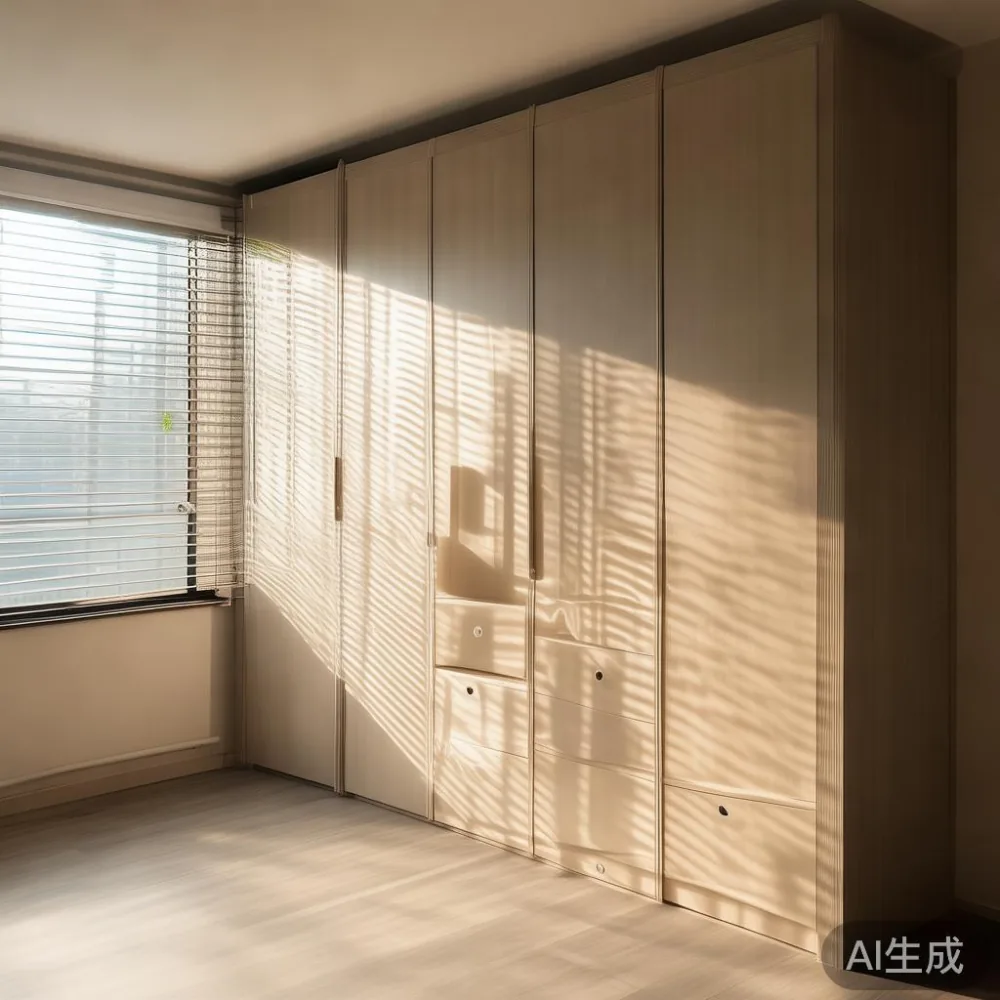
What Exactly is a Furniture Warranty?
A furniture warranty is a manufacturer's or seller's promise to repair or replace a product if it fails to meet certain standards within a specified period. It is not a guarantee against normal wear and tear. This distinction is the most important rule of thumb. Think of it like a warranty on a car: it covers engine failure, not the replacement of brake pads that have worn down from regular use. For a wardrobe, this means the warranty might cover a collapsed drawer runner but not the fading of the wood finish from exposure to sunlight in your Tampines apartment.
The terms of a warranty are legally binding. In Singapore, this falls under the Consumer Protection (Fair Trading) Act. When a company provides a warranty, it must honour it. However, the power is in your hands to understand its limitations before you sign. A warranty is your contract with the manufacturer, and like any contract, its language is precise. Words like 'defect', 'material failure', and 'normal use' have specific meanings that can be interpreted in the manufacturer's favour if you are not careful.
What's Typically Covered and What's Not?
Most furniture warranties, especially for solid wood pieces, focus on structural integrity and manufacturing defects. This includes issues like:

- Frame joints separating or cracking.
- Drawer sides or bottoms splitting.
- Door hinges or sliding mechanisms failing.
- Table legs or bed frame supports breaking under normal load.
What is almost universally excluded is damage resulting from misuse, accidents, or neglect. This includes:
- Water damage, spills, or excessive humidity (a common issue in Singapore).
- Scratches, dents, or stains from everyday use.
- Damage from moving the furniture or disassembly.
- Fading or discolouration from sunlight exposure.
- Normal wear and tear, such as softening of upholstery fabrics.
It’s also common for warranties to exclude 'acts of God', such as floods or fires, and damage caused by improper assembly. For example, if you assemble a wardrobe incorrectly and it collapses, the warranty will not cover it. The onus is often on the customer to ensure assembly is done correctly according to the provided instructions.
How to Decipher the Fine Print: A Step-by-Step Guide
Reading a warranty document requires a methodical approach. Don't just skim it; treat it like a legal document. Here’s a practical checklist to follow.
1. Identify the Duration and Scope
Look for two key numbers: the length of the warranty and what it covers. A good structural warranty for a wardrobe should be at least 5 to 10 years. A finish warranty might be shorter, perhaps 1-3 years. Be wary of warranties that offer a 'lifetime' guarantee on a specific part, as this can come with many hidden conditions. For instance, a 'lifetime warranty on drawer glides' might only be valid if the original owner is the one making the claim and the product was purchased from an authorised dealer.
2. Define 'Normal Use' and 'Misuse'
This is where many warranties get tricky. The document should clearly define what constitutes normal use. For a wardrobe, this might be a maximum weight limit for hanging clothes (e.g., 15 kg per hanging rail) or a restriction on overloading drawers. Misuse could be defined as exceeding these weight limits, standing on the furniture, or using it for purposes other than its intended use. If the definitions are vague, it gives the manufacturer room to deny a claim.
3. Understand the Claim Process
How do you make a claim? The process should be clearly outlined. Is there a dedicated phone number or online portal? Do you need to provide proof of purchase? Are there any time limits for reporting a defect? For example, a warranty might require you to report a defect within 30 days of noticing it. If you wait 6 months, you may forfeit your right to a claim. Keep your receipt and warranty documents in a safe place, perhaps digitally scanned for easy access.
4. Check for Geographic and Service Limitations
This is particularly relevant in a country like Singapore. Does the warranty apply nationwide? If you live in a condo in Punggol with a narrow lift, will the manufacturer send a technician who can work through your building? Some warranties may have limitations on service areas or may require you to transport the item to a service centre, which is impractical for a large wardrobe. Ensure the service terms are feasible for your location.
What About Singapore-Specific Conditions?
Singapore's unique environment and housing types add layers of complexity to furniture warranties. Our high humidity can affect wood, causing it to warp or crack if not properly seasoned. Our compact living spaces, especially in HDB flats, mean furniture must endure frequent moving and tight squeezes through corridors and lifts. A good warranty should account for this.
For example, a warranty that explicitly covers 'resistance to Singapore's ambient humidity' is more valuable than one that doesn't. Similarly, a warranty for a wardrobe designed for Singaporean apartments might specify that it can be disassembled and reassembled multiple times without affecting the structural warranty, which is a practical consideration for those who move homes frequently. Always check if the warranty mentions anything about local conditions or assembly/disassembly services.
Is a 10-Year Structural Warranty Really That Good?
A 10-year structural warranty is a strong indicator of a manufacturer's confidence in its product. It suggests they expect the frame and main components to last for a decade under normal use. However, the quality of the warranty matters just as much as the length. A 10-year warranty with a complicated claims process and many exclusions is less valuable than a 5-year warranty with clear terms and easy-to-follow procedures.
When evaluating a warranty, consider the reputation of the brand. Companies like MIDHILL, established in 2008, have a long history of honouring their commitments. A 10-year structural warranty from a well-regarded exporter to 15+ countries carries more weight than a similar promise from a new, untested company. The length of the warranty is a promise, but the company's track record is proof that they intend to keep it.
Real-World Examples of Warranty Traps
To illustrate the importance of careful reading, let's look at a few common scenarios. Imagine you buy a luxury French provincial furniture wardrobe. The warranty states it covers 'wood defects for 5 years'. After 4 years, you notice a small crack in one of the solid wood panels. You file a claim, but the manufacturer denies it, arguing the crack was caused by 'improper placement near an air-conditioning vent', which they classify as environmental damage, not a material defect. The warranty's lack of a clear definition for 'environmental factors' left you unprotected.
Another example involves a Japanese for dining room table with a marble top. The warranty might state it covers the 'table base' for 10 years but only covers the 'marble top' for 1 year against 'staining and etching'. If the marble develops a dull, hazy appearance (a common issue with acidic substances like wine or lemon juice) after 18 months, the warranty will not cover it. The consumer, expecting the entire table to be covered, is surprised by the repair cost to refinish the marble surface, which can easily exceed SGD 500.
What to Do If Your Claim is Denied
If your claim is denied, your first step is to review the warranty again to understand the reason for the denial. Is it based on a specific clause you missed? Next, contact the manufacturer or retailer and ask for a detailed, written explanation for the denial. Sometimes, a polite but firm follow-up can resolve the issue.
If the denial seems unreasonable, you can escalate the matter. In Singapore, you can file a complaint with the Singapore National Consumers Federation (SNCF). For online purchases, you can also report the issue to the e-commerce platform. Having clear documentation—photos of the defect, your original receipt, and a copy of the warranty—is important in these situations. Remember, a warranty is a promise, and you have every right to hold the manufacturer accountable to it.
How MIDHILL Approaches Warranty Clarity
Some manufacturers understand that a warranty should be a tool for customer confidence, not confusion. Companies that focus on transparency build stronger relationships with their customers. For instance, a brand might offer a 10-year structural warranty on a wardrobe organization system, clearly stating that it covers frame and drawer failures but not issues arising from overloading. They might also provide a lifetime refinishing service, acknowledging that the aesthetic finish of a solid wood sofa or dining table will naturally change over time and offering a way to restore it.
This approach contrasts with brands that use complex language to obscure limitations. A company offering wholesale Italian light luxury furniture might have a beautiful catalogue but a warranty document that is a maze of exceptions. The key is to look for brands that make their warranty terms as clear and accessible as their product designs. When you're considering a purchase, ask the retailer for a copy of the warranty to review before you commit. A company that hesitates to provide it is a red flag.
Final Thoughts: Your Purchase is an Investment
Buying furniture, especially a large piece like a wardrobe, is a significant investment. It’s not just about the SGD 2,000 to SGD 5,000 you spend; it’s about the space it occupies in your home and the role it plays in your daily life. A well-structured wardrobe organization system can bring order to a chaotic bedroom, while a poorly made one can become a source of constant frustration.
p>The warranty is the safety net for that investment. It’s the manufacturer’s promise that they stand behind their product. By taking the time to read and understand it, you’re not just protecting yourself from unexpected costs; you’re also making a more informed purchasing decision. You can compare the value offered by different brands, not just based on price or style, but on the confidence and security they provide. So before you finalise your next furniture purchase, make the warranty part of your research. It’s a small step that can save you a great deal of trouble and money in the long run.