How Humidity Affects Solid Wood Furniture and Wardrobe Organization in Singapore
Singapore’s tropical climate can move a wardrobe from straight and orderly to visibly tired within a few humid months. In an HDB flat in Tampines, the air may hold 70–85% relative humidity for much of the day, while a Bedok condo can experience brief condensation on wardrobe doors when the corridor temperature falls to 23–25°C. The wood still breathes, but repeated moisture changes can cause swelling, shrinking, checking and sticky doors. Humidity also affects every related fitting: hinged wardrobe doors, drawer runners, mirror backing and laminated panels.
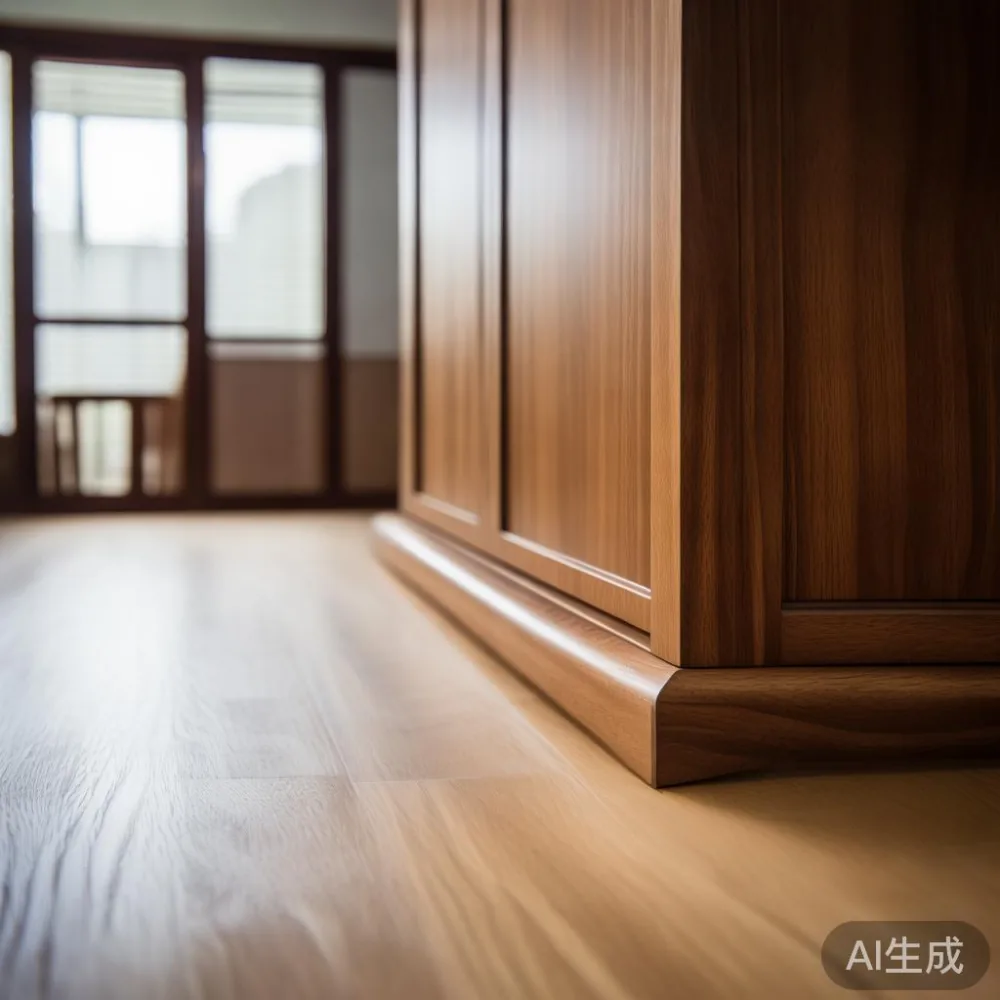
This guide focuses on wardrobe organization and the solid wood furniture placed around it. The goal is not to treat every dark mark as damage. It is to understand relative humidity, control the environment, choose suitable solid wood products and maintain them with realistic numbers.
MIDHILL has manufactured solid wood furniture since 2008 and exports to more than 15 countries, so tropical conditions are a recurring part of product development. A 10-year structural warranty addresses long-term construction quality, while a lifetime refinishing service provides a practical route for restoring surfaces. For Singapore buyers, delivery, GST, lift access and returns remain part of the furniture decision.
What relative humidity means for a wardrobe in Singapore
Relative humidity, or RH, is the percentage of moisture the air can hold at a given temperature. Warm air holds more moisture than cool air. This matters in a compact HDB bedroom where an air conditioner cools the room to 24–26°C, but the adjacent corridor remains warmer at 28–31°C. Opening a wardrobe after a commute can bring humid air into a cooler cabinet.
For solid wood, a reasonable indoor target is approximately 40–60% RH. Singapore’s outdoor readings can reach 80–95% during monsoon periods, but indoor bedrooms with sensible air movement usually perform better than open balconies, laundry areas and poorly ventilated corridors. The concern is repeated cycling, not one humid afternoon.
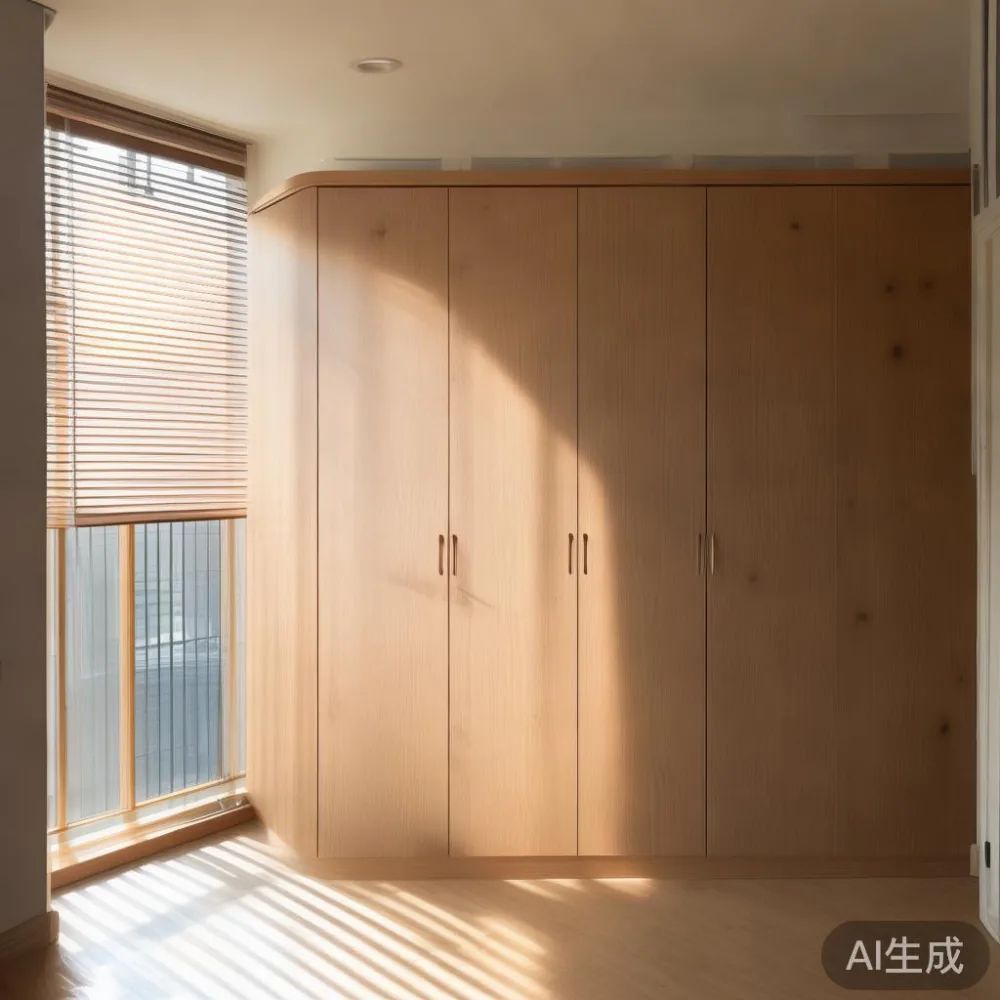
Wood changes dimension as it gains or loses moisture. A 180 cm solid oak wardrobe may move 1–3 mm across its width when humidity changes substantially. A 60 cm-wide drawer front can warp enough to catch on a runner. Veneered or laminated panels may move less in their core, yet their edges and joints can still fail when moisture enters them.
Measure rather than guess. A digital hygrometer placed near the wardrobe, 30–50 cm above the floor and away from an air-conditioning vent, can be tracked for 7 days. Check it in the morning around 7:00 a.m. and at night around 9:00 p.m. If the reading remains above 65%, improve ventilation. If it drops below 35%, reduce direct air-conditioner airflow.
Keep the wardrobe 10–15 cm away from an external wall when clearance allows, and at least 20–30 cm from a bathroom or laundry wall. Do not place damp laundry directly inside it. Use airtight containers for damp clothes because trapped moisture is more damaging than room humidity alone.
How should I organize a wardrobe in a humid HDB flat?
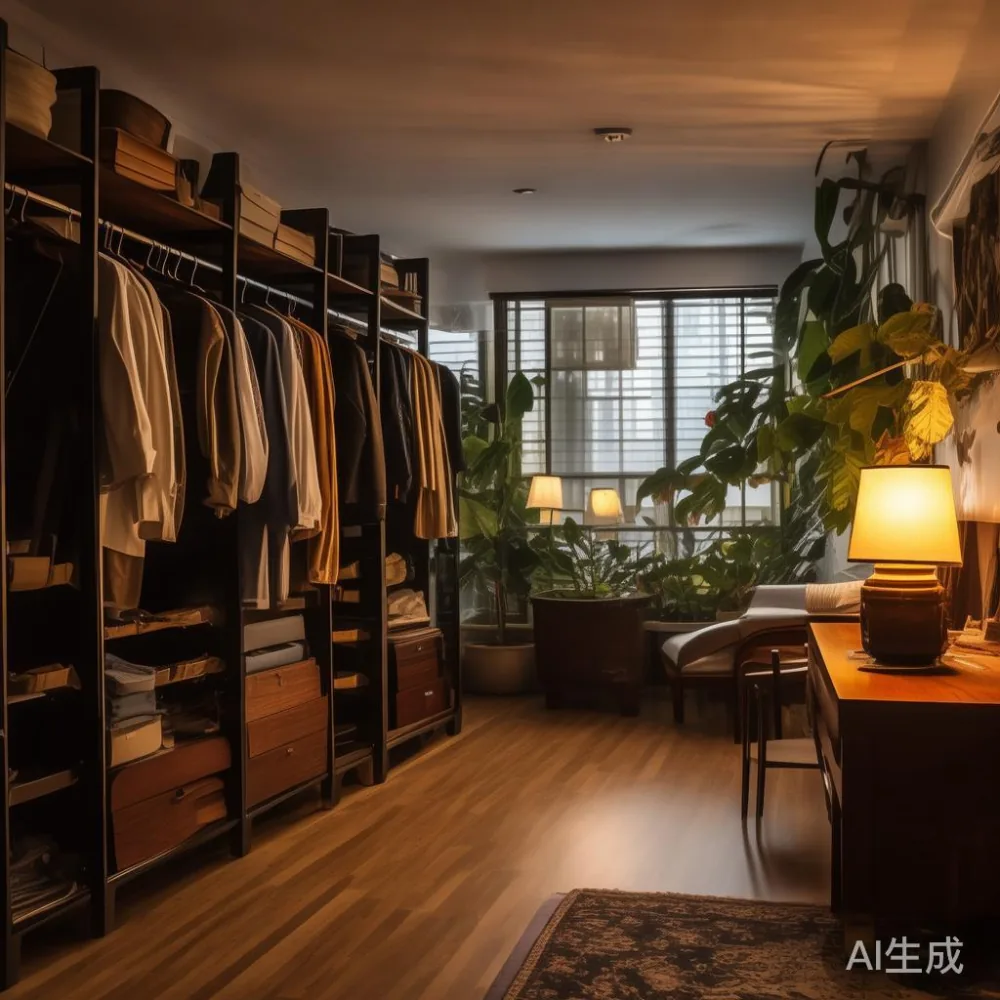
Begin with airflow and load control. A typical HDB built-in wardrobe is 180–240 cm wide and 220–240 cm high. Leave 5–8 cm of clearance above hanging garments when possible, because damp fabric traps humidity around the top rail. Avoid pushing clothes against the back panel, and keep folded knitwear in breathable cotton storage boxes rather than sealed plastic if the wardrobe is not climate-controlled.
For a family of 4, divide a 180 cm wardrobe into four zones of about 40–45 cm each. One zone can hold long garments, another shirts and dresses, a third folded clothes, and the fourth shoes, bags or bedding. Keep shoes on a separate rack at least 10 cm above the floor. A damp pair of slippers can raise local humidity and transfer moisture to a solid wood shoe rack.
Use drawer inserts and shelf pins to improve wardrobe organization without drilling into solid wood. A 45 cm drawer can be divided with 30 cm and 15 cm sections. For children’s clothing, remove rarely used pieces temporarily; this reduces pressure on the door hinges and keeps humidity moving through the cabinet.
Inspect magnetic catches, hinges and drawer runners every 6 months. Tighten a loose screw with a 2.5–3 mm screwdriver. If a 90 cm hinged door begins to rub, adjust the hinge rather than forcing the door closed. Sticking catches often indicate movement in the door or frame after changes in humidity.
For more ambitious layouts, a professional survey can confirm whether the opening remains usable after floor and wall movement. The survey should measure the opening at 3 points—top, middle and bottom—and allow a 5–10 mm total installation tolerance. In a Punggol new flat, shrinkage around an internal wall can exceed that margin during the first 2 years, so checking after handover is sensible.
Which solid wood furniture suits Singapore’s humidity?
Wood species differ, but construction and finish matter at least as much. Teak is naturally more resistant to moisture than many hardwoods, while oak, ash and rubberwood are more vulnerable to large RH swings. A stable indoor environment remains necessary even for teak. “Solid wood” describes the main material, not a guarantee that a door will never move.
Look for furniture with furniture-grade joinery: mortise-and-tenon joints, dowelled drawer boxes and rear stiffeners that reduce warping. A drawer box with 15–18 mm sides and a 10–12 mm bottom has more stability than a thin decorative box. A solid wood bed frame should use slats with no more than 5–8 cm spacing, depending on mattress type and the manufacturer’s design.
Finishes also influence maintenance. Factory-applied matte lacquer or hardwax oil can slow moisture exchange, but scratches and edge wear still need attention. Water-based finishes may repair more readily at home, while harder coatings can look refined but may require professional refinishing when deeply marked.
Near wardrobes, coordinate a solid wood nightstand rather than leaving cosmetics and damp towels beside the cabinet. A marble table may suit a dining area, but its stone surface should not be placed where laundry drains or balcony doors remain open. Likewise, a solid wood sofa and a bed frame are comfortable humidity-wise when the room is ventilated, because upholstery needs stable conditions too.
Design references are useful if they serve the space. French light luxury often favors pale woods, soft textiles and restrained profiles. American light luxury leans toward clean lines and generous proportions. Post-modern light luxury can pair solid wood with curved details and mixed materials. Searching for the top 10 Scandinavian furniture ideas can also reveal pale solid wood pieces suited to compact bedrooms, provided the dimensions fit and the wood is protected from direct moisture.
Can air conditioning prevent humidity damage?
Air conditioning lowers temperature and usually lowers RH as the coil removes moisture, but it is not a whole-room humidity system. A 1,000–1,200 W wall-mounted unit may control one bedroom well. A larger 2,000–2,400 W unit can cool the flat, yet its door may remain open and the humidity load can increase once the room is sealed.
Set the bedroom to 25–27°C during humid periods rather than 22–23°C. An excessively cold surface can create condensation on nearby timber or mirrors when warm humid air reaches it. Direct airflow from a ceiling vent can dry one edge of a solid wood wardrobe more quickly than the opposite edge, creating uneven moisture movement.
Run the unit for 30–60 minutes before closing the bedroom door, then use a fan on low speed to circulate air. Cross-ventilation is especially helpful after showers. Open the bedroom door and corridor door for 10–20 minutes, subject to security and mosquito conditions. A bathroom exhaust fan should run for at least 20 minutes after a shower; the bathroom door can remain slightly open while the wardrobe is closed.
Do not use a domestic dehumidifier continuously unless its tank and filter are maintained. A unit rated for 15–25 litres per day may help a large flat, but many bedrooms require only a few hours of targeted operation. Check the tank every 2–3 days and clean the filter every 1–2 months according to the manual. Place the unit away from the wardrobe’s air outlet so that its concentrated dry airflow does not over-dry one side.
Last month I visited a colleague’s three-room HDB flat in Bedok with a newly installed 210 cm teak wardrobe. A hygrometer beside the cabinet read 82% in the evening because drying clothes were hung inside the adjacent laundry balcony. We moved the clothes rack to the balcony, closed the balcony door and ran the bedroom air conditioner for 40 minutes. Seven days later, the same evening reading had fallen to 62%. The wardrobe doors also closed more easily after the hinge screws were checked and tightened.
How do I prevent a solid wood wardrobe from sticking or cracking?
Prevent movement by keeping the cabinet stable and the room reasonably ventilated. Do not stick moisture-absorbing crystals or bicarbonate blocks directly against a wood surface. Household absorbers may reduce odors in a sealed box, but they rarely control the humidity of an entire cabinet and can spill.
Use felt pads under a solid wood nightstand and protective coasters under a marble table or drinks tray. Wipe spills within 5 minutes. Use a lightly damp cloth, then dry the surface with a clean cotton cloth. Never soak a joint, edge or drawer runner. A diluted neutral cleaner is safer than vinegar, ammonia or alcohol, which can strip some finishes.
For a French provincial dining table or a European light luxury dining table, check the leaf joints every 6 months, particularly in air-conditioned dining rooms that open onto humid common corridors. An extending table with stored leaves should have those leaves acclimatized to room conditions for 48–72 hours before assembly. This reduces uneven expansion between the tabletop sections.
For bedroom seating, research how to style French provincial sofa in bedroom layouts using pale upholstery, slim side tables and restrained storage. If the sofa sits near an open balcony door, maintain a 30–50 cm buffer and avoid drying laundry on its frame. The same principle applies when learning how to style Japandi bed in apartment rooms: simple low-profile furniture works well in compact layouts, provided the mattress and bedding are ventilated.
Use the same disciplined spacing in a living room. Mid-century modern for small living room arrangements often uses slim solid wood sideboards and compact lounge chairs. Maintain 10–20 cm around movable pieces so air can circulate and cleaning is easier.
What should I do if the wardrobe already shows humidity damage?
Identify the symptom before applying a product. A swollen door that catches at the bottom may need hinge adjustment, sanding or professional repair. Fine checking along the grain may be cosmetic if the surface remains stable. Deep splits can collect dirt and should be filled after the wood has stabilized. Cloudy patches may indicate finish damage, while white deposits near a joint may come from moisture carrying dirt out of the timber.
Remove the doors and drawers if access is safe, but do not remove structural rails. Let the pieces acclimatize for 48–72 hours in a ventilated, 40–60% RH room. A hair dryer on a cool setting can help dry damp joints; keep it at least 30 cm away and do not apply heat continuously. If the wood feels cold or damp, seek repair before sanding.
For a solid wood dining table, solid wood sofa or bed frame, repair should follow the same sequence: dry the piece, relieve the source of moisture, allow movement to settle and then refinish. MIDHILL offers lifetime refinishing, which can help restore eligible solid wood surfaces after wear or environmental changes. Confirm the scope, current finish and expected turnaround before arranging collection.
Measure movement with a ruler. Mark the gap at the top and bottom of a door with a pencil, then check again after 7 days and again after 30 days. Continued change suggests that humidity is still outside the stable range. A gap of 1–2 mm may be manageable; 3 mm or more requires closer inspection.
For new purchases, ask the supplier for the wood species, finish type, joinery details, humidity guidance and warranty terms. A 10-year structural warranty gives confidence in the frame or carcass, while a 14-day return period allows an initial check for visible finish or construction issues. Photograph the furniture on arrival, including the underside, joints, drawer runners and wall contact points.
How do delivery, lifts and GST affect a Singapore wardrobe purchase?
Measure the entire route before ordering a wardrobe. Record the lift car interior at its narrowest point, the door opening and the corridor turns. A common HDB lift opening is around 80–90 cm wide and 130–140 cm deep, although older blocks vary. A 200 cm flat-pack wardrobe may pass through as separate panels, while a fully assembled unit may not.
Allow at least 10 cm of maneuvering room where the corridor turns by 90°. Protect floor corners with cardboard or foam guards and use a furniture dolly rated for 80–150 kg. The panel weight, installation team and stair turns should be confirmed before delivery. If the unit cannot fit, assembly elsewhere does not solve the lift or corridor constraints.
Delivery timing should include access coordination. A 5–10 working-day production range may be followed by 1–3 days for local delivery, but the supplier should confirm the actual lead time for the selected design, finish and dimensions. Book a 30-minute installation window and ask whether the team carries packaging away.
Prices in Singapore normally include 9% GST when sold for local consumption. A wardrobe listed at SGD 2,480 before applicable tax would become SGD 2,703.20 with GST. For online purchases, MIDHILL provides free shipping over US$350, which is a USD threshold rather than a Singapore-dollar threshold, so the checkout currency and final local delivery fee should be reviewed carefully.
Check the return condition before accepting delivery. For a 14-day return request, retain packaging where practical and avoid drilling into the wardrobe. Lift the installed doors to test clearance, open every drawer and inspect mirrors under side lighting. Report transit damage or finish defects promptly with photographs.
What maintenance schedule keeps tropical wood furniture stable?
Check the hygrometer weekly during humid periods and record RH in a phone note. Inspect the wardrobe every 6 months for loose hinges, rubbing doors and swollen drawer bottoms. Clean the top and sides every 2–4 weeks with a dry microfiber cloth. Wipe handles more frequently because oils from hands attract dirt.
Review ventilation monthly. Keep balcony doors closed during outdoor humidity peaks, run the exhaust fan after showers and avoid crowding the wardrobe with damp clothes. If the reading stays above 65% for 3 consecutive days, inspect the laundry area, open more internal doors and use targeted dehumidification.
Solid wood dining tables and nightstands should not be placed under air vents. Felt pads should be changed every 6–12 months. Re-oil an oil-finished surface only when the manufacturer recommends it, often every 12–24 months under normal indoor use. Lacquered surfaces need cleaning rather than routine oiling.
For customers beginning a new room project, the comparison starts with dimensions and environmental fit, not only appearance. Search m.midhill.co for solid wood wardrobe, bed frame, sofa, dining table, nightstand and marble table options, then confirm the specification and local delivery terms directly. A cabinet that fits the bedroom’s RH pattern, corridor width and lift opening will be more useful than one that only looks right in a catalogue photograph.