Silent Swell: How Singapore's Humidity Shapes Your Wardrobe
For those living in Singapore's HDB flats and condominiums, from the newer estates of Punggol to the established neighbourhoods of Tampines and Bedok, the air is a constant, silent presence. It hangs thick, especially during the Northeast Monsoon, seeping into our homes and settling on our possessions. This ambient humidity, a fact of life in Southeast Asia, has a profound and often unseen effect on the furniture we choose, particularly the large, enclosed structures that guard our clothes: our wardrobes. Understanding this relationship is not just about preservation; it's about creating a living space that is both beautiful and functional, season after season.
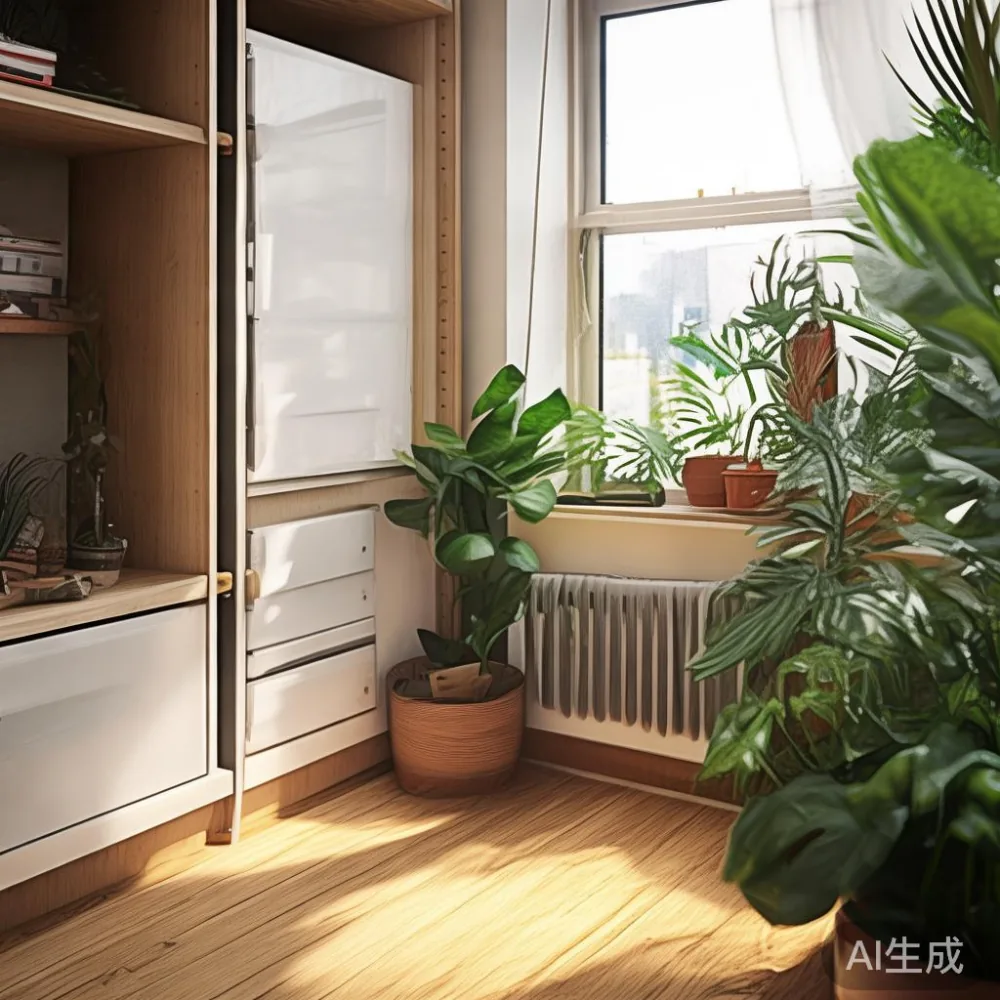
Why Your Solid Wood Wardrobe Acts Like a Sponge
Wood is a hygroscopic material, a scientific term for its natural ability to absorb and release moisture from the surrounding air. Think of it as a living, breathing entity, even after it has been crafted into a wardrobe. In Singapore, where average relative humidity can hover between 70% and 90%, your solid wood wardrobe is constantly in a state of flux. During a humid spell, the wood absorbs moisture, causing its fibres to swell. This process can lead to several common issues. Panels may expand, causing doors to stick or rub against the frame. Drawer fronts can become misaligned, making them difficult to open and close. In more severe cases, you might notice fine cracks, known as 'checks,' appearing on the surface as the wood later contracts during a drier period. This constant swelling and contracting, while a natural characteristic of wood, can stress the joints and compromise the structural integrity of the piece over years.
What Humidity Damage Actually Looks Like in Your Bedroom
The effects of humidity are not always dramatic, but they are cumulative and tell a story of your home's environment. A clear sign is the fit of your wardrobe doors. A door that once closed with a soft, satisfying click might now require a firm push or, conversely, might have developed a gap where it once sat flush. This is due to the door panel swelling. Inside, the effects can be more concerning for your clothes. If the interior panels of the wardrobe swell, they can press against hanging garments, causing them to wrinkle or, in the worst case, tear. The drawers are another hotspot. A solid wood nightstand or a wardrobe's drawer box that was once smooth to operate might now scrape or bind. This is often caused by the drawer front swelling and its sides binding in the frame. The finish on your furniture, whether a French light lacquer or a more American light luxury matte, can also be affected. Prolonged exposure to high humidity can cause the finish to cloud or, in extreme cases, even peel away from the wood substrate, leaving the raw material exposed to further moisture.
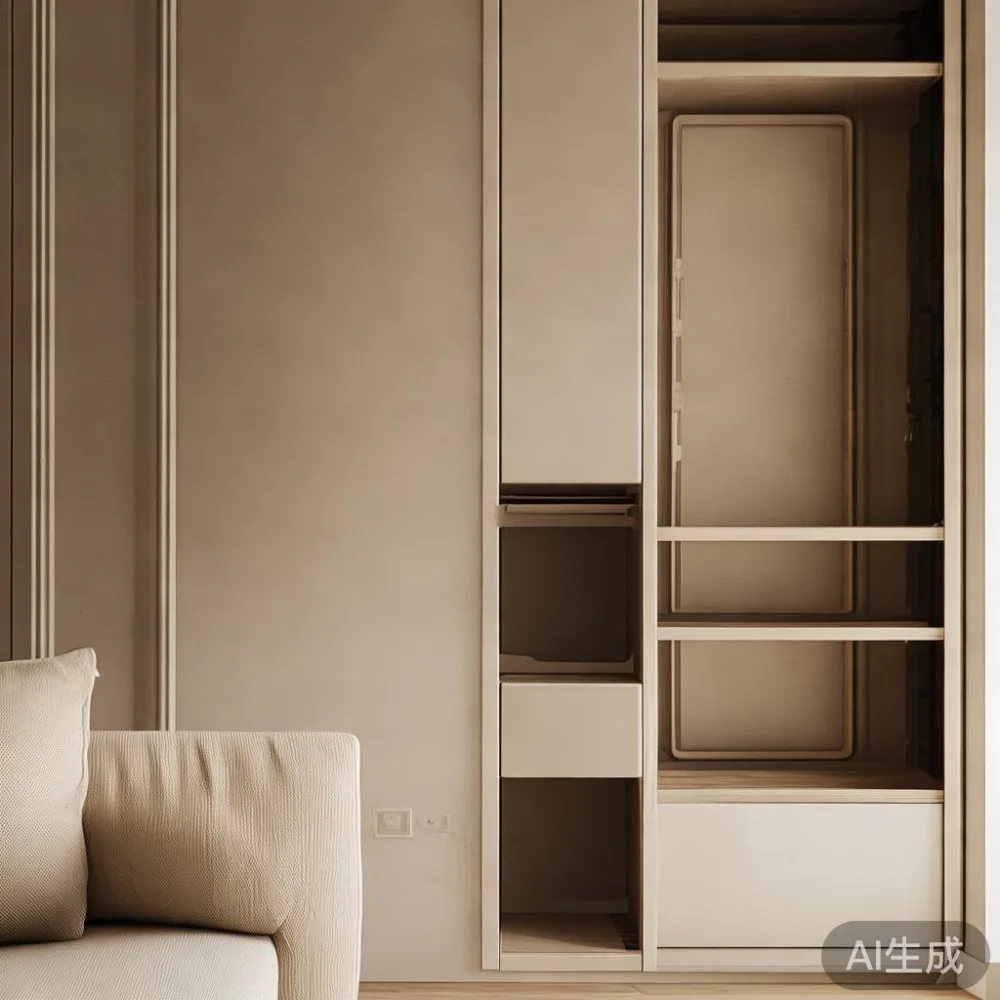
How to Protect Your Wardrobe: A Practical Guide
Protecting your investment in solid wood furniture requires a proactive approach. The first line of defence is environmental control. Air conditioning is your most effective tool. Running your air conditioner not only cools the room but also acts as a dehumidifier, pulling excess moisture from the air. A good practice is to maintain an indoor relative humidity level between 45% and 55%. This is a comfortable range for both humans and wood. You can monitor this with a simple digital hygrometer, a device that costs around SGD 25 to SGD 50 and provides real-time humidity readings. Placement is also key. Avoid positioning your wardrobe directly against an external wall, as these walls are more susceptible to temperature and humidity fluctuations from outside. Instead, place it on an interior wall. For added protection, consider using silica gel desiccant packs. These small, moisture-absorbing packets can be placed discreetly inside wardrobe drawers or on shelves. They are inexpensive, reusable, and highly effective at absorbing excess moisture in enclosed spaces. Finally, ensure your home has adequate ventilation. Use exhaust fans in bathrooms and kitchens to expel humid air, and open windows on drier days to allow for cross-ventilation.
Building a Better Wardrobe: Design for the Climate
When selecting a new wardrobe, the design and construction are just as important as the wood species itself. This is where quality furniture makers distinguish themselves. A well-constructed wardrobe for the Singapore climate will feature specific design elements that mitigate the effects of humidity. Look for furniture that uses a 'floating panel' design for doors and drawer fronts. This technique involves creating a panel with a small gap around its edges, allowing it to expand and contract without warping the entire door or drawer frame. The joinery is another critical area. Dovetail joints, mortise and tenon joints, and finger joints are far more resilient to the stresses of swelling and contracting than simple butt joints glued or nailed together. These traditional methods create a stronger, more flexible connection that can withstand the wood's natural movement. The type of wood also plays a role. Hardwoods like teak, oak, and walnut are denser and generally more stable than softwoods, making them a better choice for humid climates. A reputable brand will understand these nuances and construct their pieces to last, often offering a 10-year structural warranty as a proof of their confidence in the build quality.
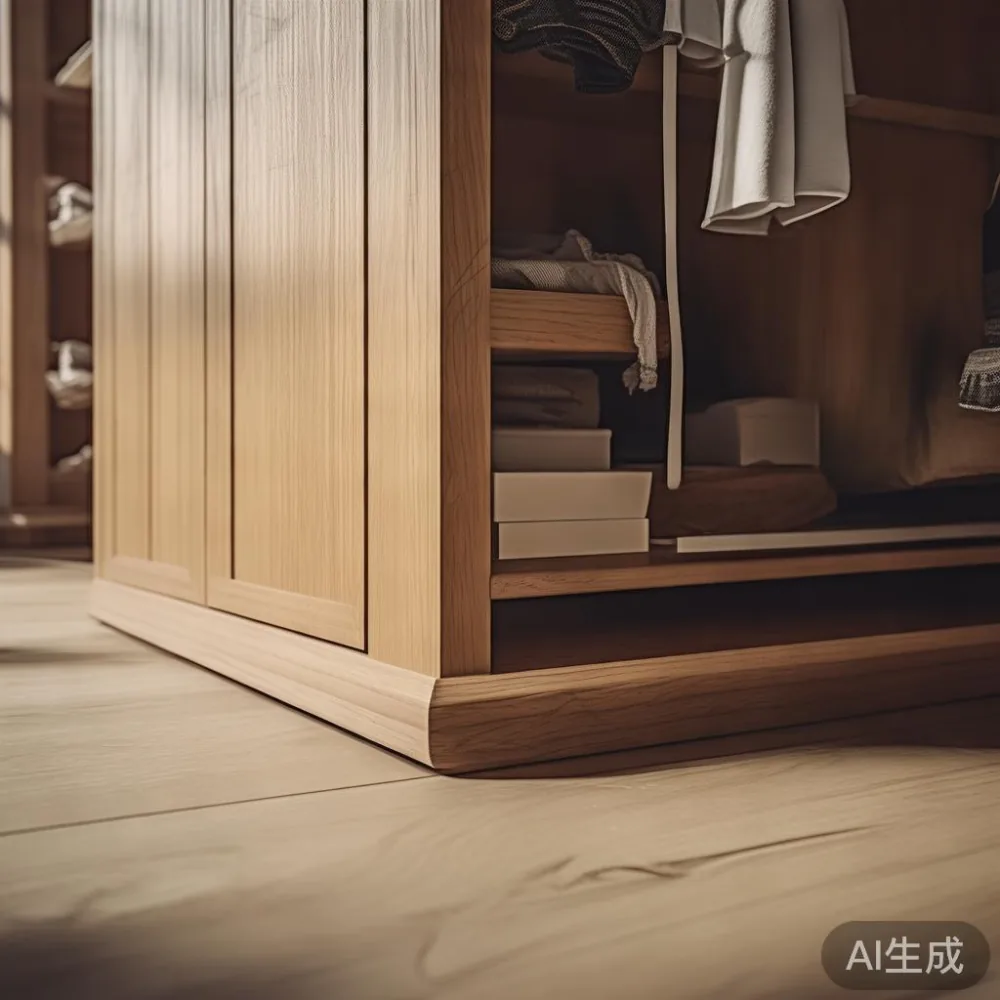
Is a Custom Wardrobe Worth the Extra Cost in Singapore?
This is a question many homeowners in Singapore grapple with when planning their bedroom layout. The standard dimensions of mass-produced wardrobes can sometimes be a poor fit for the unique layouts of HDB flats and condominiums. Corridor widths in older flats can be narrow, and the space in the master bedroom of a new condo in Punggol might have awkward angles. A custom wardrobe, built to precise measurements, can maximize every inch of available space. It can be designed to perfectly fit into an alcove or to match the specific dimensions of your lift if you are moving it into a high-floor apartment. The cost is higher, with a custom solid wood wardrobe easily starting from SGD 3,000 and going up significantly depending on the size, wood, and finish. However, the benefits are substantial. A custom piece offers unparalleled storage solutions tailored to your needs, from specialized shoe racks to integrated accessory drawers. It also provides a perfect aesthetic match to the rest of your bedroom furniture, creating a cohesive and sophisticated look. For those seeking a truly personal touch, a custom wardrobe is an investment in both space and style that off-the-shelf alternatives simply cannot match.
Real Stories: A Wardrobe's Journey in a Bedok Flat
Last month, I visited the home of a colleague, Mei, in her Bedok HDB flat. She had purchased a large, solid wood wardrobe from a well-regarded brand five years ago. The piece was beautiful, with a rich walnut finish and clean lines that complemented her bedroom's minimalist decor. However, she had a recurring problem. 'The doors,' she explained, 'they stick like glue every time the humidity spikes.' I examined the wardrobe closely. The doors were indeed swollen, rubbing against the frame with a noticeable friction. The problem was clear: the panels were solid, with no room to expand, and the frame was constructed with simple butt joints that had begun to stress under the pressure. This is a common issue with furniture not specifically designed for high-humidity environments. It's a frustrating problem that can lead to damaged doors and a constant battle with the elements. This real-world experience highlights why choosing a piece with thoughtful, climate-appropriate construction is so important for long-term peace of mind.
Choosing the Right Furniture for a Humid Home
When furnishing your Singapore home, it's wise to consider the climate for every piece. For the living room, a European for small living room design might feature lighter proportions and more open shelving, allowing for better air circulation around items. A solid wood sofa with a breathable fabric can be more comfortable in the humid air than a fully upholstered one. The dining table, often the centreppeice of a home, should be chosen with care. A marble table top, for instance, is non-porous and unaffected by humidity, making it an excellent choice for Singapore's climate, paired with a stable solid wood base. For a guest room, the focus might be on Modern light luxury for guest room pieces that offer both style and practicality. For storage, the principles apply beyond the wardrobe. A nightstand with dovetail drawers will function smoothly for years, while a poorly constructed one may become a source of daily annoyance. The key is to look for quality materials, smart design, and construction that respects the nature of wood. This approach ensures that your furniture not only looks beautiful but also performs reliably in the unique conditions of a Singapore home.
The Long-Term Value of Quality Furniture
Investing in high-quality, solid wood furniture is a decision that pays dividends over time. While the initial cost may be higher, the longevity and durability of a well-made piece are undeniable. Consider the alternative: cheaper, mass-produced furniture made from composite woods or unstable softwoods. These items may look fine initially, but they are far more susceptible to warping, cracking, and joint failure in Singapore's humidity. The result is a shorter lifespan and the need for frequent replacement, which ends up being more expensive in the long run. Quality furniture, on the other hand, can be refinished. A lifetime refinishing service, offered by some manufacturers, means that a worn or scratched surface can be restored to its original beauty, extending the life of the piece for decades. This is a significant advantage over furniture that cannot be repaired. For those who appreciate finer things, the search for luxury Italian light luxury furniture or even the top 10 Italian light luxury furniture brands often leads to pieces that are built with an understanding of material science and designed for longevity. While a luxury Italian light luxury furniture piece represents a significant investment, its ability to withstand the test of time and climate makes it a wise choice for discerning homeowners. Even a simple MIDHILL coffee table is constructed with these principles in mind, designed to be a lasting part of your home.
Where to Find Furniture Built for Singapore
For residents in Singapore, finding furniture that is specifically suited to the local climate is paramount. While online marketplaces offer a vast selection, including options for for sale Japanese furniture which often features beautiful joinery, it can be challenging to verify the quality and construction details. Reputable local showrooms provide a distinct advantage. They allow you to see and touch the furniture, inspect the joinery, and speak with knowledgeable staff who understand the local environmental challenges. A good showroom will often feature pieces that have been designed with the Singapore homeowner in mind. They might offer advice on wood selection, construction techniques, and the importance of climate control. When you are ready to make a purchase, consider the logistics. Many quality brands offer free shipping over a certain purchase value, which can be a significant saving, especially for large items like a wardrobe or dining table. Check their delivery policies; a reliable company will provide a clear timeline, such as delivery within 14 working days, and handle the logistics of working through HDB lift widths and corridor spaces. Finally, familiarize yourself with the local taxes. The 9% GST is applied to most furniture purchases, so be sure to factor this into your budget when comparing prices. A transparent pricing structure is a sign of a trustworthy business.
Planning Your Wardrobe Organization for the Long Haul
Ultimately, effective wardrobe organization is about more than just clever drawer dividers and hanging rods. It's about creating a stable micro-environment for your clothes and ensuring the furniture that contains them remains in optimal condition. A well-designed wardrobe organization system works in tandem with a well-constructed wardrobe. Solid wood shelves, for example, are less prone to sagging under the weight of folded clothes than particleboard alternatives. When planning your storage, consider the materials used for the internal components. Investing in a quality wardrobe means you can invest in a quality organization system that will last. This complete approach ensures that your clothes are protected from dust, light, and the damaging effects of humidity. It also means that the time and effort you put into organizing your wardrobe are not wasted on a structure that will deteriorate. For those looking ahead, the best light luxury sofa for 2026 will be one that is not only stylish but also built with the same foresight for durability and climate resilience. The same principle applies to your bedroom furniture: choosing pieces that are designed to last ensures that your home remains a comfortable, beautiful, and functional sanctuary for years to come.