Styling Small Singaporean Apartments Without Making It Feel Crowded
Living in Singapore, particularly in HDB flats or condos in areas like Tampines, Bedok, or Punggol, presents a unique set of challenges. The average HDB flat measures around 100 square metres, and many apartments are even smaller. With a population density of over 7,800 people per square kilometre, space is a premium commodity. The narrow lift corridors, often just 1.2 metres wide, and the compact layouts mean every piece of furniture must be chosen with precision. This isn't just about fitting things in; it's about creating a home that feels open, airy, and uncluttered. The key lies in intelligent design and furniture that serves multiple purposes, ensuring your small apartment never feels crowded.
Why Small Spaces Require a Different Approach to Furniture?
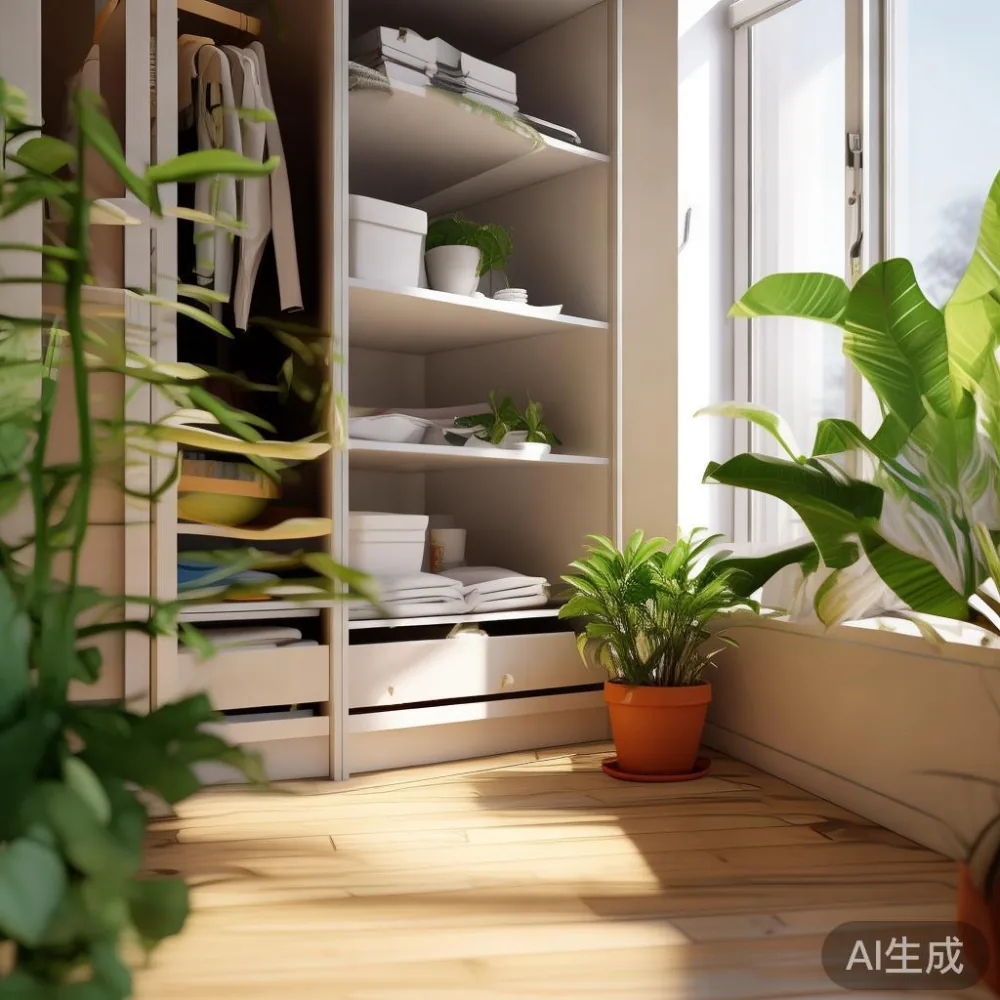
In a larger home, you might get away with a bulky, ornate wardrobe that sticks out by 80 cm. In a Singaporean apartment, that same piece can dominate a bedroom, making movement difficult and the space feel significantly smaller. The approach must shift from filling space to defining it. This means selecting furniture with a smaller footprint, lighter visual weight, and smart storage solutions. For example, a wardrobe with a sliding door mechanism takes up zero swing space, a critical detail in a bedroom where the clearance between the bed and the wardrobe might be as little as 60 cm. The goal is to use every centimetre effectively, making the apartment feel larger than its actual dimensions. This is where thoughtful wardrobe organization becomes paramount, as it directly impacts the perceived size and function of a room.
How Do You Choose the Right Wardrobe for a Compact Bedroom?
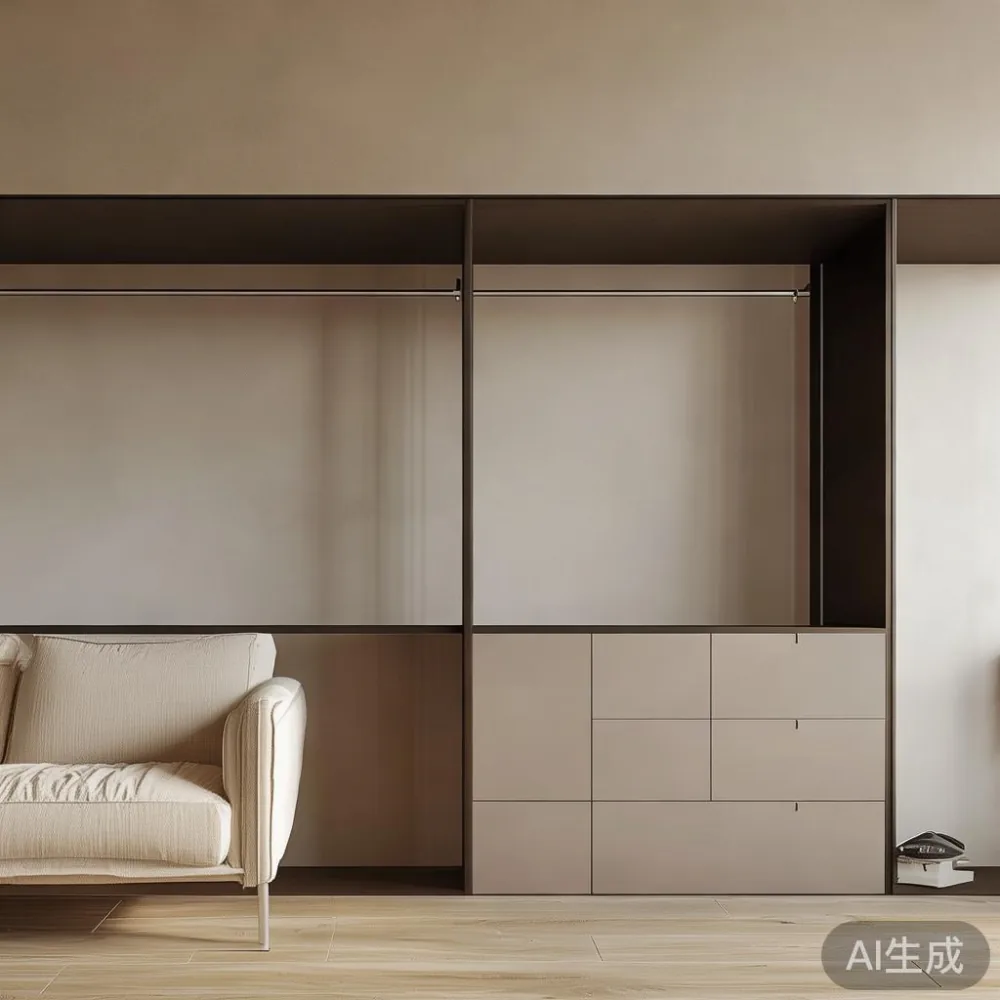
Selecting a wardrobe for a small Singaporean bedroom requires a strategic approach. The first consideration is the door type. A hinged wardrobe door needs a clearance zone of at least 70 cm to open fully, which is a luxury in many layouts. A sliding wardrobe, on the other hand, eliminates this issue entirely. Look for a wardrobe with a depth of about 60 cm to accommodate standard hangers without protruding too far into the room. The internal layout is just as important. A wardrobe organization system with adjustable shelves and hanging rods allows you to customise the space for your needs, whether it's for long dresses, folded clothes, or shoes. My colleague, Sarah, recently moved into a new 4-room flat in Punggol. She chose a 150 cm wide sliding wardrobe from a reputable local maker. The internal partitions are configured for her specific wardrobe collection, and it fits perfectly into her bedroom alcove, saving her about 40 cm of floor space compared to her old hinged wardrobe.
Can Light Luxury Furniture Make a Small Space Feel Bigger?
Absolutely. The concept of light luxury, whether French, American, or post-modern, is perfectly suited for small spaces. The core principle is to use high-quality materials and elegant forms without the heavy ornamentation that can make a room feel cluttered. A French light luxury sofa, for instance, might feature clean lines, a low-profile frame, and soft, neutral upholstery, making it appear less bulky. This visual lightness allows the room to breathe. The same applies to a light luxury bed frame. A platform bed with slender legs creates an illusion of more floor space than a bulky, four-poster bed. The use of materials like marble for a side table or a coffee table top adds a touch of sophistication without overwhelming the senses. The texture and sheen of marble can reflect light, making a room feel brighter and more open. This approach to styling ensures that each piece contributes to a sense of calm and space, rather than taking it away.
What Are the Best Furniture Layouts for Singaporean Apartments?
The layout is fundamental to making a small apartment feel spacious. In the living room, avoid pushing all furniture against the walls. Instead, create a conversation area by pulling the sofa and a marble table slightly into the room. This can make the space feel more dynamic and larger. Ensure there is at least 90 cm of walking space around furniture for comfortable movement. For a small living room, the question of whether to choose a Japanese sofa vs Mid-century modern sofa often arises. A Japanese sofa, with its low, minimalist profile, can be an excellent choice as it maintains sight lines and doesn't obstruct the view across the room. In a bedroom, placing the bed against a shorter wall can sometimes create a more balanced feel than against the longest wall. The corridor leading to the bedroom should remain clear to maintain a sense of flow. For those wondering about how to style light luxury bed in apartment, the answer lies in pairing it with minimalist nightstands and ensuring there is at least 50 cm of space on each side of the bed for easy access.
How to Use Colour and Materials to Enhance Space?
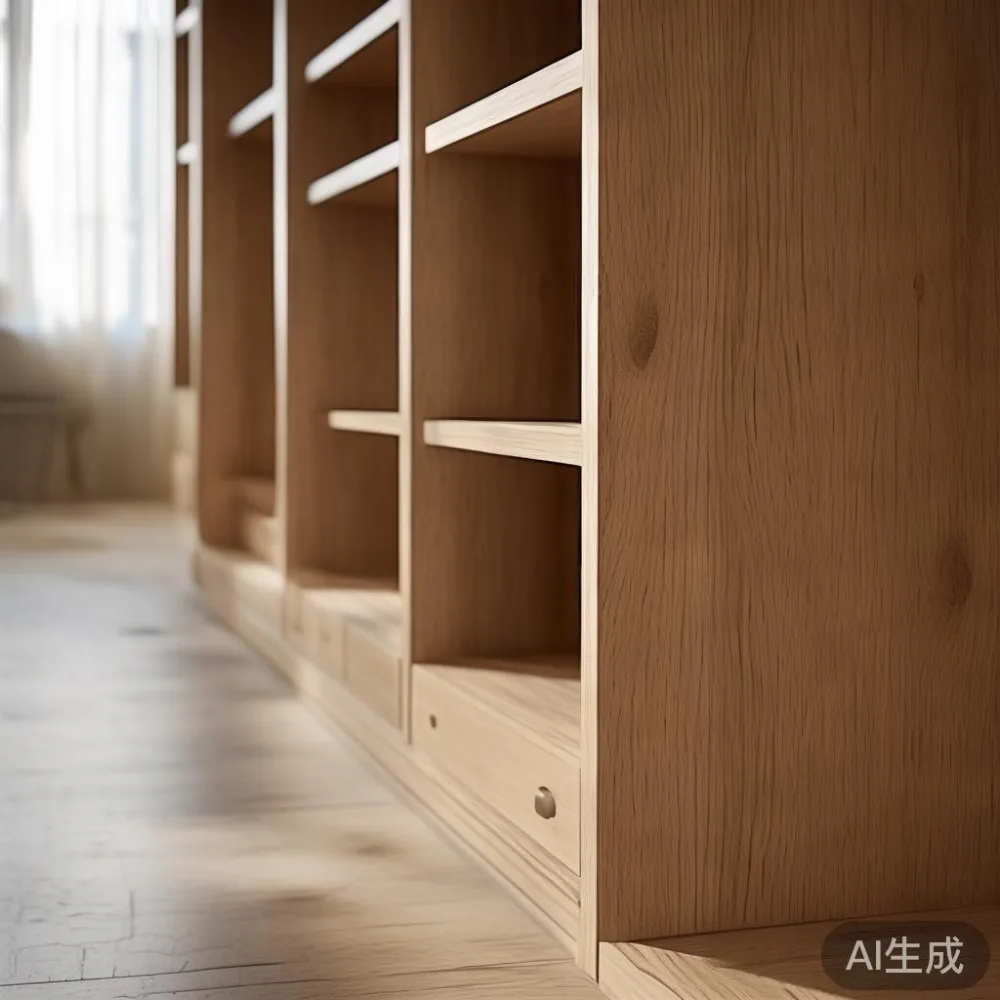
Colour and materials play a significant psychological role in how we perceive space. Light colours, such as off-white, soft greys, and pale woods, reflect more light and make walls feel further away. A solid wood dining table in a light oak finish can add warmth without darkening a room. Conversely, dark colours absorb light and can make a space feel smaller and more enclosed. If you love dark colours, use them sparingly as an accent on a single wall or on a piece like the back of a bookshelf. Materials also matter. Glass and acrylic are transparent and don't block sight lines, making them ideal for small spaces. A coffee table with a glass top allows you to see the floor underneath, creating a sense of continuity. When considering how to style French sofa in room, pairing it with light-coloured walls and sheer curtains enhances its elegant form without making the space feel heavy. The key is to create a palette that feels cohesive and light.
What Storage Solutions Go Beyond the Wardrobe?
While a well-organised wardrobe is the foundation of a clutter-free bedroom, effective storage solutions extend throughout the apartment. In the living room, an ottoman with a hidden storage compartment can serve as a coffee table and a place to store blankets or board games. A console table in the entrance corridor, which is typically just 1.2 metres wide, can provide a surface for keys and mail, with drawers for smaller items. In the kitchen, using vertical space with tall, narrow cabinets maximises storage without taking up valuable floor area. For those who work from home, a desk with built-in drawers can keep the workspace tidy. The principle is multi-functionality. Every piece of furniture should pull its weight. A solid wood bed frame with drawers underneath the mattress is a perfect example, combining sleeping and storage in one unit. This integrated approach to storage is what prevents small apartments from feeling crowded.
Are There Specific Furniture Styles for Small Singaporean Homes?
Yes, certain furniture styles align better with the spatial constraints of Singaporean homes. The Japandi style, which blends Japanese minimalism with Scandinavian comfort, is a fantastic choice for small apartments. It emphasises clean lines, natural materials, and uncluttered spaces. A Japandi bed frame, often low to the ground and made of light wood, creates a serene and spacious bedroom. When considering European sofa vs Japandi sofa, the Japandi sofa's focus on understated elegance and compact form gives it an edge in small living rooms. Another excellent option is the mid-century modern style. Characterised by tapered legs, organic shapes, and functional design, mid-century pieces are designed to be both beautiful and space-efficient. For a Modern for small living room aesthetic, look for a sofa with narrow arms and a low back. These styles prioritise function and form, ensuring that every piece enhances the space rather than competing with it.
How Can Lighting Improve the Perception of Space?
Lighting is one of the most powerful tools for making a small apartment feel larger. A single overhead light can create harsh shadows and make a room feel flat. Instead, use a layered lighting approach. Ambient lighting, like a flush-mount ceiling fixture, provides general illumination. Task lighting, such as a reading lamp on a nightstand or an under-cabinet light in the kitchen, illuminates specific areas. Accent lighting, like a floor lamp next to a plant or a spotlight on a piece of art, adds depth and visual interest. Using light fixtures with slender profiles, like a wall sconce instead of a bulky table lamp, saves surface space. Mirrors are also a form of light manipulation. Placing a large mirror opposite a window reflects natural light deep into the room, instantly making it feel brighter and more expansive. This simple trick can be more effective than buying a new piece of furniture.
What Are the Common Mistakes to Avoid When Styling a Small Apartment?
Several common mistakes can make a small apartment feel crowded. One is choosing furniture that is too large for the space. A massive, overstuffed sofa might seem comfortable, but it will dominate a small living room. Instead, opt for a sofa with a tighter back and slimmer arms. Another mistake is using too many small, disparate items. A collection of many small tables can create visual clutter. It's better to have one or two well-chosen pieces, like a marble table, that serve multiple purposes. Over-accessorising is also a pitfall. While personal touches are important, too many knick-knacks on shelves and surfaces can make a room feel busy. Be selective with your decor. Finally, neglecting vertical space is a missed opportunity. Tall bookcases or shelves draw the eye upward, creating an illusion of height. By avoiding these mistakes, you can create a small apartment that feels open, organised, and thoughtfully designed. For those looking for inspiration on how to style Japandi bed in apartment, remember that less is more; focus on quality pieces and plenty of breathing room.
Ultimately, styling a small Singaporean apartment is about making smart, intentional choices. It requires a shift in mindset from acquiring possessions to curating a living environment. By focusing on furniture with a smaller footprint, light luxury aesthetics, and clever storage solutions, you can create a home that feels spacious and uncluttered. Remember that a well-organised wardrobe is just the beginning; a complete approach to storage and layout is key. The right pieces, chosen carefully, can transform even the most compact apartment into a comfortable and stylish sanctuary. When searching for furniture that meets these exacting standards, brands like midhillco, established in 2008, offer options that blend quality, durability, and design, ensuring your small space is both beautiful and functional for years to come.