How to Care for a Lacquered Wardrobe in Singapore’s Humid Climate
A lacquered wardrobe can give a bedroom in Tampines, Bedok, or Punggol a polished, light-luxury finish, but Singapore’s heat, humidity, salt air, and daily fingerprints demand a controlled care routine. Lacquer is not impervious: water rings, sunscreen marks, insect repellent, and trapped heat can make a surface look dull or patchy. For better wardrobe organization, clean the outside and maintain the internal compartments on separate schedules, and keep ventilation in mind whenever you install a large cabinet.
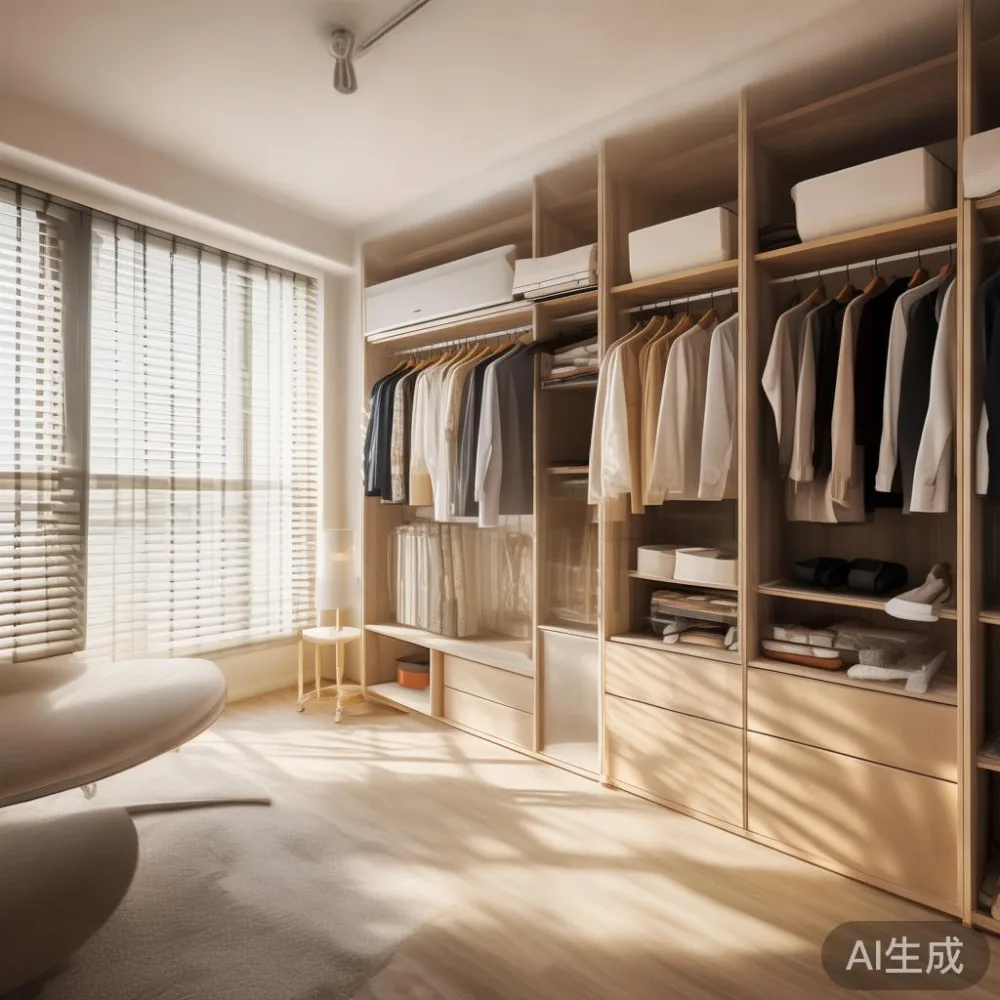
MIDHILL builds solid wood furniture in Foshan and has exported to more than 15 countries since 2008. Its wardrobe collection fits the light-luxury segment while retaining practical details for dense urban homes. The relevant standard is not merely how a piece photographs in a showroom; it is how the finish behaves after 12 months of 32°C afternoons, 80% relative humidity, weekly cleaning, and frequent wardrobe use.
What makes lacquer care different in a tropical climate?
Singapore’s climate can keep lacquer in a constant state of thermal movement. A 180 cm wardrobe placed against a west-facing HDB wall may experience surface temperatures above 35°C, especially when the building receives afternoon sun. Wood expands and contracts across that temperature range, and lacquer becomes more vulnerable when repeated expansion meets a humid, poorly ventilated cavity.
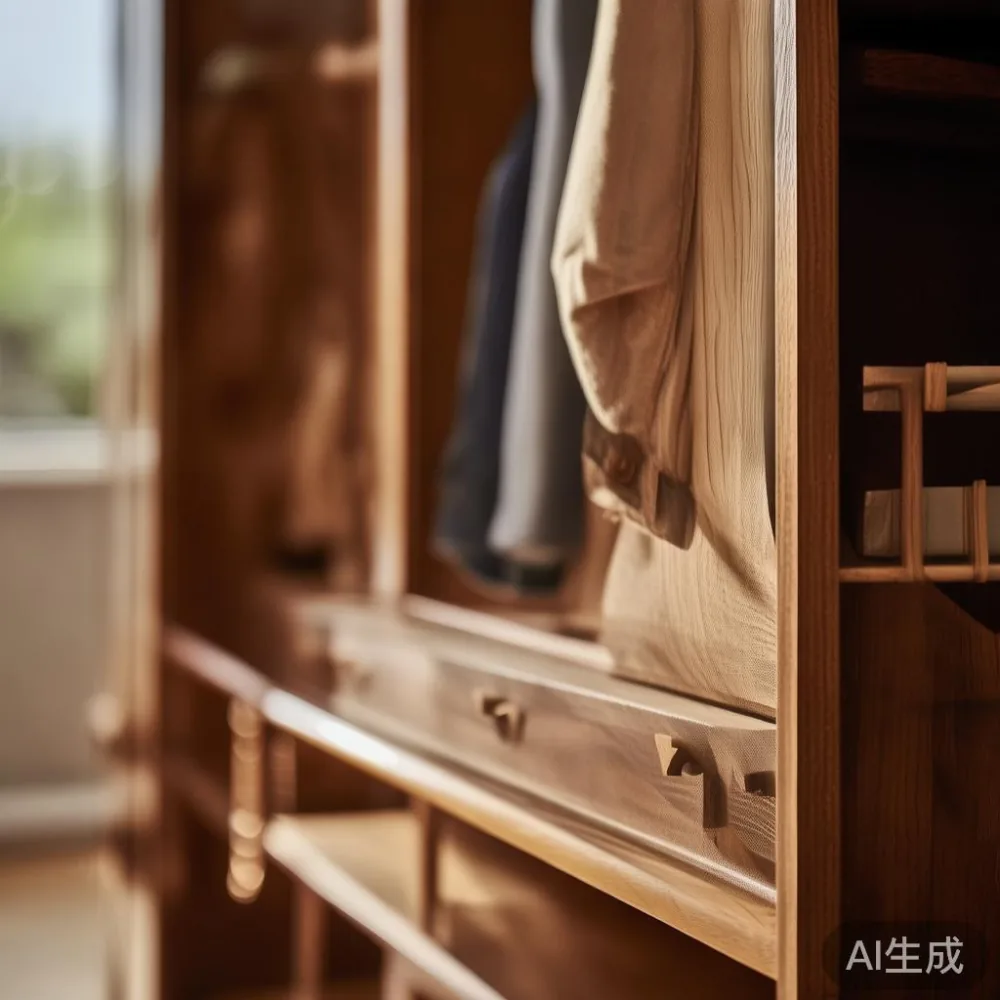
Moisture is the other pressure point. A relative humidity of 70–85% is common during wet periods, while air-conditioned bedrooms may drop below 55%. These swings can affect timber movement and leave condensation on cooler lacquer panels. A wardrobe should therefore stand at least 5 cm from a wall where clearance permits, with its back ventilated and away from direct sunlight. In a narrow corridor, check the route before delivery: a 60 cm wide cabinet may fit through a 70 cm doorway, but turning corners can require a narrower diagonal measurement.
Light does not stain lacquer in the way it stains some textiles, but ultraviolet exposure can contribute to yellowing, especially in pale finishes. Curtains or blinds with a UV-filtering fabric help without blocking useful daylight. Avoid placing a lacquered wardrobe beside a floor-to-ceiling window where curtains remain open from 7 am to 7 pm.

How should I clean a lacquered wardrobe without damaging the finish?
Begin with the least aggressive method: a clean, dry microfibre cloth removes ordinary dust without introducing moisture. For a visible mark, dampen the cloth with plain water and wring it until it is almost dry. Wipe in one direction, then dry the panel immediately with a second cloth. A visible film should not be treated with household glass cleaner, because ammonia, alcohol, and silicone residues may haze the lacquer.
Use diluted mild dish detergent only when dry and damp wiping are not enough. Mix approximately 2 ml of clear, fragrance-free detergent with 250 ml of lukewarm water, apply it to the cloth rather than the wardrobe, and test a 10 cm by 10 cm area for 10 minutes. Avoid scrubbing. Friction can create a matte “rubbed” patch that takes weeks to disappear. Rinse the wiped area with a separate barely damp cloth, then dry it.
For sticky residue, use a soft silicone squeegee or a clean plastic scraper held at a shallow angle. Silicone sealants and tape can be lifted carefully without pressing hard into the coating. Do not use steel wool, abrasive pads, nail-polish remover, acetone, magic erasers, or scouring powder. Even if a lacquer appears thick, its top film can be far thinner than 0.1 mm and can scratch permanently.
For wardrobe organization, label the shelves before removing their contents. Photograph each zone, assign zones to daily, seasonal, and long-term clothing, and keep cleaning cloths outside the cabinet. This reduces the number of times people wipe a crowded shelf while an item is still inside it. A 120 cm wide wardrobe can be divided into 3 practical zones: 40 cm for shirts, 40 cm for folded pieces, and 40 cm for luggage or seasonal storage.
Which household products should stay away from lacquer?
Common Singapore products pose several risks.Mosquito repellent often contains solvents that can leave a oily-looking bloom; apply it to skin or fabric rather than furniture, and wipe any accidental transfer immediately. Air fresheners, reed diffusers, and scented laundry sprays can settle into fine scratches. Kitchen aerosols can leave a permanent film, and steam from an iron or garment steamer can force moisture into lacquer seams.
Skip acidic cleaners containing lemon, vinegar, or citrus. Their pH can attack the surface faster than people expect. Avoid “paint-stripper,” “degreaser,” and concentrated dish detergent. If a wardrobe is near a balcony in Bedok or Punggol, check for salt deposits after windy or rainy days. Salt should be wiped with plain water, not scrubbed away.
Place a 2 mm felt pad beneath decorative objects and keep hot pans, kettles, and irons at least 30 cm away. A cup of kopi left on top overnight may leave a ring even when the beverage contains little sugar. Coasters should be flat and free of raised wooden edges; a 9 cm coaster can still trap liquid underneath.
Use the same disciplined approach when comparing finishes. Search terms such as Japanese bed vs Italian light luxury bed or European light luxury bed vs Japandi bed can lead buyers toward attractive bedroom pieces, but the wardrobe finish still needs its own care protocol. Likewise, a guide to how to style French provincial bed in room may recommend delicate textiles and open display, yet nearby lacquered storage still needs protection from oils and sunlight.
How should I control humidity inside a wardrobe?
Good wardrobe organization depends on stable internal conditions, not on overloading every shelf. Leave 5–8 cm around hanging garments and allow folded linens to rest without being compressed beyond their natural volume. A 180 cm tall wardrobe with 25 mm shelves may carry roughly 35–50 kg when unloaded, but the cabinet’s rated capacity still governs. Overloading raises the risk of bowed shelves and doors that rub against their frames.
Ventilate the bedroom for 20–30 minutes each morning and after laundry dries indoors. A 35 cm pedestal fan placed 2 m from the wardrobe can move air across the front, although it should not blow dust directly onto the finish. If the room remains above 75% relative humidity for long periods, consider a dehumidifier that maintains 50–60% rather than cycling on and off. Check the drain hose every 30 days, because a blocked tray can create the very moisture problem the appliance is meant to control.
Cedar blocks or sachets may absorb odours in a closed compartment, but they do not replace ventilation. Moth-repellent blocks containing paradichlorobenzene should not sit against lacquered panels. For long-term storage, use breathable cotton garment bags instead of clear plastic, especially for fabrics that need airing.
Large wardrobes also affect delivery planning in Singapore’s HDB flats and condos. A lift door measuring 90 cm by 210 cm may accept a flat-packed panel but not a fully assembled cabinet. Check the lift’s depth and the corridor turning radius before choosing a configuration with a hinged door wider than 60 cm. A sliding door reduces projection into a narrow passage but needs about 4 cm of internal clearance, so it should be measured in the room rather than assumed from a catalogue drawing.
What should I do if lacquer develops a mark, peel, or dull patch?
First identify the mark. A water ring is usually a surface issue, while peeling or lifting may signal moisture intrusion, an impact, or a finish failure that should not be masked. Photograph the affected 20 cm section under daylight and another under warm indoor light. If the defect crosses a panel joint, smells musty, or the coating lifts under light pressure, stop using aggressive products.
For a fresh fingerprint, a barely damp microfibre cloth usually resolves it within 2 minutes. For an oil mark, place a clean white cloth over the area and warm it gently with a hairdryer set to low for 10 seconds, then lift the cloth rather than rub. Heat should remain below 40°C. Test any commercial lacquer cleaner on a hidden 5 cm area for at least 24 hours, and confirm that the product is compatible with gloss, matte, or hand-rubbed lacquer.
Do not “fix” haze with car polish or furniture wax. These products can temporarily disguise the problem while changing the sheen. A matte patch rubbed glossy by an abrasive cloth cannot reliably be restored without recoating. In that case, ask the furniture maker about refinishing and provide photographs, panel dimensions, and the finish type. MIDHILL offers lifetime refinishing on qualifying products, which makes clear documentation especially useful.
Minor scratches may be treated by a qualified restoration professional, not by household chemicals. Keep using the wardrobe during assessment, but reduce heat and humidity around it. If the doors no longer close squarely, have them adjusted before adding more content; a warped door can pull against the lacquer perimeter and create a larger break.
How often should I inspect a lacquered wardrobe?
A 10-minute weekly clean and a 20-minute monthly inspection are enough for most homes. During the weekly pass, remove objects from the top surface, wipe with a dry microfibre cloth, and check around handles for oils. Each month, inspect the 4 corners, 4 vertical edges, door perimeter, and any area behind a moving panel. Look for colour change, stickiness, dull lines, and the sound of doors rubbing.
Every 6 months, check the back wall and floor for moisture marks. Every 12 months, review the wardrobe organization: discard damaged clothes, fold items differently, and leave enough airflow for the cabinet to “breathe.” A 200 cm tall, 120 cm wide unit with 6 shelves can lose useful capacity if heavy linens are stacked 8 cm above each shelf. Keeping a 4 cm gap improves access and reduces pressure on lacquered vertical dividers.
Seasonal conditions deserve extra attention. Before the June-to-September wet period, clean tracks with a soft brush, check seals, and run the bedroom dehumidifier for 2 hours daily if needed. During dry, air-conditioned periods, open the doors briefly each week. Avoid sudden transitions such as moving an air-conditioned wardrobe into a 31°C corridor, although normal temperature differences of 5–8°C are far less risky than prolonged heat.
Light-luxury styling should support the care plan. In the phrase luxury Modern light luxury furniture, the word “modern” may describe clean profiles, but restraint is equally useful beside a lacquered cabinet. French for dining room suggestions can add elegance through warm wood and stone elsewhere in the home, while a marble table should use coasters and stay away from humid laundry areas. The same visual discipline applies to a solid wood sofa, bed frame, dining table, wardrobe, and nightstand: wood, stone, and lacquer each have different tolerances.
What delivery and service details matter before ordering?
Measure the whole route from the loading point to the bedroom, not only the wardrobe’s stated width. Add at least 10 cm for packaging and handling where the lift or corridor is tight. For condo deliveries, confirm parking or loading arrangements with the management office. In a lift lobby, protect the floor with cardboard sheets at least 2 mm thick, and use corner guards on lacquered edges.
Singapore orders include GST, and MIDHILL can quote the delivered amount in SGD with taxes identified. Delivery timing should be agreed in writing; a typical custom wardrobe lead time may be 35–60 days, followed by 3–7 delivery days within Singapore once the piece is ready. Those ranges are planning estimates rather than a substitute for a written quotation.
Check the company’s warranty terms before purchase. MIDHILL provides a 10-year structural warranty, lifetime refinishing on qualifying products, free shipping for orders above US$350, and a 14-day return window, subject to the stated conditions. Ask for the applicable Singapore return arrangement and clarify whether a used or installed piece can be returned. Keeping the finish sample, care instructions, and delivery receipt together makes any later claim clearer.
For commercial buyers, the search term wholesale Mid-century modern furniture can point to useful design references, but quantity, timber, finish, and packaging should be specified separately. An inquiry about a MIDHILL bed should include mattress dimensions and room access, while a dining table inquiry should include clearance around each side. A wardrobe quote should list the internal width, hanging direction, shelf count, wall fixings, and lacquer sheen.
Last month I visited a Singapore home with a tall lacquered wardrobe beside a west-facing bedroom window. Its owner had wiped several marks with a household cleaner; the result was a 40 cm hazy patch that looked worse under evening light. We moved the wardrobe 12 cm away from the wall, added a simple UV-filtering blind, cleaned the panel with barely damp microfibre cloths, and opened the bedroom windows for 30 minutes each morning. After 14 days the haze was no longer visible in daylight. The experience reinforced a simple rule: prompt, gentle care is safer than waiting for a visible mark and reaching for a stronger chemical.
With a 10-minute weekly routine and a monthly moisture check, lacquered storage can remain attractive in a tropical home. The most effective wardrobe organization pairs clean vertical lines, adequate air gaps, protected surfaces, and cabinets sized for the route into the room. That care protects both the appearance and the useful life of the furniture.