Warranty Decoding: Organize Your Wardrobe with Confidence
When you invest in a new wardrobe for your Singapore HDB flat in Tampines or a condo in Punggol, you're not just buying a piece of furniture; you're making a long-term commitment to your home's functionality and aesthetics. A warranty is meant to provide peace of mind, but the fine print can sometimes feel like a maze designed to confuse. Understanding the terms is the key to protecting your investment, especially when working through the specifics of Singaporean living, from the standard door widths of HDB flats to the logistics of GST-inclusive pricing.

What Exactly Does a Furniture Warranty Cover in Singapore?
At its core, a furniture warranty is a manufacturer's promise that a product will be free from defects in materials and workmanship for a specified period. For a homeowner in Bedok, this could mean assurance that the solid wood frame of a new wardrobe will not warp or crack under the local humidity. The coverage, however, is rarely as simple as a blanket statement. It's a detailed document that outlines precisely what is and isn't included. A 10-year structural warranty, for instance, sounds comprehensive, but it typically only covers the frame itself. The internal components like drawers, hinges, and shelves often have their own, much shorter warranty periods, sometimes as little as 1 or 2 years. This distinction is critical. A warranty that covers the frame but not the hardware is of little use if the drawer slides fail after 18 months.
What is Excluded? The Fine Print You Absolutely Must Read
The devil, as they say, is in the details. A warranty document is filled with exclusions that define the boundaries of its protection. These are the clauses that can invalidate a claim if you're not careful. Common exclusions include:
- Normal Wear and Tear: This is one of the most significant exclusions. A warranty does not cover the natural breakdown of materials over time. For example, the finish on a solid wood dining table will naturally show scuffs and scratches with regular use. A warranty will not cover refinishing this surface. This is why many brands, like some offering a MIDHILL French provincial bed, provide a separate 'lifetime refinishing' service, addressing this specific exclusion.
- Improper Use or Maintenance: If you overload a wardrobe with clothes, exceeding its recommended weight limit of 50kg per shelf, you are voiding the warranty. Similarly, failing to clean a marble table with the appropriate pH-neutral cleaner, causing etching, would not be covered.
- Environmental Damage: In Singapore's climate, this is a key consideration. Damage caused by excessive humidity, such as warping or mould growth on an untreated solid wood piece, is typically excluded. Proper acclimatisation of the wood to your home's environment before assembly is a step often required to maintain warranty validity.
- Acts of God: Damage from floods, fires, or other catastrophic events is almost universally excluded from standard furniture warranties.
What's the Difference Between a Structural Warranty and a Finish Warranty?
This distinction is fundamental and often misunderstood. A structural warranty, like the 10-year warranty offered by established makers, protects the integrity of the furniture's frame. This means the wooden skeleton of your wardrobe will be free from defects that compromise its stability. If a leg on your bed frame were to snap clean off under normal use, a structural warranty would cover the replacement or repair.
A finish warranty, on the other hand, is separate and much more limited. It covers the integrity of the paint, lacquer, or veneer on the surface. This warranty protects against defects like peeling, blistering, or discolouration that occur during manufacturing. It does not cover scratches, dents, or fading that result from everyday use. When you see a product advertised with a 'lifetime refinishing' promise, it’s a direct response to the limitations of a standard finish warranty, offering a solution for the natural wear of the surface.
How Does Delivery and Installation Affect My Warranty?
The warranty clock often starts ticking from the date of delivery, not the date of purchase. This is an important detail for Singaporean households managing tight schedules. For a delivery to a condo in Punggol, the delivery team will bring the wardrobe to your door. However, assembly is usually the customer's responsibility. Improper assembly is one of the most common reasons for warranty claims being denied. If a shelf collapses because it wasn't secured correctly, the manufacturer will likely refuse to cover the damage. It is important to follow the assembly instructions meticulously. Many warranties also require that any issues be reported within a specific timeframe after discovery, often 30 days. If you notice a problem with your wardrobe's structure after six months, you might be out of luck if you didn't report it sooner.
What About Transport Damage? Who is Responsible?
Damage that occurs during transit is a separate issue from a manufacturing defect. If you open a package and find a marble table top has been chipped, this is not a warranty issue. This is a claim against the shipping company or the retailer's delivery service. Most reputable sellers will have a clear process for this. For instance, free shipping over SGD 1,500 is a common offer, but it comes with the expectation that the item will arrive in good condition. You should inspect all packaging and contents upon delivery before the courier leaves. Document any damage with photos immediately. Failing to do so could make it difficult to file a claim later. A warranty is for product failure, not for mishandling during the physical movement of goods.
Are There Warranties for Imported Light Luxury Furniture?
The answer is a qualified yes. When you purchase an Italian light luxury bed or a piece from a collection like top 10 light luxury furniture, you are often dealing with an importer or a local agent rather than the original manufacturer. The warranty is typically provided by this local entity and may be subject to Singaporean consumer protection laws. The coverage might mirror the original manufacturer's warranty, but the process for making a claim can be different and potentially more complex. You may need to deal with a third-party service centre, and parts or repairs could take longer to organise, sometimes 8-12 weeks, compared to a local brand. It's important to get the warranty details in writing and understand who is responsible for honouring it—the Singaporean retailer or the overseas brand.
What is the Realistic Lifespan of a Wardrobe Warranty?
A 10-year structural warranty is a strong indicator of quality, suggesting the manufacturer has confidence in their product's longevity. However, it's not a promise that the wardrobe will last exactly 10 years and then fall apart. It's a promise that for a decade, the core structure will be free from defects. The actual lifespan of a well-made wardrobe can be 20 years or more with proper care. The warranty is a safeguard against premature failure. A colleague of mine recently visited a showroom and tested a wardrobe door. It had a soft-close hinge that felt exceptionally smooth and durable. He later found out this specific hinge was covered under a 5-year warranty, separate from the 10-year frame warranty. This layered protection is what you should look for in a quality piece.
How to Style a Japanese Wardrobe in Bedroom and What Warranty to Look For?
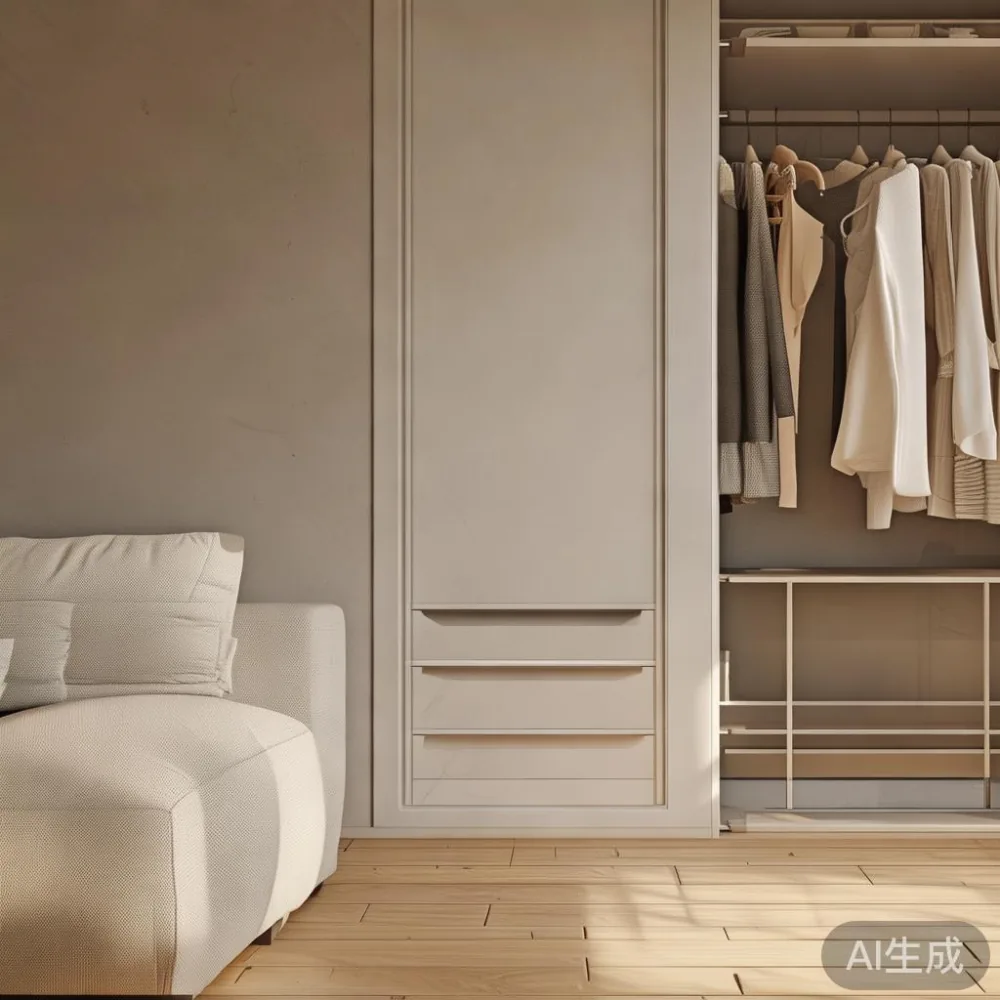
The aesthetic of a Japanese wardrobe is minimalist and focused on clean lines and natural materials. When considering such a piece for your home, the warranty should align with its design philosophy. A minimalist wardrobe often relies on precise sliding mechanisms rather than traditional hinges. The warranty should explicitly cover these sliding doors and their tracks. Look for a warranty that specifies coverage for the door operation, not just the frame. A good warranty will state that if a door becomes misaligned or the track fails within the warranty period, it will be repaired or replaced. This is especially important for a design where the functionality of the sliding mechanism is central to its appeal. Understanding how to style a Japanese wardrobe in bedroom also means understanding how it functions, and a solid warranty protects that core function.
What Does a 'Lifetime Refinishing' Warranty Really Mean?
A 'lifetime refinishing' warranty is a powerful selling point, but its meaning can vary. For a solid wood piece, it means the manufacturer will, for the life of the original owner, refinish the surface to repair damage that goes beyond normal wear and tear. This is not for minor scratches. It's typically for significant damage like deep gouges, chemical burns, or extensive water stains that have penetrated the finish. The process usually involves you sending the part to the service centre, which can take 4-6 weeks. It's a valuable service that extends the life of your furniture, but it's not a substitute for proper care. It's a proof of the quality of the wood and the initial finish that the manufacturer is willing to offer this service.
European Sofa vs Modern Sofa: Which Warranty Offers More Protection?
The choice between a European sofa vs Modern sofa often comes down to design philosophy, but the warranty can also differ. A European sofa, particularly a French light luxury piece, might feature more complex, hand-finished details and premium upholstery like full-grain leather. Its warranty might be more specific, covering the leather for 5 years against peeling or cracking, but excluding damage from pet claws or sun exposure. A modern sofa might use more durable, synthetic microfibre fabrics with stain-resistant treatments. Its warranty might focus more on the frame and mechanism, offering a 10-year structural guarantee but only a 1-year warranty on the fabric against manufacturing defects. Neither is inherently 'better'; they simply offer different types of protection based on their materials and construction.
European Sofa vs French Provincial Sofa: A Closer Look at Warranty Details
The difference between a European sofa vs French provincial sofa can be subtle but significant for warranty coverage. A generic European sofa might have a straightforward, all-encompassing warranty for 5 years on the frame and 2 years on the upholstery. A French provincial sofa, with its ornate details like carved wood arms and button-tufted upholstery, will have a more nuanced warranty. The warranty might specify coverage for the carved wood, but exclude damage from impact. The button-tufting, a delicate detail, might have its own warranty clause, ensuring the buttons and threads remain secure. When you buy a piece with such specific craftsmanship, the warranty should reflect that attention to detail, protecting the very features that define its style.
What Should I Do If My Furniture Fails Under Warranty?
If you believe your furniture is defective and covered by the warranty, the first step is to review the warranty document carefully. You need to confirm that the issue is indeed covered and that you have met all the conditions, such as reporting it within the required timeframe. Next, contact the seller or the manufacturer's customer service. Have your proof of purchase ready. For a purchase made online from a site like m.midhill.co, this would be your order confirmation. Be prepared to describe the issue clearly and, if possible, provide photos or videos. The manufacturer will then assess the claim. They might request more information, send a technician, or ask you to return the defective part. The process can take time, so patience is key. Keep a record of all your communications with the company, including dates, names, and reference numbers.
Is a 14-Day Return Period Enough to Spot Problems?
A 14-day return period is standard and gives you a short window to discover major defects. However, some problems, particularly those related to structural integrity, may not be immediately apparent. For example, a slight warp in a solid wood bed frame might take a few weeks of use to become noticeable. A 14-day window is excellent for items that are damaged on arrival or fundamentally wrong. For peace of mind on a larger investment like a wardrobe, a longer warranty period is far more valuable. The return period is for 'wrong' goods, while the warranty is for 'faulty' goods that appear after you've started using them. Both are important layers of protection for the Singaporean homeowner.
How Do Singapore's HDB and Condo Rules Impact Furniture Warranties?
Your living environment can influence how you use your furniture and, consequently, how a warranty applies. The standard door width for an HDB flat is about 80cm. If you buy a wardrobe that is 85cm wide, you might have to remove the door to get it into your bedroom. This assembly process must be done carefully to avoid damage. If you damage the door during this process, the warranty will not cover it. For condos in areas like Tampines, where lift sizes can be smaller, you may need to dismantle large furniture pieces to get them into your apartment. Again, improper disassembly can void a warranty. Understanding your home's dimensions and following the manufacturer's instructions for assembly and disassembly is important for maintaining your warranty's validity.
What About GST and Its Impact on My Warranty Claim?
The Goods and Services Tax (GST) in Singapore is currently 9%. When you purchase furniture, the price you pay includes this tax. If you need to make a warranty claim for a defective part, the replacement part might also be subject to GST. It's important to clarify this with the seller. Will they cover the GST on the replacement part, or will you have to pay it? For a large item like a wardrobe, a replacement door or drawer could cost SGD 800 or more, with SGD 72 of that being GST. Clarifying this point beforehand can prevent an unexpected bill. A comprehensive warranty should cover the full cost of the repair, including any applicable taxes.
Are Extended Warranties Worth the Extra Cost in Singapore?
Manufacturers sometimes offer extended warranties for an additional fee. Whether this is a good value depends on the product and your personal risk tolerance. For a simple, mass-produced nightstand, an extended warranty might be unnecessary. For a complex, custom-built solid wood dining table or an Italian light luxury bed, an extended warranty could provide significant peace of mind. Consider the cost of the item and the potential cost of repairs. A repair for a sophisticated mechanism on a light luxury sofa could easily cost SGD 500 or more. If the extended warranty costs SGD 200 for an extra 5 years of coverage on a SGD 5,000 piece, it might be a wise investment. However, always read the terms of the extended warranty carefully, as exclusions may still apply.