The Silent Enemy: How Singapore's Humidity Affects Your Solid Wood Wardrobe
Living in Singapore means living with humidity. The air is thick with moisture, a fact anyone who has stepped out of an air-conditioned MRT station into the Tampines afternoon heat can attest to. This constant, invisible presence is a natural part of our environment, but for homeowners who invest in quality solid wood furniture, it can present a significant challenge. The relationship between wood and water is a delicate one, and in a place like Singapore, understanding this relationship is the first step toward protecting your investment and maintaining a beautiful, functional home. This is especially true for your wardrobe, a piece of furniture that bears the brunt of our climate daily.
Why Does Humidity Make Wood Furniture So Unhappy?
Wood is a hygroscopic material. This scientific term simply means it naturally absorbs and releases moisture from the surrounding air. Think of it like a sponge, but one that breathes and reacts slowly. In a dry environment, wood loses moisture and contracts. In a humid environment, like a typical Singaporean condo or HDB flat, it absorbs moisture and expands. This constant cycle of swelling and shrinking is the primary cause of the problems we see with wood furniture here.
When a solid wood wardrobe is manufactured in a controlled environment, like a workshop in Foshan Lingzhan, it is crafted at a specific moisture content. This content is calibrated to be stable under normal conditions. However, when it is shipped to Singapore and placed in a home with 70-80% average humidity, the wood begins to acclimate. It absorbs moisture from the air, causing its cells to expand. This process can lead to several visible and structural issues over time.
What Does Humidity Damage Look Like on Your Wardrobe?
The effects of high humidity aren't always dramatic or immediate. Often, they manifest as subtle changes that worsen over years. Recognizing these signs early can help you take action before the damage becomes irreversible. For a wardrobe, which is a large, enclosed piece of furniture, the effects can be particularly pronounced.
One of the most common signs is **warping or cupping**. This occurs when the panels of the wardrobe door or sides expand unevenly. A flat door might start to curve along its length or width, causing it to no longer sit flush with the frame. This not only looks unsightly but also compromises the seal of the wardrobe, allowing more humid air to enter the interior. You might notice a gap of 2-3 mm at the top of the door while it sticks at the bottom.
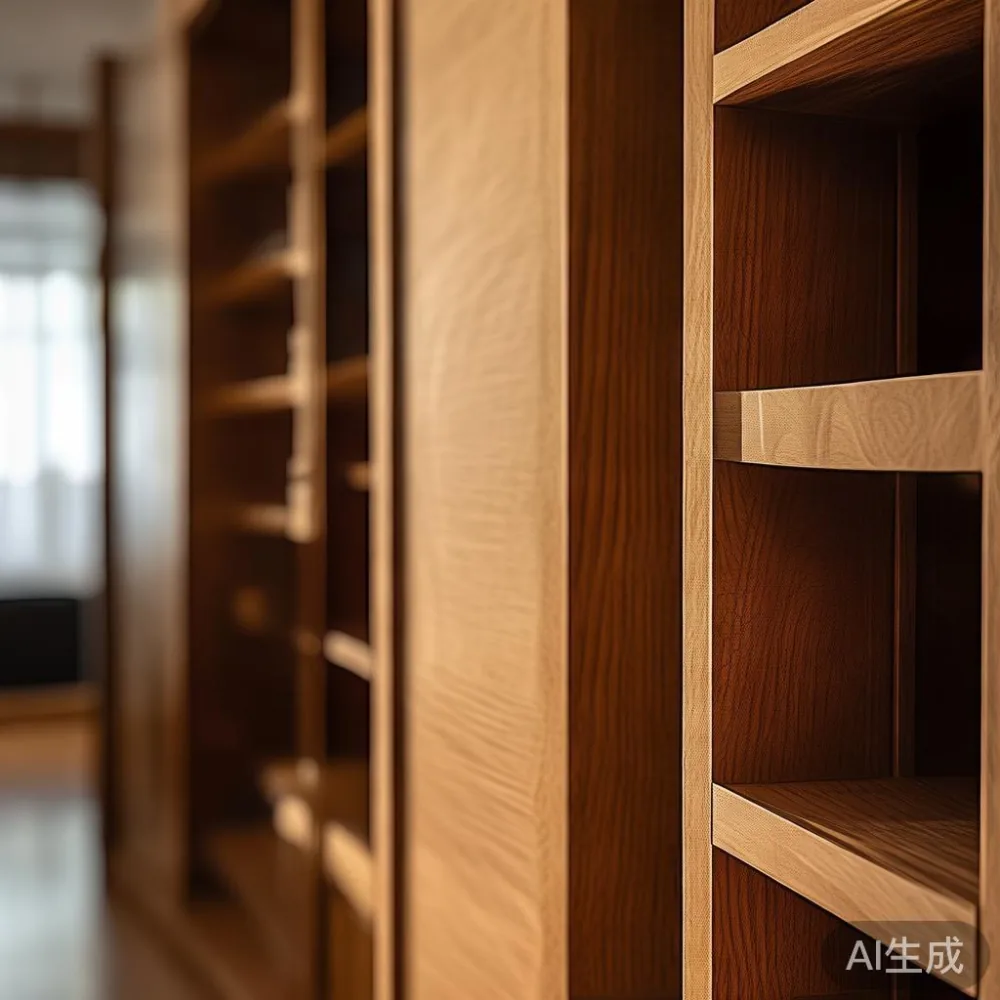
Another frequent issue is **sticking doors and drawers**. As the wood expands, it can grow too large for its allocated space. A door that once opened smoothly might now require a firm push, or a drawer might become difficult to slide in and out. This is a clear indicator that the wood has absorbed a significant amount of moisture. For a wardrobe, this can be a major inconvenience, making it difficult to access your clothes.
Cracking is a more severe symptom. When the surface of the wood dries out too quickly while the core remains damp, the tension can cause the wood to split. These cracks can appear on the edges of panels or across wider surfaces. While a solid wood wardrobe is built to last, constant humidity stress can lead to cracks that are several centimeters long and require professional repair.
Why Singapore's Specific Climate is a Perfect Storm for Wood
Singapore's climate is unique and particularly harsh for wood furniture. It's not just the high humidity; it's the dramatic fluctuations that occur daily. The temperature inside a home can swing from 22 degrees Celsius with the air-conditioning on to 28 degrees Celsius when it's off. This temperature change directly affects the air's capacity to hold moisture, causing the relative humidity to spike.
Consider the common experience of walking into a bedroom in the morning. The air-conditioning has been running all night, keeping the room cool and dry. The wood in your wardrobe has contracted slightly. Then, you switch off the AC to go to work, and the room heats up. The trapped, humid air from the corridor and bathroom seeps in, and the wood begins to absorb moisture and expand again. This daily cycle puts immense stress on the furniture's joints and structure.
This is a problem for all wood furniture, from a simple nightstand to a large dining table, but the wardrobe is particularly vulnerable. Its large surface area and enclosed design create a microclimate inside. The air trapped inside can become even more humid than the room itself, especially if you store damp clothes or shoes in it. This constant exposure makes proactive care not just a recommendation, but a necessity for any homeowner who wants their furniture to last for a decade or more.
How to Protect Your Solid Wood Wardrobe in Singapore
The good news is that with a few simple habits, you can significantly mitigate the effects of humidity on your solid wood wardrobe. The key is to manage the environment around the furniture and perform regular maintenance. A little effort goes a long way in preserving the beauty and integrity of your piece.
First and foremost, **control the indoor climate**. Using a dehumidifier in your bedroom, especially during the wetter months from November to January, can make a world of difference. A good dehumidifier can reduce the humidity level in a 20-square-meter room from 80% to a more stable 50-60%. Running it for 6-8 hours a day, perhaps while you sleep, is often enough to protect your furniture without drastically increasing your electricity bill. The cost of a quality dehumidifier is around SGD 300 to SGD 500, a small price to pay for preserving a SGD 3000 wardrobe.
Second, **maintain a consistent distance from moisture sources**. Avoid placing your wardrobe directly next to an internal wall that might have plumbing, or in a spot where it gets hit by the direct spray from a bathroom shower. Ensure there is at least 10-15 cm of space between the back of the wardrobe and the wall to allow for air circulation and to prevent moisture from being trapped against the wood.
Third, **perform regular maintenance**. A high-quality solid wood wardrobe will have a durable finish, like a lacquer or oil, that protects the wood. However, this finish can degrade over time. Wiping down your wardrobe with a soft, dry cloth every month helps remove dust and grime that can hold moisture. For an extra layer of protection, you can apply a furniture-specific polish or oil every 6-12 months. This nourishes the wood and replenishes the protective layer, creating a better barrier against humidity. This is part of the lifetime refinishing promise from makers like MIDHILL, ensuring your piece can be restored to its original glory.
How to Choose a Wardrobe Built for Singapore's Humidity?
If you are in the market for a new wardrobe, choosing the right piece from the start can save you a lot of trouble. Not all wood furniture is created equal, and the construction and materials used are critical for longevity in a humid climate. When you are shopping, whether online or in a showroom, it pays to ask the right questions.
Look for furniture made from hardwoods known for their stability. Woods like teak, mango wood, and sheesham are denser and less prone to warping than softer woods like pine or oak. These hardwoods have a tighter grain structure, which means they absorb and release moisture more slowly and evenly, reducing the risk of expansion and contraction.
Pay close attention to the **construction and joinery**. A well-made wardrobe will use techniques like mortise and tenon joints or dowels, which are mechanically strong and allow for the natural movement of the wood. Avoid pieces that are held together solely with staples, nails, or cheap glue, as these will fail as the wood expands and contracts over time. The internal structure should be just as solid as the external appearance.
Finally, consider the **design and features**. A wardrobe with a good ventilation system is a huge advantage. Look for models with slatted back panels or built-in ventilation grilles at the top and bottom. This allows air to circulate freely, preventing the build-up of humid air inside. Some modern designs even include subtle gaps between the doors and the frame, which are intentional and functional. This is a key aspect of effective wardrobe organization, ensuring the environment inside the wardrobe is as stable as possible to protect your clothes and the wood itself.
Is a French Light Luxury Wardrobe a Good Choice for Singapore?
The question of style and material is often on a homeowner's mind. When considering a new wardrobe, one might wonder about the suitability of specific design aesthetics like French light luxury. This style, characterized by elegant lines, soft curves, and often light-colored woods or painted finishes, is very popular. But is it a practical choice for the Singaporean climate?
The answer is yes, but with a few caveats. A French light luxury wardrobe can be a stunning addition to a master bedroom, offering a sense of refined elegance. The key is to ensure it is made from high-quality, stable solid wood. The style itself is less important than the craftsmanship. A poorly made wardrobe, regardless of whether it's French, American post-modern, or minimalist, will suffer in high humidity. The focus should always be on the material's inherent stability and the quality of the joinery.
When sourcing such a piece, it's wise to look at wholesale European light luxury furniture suppliers who understand the climatic demands of the Asian market. These manufacturers often use woods that are specifically selected for their resistance to warping and have decades of experience in crafting furniture that can withstand long sea voyages and varying humidity levels. For example, my colleague last month visited a showroom in Singapore and noted that the sales representative from a Foshan-based company was very knowledgeable about the specific wood treatments they use to ensure their products, like the MIDHILL European light luxury sofa, are stable in our local conditions. This level of expertise is invaluable for making an informed purchase.
In the end, the style of your wardrobe is a personal choice, but its durability is a practical one. A French light luxury wardrobe, or any other style, can be a perfect fit for a Singaporean home as long as it is built with the local climate in mind. It’s about marrying aesthetic preference with practical wisdom.
Real-World Experience: A Wardrobe's Journey from Foshan to a Punggol Condo
To understand the real-world impact of humidity, it helps to look at a specific case. Last month, I visited a client in a Punggol executive condominium. He had purchased a large, solid wood wardrobe from a reputable manufacturer 3 years prior. The wardrobe was a beautiful piece of American post-modern light luxury furniture, with clean lines and a rich walnut finish.
When we first installed it, the wardrobe fit perfectly in his allocated space, with just 5 cm of clearance on each side for the doors to swing open. The lift in his building had a width of 110 cm, and the wardrobe was delivered in two pieces that were each 95 cm wide, making the transport straightforward. The delivery took 7 days from the time of order, and the shipping was free as the order value was over SGD 3500.
However, over the three years, the client noticed a gradual change. The doors, which once closed with a soft click, began to rub against the frame. He had to push them a little to get them to latch. Upon closer inspection, we could see that the doors had indeed expanded. They were now 2-3 mm wider than when they were new. This expansion was caused by the constant high humidity in his bedroom. The wood had absorbed enough moisture to swell slightly, but not enough to cause visible warping or cracking. The solution was to adjust the hinges slightly to accommodate the new width, a simple fix that restored the wardrobe's functionality. This experience highlighted the subtle but persistent effect of our climate and the importance of choosing furniture that can handle it.
Investing in Longevity: The Value of a Structural Warranty
When you buy a piece of solid wood furniture, especially a significant item like a wardrobe, you are making an investment. You want that investment to last. This is where the manufacturer's warranty becomes an important factor of consideration. A warranty is not just a piece of paper; it's a promise of quality and confidence from the maker.
A standard warranty might cover manufacturing defects for a year or two. However, for furniture that is expected to withstand the rigors of a humid climate like Singapore's, a longer-term warranty is a much stronger indicator of quality. A 10-year structural warranty, for instance, tells you that the manufacturer stands behind the joinery, the frame, and the construction of the piece for a full decade. This level of coverage gives you peace of mind, knowing that if a joint were to fail due to material stress, the repair or replacement would be covered.
This kind of long-term commitment is often found with established manufacturers who have a deep understanding of wood science and climate adaptation. It shows they are confident that their materials and construction methods are solid enough to last. For a homeowner, this is a important part of the decision-making process, ensuring that the beautiful wardrobe you choose today will be a functional part of your home for many years to come, protecting your clothes and your investment.