The Silent Enemy: How Singapore's Humidity Affects Your Wardrobe and How to Protect It
Living in Singapore means enjoying a tropical climate year-round, with lush greenery and temperatures that rarely dip below 25°C. However, this paradise comes with a constant companion: high humidity. For residents of HDB flats in Tampines, condos in Punggol, or apartments in Bedok, the air often holds 80-90% moisture, a level that can silently wage war on your most important furniture investment: your wardrobe. This isn't just about aesthetics; it's about preserving the integrity of your belongings and the structure of your home. Understanding the relationship between humidity and wood is the first step toward creating a stable environment for your clothes and your furniture.
What Exactly Does High Humidity Do to Solid Wood Furniture?
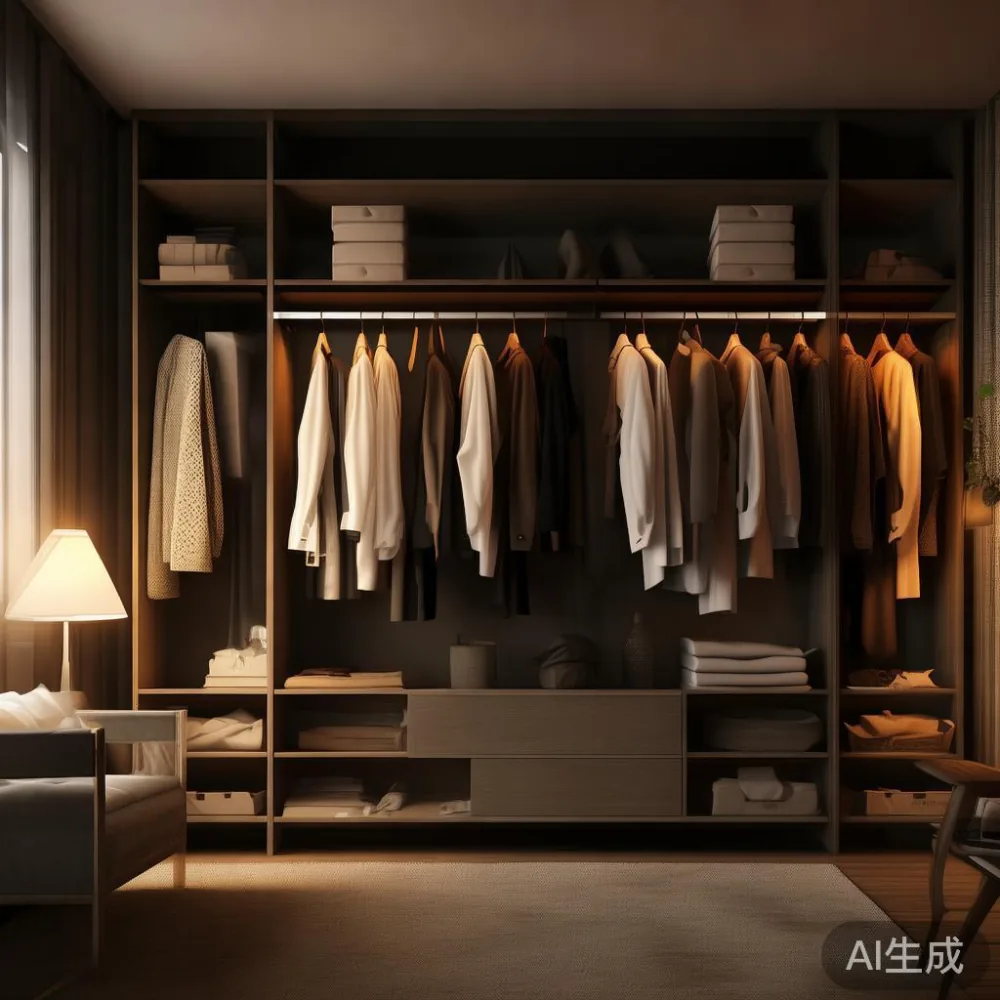
Wood is a natural, hygroscopic material, meaning it absorbs and releases moisture from the air. In Singapore's climate, this process is in constant overdrive. When humidity levels soar, solid wood like oak, walnut, and mahogany absorbs excess moisture, causing its fibers to swell. This swelling manifests in several visible and structural ways. The most common issue is warping, where a flat panel, such as a wardrobe door, curves or twists at the edges. A door that was once a perfect 80 cm by 200 cm might now have a 5 mm gap at the top or bottom, failing to close properly. This not only compromises the look of your bedroom but also allows dust and pests inside.
Swelling can also lead to doors and drawers sticking. You might find yourself using significant force, sometimes up to 15 kg of pressure, to open a drawer that once glided smoothly. This constant stress weakens the joinery over time. The internal mechanisms of a wardrobe, like hanging rods and shelves, can also be affected. A metal rod might begin to sag under the weight of swollen wood supports, while shelves can bow in the center, unable to support the weight of your clothes. For a solid wood wardrobe that cost SGD 2,500, these issues can quickly turn a functional piece into a frustrating liability. The 10-year structural warranty offered by brands like MIDHILL becomes a critical safety net against these humidity-induced problems, covering the core framework that holds everything together.
Is Your Wardrobe Organization System Actually Working in This Climate?
This is a question many Singapore homeowners ask when their perfectly organized system starts to fall apart. High humidity doesn't just damage the wood; it impacts the contents of your wardrobe, affecting your entire organization strategy. Damp air can cause fabrics to feel clammy and musty. Natural fibers like cotton and linen absorb moisture, leading to a loss of shape and a potential for mildew growth. Silk, a delicate material, can become brittle and lose its luster when exposed to fluctuating humidity levels. This means that even if your wardrobe is structurally sound, your clothes may not be safe inside it.
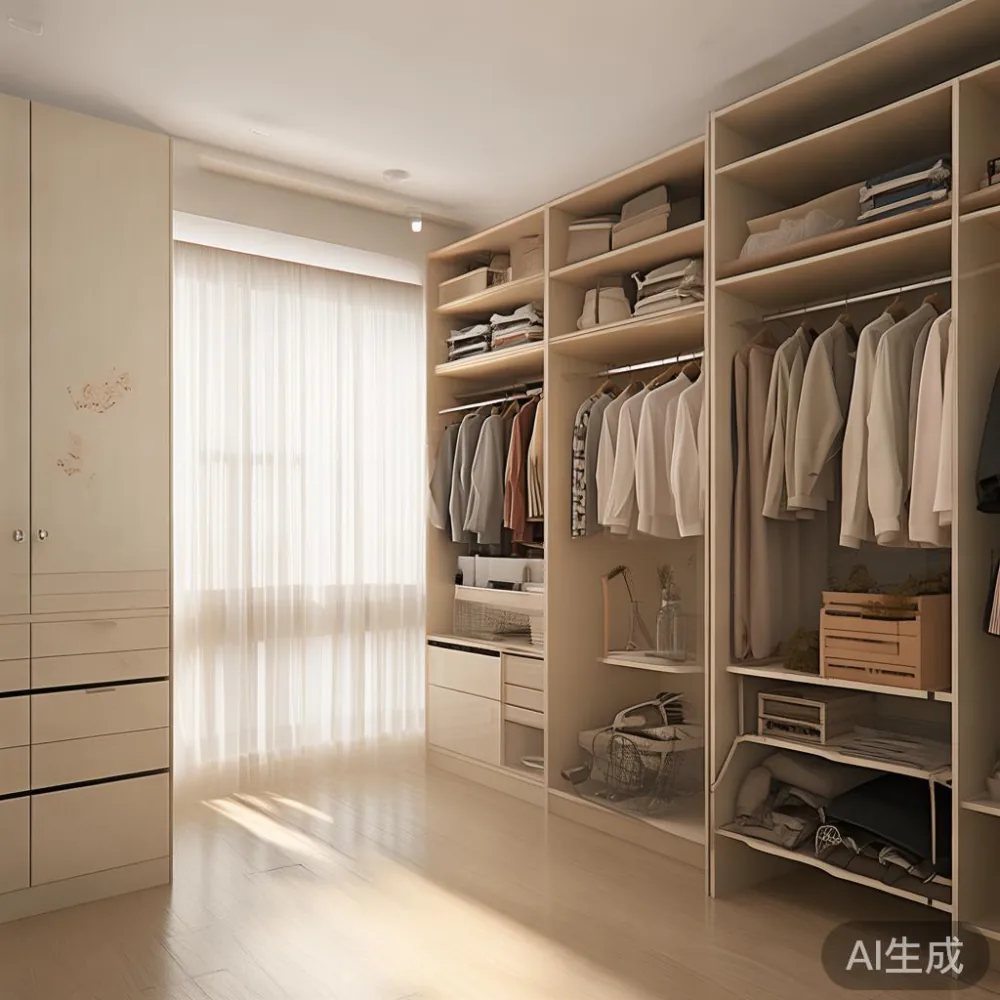
Also, the very act of wardrobe organization becomes more challenging. When wood swells, the internal space shrinks. A shelf that once had a 30 cm clearance might now offer only 28 cm, making it difficult to stack folded sweaters or place shoe boxes neatly. Drawer dividers designed for specific items can become misaligned, causing smaller items like socks or scarves to get lost. The problem is compounded in HDB corridors, which are often narrow and poorly ventilated. A wardrobe placed against an external wall in a Tampines HDB flat will experience greater temperature and humidity swings than one in a more centrally located room. This is why choosing the right location and type of furniture is a key part of managing your living space. A well-designed wardrobe organization system must account for these environmental factors to remain effective.
Real Talk: My Experience with a Warped Wardrobe in a Bedok Condo
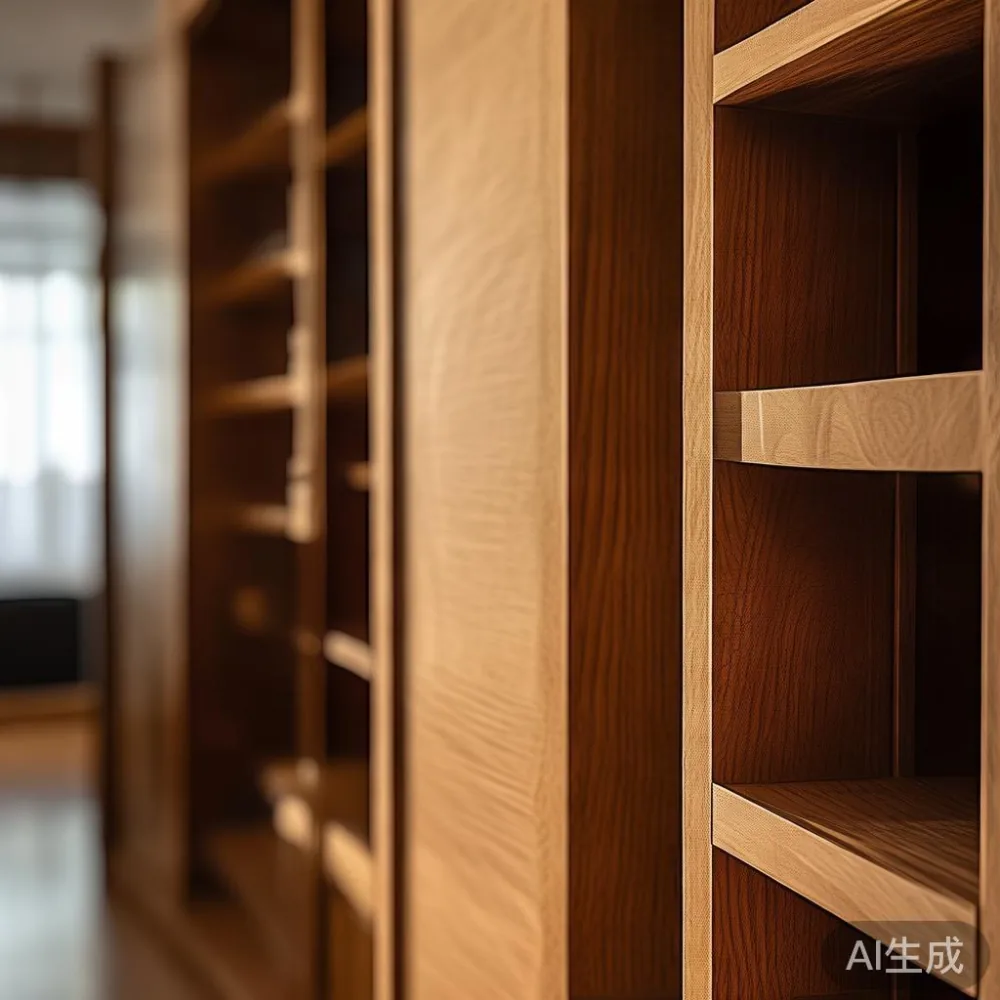
Last month, I visited a colleague in her Bedok condo to help with a home styling project. She had recently invested in a beautiful, imported European light luxury wardrobe for her master bedroom, a piece that cost her over SGD 4,000. The craftsmanship was impeccable, with smooth, dovetail joints and a hand-rubbed finish. Within six months, however, she noticed a worrying problem. The two large wardrobe doors, which were once perfectly flush, began to bow outward in the middle. The gap in the center was now a clear 8 mm, wide enough to see the contents inside.
We also discovered that the internal drawers were sticking badly. The wood had swollen so much that they required a firm pull to open, and the soft-close mechanism had completely stopped working. The culprit, as we determined, was the humidity. Her bedroom, while air-conditioned, had a dehumidifier that was only turned on during the night. For the other 16 hours of the day, the high ambient humidity was free to work its magic on the solid wood. This experience was a powerful reminder that even high-end furniture needs specific care in our climate. It’s not about the quality of the piece, but the environment it's asked to perform in. This is a key consideration when asking yourself, is Italian light luxury wardrobe worth it in Singapore—the answer is yes, but only if you are prepared to maintain it properly.
Practical Solutions for Protecting Your Wardrobe in Singapore
Protecting your furniture from humidity doesn't require a complete lifestyle overhaul, but it does require a strategic approach. The first line of defense is consistent environmental control. Air conditioning is your most powerful tool. Running your AC for at least 8-10 hours a day helps maintain a stable indoor humidity level, ideally between 50-60%. This is a significant investment, with electricity costs for a 2-horsepower unit in an HDB flat averaging around SGD 150-SGD 200 per month, but it's a necessary expense to protect your assets.
For targeted protection, a dehumidifier is an excellent addition, especially for rooms with large pieces of furniture like a solid wood bed frame or a heavy dining table. Placing a dehumidifier in your bedroom for a few hours each day can pull several liters of moisture from the air, creating a microclimate around your wardrobe. Another simple but effective solution is ventilation. After a shower, open your bathroom window and the bedroom door for 10-15 minutes to allow the moist air to escape. For those in Punggol with sea-facing apartments, keeping windows closed during the more humid morning hours and opening them in the drier afternoon can make a noticeable difference.
When purchasing new furniture, consider the design. A wardrobe with a solid wood frame but MDF or plywood panels for the back and sides will be less susceptible to warping than an all-solid wood piece, as these engineered woods are more stable in high humidity. Also, pay attention to the finish. A thick, multi-layered lacquer or oil finish provides a better moisture barrier than a simple wax or varnish. This is a key consideration when evaluating a how to style American wardrobe in bedroom guide—look for pieces that are built for the climate, not just for style.
Choosing the Right Wardrobe for Singapore's Climate
When selecting a new wardrobe, the material and construction are paramount. Solid wood furniture is beautiful, but its susceptibility to humidity means you must choose the right type of wood. Hardwoods like teak, walnut, and cherry are denser and more stable than softer woods like pine or rubberwood. While they may still swell, they are less likely to warp or crack. For a truly stable option, consider furniture made from reclaimed wood, which has already undergone decades of humidity cycles and has settled into a stable form.
p>Another excellent choice is engineered wood with a real wood veneer. The core material, like MDF or plywood, is designed to resist warping, while the veneer provides the authentic look and feel of solid wood. This combination offers the best of both worlds: the aesthetic appeal of natural wood and the practical stability needed for Singapore's climate. Brands that specialize in Foshan furniture, like MIDHILL, often have extensive experience with these hybrid constructions, having exported to humid regions for over a decade. They understand the need for materials that can withstand a 10-year structural warranty in varying conditions.Style also plays a role in functionality. A wardrobe with full-length mirrors can help reflect light and make a room feel larger and airier, which can indirectly help with humidity perception. Sliding door wardrobes are a popular choice in Singapore's compact HDB bedrooms, as they eliminate the need for clearance space in front of the doors, which is often limited to just 80-90 cm in a typical bedroom layout. When considering a how to style Japandi sofa in room aesthetic, you might opt for a wardrobe with clean lines and minimalist hardware, ensuring the design remains uncluttered and easy to maintain.
Long-Term Maintenance: Caring for Your Wardrobe Year-Round
Even with the best preventative measures, some maintenance is required to keep your wardrobe in top condition. A simple routine can go a long way. Every month, wipe down the exterior of your wardrobe with a soft, dry cloth to remove any surface moisture and dust. For stubborn stickiness on drawers, a small amount of beeswax rubbed on the sliding surfaces can help them glide smoothly again. Avoid using water or harsh chemical cleaners, as these can seep into the wood and cause damage.
p>For those who have chosen a light luxury style, such as a French bed or an Italian light luxury wardrobe, maintenance is part of the value proposition. The patina that develops on solid wood over time is a sign of character, but it should be a controlled, beautiful patina, not a warped, damaged one. This is where the lifetime refinishing service offered by some manufacturers becomes invaluable. If the finish on your wardrobe becomes dull or damaged from humidity exposure, a professional refinishing can restore it to its original glory without harming the wood structure. This service can cost between SGD 800 and SGD 1,500 for a large wardrobe, but it extends the life of your piece by another decade or more.Finally, be mindful of placement. Avoid placing your wardrobe directly against an external wall, especially in older HDB blocks where insulation might be minimal. A gap of 5-10 cm between the wall and the wardrobe allows for air circulation, preventing moisture from being trapped. Similarly, don't store wet clothes or damp items directly in the wardrobe. Always ensure everything is completely dry before putting it away. This simple habit protects both your clothes and the wood, ensuring your wardrobe organization system remains functional and hygienic for years to come.