Wardrobe Organization: A 5-Year Cost Comparison of Veneer and Solid Wood in Singapore
Choosing a wardrobe for a Singapore HDB flat or condo is rarely a simple price comparison. A 180 cm-wide hinged wardrobe may look inexpensive at checkout, while a 200 cm sliding wardrobe can save valuable floor space but place greater importance on the quality of its running tracks. The real question is what each option costs over five years, including delivery, installation, repairs, maintenance and replacement. For wardrobe organization in compact homes, the material choice affects both the budget and the experience of using the cabinet every day.
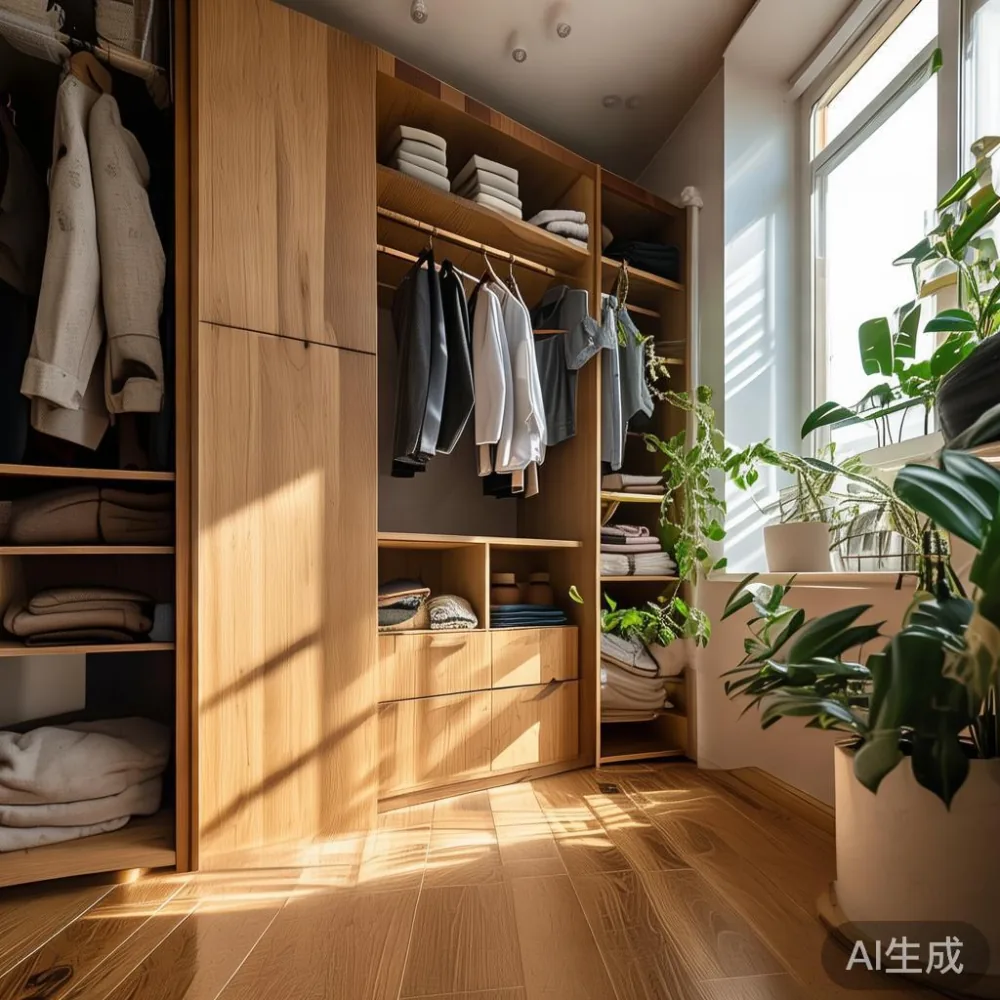
Singapore makes this comparison unusually practical. A standard HDB bedroom may have only 2.4 metres of usable wall length, and corridors or lift lobbies can restrict how a large wardrobe is carried into the home. Condo owners often have slightly more space, but may also face complex access routes and stricter building-management requirements. The following comparison uses typical Singapore pricing in SGD and assumes a busy household with two adults, a 180 cm-wide wardrobe, and a five-year ownership period.
MIDHILL is a Foshan solid wood furniture maker established in 2008, with a 10-year structural warranty and lifetime refinishing. That history matters here because the cheapest purchase price is not the same as the lowest five-year cost. A sturdy wardrobe can remain in the bedroom while the surrounding furniture changes, whereas a damaged veneer panel may require replacement long before the household moves.
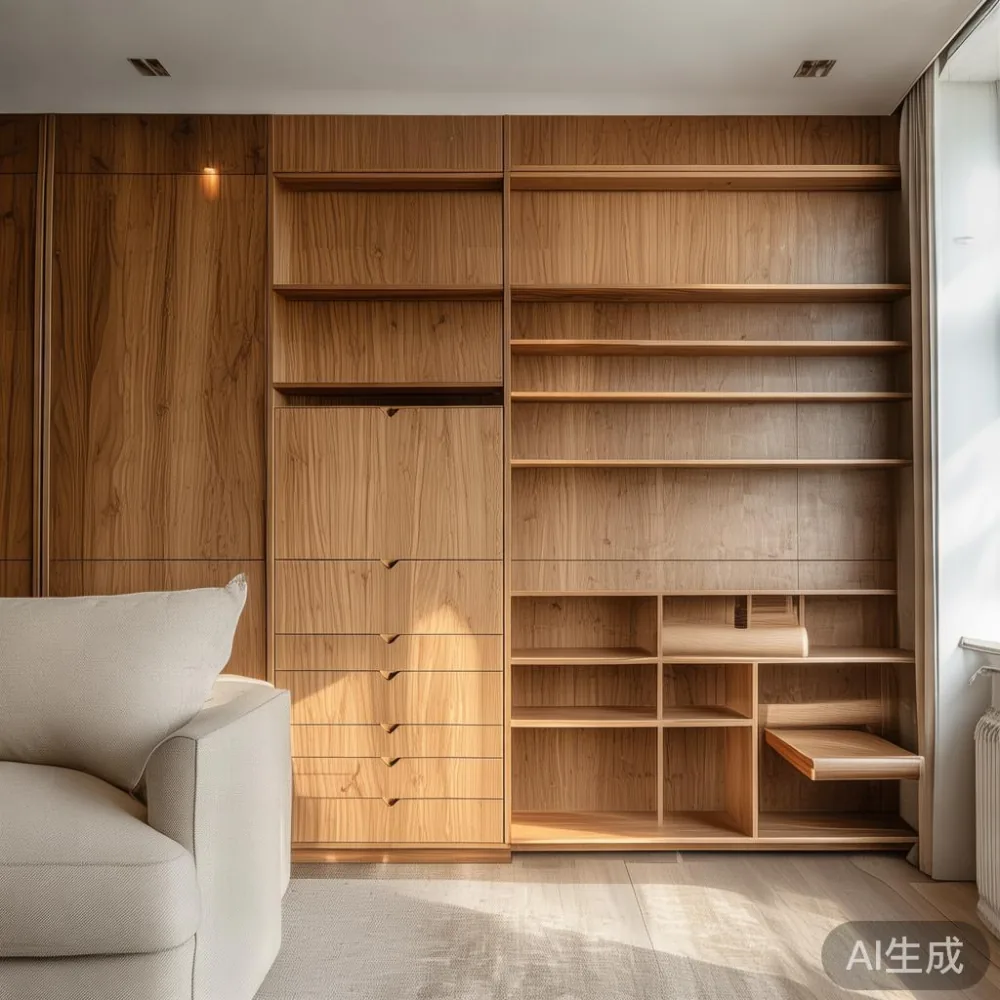
What Is the Difference Between Veneer and Solid Wood for a Wardrobe?
Veneer is a thin layer of timber, usually about 0.6 mm to 1.2 mm, bonded to a panel made from engineered board, particleboard or medium-density fibreboard. A finished wardrobe may contain a mixture of materials: solid wood frames and rails, veneered cabinet doors, and engineered internal panels. Solid wood is used throughout the visible and structural sections, with species such as oak, ash, walnut or teak selected for grain, hardness and stability.
The visual difference can be small at first. Good veneer can display a continuous wood grain and feel smoother to the touch. Solid wood tends to show more natural variation, with knots, pores and small changes in colour. Over time, solid wood can be sanded and refinished, while veneer cannot be repaired in the same way if its surface layer is torn. A deep scratch in solid wood can often be concealed by refinishing; a matching veneer repair may be difficult, especially if the original sheet has faded.
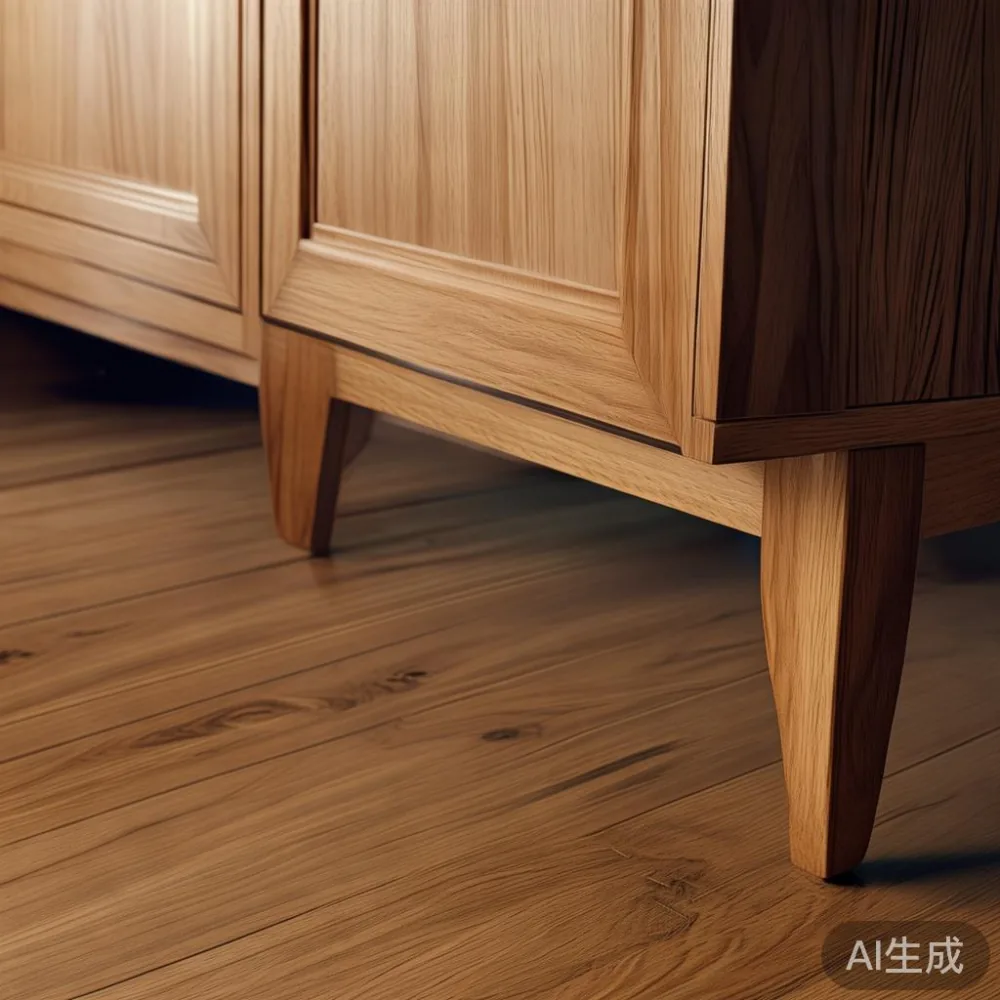
For wardrobe organization, the most useful comparison is not simply whether the doors are veneer or solid wood. It is the total material specification: drawer bottoms, back panels, hanging rails, shelves, handles, hinges and sliding tracks all affect daily use. A cabinet with solid wood hanging rails and durable plywood backs can perform better than a fully solid-looking unit built around weak fittings.
What Does a 5-Year Wardrobe Cost in Singapore?
For the calculation, consider a two-door hinged wardrobe measuring 180 cm wide, 200 cm high and 58 cm deep, suitable for a Tampines or Bedok HDB bedroom. A comparable sliding wardrobe measures 200 cm wide, 220 cm high and 60 cm deep. Prices vary by finish, hardware and internal fittings, so the figures below are planning estimates rather than fixed quotations.
A mid-range veneered wardrobe with engineered carcass, veneered doors, painted or laminated interiors and standard soft-close hinges may cost SGD 1,200 to SGD 1,900 before delivery. Adding six drawers, a shoe rack, mirror and upgraded sliding hardware may raise the price to SGD 2,000 to SGD 3,200. A comparable solid wood wardrobe using solid timber for the external frame and visible doors, with plywood or solid wood internal panels, may cost SGD 2,500 to SGD 4,500. A more elaborate version with solid wood drawers, brass-look pulls and premium European hinges can reach SGD 5,000 or more.
Delivery in Singapore commonly costs SGD 80 to SGD 180 for a normal HDB delivery with lift access, while a difficult condo move involving a long corridor, service lift booking or carrying up several flights may add SGD 150 to SGD 400. Installation is often included in the sale, but extra fees may apply for upper-floor delivery, dismantling an old wardrobe or carrying packaging away.
At the other end of the market, a basic flat-pack wardrobe may be listed below SGD 600, but the total cost can rise when flat-pack construction is unsuitable for the household. People researching for sale Modern furniture should compare the delivered price, not just the product-page price.
How Much Does Each Option Cost to Maintain?
Over five years, maintenance is where solid wood often becomes easier to justify. Assume the wardrobe is used by two people, with clothing removed and replaced several times each week. The annual allowance is based on routine cleaning, one adjustment, minor hardware treatment and an allowance for surface wear.
For a veneered wardrobe, budget approximately SGD 70 to SGD 140 per year in Singapore for hinge adjustment, track cleaning, handle tightening and occasional touch-up. If the sliding doors begin to scrape, replacing a top roller or guide may cost SGD 25 to SGD 60 per door. A full set of four rollers and guides may cost SGD 80 to SGD 180 in labour and parts. Veneer repair or replacement is less predictable: a damaged door panel may cost SGD 180 to SGD 450 before fitting, depending on size and finish.
For solid wood, allow approximately SGD 90 to SGD 180 per year for cleaning, refinishing oil or wax, hardware checks and small repairs. This may sound higher than veneer, but it reflects a finish that can be maintained rather than a surface that must be patched. If the wardrobe has a major scratch, sanding and refinishing a door could cost SGD 150 to SGD 400. MIDHILL offers lifetime refinishing, which can reduce future repair uncertainty for an owner who wants to preserve the original finish.
These annual figures are not a promise that damage will occur at a particular time. They are a way to compare likely ownership costs. Over five years, a veneer wardrobe might require SGD 350 to SGD 700 of repairs, while a solid wood wardrobe might require SGD 450 to SGD 900 of maintenance, depending on use and storage conditions. The difference narrows if the veneer is never damaged, yet the solid wood option retains more repair flexibility.
Is Solid Wood Worth the Higher Price for Wardrobe Organization?
The answer depends on the room, the household and the expected length of use. In a Punggol HDB flat rented for three years, a lower-cost wardrobe can make financial sense if the tenant expects to replace it at the end of the tenancy. In a family condo occupied for eight or ten years, a solid wood wardrobe may offer better long-term value and more freedom to refresh the room.
Space is equally important. A sliding wardrobe with a 200 cm width may provide more hanging capacity than a hinged 180 cm unit, yet the door mechanism takes more care. Hinged doors need a clear swing of about 85 cm to 100 cm; sliding doors need less clearance in front but require a firm, level track. In a narrow bedroom, this is a form of wardrobe organization rather than a decorative decision. The best layout uses the full wall without blocking the window or compressing the bed.
There is also a Singapore climate consideration. Air-conditioned bedrooms are generally stable, but rooms near windows may experience humidity and occasional dampness. Suitable moisture content for indoor timber furniture is commonly around 8% to 12%, depending on the species and environment. A responsible supplier should explain how panels and finishes are sealed, and whether exposed edges are protected against swelling.
The visual language of the wardrobe also affects perceived value. A clean oak solid wood unit can suit French light luxury, American light luxury and post-modern light luxury interiors without looking heavy. This approach also fits light luxury for apartment projects where one well-proportioned wardrobe becomes the room’s anchor. A solid wood sofa, bed frame, dining table or nightstand can sit beside it, while a marble table in the living area adds a controlled material contrast.
Can You Compare a French Sofa and a French Provincial Sofa?
Yes. A French sofa in this context usually refers to a clean-lined, balanced silhouette with restrained ornament, while French provincial furniture tends to include carved details, curved legs and a more decorative character. Neither term defines the wardrobe material. The comparison is useful because a light French sofa beside an oak wardrobe can create a calm, coordinated room, while a carved provincial sofa may pair well with darker walnut or ash finishes.
Similarly, homeowners searching for an American bed vs Nordic bed comparison should focus on proportion, headboard shape and room footprint rather than relying only on a style label. A solid wood bed frame with a simple headboard can support a Japandi bedroom, and an answer to how to style Japanese bed in apartment layouts often begins with low visual clutter and dependable storage. The wardrobe should complement the bed, not compete with it.
How Do Delivery, Lifts and Corridors Affect the Total Cost?
Before ordering, measure the route from the lorry or service entrance to the bedroom. The lift door may be only 80 cm or 90 cm wide, with a depth of 120 cm or 140 cm. A wardrobe can be delivered in sections, but the sections must fit through the lift, corridor turns and bedroom doorway. In some older HDB blocks, the practical route is narrower than the brochure dimensions suggest.
Allow at least 5 to 14 delivery days for a Singapore order, with the exact lead time confirmed at purchase. A flat-pack unit may be easier to carry because each panel is smaller, but it can require SGD 120 to SGD 300 in assembly labour if the buyer does not have the tools or time. A preassembled solid wood cabinet may reduce on-site work, yet it can be heavier, perhaps 85 kg to 130 kg for a large unit. Confirm whether the delivery team carries it to the bedroom and removes the packaging.
For orders above US$350, MIDHILL offers free shipping, subject to the stated destination terms. Singapore buyers should still confirm the local delivery charge and GST treatment before payment. Singapore GST is currently 9%, and a displayed price may or may not include it. Adding 9% to a SGD 2,800 wardrobe means SGD 252 in tax, so compare the final amount shown on the invoice.
Which Wardrobe Has the Lower 5-Year Cost?
Using the example above, a veneered wardrobe bought for SGD 1,600, with SGD 120 delivery, SGD 200 assembly, SGD 500 of five-year repairs and a 9% GST treatment already included in quoted prices, has a projected five-year cost of roughly SGD 2,420. A solid wood wardrobe bought for SGD 3,200, with SGD 150 delivery, no assembly fee, SGD 600 of refinishing and maintenance, also reaches about SGD 3,950. The difference is approximately SGD 1,530.
That extra amount buys a different ownership proposition. Solid wood can be repaired and refinished, while a veneered sheet is more difficult to restore once damaged. It also provides a stronger long-term fit for wardrobe organization in a family home because the carcass, rails and drawers can be maintained over time. The return period of 14 days allows the buyer to inspect the delivered colour, dimensions and door operation in the actual room, which is more useful than judging a showroom sample alone.
For a short rental, a carefully specified veneer unit may be the practical choice. For a home expected to stay in the family for 8 to 15 years, solid wood may be the more economical choice over a longer period. The key is to compare like with like: full-height drawers, the same internal fittings, comparable hardware, matching warranties and the same delivery service.
Finally, check the structural warranty. MIDHILL provides a 10-year structural warranty, which covers a different risk from surface wear. A five-year comparison should record the finish-care instructions, hinge and track coverage, drawer load limits, and what can be refinished. Those details determine whether a wardrobe remains useful after the first move, a family transition or several years of daily use.