The 5-Year Cost of Wardrobe Materials: Veneer vs. Solid Wood in Singapore
When furnishing a Singaporean home, especially in spaces like a Tampines HDB flat or a Punggol condominium, the choice of wardrobe material is a significant decision. The humid climate, the practicalities of lift and corridor dimensions, and the long-term value of your investment all play a role. A wardrobe is not just a piece of furniture; it's a long-term commitment to your home's storage and aesthetics. This article provides a detailed, five-year financial comparison between two common materials: wood veneer and solid wood, using concrete figures and local context to help you make an informed decision for your wardrobe organization needs.
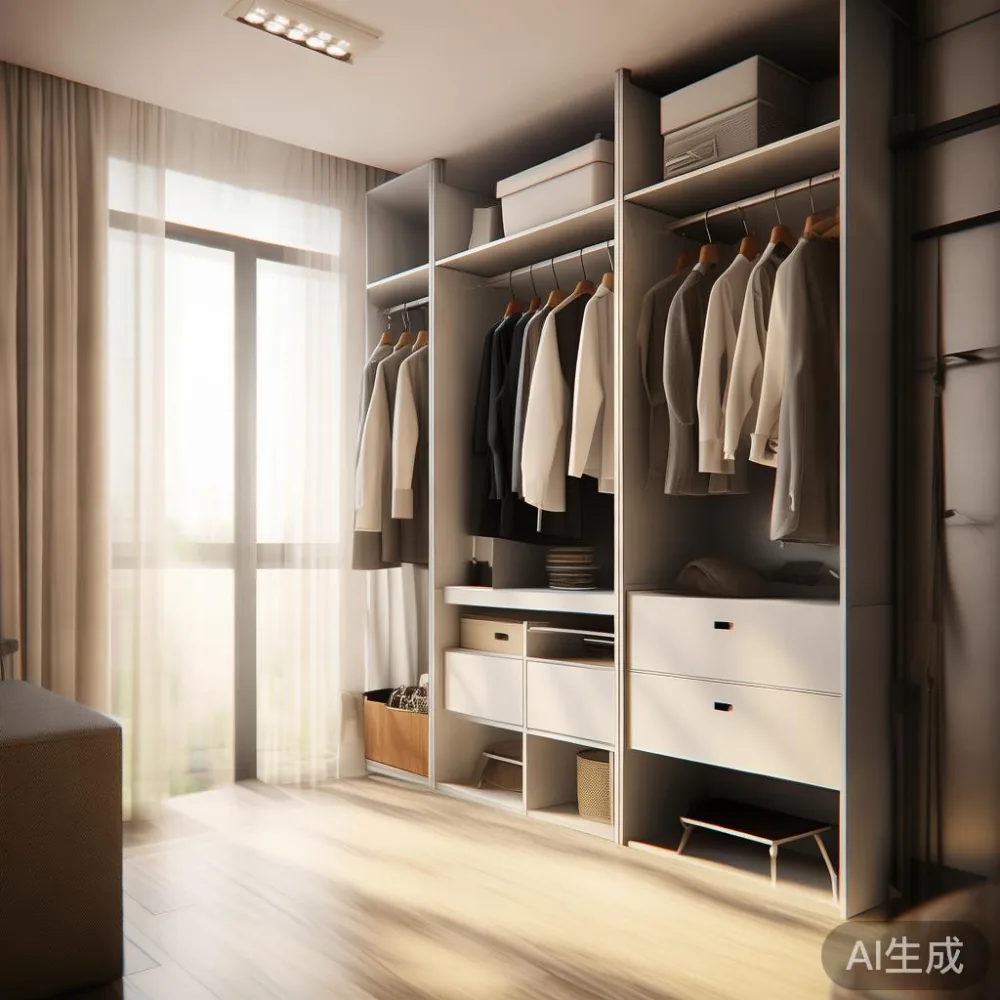
Understanding the Materials: Veneer and Solid Wood
Before diving into the numbers, it is important to understand what these terms mean. Wood veneer is a thin layer of real wood, typically less than 3mm thick, glued onto a substrate like particleboard, MDF (Medium-Density Fibreboard), or plywood. The substrate provides the structure, while the veneer provides the appearance of solid wood. Common substrates in Singaporean furniture can be sensitive to the high humidity, which can cause the substrate to swell or warp over time if not properly treated.
Solid wood, on the other hand, is crafted from a single piece of wood or solid wood panels. The entire structure, from the frame to the doors and drawers, is made from genuine timber. Solid wood is renowned for its durability and natural beauty, with each piece of furniture possessing a unique grain pattern. This material is more resistant to the effects of humidity, making it a potentially more stable choice for the Singapore climate. For a piece like a wardrobe, which is used daily, the structural integrity of the material is paramount for effective wardrobe organization.
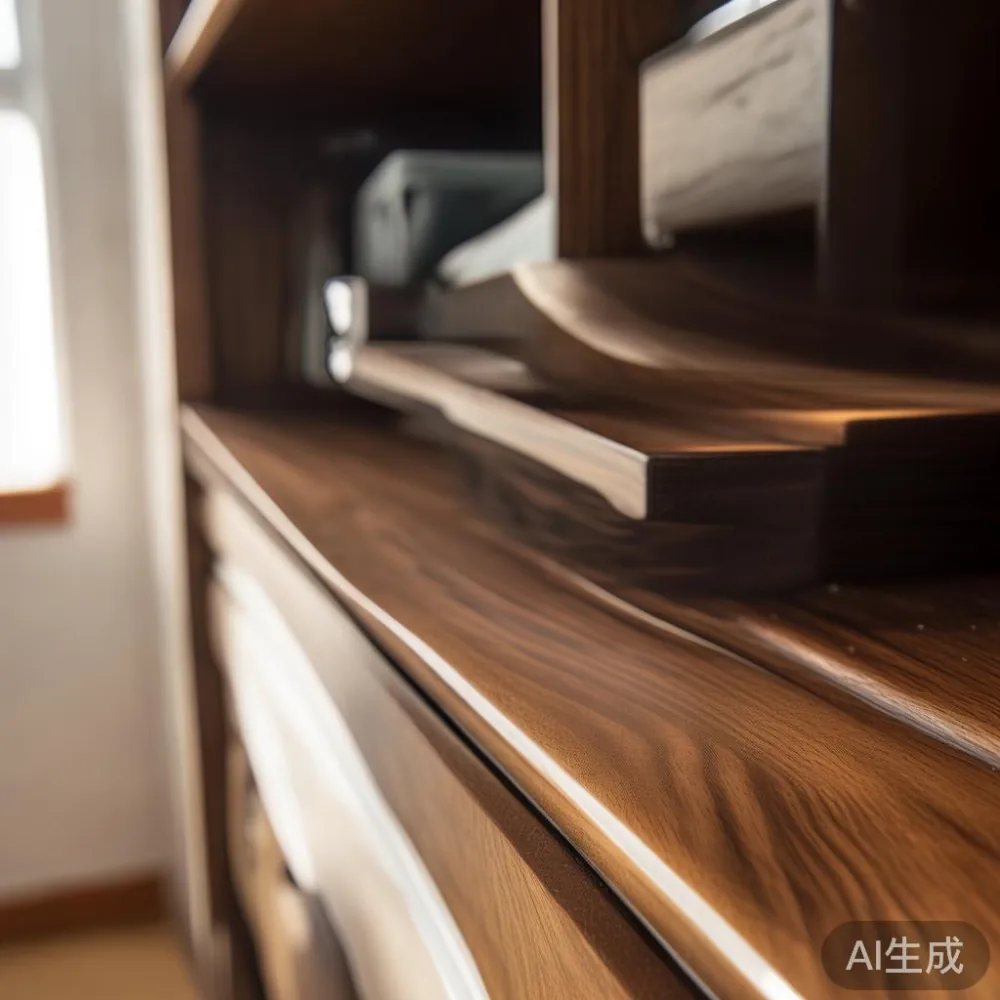
Initial Purchase Price: The Upfront Investment
The most significant difference between veneer and solid wood wardrobes is the initial cost. Let's compare two standard wardrobes, each 240 cm wide, 60 cm deep, and 220 cm tall, suitable for a master bedroom in a Bedok HDB flat.
A veneer wardrobe from a local Singaporean manufacturer might cost between SGD 1,200 and SGD 1,800. This price point makes it an attractive option for homeowners on a tighter budget or for those furnishing a rental property. The veneer provides a convincing wood-like finish at a fraction of the cost of solid wood. However, the value of this initial investment must be weighed against potential long-term costs.

A solid wood wardrobe from a reputable brand like MIDHILL, which has been crafting furniture since 2008, would typically start from around SGD 3,500 and can go up to SGD 5,500 or more depending on the wood species and design. This higher price reflects the cost of premium materials, more complex construction, and superior craftsmanship. While the initial outlay is substantially higher, this purchase is an investment in a piece of furniture designed to last for decades.
Long-Term Maintenance and Repair Costs Over 5 Years
The initial price is only one part of the equation. The true cost of ownership becomes apparent over time. Maintenance and repair needs can significantly impact the total expenditure.
For a veneer wardrobe, maintenance is generally simple but can become a recurring expense. The thin veneer layer can be scratched, chipped, or damaged by moisture. Repairing a damaged veneer is a delicate process. A professional repair service in Singapore might charge SGD 150 to SGD 300 per incident to fix a small chip or scratch. Over five years, a family with children or pets might encounter two or three such incidents, adding SGD 300 to SGD 900 in repair costs. Also, the edges of veneer doors are particularly vulnerable. If the veneer peels at an edge, a complete replacement of the door panel could cost SGD 200 to SGD 400 per door.
Solid wood furniture requires a different kind of maintenance. It is naturally more resistant to scratches, and minor marks can often be buffed out. The primary maintenance task for solid wood is periodic refinishing to restore its lustre and protect it from the environment. A professional refinishing service for a standard wardrobe might cost SGD 800 to SGD 1,200. However, many high-end manufacturers, including those offering modern light luxury furniture, provide a lifetime refinishing warranty. This means that if the wood's finish degrades over time, the manufacturer will refinish it for free. This single benefit can eliminate a major potential cost entirely, representing a significant saving over a five-year period.
Structural Integrity and Replacement Scenarios
A wardrobe's primary function is storage. If its structure fails, the entire piece of furniture may need to be replaced, leading to a much higher total cost of ownership.
Veneer wardrobes rely on their substrate for structural support. Particleboard and MDF are susceptible to moisture. In Singapore's climate, a leak in the master bathroom, or even just high humidity, can cause the substrate to swell and lose its strength. A warped drawer or a sagging shelf is a common sign of substrate failure. If the structure of a veneer wardrobe becomes compromised, repair is often not feasible. The entire unit would need to be replaced. A new wardrobe, even a basic veneer model, would cost another SGD 1,200 to SGD 1,800, doubling the initial investment within a few years if a failure occurs.
Solid wood furniture is built to last. The thick, solid panels and frames are inherently strong and stable. A reputable manufacturer will stand behind this structural integrity with a long-term warranty. For example, a 10-year structural warranty is a common offering from quality brands. This warranty covers defects in the wood or construction that affect the furniture's function. Within a five-year timeframe, the risk of a structural failure in a well-built solid wood wardrobe is extremely low. This peace of mind and assurance against a major replacement cost is a critical financial benefit.
Is Solid Wood Really More Expensive When You Factor in Everything?
This is the most important question for any homeowner making this decision. Let's break down the five-year total cost of ownership for both options based on our Singaporean context.
Scenario 1: Veneer Wardrobe
Initial Purchase: SGD 1,500
Minor Repairs (2 scratches/chips): SGD 400
Edge Repair (1 incident): SGD 250
Total 5-Year Cost: SGD 2,150
Scenario 2: Solid Wood Wardrobe with Warranty
Initial Purchase: SGD 4,000
Structural Warranty (covers major failure): SGD 0
Lifetime Refinishing (if needed, but likely not): SGD 0
Total 5-Year Cost: SGD 4,000
At first glance, the veneer option appears cheaper. However, this calculation assumes no major structural failure. If the veneer wardrobe's substrate fails within five years and it needs to be replaced, the cost jumps to SGD 3,300 (SGD 1,500 + SGD 1,800). This brings it much closer to the solid wood price. Also, the aesthetic value and peace of mind with the solid wood piece are not quantified in this simple financial model. The solid wood wardrobe retains its value and beauty, whereas the veneer piece may show significant wear and require a full replacement long before the five-year mark is up. For a permanent fixture in your home, the solid wood option provides a more stable and predictable long-term investment.
Local Singaporean Considerations: Space, Delivery, and GST
Practical factors specific to Singapore also influence the value of your purchase.
Space and Logistics
Delivery in Singapore involves working through narrow corridors and lift landings, common in HDB flats and older condos. A solid wood wardrobe is heavier, with a typical weight of 120-150 kg, compared to a veneer wardrobe's 80-100 kg. This requires a more experienced delivery team to handle the weight and work through tight spaces without damaging the unit or your property. Reputable manufacturers factor this into their service, ensuring a smooth delivery process. The peace of mind that comes with a professional delivery team handling a heavy, valuable piece of furniture is an intangible but valuable benefit.
Value-Added Services
Many established furniture brands offer services that add significant value. Free shipping over a certain purchase amount (e.g., SGD 350) is standard, saving you the SGD 50 to SGD 100 delivery fee. A 14-day return policy provides a safety net if the piece doesn't fit your space or meet your expectations. These policies reduce the financial risk associated with your purchase. For example, if a solid wood wardrobe arrives and is too large for your Tampines HDB bedroom, the ability to return it without a major financial loss is a important advantage.
Total Cost of Ownership with GST
All furniture purchases in Singapore are subject to 9% GST. This tax applies to the initial purchase price and any subsequent repair services. Therefore, the SGD 400 in repair costs for the veneer wardrobe would actually be SGD 436 with GST. This small percentage can add up, further highlighting that the initial lower sticker price of veneer does not tell the whole story. The total financial commitment over five years is consistently higher for veneer when you account for all potential costs and taxes.
Making a decision on your wardrobe organization is about more than just the wood. It's about choosing a piece that will serve your family reliably for years to come. Last month, I visited a client in a Punggol condominium who had purchased a veneer wardrobe five years prior. The doors were sagging, the finish was worn, and she was already planning to replace it. She wished she had invested in a solid wood piece with a structural warranty from the start, as the recurring repairs and diminished aesthetic had cost her more in the long run. Her experience is a common one, illustrating the true, hidden costs of choosing a lower-quality material for a high-use item like a wardrobe.