Picking the Perfect Sofa: A Singaporean's Insight
For many of us living in Singapore's HDB flats and condominiums, the process of buying a new sofa is uniquely challenging. The showrooms are often far away, and the models available rarely fit the exact dimensions of our living rooms. This leaves us in the common predicament of purchasing a significant piece of furniture without ever being able to sit on it. This situation, while daunting, is not insurmountable. With a systematic approach and a keen eye for detail, you can make a confident decision that results in a sofa you love, all from the comfort of your home in Tampines, Bedok, or Punggol.
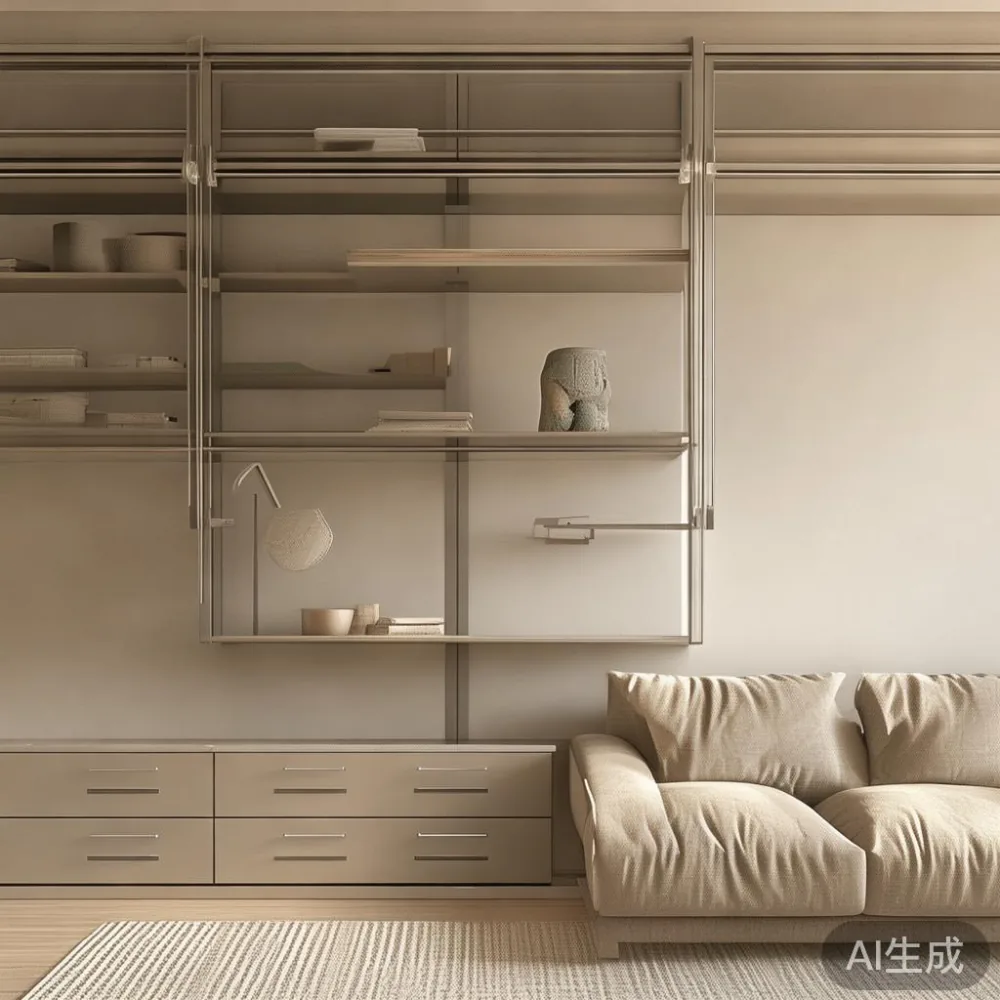
What are the key measurements to verify before ordering a sofa online?
The foundation of a successful online sofa purchase is precise measurement. This goes beyond simply noting the width and height. You must consider the depth, the armrest style, the clearance required for opening drawers or pull-out beds, and the weight for your HDB or condo lift. For instance, a standard three-seater sofa might be 200 cm wide, but a deep, chaise lounge model could extend to 230 cm, which might overwhelm a smaller living space in a Bedok flat. The seat depth is another critical number; a 55 cm depth offers a classic, upright posture, while a 65 cm depth provides a more relaxed, lounging feel. You should also measure the height of the sofa back to ensure it won't block a window or feel imposing in a room with low ceilings, common in older HDB blocks. Don't forget the height from the floor to the seat, typically around 45 cm, as this affects ease of getting on and off. For those with mobility concerns, this number becomes even more important. Finally, the weight of the sofa, often between 40 kg to 80 kg for a standard fabric or leather piece, is a key factor for working through your condo's lift and corridor, especially if you live on a higher floor.
How does the material and construction quality affect a sofa you can't test?
When you can't physically experience the sofa, the quality of its materials and construction becomes your primary guide to its longevity and comfort. A solid wood sofa frame, for example, is a clear indicator of durability. Look for descriptions mentioning hardwoods like oak, rubberwood, or beech, which are known for their strength and resistance to warping. Cheaper options might use particleboard or MDF, which can sag over time. The suspension system is another invisible but important component. A high-quality sofa will feature either a sinuous spring system (heavy-gauge, S-shaped wires) or a system of individual pocket springs, much like a mattress. Both provide excellent support and prevent sagging. The cushion filling is where you'll find the most variation. High-resilience foam offers firm support, while memory foam provides a sinking, contouring feel. A mix of the two, often with a layer of feather or down topper, creates a balanced, luxurious feel. The upholstery fabric's durability is measured in double rubs (a standard test for abrasion resistance). For a family home, a fabric with 30,000+ double rubs is recommended, while a more delicate linen might be better for a formal living room. Understanding these components allows you to build a mental picture of the sofa's feel and performance long before it arrives at your doorstep.
Can I really trust online images and videos to represent the sofa?
While online images are a starting point, they can be deceiving. Professional photography uses specific lighting, angles, and sometimes even props to make a sofa appear larger, more luxurious, or a different colour than it is in reality. The lighting can alter the perceived hue of a fabric, making a warm grey look cool-toned or a beige look yellow. To get a more accurate representation, look for videos. A 360-degree video is invaluable as it shows the sofa from all angles, revealing its true shape and proportions. Pay close attention to the scale of the room in the background. If a massive sofa is placed in a vast, empty loft, it might look smaller than it actually is. Conversely, a sofa crammed into a tiny photo booth might appear larger than it is. My colleague, Sarah, who lives in a Punggol apartment, learned this the hard way last month. She ordered a sofa based on stunning lifestyle photos, only to find it was a much lighter, almost greyish taupe in person, not the warm beige she expected. She advises always requesting a fabric swatch if possible, as it provides the most accurate colour and texture reference you can get without seeing the physical product.
What about the delivery and assembly process in Singapore?
For Singaporean homeowners, the delivery and assembly process is a logistical puzzle that requires careful planning. The first step is confirming the delivery dimensions, which are often larger than the sofa's final assembled size. A sofa might be 220 cm long when assembled but come in a box that is 240 cm long due to the way the frame is packaged. You must measure your lift, your corridor, and even the elevator door width in your condo. Many older HDB blocks have lifts that are 110 cm wide, which can be a tight fit for a standard sofa box. If your lift is too small, be prepared for a 'manual carry' up the stairs, which incurs additional fees and requires more manpower. The delivery timeline is another key number. While mainland China to Singapore shipping can take 15 to 25 days, local delivery within the island is usually faster, often within 3 to 7 business days after the sofa arrives at the local warehouse. Assembly is typically straightforward for most flat-pack sofas, involving just attaching the legs. However, some larger or more complex designs might require two people. You should also consider the cost of delivery. While many brands offer free shipping over a certain amount, for a sofa, this threshold is often higher than SGD 350. Be prepared for potential delivery fees ranging from SGD 50 to SGD 150, especially if you require a specific delivery time or a white-glove service that includes assembly and removal of packaging.
How does a sofa purchase relate to other home furnishing decisions?
Choosing a sofa is rarely an isolated decision; it is part of a larger ecosystem of furniture that defines your home's style and functionality. The aesthetic of your new sofa should complement your existing pieces. If you have a solid wood dining table and marble table in your dining area, you might want a sofa with similar clean lines and natural materials to create a cohesive look throughout your home. This is where the concept of 'light luxury' comes into play. A French light luxury sofa, with its elegant curves and soft upholstery, can beautifully anchor a living room, while a post-modern light luxury bed frame in the bedroom can create a sophisticated and unified design narrative. Your choice of sofa also impacts your other furniture. A large, deep sofa might necessitate a smaller coffee table or nightstand to avoid overcrowding the space. Conversely, a minimalist sofa might allow for a more substantial marble table as a focal point. The entire home's wardrobe organization can also be influenced by the style of your main living area. A cohesive aesthetic, from the living room sofa to the bedroom wardrobe, creates a sense of harmony. For example, if you opt for a 'how to style European sofa in apartment' guide that focuses on clean lines and neutral tones, your wardrobe organization system might also benefit from minimalist, handle-less designs for a smooth flow.
Is a warranty and return policy really important for an online purchase?
Absolutely. When you buy a sofa without sitting on it, the warranty and return policy are your primary safety nets. A structural warranty protects you against manufacturing defects in the frame, such as sagging or cracking. A 10-year structural warranty, for instance, provides significant peace of mind, indicating the manufacturer's confidence in their product's durability. Similarly, a lifetime refinishing or reupholstery warranty is a sign of quality, as it suggests the materials are meant to last and can be refreshed over time. The return policy is equally critical. A 14-day return window gives you a reasonable amount of time to inspect the sofa in your home. You should check the policy's fine print: does it cover the cost of return shipping? Is there a restocking fee? For a large item like a sofa, return shipping can be prohibitively expensive, so a 'try-at-home' policy is the most favourable. Some companies, like MIDHILL, offer a 10-year structural warranty and a lifetime refinishing service, which mitigates some of the risks of buying online. Knowing that you have recourse if the product is not as described or if it arrives damaged is important for making a confident, high-value purchase online.
What should I consider for the long-term maintenance of my new sofa?
Purchasing a sofa is a long-term commitment, and its maintenance requirements should be factored into your decision. The type of upholstery dictates the care needed. Fabric sofas may require professional cleaning every 1 to 2 years, depending on usage and the specific fabric's care instructions. Leather sofas need conditioning every 6 to 12 months to prevent cracking and maintain their suppleness. Solid wood sofa frames also require care; they should be dusted regularly and polished with a suitable wood conditioner once or twice a year to prevent drying out. Consider your lifestyle. If you have children or pets, a more stain-resistant fabric or a durable, easy-to-clean leather might be a more practical choice than a delicate linen or velvet. The location of the sofa also matters. A sofa placed directly under an air-conditioning vent may dry out more quickly, requiring more frequent leather conditioning. These long-term considerations are part of the total cost of ownership and should influence your choice, ensuring your new sofa remains a beautiful and functional part of your home for years to come, complementing your other furniture like a dining table or wardrobe.
How do I match my sofa to my Singapore home's specific layout?
Singapore's unique living spaces, from compact HDB flats to sprawling condos, require a tailored approach to sofa selection. For a smaller HDB flat, a loveseat or a two-seater sofa might be the most practical choice, measuring around 150 cm to 180 cm in width. This leaves more space for movement and other furniture. In a condo living room, you might have the space for a larger sectional. However, you must be mindful of the placement. A sectional can define the living area and create a cozy nook, but it can also make the space feel smaller if not planned correctly. The orientation is also key. Placing the sofa against a long wall maximizes floor space, while placing it perpendicular to a wall can create a more intimate conversation area. For those with open-plan kitchen-living areas, a sofa with a low back or no back at all might be preferable to maintain sightlines and a sense of spaciousness. The style of your home should also guide your choice. A Tampines resale flat with a more traditional aesthetic might suit a classic, rolled-arm sofa, while a new Punggol build with a modern design might call for a streamlined, angular piece. Your choice should also consider the other elements in your home, such as your 'Rustic for dining room' table or a 'light luxury bed vs Japandi bed' decision in the master bedroom, to ensure a harmonious design.
What are the latest trends in sofa design for Singaporean homes?
The world of sofa design is constantly evolving, and staying informed about current trends can help you choose a piece that feels both modern and timeless. One prominent trend is the rise of 'luxury Modern light luxury furniture', which emphasizes clean lines, high-quality materials, and a sense of understated opulence. This style often incorporates features like tailored upholstery, slim metal legs, and a focus on texture—think boucle fabric, smooth leather, or rich velvet. Another trend is the modular sofa system, which offers incredible flexibility. These sofas consist of individual sections that can be rearranged to fit different spaces or to change the layout of your living room as your needs evolve. This is particularly appealing for Singaporeans who may move homes or reconfigure their living spaces frequently. Neutral colour palettes remain popular, with shades of grey, beige, and cream providing a versatile backdrop for any decor. However, there is also a growing trend towards incorporating bolder colours and patterns as accent pieces, such as a deep blue or forest green sofa that serves as a room's focal point. The 'best French provincial furniture' aesthetic is also making a comeback, offering a more ornate and romantic alternative to the minimalist look. For those looking ahead, the 'best French wardrobe for 2026' might inspire a sofa design with similarly elegant proportions and classic detailing, blending timeless French elegance with modern comfort.