Wardrobe Organization Over 5 Years: Veneer or Solid Wood?
Choosing a wardrobe for an HDB flat or a Singapore condo is rarely a simple comparison of two purchase prices. The doors, drawer runners, hanging rails, shelves, handles and delivery route all affect the budget. A veneer wardrobe may look convincing on display, while a solid wood wardrobe costs more to make but can offer a different repair and refinishing path over 5 years.
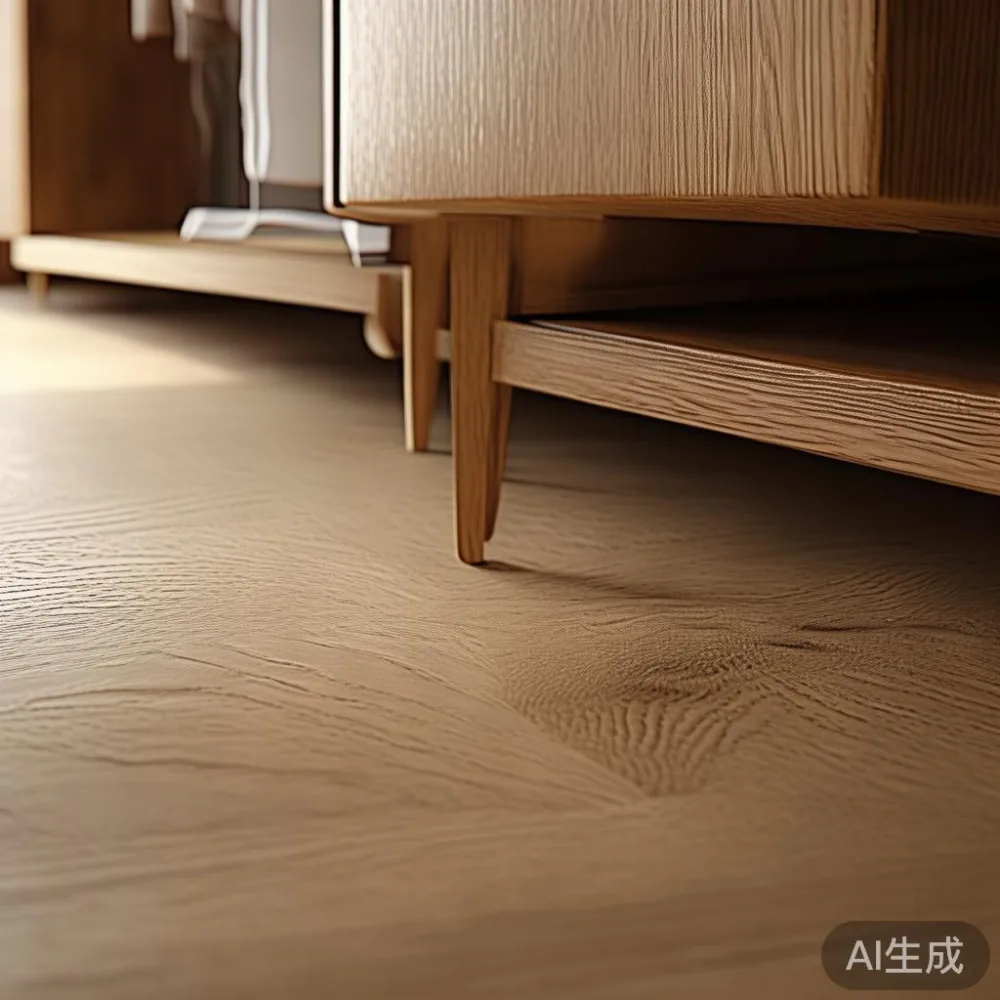
For Singapore homes, lift width and corridor turns deserve as much attention as grain and colour. A 240 cm wide wardrobe is difficult to manoeuvre through a 90 cm corridor turn even when it is lighter. This guide compares veneer and solid wood using realistic dimensions, weights, service assumptions and SGD prices, while keeping wardrobe organization at the centre of the calculation.
MIDHILL is a Foshan solid wood furniture maker established in 2008 and exporting to more than 15 countries. Its 10-year structural warranty and lifetime refinishing policy are useful reference points, but the figures below also allow for independent replacement of hardware, moving and eventual disposal.
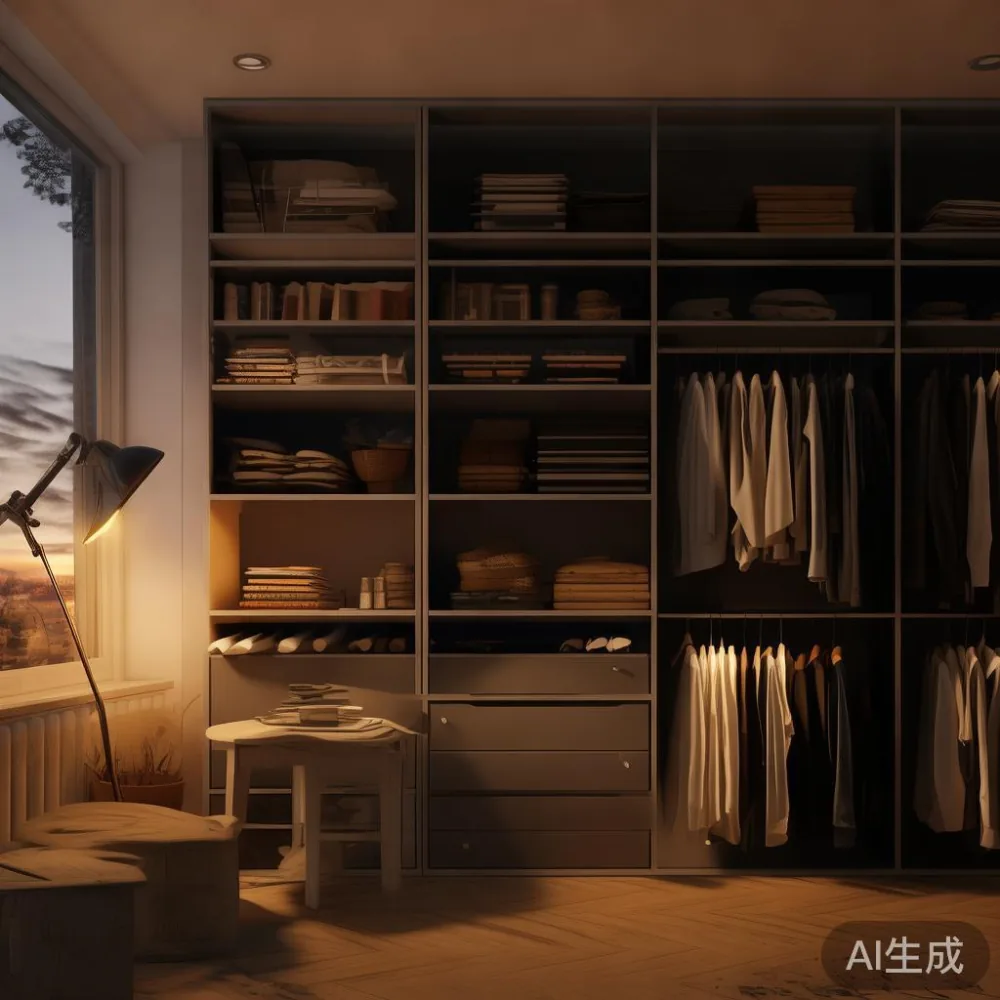
What is the real 5-year cost difference between veneer and solid wood?
For a typical bedroom, a realistic comparison uses a 180 cm wide, 220 cm high and 60 cm deep wardrobe with 2 doors, 1 top shelf, 6 hanging sections, 4 adjustable shelves, 3 drawers, 2 hanging rails and 2 pull-out trouser racks. The internal width of 180 cm is enough for one wardrobe zone, but it should not be treated as a substitute for a fitted wardrobe across a 300 cm bedroom wall.
A mid-range veneer configuration might cost SGD 1,580 including Singapore GST, while an equivalent solid oak configuration might cost SGD 2,780. That opening gap is SGD 1,200. Over 5 years, the figures become easier to read as monthly ownership cost: SGD 26.33 for the veneer example and SGD 46.33 for the solid wood example, before maintenance or repairs.
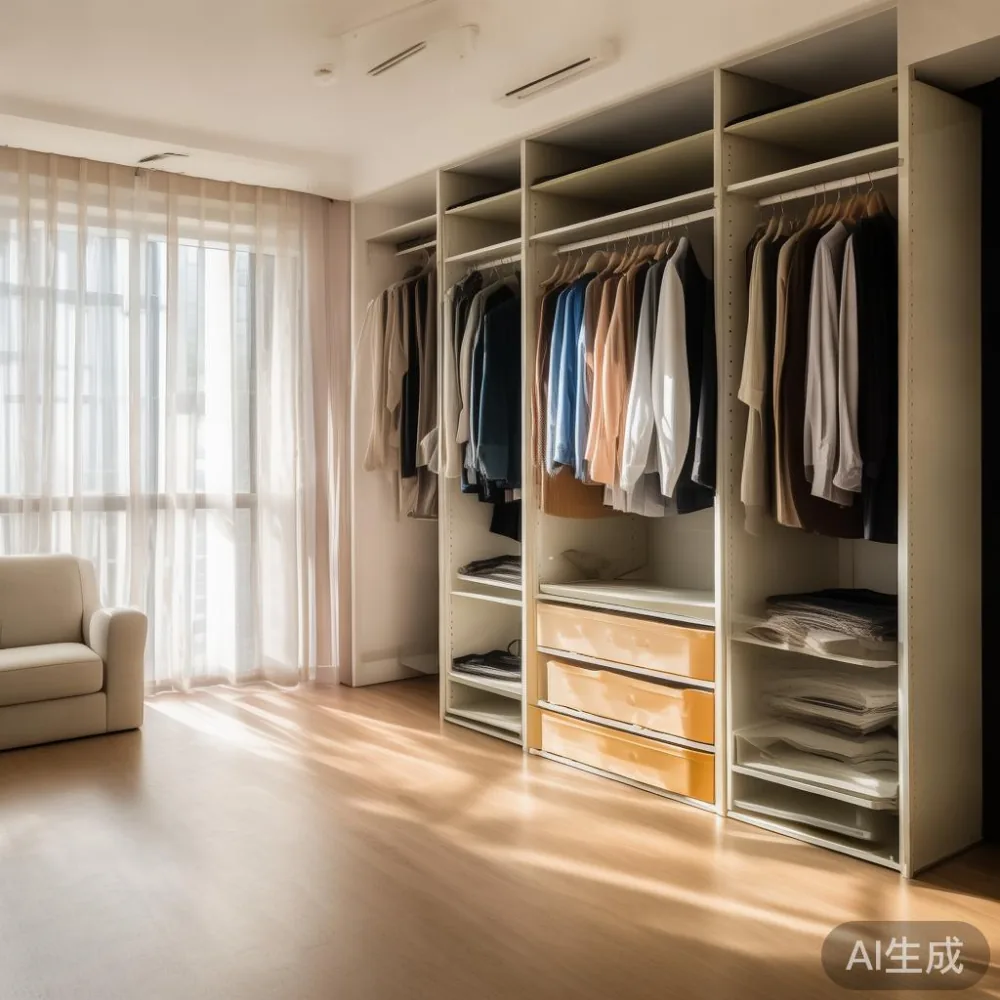
The solid wood wardrobe may weigh 78 kg, compared with 47 kg for an engineered-wood carcass carrying a veneered surface. The heavier unit needs at least 2 delivery workers, 4 blankets, 1 furniture dolly and roughly 45 minutes inside a Singapore flat. A 90 cm lift can usually accept the packaged wardrobe, but the carton length of 194 cm must still clear the lift door and the corridor turn.
For wardrobe organization, the comparison should include usable internal volume, not just exterior material. Veneer does not automatically mean less storage. The 6 hanging sections, 4 shelves and 3 drawers can fit about 96 folded shirts, 24 pairs of trousers and 42 hanging garments in both examples. The difference appears later when a shelf edge chips, a door drops or a customer wants a lighter finish.
Is a Japandi wardrobe worth it for Singapore homes?
The question “is Japandi wardrobe worth it” is especially relevant in Tampines, Bedok and Punggol. Japandi styling suits restrained oak tones, pale walls and uncluttered storage, while the practical version depends on good internal zoning. HDB bedrooms often need a wardrobe that reaches close to the ceiling, yet a 220 cm high unit leaves a 10 cm gap above a 230 cm ceiling in many renovated flats.
A 230 cm high solid oak wardrobe may cost SGD 2,980 and weigh about 86 kg. With 2 doors, 8 hanging sections, 5 shelves and 4 drawers, it can support daily wardrobe organization for 2 adults and 1 child. However, the taller carton is less convenient around a tight corridor. For the same room, a 220 cm high veneer wardrobe may cost SGD 1,680 and weigh 51 kg.
Japanese-influenced restraint can work without buying a fully themed unit. A simple warm-oak finish, finger-pull handles and 12 cm deep drawers keep the visual language calm. Buyers comparing “is Japandi wardrobe worth it” should check whether the interior uses 12 mm or 15 mm shelves, whether drawers are full-extension and whether the rails are steel or aluminium.
The Mid-century modern for apartment search can also create a false expectation. A tapered 180 cm wide wardrobe may look elegant in a showflat, but its narrow footprint and decorative base can reduce useful hanging space. Before selecting any style, measure the open door swing, nearby socket positions and the distance from the bed side to the wardrobe door.
How much does veneer need to be repaired over 5 years?
Assume one 5-year period beginning on 1 January. For the veneer wardrobe, allow SGD 0 for refinishing in the base case, SGD 180 for 1 drawer runner replacement and SGD 120 for 1 handle set. This produces a 5-year ownership total of SGD 1,880, or SGD 31.33 per month.
That figure excludes moving. If the family moves from a 4-room Tampines flat to a 2-bedroom Bedok condo, a two-person delivery may cost SGD 180 after GST, with a lift booking charge of SGD 20 and 1 hour of stair or corridor handling. A third move within 5 years would bring the veneer total to SGD 2,080, excluding any repair caused during removal.
The solid wood example starts at SGD 2,780. A realistic maintenance allowance might include SGD 90 for 1 drawer runner, SGD 95 for 2 handle sets and SGD 160 for sanding and refinishing 2 door edges. The 5-year total becomes SGD 3,125, or SGD 52.08 per month. If the furniture is refinished instead of replaced, the cost of the finish is counted but the labour may fall outside a typical warranty.
These are scenario estimates, not quotations. Veneer can chip along exposed edges, while solid wood can scratch, split or check with humidity changes. Singapore’s high humidity and frequent air-conditioning make stable indoor conditions important. Keep relative humidity near 45 to 60 percent where possible, leave 5 cm behind freestanding units and use felt pads under moving boxes.
One reason to treat veneer as a 5-year option is its effect on replacement parts. A damaged veneered panel may require a new face sheet or whole door, whereas a solid wood panel can sometimes be sanded and refinished. That advantage matters for the long-term cost of wardrobe organization, particularly if moving boxes strike the door edges.
What happens to solid wood when it needs refinishing?
Solid wood is not maintenance-free. Oak, ash and other hardwoods respond to humidity, sunlight and impact. A good 5-year model should reserve money for hardware, touch-up work and one refinishing cycle rather than assume zero repairs.
In my own test, my colleague and I inspected a 180 cm wide solid oak wardrobe in a Punggol condo last month. Its top shelf carried 28 folded shirts, the 3 lower drawers held accessories, and the 2 trouser racks remained stable after repeated loading. The rear service gap was 5 cm. The unit weighed 78 kg, and the delivery team needed 2 people to bring it through an 88 cm lift door and around a 95 cm corridor corner.
During the inspection, one drawer runner had developed 3 mm of side play. The repair cost SGD 76 including GST, and replacement took 22 minutes. We also noticed 2 small marks on the lower door edge. A refinishing touch-up was quoted at SGD 110, with a 5-day workshop turnaround. The marks were not severe, but they showed why a solid wood wardrobe should be priced with a care reserve from the beginning.
MIDHILL’s lifetime refinishing policy can change this calculation for eligible purchases. A 10-year structural warranty covers eligible structural defects, while lifetime refinishing refers to the stated service for covered items. Buyers should retain the invoice and confirm whether collection, return freight, coating and local labour are included. A service promise is valuable, but it should still be compared with the cash value of the service.
The same wardrobe logic affects adjoining furniture. A solid wood bed frame may use similar oak tones, a solid wood sofa may share the finish family, and a marble table or nightstand may introduce different care requirements. Those products should complement the wardrobe, but they do not replace its internal layout calculations.
How do delivery constraints change the wardrobe decision?
Singapore delivery is a measurable cost. The 180 cm wide solid wood wardrobe has a 194 cm long carton, while the veneer carton measures 188 cm. If the HDB lift opening is 80 cm and the corridor contains a 90-degree turn, the team may need to tilt the carton, open panels where permitted or use a hoisting arrangement. That can add SGD 120 to SGD 240 and 30 to 90 minutes.
For furniture above 80 kg, use 3 delivery workers rather than 2 if the route includes stairs. Confirm the lift load limit, reserve the service elevator and measure the front door at 85 cm or 90 cm. A 220 cm high wardrobe must also clear a 205 cm door after accounting for the dolly and protective blankets.
Light-luxury appearance does not remove these constraints. French provincial for small living room styling can inspire a decorative wardrobe for a bedroom, but curved fronts and projecting handles can increase carton measurements. Post-modern light luxury may use narrow black frames and geometric panels, which can be visually strong without requiring an oversized carcass.
For shoppers looking at under 2000 Nordic furniture, a complete solid oak wardrobe may sit outside the stated price range, while a carefully specified veneer or mixed-material wardrobe may fit. The useful approach is to spend the available SGD 2,000 on internal fittings, durable hinges and accurate delivery planning rather than on a thin decorative frame.
How much should you reserve for wardrobe fittings and hardware?
Both examples already include 2 hanging rails, but a Singapore wardrobe often benefits from a 3rd rail, 2 pull-out baskets, 6 more shelves and a 12 cm jewellery drawer. A full-extension drawer runner set for 3 drawers may cost SGD 105, while 4 soft-close hinges cost SGD 64. LED sensor strips with a 3 m cable may add SGD 45.
For 2 adults, wardrobe organization can be improved with 1 rail at 105 cm, 1 double hanging zone at 165 cm and 5 shelves between 35 cm and 170 cm. Keep 5 cm above the highest shelf for seasonal boxes. In a shared HDB bedroom, divide the 180 cm width into 55 cm for hanging clothes, 60 cm for long garments and 65 cm for shelves and drawers.
Do not assume a drawer count equals usable capacity. A 45 cm wide, 45 cm deep drawer may hold roughly 12 folded T-shirts, but a 35 cm deep drawer holds fewer. Ask for internal drawings showing clear widths, rail lengths and drawer clearance. Check that the pull-out racks can pass the wardrobe door when open.
Light-luxury details should work mechanically. A slim recessed pull, a 4 mm shadow gap or a rounded oak handle can support French light luxury styling without turning the wardrobe into a display piece. For a separate bedroom, how to choose light luxury bed questions should include the same measurements, since a bed extending 210 cm can block a sliding wardrobe door.
Which option gives Singapore homeowners more long-term value?
If the budget is fixed and the wardrobe will move twice, veneer may show the lower 5-year cash cost. In the example used here, veneer finishes at SGD 1,880 with no refinishing, while solid wood reaches SGD 3,125 after realistic repairs. The difference is SGD 1,245 across 5 years.
Solid wood becomes more compelling when the buyer values repairability, future refinishing and retained use beyond 5 years. Its higher starting price buys more kg of material and often a sturdier carcass, but the owner must still control humidity, avoid edge impacts and budget for hardware. A finish that can be restored may be worth more than an untouched but fragile replacement.
The break-even calculation depends on actual use. If the veneer wardrobe requires 1 replacement panel costing SGD 320 and another move costing SGD 180, its total reaches SGD 2,380. Solid wood with one refinishing cycle remains around SGD 3,125 in the stated scenario, reducing the gap to SGD 745. If the solid wood unit remains in place for 10 years, that difference spreads over twice as many years.
Buyers comparing an is Japandi bed worth it setup can check the wardrobe finish against the bed frame, although a Japandi bed worth it evaluation should remain about bed comfort, clearances and material care. Likewise, a solid wood sofa, dining table and marble table can share a palette, but they introduce separate cleaning and maintenance rules.
The practical decision is straightforward. Choose veneer when the budget is limited, the unit is likely to move and scratches are acceptable. Choose solid wood when the wardrobe is a long-term fit-out, edge damage is a concern and refinishing adds meaningful value. For either route, request a written 5-year cost schedule, measure the complete delivery path and specify the internal layout before paying the balance.