How to Match Solid Wood Furniture to a Warm Minimal Interior
A warm minimal interior is not an empty room. It is a carefully edited collection of useful pieces, warm materials, and enough breathing space for daily life. For Singapore homes, the practical challenge is balancing that calm appearance with compact storage, humid weather, and the physical dimensions of HDB flats and condos in Tampines, Bedok, and Punggol.
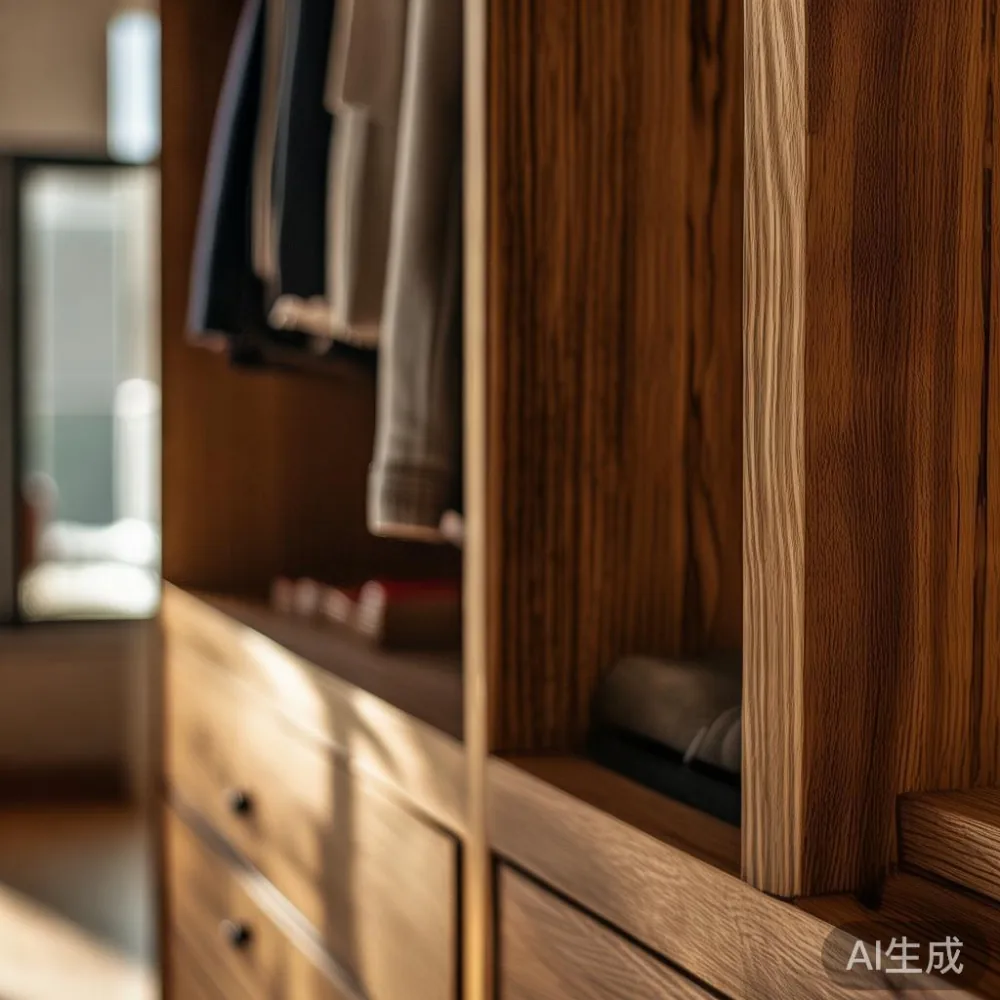
This guide focuses on wardrobe organization and the furniture that surrounds it: a solid wood sofa, bed frame, dining table, wardrobe, nightstand, and marble table. The aim is to make every piece feel deliberate without making the home look over-specified. Where measurements are given, treat them as planning dimensions rather than fixed specifications for every model.
What Defines a Warm Minimal Interior?
Warm minimalism combines restraint with tactile comfort. Pale walls, warm white lighting, uncluttered floors, and a limited material palette create the foundation. Solid oak, walnut, ash, and other suitable solid wood finishes bring grain and texture, while linen, cotton, matte metal, stone, and lightly tinted glass soften harder surfaces.
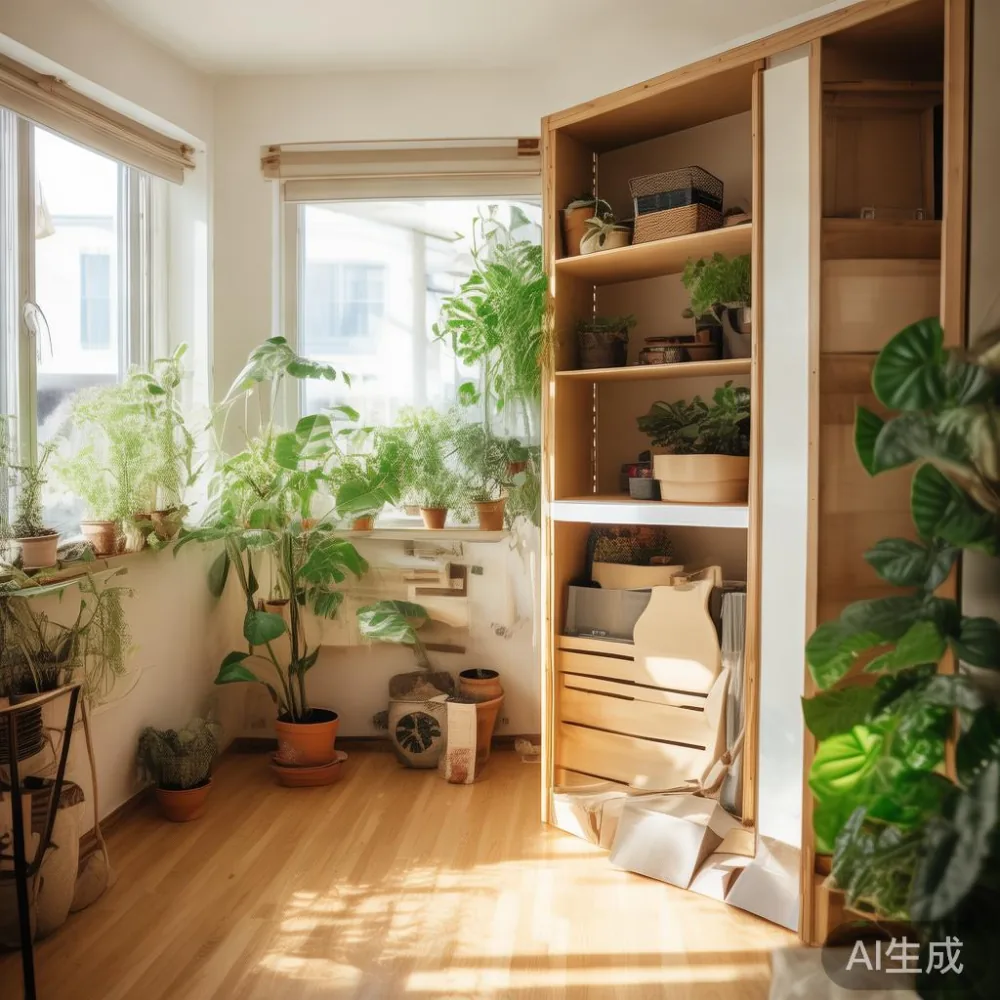
Begin with a palette of 3 colours: a light neutral, a mid-tone wood, and one darker accent. For example, warm white, honey oak, and charcoal hardware can work in a compact flat without visual heaviness. A room organised around closed storage will usually feel calmer than one relying on numerous open shelves.
The scale should suit the architecture. In many HDB living rooms, a sofa width of 180–220 cm can seat 2–3 people while leaving a practical 75–90 cm circulation route. A dining table of 120–140 cm offers useful space for 4 diners in a narrower home; allow at least 75 cm between its edge and a wall or major obstacle where possible.
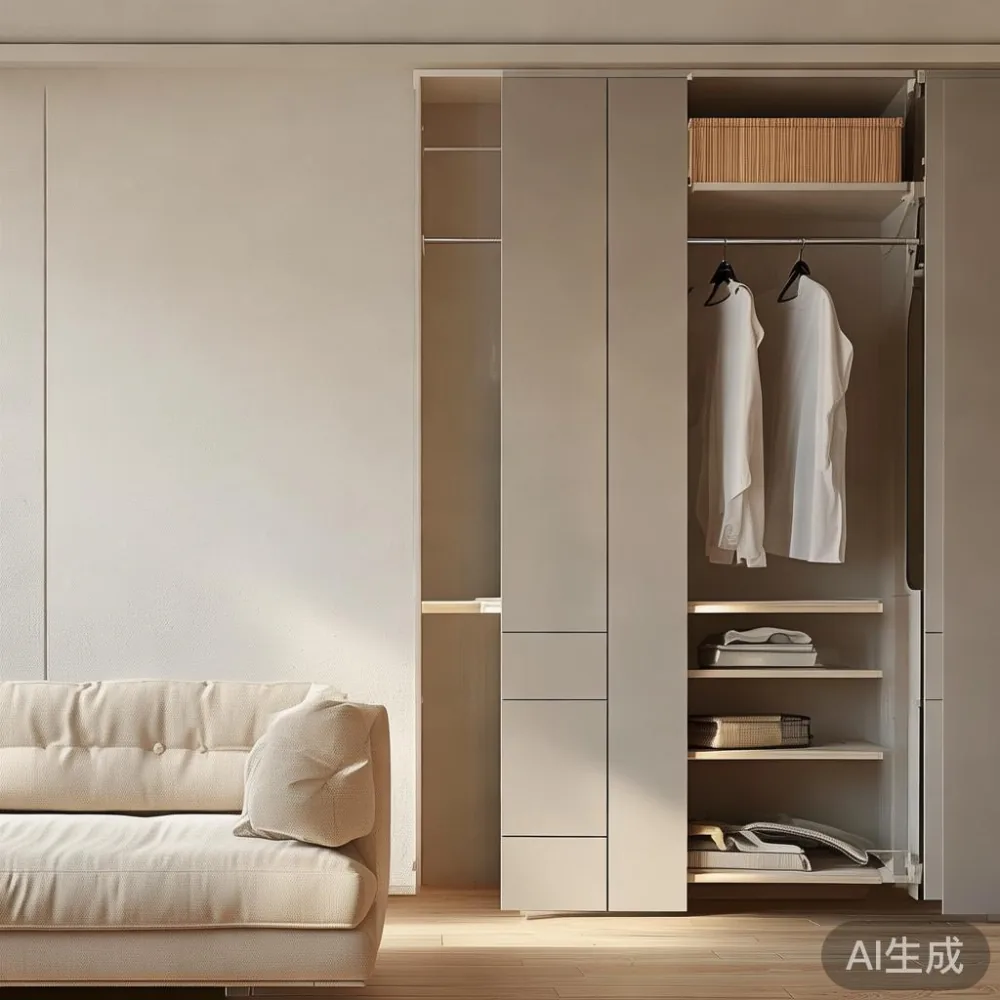
For local conditions, choose finishes that can tolerate humidity and be wiped clean. Maintain about 50–60 cm between tall furniture and air-conditioning vents when possible. This helps reduce direct airflow while allowing furniture placement to remain practical.
How Do You Choose a Wardrobe That Fits Singapore Rooms?
The wardrobe is the main visual anchor in wardrobe organization because it often occupies an entire wall. Measure the room length, ceiling height, skirting, pipes, sockets, and lift-door dimensions before selecting a configuration. A wall that appears to be 250 cm wide may offer only 238 cm after skirting and service gaps.
Internal layouts deserve as much attention as the exterior. A 180 cm-wide wardrobe can work with 2 hanging sections and a central drawer bank, while a 90 cm-wide unit may suit one hanging section, shelves, and a slim drawer column. Hanging space for shirts and folded garments is commonly 100–140 cm; double-hanging sections need approximately 100–120 cm of drop. These figures should be checked against the garments in use.
For wardrobe organization in Bedok or Tampines HDB flats, full-height cabinetry can exploit vertical space, but its doors must still open safely. Slide or folding doors can suit tight bedroom layouts. Hinged doors need an unobstructed swing of roughly 90–110 cm in front of the unit, so they are less convenient where a bed sits close to the wardrobe.
Singapore delivery access deserves early attention. Older HDB corridors may be around 120–150 cm wide, and some apartment lifts have internal dimensions near 100 cm deep by 140 cm wide. A flat-packed wardrobe may pass more easily, whereas a fully assembled carcass could not. Record the lift-door width, lift-car dimensions, turning points, corridor width, and staircase clearance before ordering.
MIDHILL offers a 10-year structural warranty and lifetime refinishing, which can make a solid wood wardrobe easier to maintain over time. Confirm the finish and care terms for the exact product, and ask for the packaged dimensions rather than assuming the assembled unit will fit.
Which Wood and Finish Should Pair with Warm Minimalism?
Oak suits a clean, light interior, while walnut creates more contrast and warmth. Ash has a lively grain that works with Scandinavian-influenced rooms. A very yellow finish can overpower soft whites, so request physical samples or clear photographs under neutral daylight before deciding.
In a humid climate, solid wood furniture should be protected from standing water and rapid moisture changes. Use a stable indoor environment, clean spills promptly, and avoid placing a wardrobe against an unventilated bathroom wall. For a bedroom beside a bathroom, leave an air gap of at least 5–10 cm where construction allows.
Hardware should be restrained but comfortable to use. Slim pulls, recessed handles, and soft-close hinges support the minimal look. Warm brass or brushed bronze can add gentle richness; matte black may look sharper against pale oak. Keep handle finishes consistent across the wardrobe, nightstand, dining table, and marble table where they appear in the same sightline.
The term light luxury here means careful proportion, tactile quality, and enduring construction rather than oversized decoration. American light luxury often suggests generous comfort and broad profiles; post-modern light luxury can introduce one sculptural detail; French light luxury is more likely to use refined curves, tactile upholstery, and balanced ornament. A warm minimal home can borrow one small idea from each without becoming visually busy.
How Do a Bed Frame, Nightstand, and Marble Table Complete the Room?
The bed frame should establish the bedroom’s central volume. Common sizes for Singapore bedrooms include a queen bed at 150 × 200 cm and a king bed at 180 × 200 cm. Leave 60–75 cm along one side for drawers or a nightstand, and ideally 75–90 cm along both sides where space permits.
A low solid wood bed frame can make a compact room appear more open, but it must still allow practical storage. A hydraulic lift under the mattress provides useful storage for seasonal bedding; check the mattress thickness, frame clearance, and lifting weight before purchase. An upholstered headboard can soften timber, although its fabric should be selected for easy cleaning in humid conditions.
For a nightstand, aim for a height close to the mattress surface, usually within 5–10 cm. A width of 35–50 cm can hold a lamp, phone, glass of water, and charging cable without crowding the bedside. In wardrobe organization, keep one tray inside the unit for daily items such as keys, medication, glasses, and chargers, so the nightstand stays visually quiet.
A marble table works well as a small round side table because a 45–55 cm diameter top can soften a square bed corner. Marble is porous to staining depending on its treatment, so use a coaster and wipe acidic liquids promptly. Keep the marble table below 50–55 cm high beside the bed to avoid visual disproportion.
If the bedroom also serves as a study, a compact desk may be needed, but it should remain visually subordinate to the bed and wardrobe. A 100–120 cm desk with a 55–60 cm depth can accommodate a laptop and writing space. Use one cable tray and keep visible wires limited, supporting both wardrobe organization and the calm appearance of the room.
How Should a Solid Wood Sofa and Dining Table Fit into the Layout?
The solid wood sofa is usually the largest element in a living room. A 2-seat model around 160–190 cm can suit an HDB living room, while a 3-seat model around 200–230 cm offers more space for family use. Measure the lift and corridor before choosing an assembled or large-format design.
Keep 35–45 cm between the sofa and coffee table for reach and circulation, and at least 75–90 cm between the sofa and television console or opposing wall. For Japanese sofa vs Nordic sofa, a Japanese approach is generally lower and more compact, while Nordic seating often has visibly generous proportions and a relaxed silhouette. The right choice depends on clearances, not only style labels.
Some readers searching for best Vintage sofa for 2026 are really looking for a characterful piece that will age gracefully. A solid timber frame with replaceable seat cushion can satisfy that brief better than a heavily distressed finish that may not suit every local home. Ask about cushion covers, foam density, frame joints, and upholstery care before purchasing.
For under 2000 Post-modern furniture, focus on one expressive feature: a shaped base, an unusual table profile, or a sculptural lamp. The room does not need several statement pieces. When comparing under 2000 Post-modern furniture options, also consider the delivery pathway, assembly needs, and whether replacement parts are available.
A dining table should relate comfortably to the solid wood sofa rather than compete with it. In an open-plan HDB flat, match the timber tone or repeat the material rather than introducing an unrelated colour. A 120 × 70 cm table can seat 4 compactly, while 140 × 80 cm gives more elbow room for daily meals. Allow 90 cm around the table where circulation is important.
A local practical rule is to order the large pieces before finalising curtains and rugs. After the sofa, wardrobe, bed frame, and dining table are placed, add the nightstand and marble table as finishing layers. This sequence prevents a polished room from becoming crowded after delivery.
How Do You Organise a Wardrobe Without Making It Look Full?
Effective wardrobe organization begins with sorting, not cabinetry. Group garments by frequency of use, then remove items that have not been worn in 12–24 months. This reduces the pressure to buy more storage. Clean the wardrobe interior before mapping the new layout.
Use vertical zones. Place frequently worn clothing between eye and waist level, approximately 80–150 cm from the floor. Reserve the upper shelves for occasional items and lower drawers for underwear, folded knitwear, or accessories. For long coats or dresses, dedicate a 140–160 cm hanging section.
Folding methods can save space, but the approach should suit the fabric. Roll soft knitwear to reduce compression and avoid deep folds in structured shirts. Keep a small number of categories in labelled boxes, with each label around 10–15 cm wide so the contents remain readable. Transparent drawers can reveal organisation without making the interior look cluttered.
For Japanese for small living room considerations, the same restraint can be translated into bedroom storage: concealed compartments, limited open shelving, and compact accessory storage. A narrow pull-out rail can hold jewellery, while a valet rod near the wardrobe entrance keeps frequently used pieces accessible. A full-length mirror mounted on the door can reduce the need for a separate floor mirror.
Light luxury is easiest to maintain when storage is integrated and the contents are edited. A tray, tray-like insert, and matching boxes provide a composed appearance, while a folded fabric basket can work in a child’s room. Replace handles and hinges as needed rather than allowing small failures to undermine daily use.
What Should You Check Before Delivery and Installation?
Create a measurement sheet before placing an order. Record the room dimensions, skirting depth, door or lift access, corridor turns, and assembly space. For a condo, include the parking route and any lobby restrictions. For an HDB flat, check whether the delivery date coincides with a reserved parking period or a particularly narrow move-in window.
Compare the product’s largest packaged dimension with the lift door and corridor. If the package can enter but cannot turn, the delivery may still fail. A 2-person delivery team may be necessary for a wardrobe or dining table, and stairs can add time. Ask whether delivery includes carrying to the door, unpacking, assembly, or placement inside the room.
MIDHILL provides free shipping for orders above US$350, although the amount is stated in US dollars while Singapore customers should check the local payment quotation in SGD. Prices, delivery charges, and GST should be confirmed before checkout. Singapore’s prevailing GST is 9%, and a business importing goods may also face freight or administrative costs reflected in the final quotation.
Typical delivery timelines can range from 14–30 production days plus transit, depending on the item and destination. A made-to-order wardrobe may take longer than an in-stock accessory. Keep 7–14 days of flexibility around major holidays and renovation schedules. The company’s 14-day returns policy should also be reviewed against the condition of the product and any custom dimensions.
Before accepting a wardrobe, inspect the doors, drawer runners, hinges, finish, and corners. Check that every panel is present and that assembly instructions are included. For a bed frame, test the centre support and movement. For a solid wood sofa, sit on every seat and inspect the joints. For a dining table, confirm that it is level on the floor.
Use a protective mat under furniture during movement. Lift where possible rather than dragging a solid wood frame, and keep stone tabletop components away from impact. Photograph the delivered condition before assembly, especially for visible packaging or transport marks.
How Can You Create Warmth Without Cluttering the Room?
Warmth comes from texture and light as much as colour. Linen curtains, a wool or cotton throw, woven baskets, and matte ceramics provide tactility without adding visual noise. A warm-white lamp at around 2700–3000K is comfortable in the bedroom, while a living room may use 3000–3500K for a slightly clearer task light.
Keep decorative quantities deliberate: 1 tray on the nightstand, 1 central bowl on the dining table, and 2–3 small objects on the marble table are usually enough. If the wardrobe has open sections, display only a few coordinated pieces and leave at least 30% of each shelf visibly empty.
For a guest room, French for guest room styling can mean a serene composition rather than a highly ornate one. A neatly made bed, one framed print, a small lamp, and concealed storage are enough. If a guest room doubles as a home office, a 40 cm wall shelf can hold a few books without crowding the desk.
A coherent plan may also include a solid wood dining table with simple chairs, a lower solid wood sofa, a restrained bed frame, and a marble table placed near the seating. The exact mix is less important than consistent scale, timber tone, and circulation. In compact Singapore homes, the real test is whether the furniture can be delivered, moved, cleaned, and used comfortably every day.
Warm minimalism succeeds when the room feels easy to maintain. Store daily objects inside the wardrobe, keep visible collections small, and allow each material to retain its natural character. That balance between practical storage and composed light luxury gives a home character without excess.
For model specifications and current quotations, MIDHILL’s product platform can be checked at api.midhill.co. Review the final dimensions, finish sample, warranty document, delivery terms, and GST-inclusive price in SGD before confirming the order.