Wardrobe Organization: Decode Furniture Warranties in Singapore
Most furniture warranties are designed to reassure buyers, but the fine print can still leave costly surprises. For wardrobes in Singapore, the differences may involve 10 cm of clearance, a 5 mm gap, damaged lift doors, unfinished timber, or parts that the supplier considers outside its scope. A warranty is useful only when you understand what is covered, what is excluded, and how a claim must be handled.
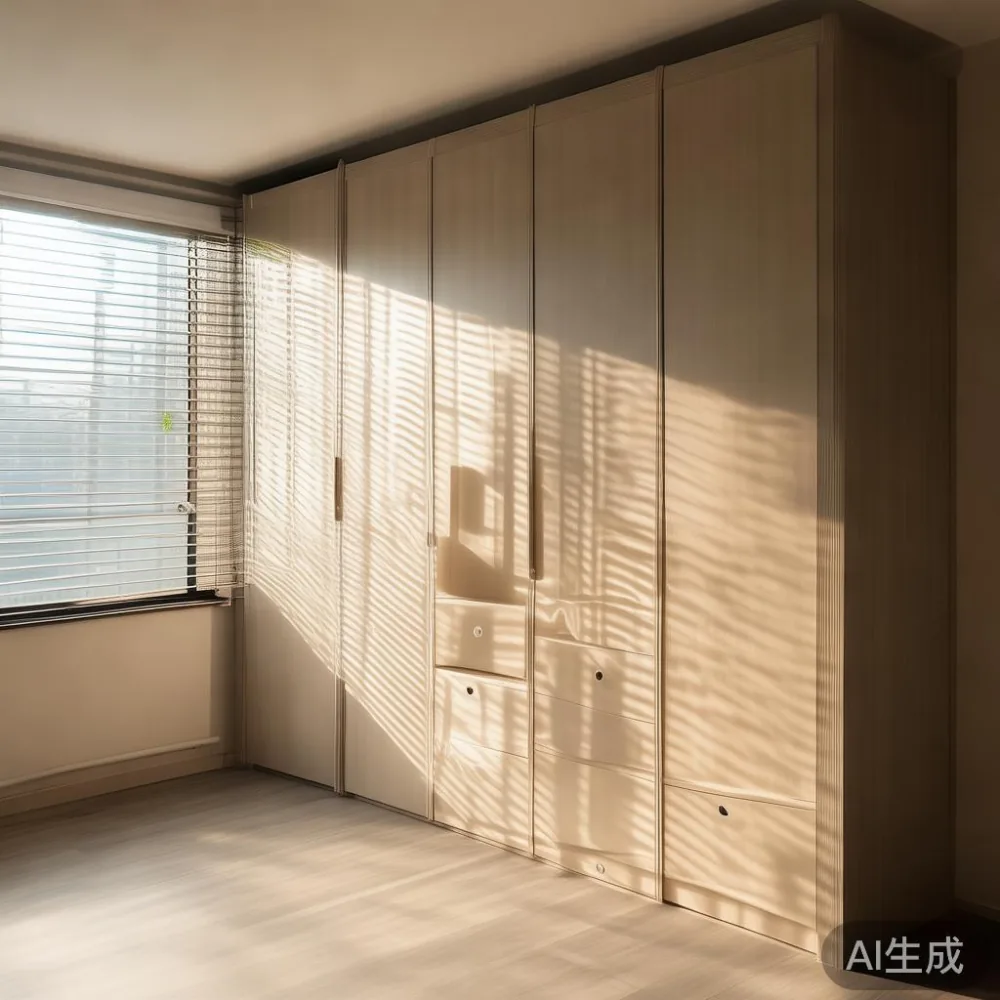
I learned this after visiting a colleague’s new HDB flat in Tampines last month. His 220 cm wardrobe had a 3 mm door misalignment, and the retailer said the adjustment was not covered because the doors had been “installed independently.” The panels were structurally sound; the problem was the handover process. A clear warranty checklist would have identified it before the delivery team left.
This guide focuses on wardrobe organization: reading the terms before ordering, checking measurements and materials, and documenting delivery and installation. It also explains how to compare a 10-year structural warranty with shorter coverage for hardware, finishes, and moving parts.

What should a solid wood wardrobe warranty cover?
A useful wardrobe warranty should state the coverage period, the affected parts, and the remedy in ordinary language. A 10-year structural warranty, for example, may cover cracking, splitting, and joint failure in the solid wood frame. It may not cover surface scratches, ordinary colour changes, or hinges that loosen after several years of use.
Look for named components rather than a vague promise to repair “manufacturing defects.” The terms should distinguish the carcass, doors, drawers, shelves, handles, hinges, drawer runners, and finish. For a wardrobe, this precision matters because timber, metal hardware, and finishing materials fail in different ways.

Check whether the warranty covers the complete wardrobe or only selected parts. A product described as a solid wood wardrobe may combine solid timber panels with plywood backing, MDF drawers, metal rails, and a lacquered surface. The warranty should clarify which material belongs to which component.
Also confirm whether the period starts at purchase, manufacture, or delivery. A 10-year warranty is meaningful only if the start date is defined. Photograph the invoice, order number, product dimensions, and finish at handover. If the wardrobe is installed later, keep the installation date and installer’s details too.
French light luxury, American light luxury, and post-modern light luxury are styling directions, not warranty categories. Two wardrobes with similar silhouettes may have very different structural and surface coverage. Design language should never replace a written commitment.
What does “structural” mean—and what does it leave out?
A structural warranty usually concerns the load-bearing construction of a product. In a wardrobe, that can include the 18 mm side panels, top and bottom panels, fixed shelves, joints, and supporting frame. It does not automatically mean every visible part is defect-free for 10 years.
Read the exclusions carefully. Common exclusions include accidental damage, moisture exposure, insect activity, movement of the building, unauthorised modifications, improper installation, and “normal wear and tear.” Normal wear can include minor surface marks, fading, and small changes in wood tone. Solid timber reacts to humidity and light, so the same panel may look warmer in the morning and cooler at night.
Ask how the company defines a defect. If the door has warped by 4 mm, is that a structural failure, a finish failure, or an installation issue? If a drawer runner fails after 2 years, who pays? Written answers are more useful than assurances at the showroom.
For Singapore homes, environmental exposure deserves special attention. Wardrobes placed against an external wall in Bedok or Punggol may experience more humidity than units in an interior corridor. The warranty may require sensible care, such as maintaining 10–15 cm of ventilation space around tall storage furniture and avoiding direct contact with damp walls.
Check the finish terms as well. “Lifetime refinishing” sounds generous, but its scope may cover refinishing at a workshop, not collection, delivery, dismantling, or reinstallation across Singapore. A typical return journey for a 220 cm wardrobe may add SGD 80–SGD 250 to the service cost. Get the collection method and likely charges in writing.
Are delivery, installation, and lift access part of the warranty?
Delivery is not always treated as part of the product warranty. A separate service policy may cover failed delivery, visible damage on arrival, or incorrect items. Do not assume the 10-year structural warranty includes a second delivery trip if a wardrobe is scratched during the first.
Measure the route before ordering. A standard HDB lift may have a door width of about 80–90 cm and a cabin depth of 110–140 cm, though individual blocks vary. A 220 cm wardrobe may fit diagonally, while a 240 cm unit may not. Also check corridor turns, ceiling height, parking distance, and the lift’s weight limit.
Ask the supplier to confirm the packed dimensions, number of cartons, gross weight, and whether the wardrobe is delivered flat-packed or assembled. For a 6-door wardrobe, individual cartons may be 210 cm long and 25–35 kg each. An 8-door configuration might require 12 cartons with a combined weight near 260 kg. These figures affect both the delivery plan and the claims process.
Damage caused while carrying the product upstairs may fall under the delivery policy, while damage caused during your own installation may fall under the product warranty exclusions. The boundary must be explicit.
At handover, inspect all faces under good light. Run every drawer through its full travel and check that each door aligns within 2–3 mm. Look for chips larger than 5 mm, splits longer than 10 mm, dents, water marks, and mismatched finishes. Photograph the packed carton before opening it, because some delivery terms require concealed damage to be reported before unpacking.
How do GST, refunds, and replacement parts affect the claim?
Singapore prices should be stated clearly as including GST or excluding GST. A quoted SGD 2,480 before 9% GST becomes SGD 2,703.20 after tax. A warranty that replaces a panel but leaves the customer to pay removal, GST on service, and return freight may cost more than expected.
Check whether replacement parts are supplied free, discounted, or charged at the current retail rate. Will the company use a matching wood shade if the original finish has aged? Can a replacement drawer front be supplied after 7 years? If the answer is no, the remedy may be repair rather than full replacement.
Return periods are different from warranty coverage. A 14-day return window may allow cancellation for specified reasons, but a special-order wardrobe may be excluded once production begins. Read the condition requirements: original packaging, unused hardware, and a written return authorisation may all be necessary.
For claims, ask how long acknowledgement, inspection, and repair should take. A clear policy might promise an acknowledgement within 3 working days, an inspection decision within 10 working days, and a repair slot within 21–30 days after approval. These targets should not conflict with the need to inspect the item safely.
MIDHILL states a 10-year structural warranty and lifetime refinishing, with free shipping over US$350 and a 14-day return policy. When comparing these terms with any wardrobe supplier, check the Singapore conversion rate and whether international thresholds include GST, delivery surcharges, and lift-access charges.
Which measurements should you record for wardrobe organization?
Measure the room and the product before discussing internal organisation. Record the wall width, ceiling height, skirting depth, socket locations, and any unevenness. In a compact HDB flat, a 240 cm opening may leave little room for a 220 cm wardrobe without pushing one side into a passage.
Allow clearance for doors to open. A 60 cm sliding door needs about 65 cm of operating space; a hinged door may need 90 cm at a 45-degree angle. Hanging sections need adequate drop for long garments, while shelves need enough height for folded clothes and storage boxes. Measure the usable interior, not only the exterior dimensions.
For drawers, test the pull-out travel and note the load rating. A 60 cm drawer may hold 15–25 kg when correctly installed. For rails, check the vertical clearance and whether a full-extension runner can pass around a wardrobe wall. Do not assume a catalogue drawing captures every building constraint.
A good product record should include the wardrobe’s SKU, finish, panel thickness, dimensions, internal layout, hardware model, and installation date. It makes a claim easier to assess and helps preserve the intended wardrobe organization after a part is replaced.
This same discipline applies when matching the rest of a home. For example, the European bed vs Nordic bed choice affects mattress dimensions and room clearance, while an Italian light luxury dressing table may need 75–85 cm of working depth. A marble table requires careful support planning, and a solid wood sofa should be checked against the actual door opening. A nightstand with a 45 cm top may need more space beside a bed than its catalogue image suggests.
How should I compare wardrobes that carry similar warranties?
Compare warranties by scenario, not by the largest headline number. Create 5 test cases: a cracked shelf, a misaligned door, a failed runner, a scratched finish, and damage during delivery. For each, note who pays, what evidence is needed, and whether labour, transport, and GST are included.
The product also needs an honest specification. Solid wood construction should identify the timber species, panel thickness, joinery, back-panel material, drawer construction, and finish type. “Solid wood” on a product page may describe only the visible frame, not every internal component. Ask for the drawing if the internal arrangement is integral to wardrobe organization.
Style labels can still guide your search. A query for modern European light luxury furniture may surface clean-lined wardrobes with restrained hardware, but you should judge construction and terms separately. Searching under 2000 Modern furniture may produce options in a useful Singapore price band, but low price and a long warranty are not mutually exclusive; inspect the material description and exclusions carefully.
If the wardrobe is intended for a guest room, the phrase Nordic for guest room may suggest pale woods and simple forms, yet the product must still suit the room’s measurements. Likewise, a search for the best European light luxury sofa for 2026 concerns another category and should not determine the wardrobe’s quality. Use style as a filter, then verify construction, dimensions, and coverage.
What should happen when a claim is disputed?
Keep a chronological record. On the day of an issue, take 6–10 photographs, including a wide view, close-ups, and one with a ruler or tape in frame. Note the date, purchase details, affected component, and steps already taken. Send these through the supplier’s official channel rather than relying on an unrecorded conversation.
Ask for a written claim reference number and the name of the reviewer. If the first decision is disputed, request the specific evidence used: moisture readings, installation photographs, loading tests, or finish analysis. A 2 mm gap can sometimes be corrected within 5 minutes, but repeated loading or unauthorised alteration can change the diagnosis.
Review what remedy is reasonable. The company may repair in place, replace a component, collect the wardrobe for workshop work, or issue a credit. For custom wardrobe organization, a repair should aim to restore the original function without damaging adjacent panels. Confirm whether the repaired part carries a new warranty period: 12 months, the remaining 7 years of the original term, or no separate period.
Check the time limit for reporting. A policy may require defects to be raised within 30 days of delivery, followed by notice within a reasonable period once discovered. A 10-year term does not mean a claim can wait until year 10.
Before making a purchase, save the warranty, product specification, care guide, and invoice in 2 places. Review them again after installation, because moving parts may need adjustment during the first 30 days. That is the point at which solid craftsmanship and a clear warranty begin to work together.