How to Buy the Perfect Sofa When You Can't Test It
For many Singaporeans, the dream of a new sofa begins with a scroll through an online catalogue, a visit to a showroom, or a conversation with an interior designer. The process is often clouded by a single, frustrating reality: you cannot sit on it. In the context of our HDB flats and condominiums, where space is a premium and every piece of furniture must earn its keep, making a decision without that all-important physical test is a significant challenge. This guide will walk you through the concrete, measurable steps to ensure the sofa you buy online or order from a catalog is the perfect fit for your home, your body, and your lifestyle, all while keeping in mind the practicalities of Singaporean living.
Why Can't You Sit on the Sofa? The Singapore Reality
The reasons for this predicament are numerous and deeply rooted in the way we shop and live. For one, the sheer size of many modern sofas can make them difficult to transport. A standard 3-seater sofa can measure 220 cm in length and 95 cm in depth. Working through this through the standard lift of a Tampines HDB block, with internal dimensions of approximately 110 cm x 210 cm, is a logistical puzzle. Even in a newer Punggol condominium with wider corridors, fitting a sofa through a standard 80 cm door frame requires careful planning.
Second, the rise of online furniture shopping means we often make purchases based on a 2D image. A beautiful French light luxury sofa might look stunning on a website, but its firmness, seat depth, and back support are impossible to gauge from a photograph. Thirdly, showrooms may have limited stock. You might fall in love with a specific model, only to find it's a display piece and the one you order is a custom build. Understanding these constraints is the first step toward making an informed decision.

What to Check Before Buying a Sofa You Cannot Sit On
When physical testing is off the table, your research must become more precise and detailed. You need to move from a general sense of 'I like this' to a specific understanding of 'this sofa will work for me'. This involves gathering hard data on dimensions, materials, and construction. Here is a checklist of the key metrics to investigate before you commit.
Measure Everything: From Your Doorway to Your Body
This is the most critical step, and it goes beyond just measuring the space where the sofa will live. You must measure the entire path from your building's entrance to the final room. Start with your doorway. Standard Singaporean apartment doors are 80 cm wide. A sofa with a depth of 95 cm will need to be tilted to get through. Measure the diagonal of the sofa's package (if it comes in one piece) to ensure it can be manoeuvred through. If you live in a Bedok HDB flat with a narrow 1.5-metre corridor, you'll need to account for turns and corners.
Next, measure the intended space in your home. Leave at least 45 cm of clearance on all sides for comfortable movement. This means if your living room is 400 cm long, a 300 cm sofa would leave only 50 cm on each end, which is acceptable, but a 350 cm sofa would leave only 25 cm, which is too tight. Also, consider the height. A sofa with a backrest height of 85 cm might block a beautiful view from a window in a Punggol high-rise apartment.
Finally, measure your own body. The ideal seat depth for an adult is between 55 cm and 60 cm. A depth of less than 50 cm can feel cramped, while anything over 65 cm may make it difficult to sit up comfortably. The seat height should be around 45 cm to allow for easy getting up and down, which is a practical consideration for all ages. Armrest height should be between 60 cm and 70 cm for comfortable resting.
Understanding Materials: Fabric, Frame, and Cushions
The feel of a sofa is determined by its materials. Since you can't touch it, you must learn to ask the right questions. For upholstery, ask about the thread count and the specific type of fabric. A higher thread count (e.g., 300 or above) often indicates a softer, more durable fabric. Consider the Singapore climate; a natural linen might look beautiful but can wrinkle easily and absorb moisture, whereas a high-performance polyester blend might be more practical for our humid weather.
The frame is the skeleton of your sofa and dictates its longevity. A solid wood frame, like the ones used by reputable makers, is a sign of quality. Ask what kind of wood it is—rubberwood or beech are common choices for solid wood construction. A well-made frame should have corner blocks glued and screwed, not just stapled. The weight of the sofa is a good indicator; a solid wood sofa for a 3-seater will typically weigh between 45 kg and 70 kg. A feather-and-down cushion will feel different from a high-resilience foam one. Foam density is measured in kg/m³; a density of 30 kg/m³ is standard for a comfortable, long-lasting seat, while a density of 40 kg/m³ will feel firmer and more supportive.
How to Choose European Light Luxury Wardrobe Organization for Your Home
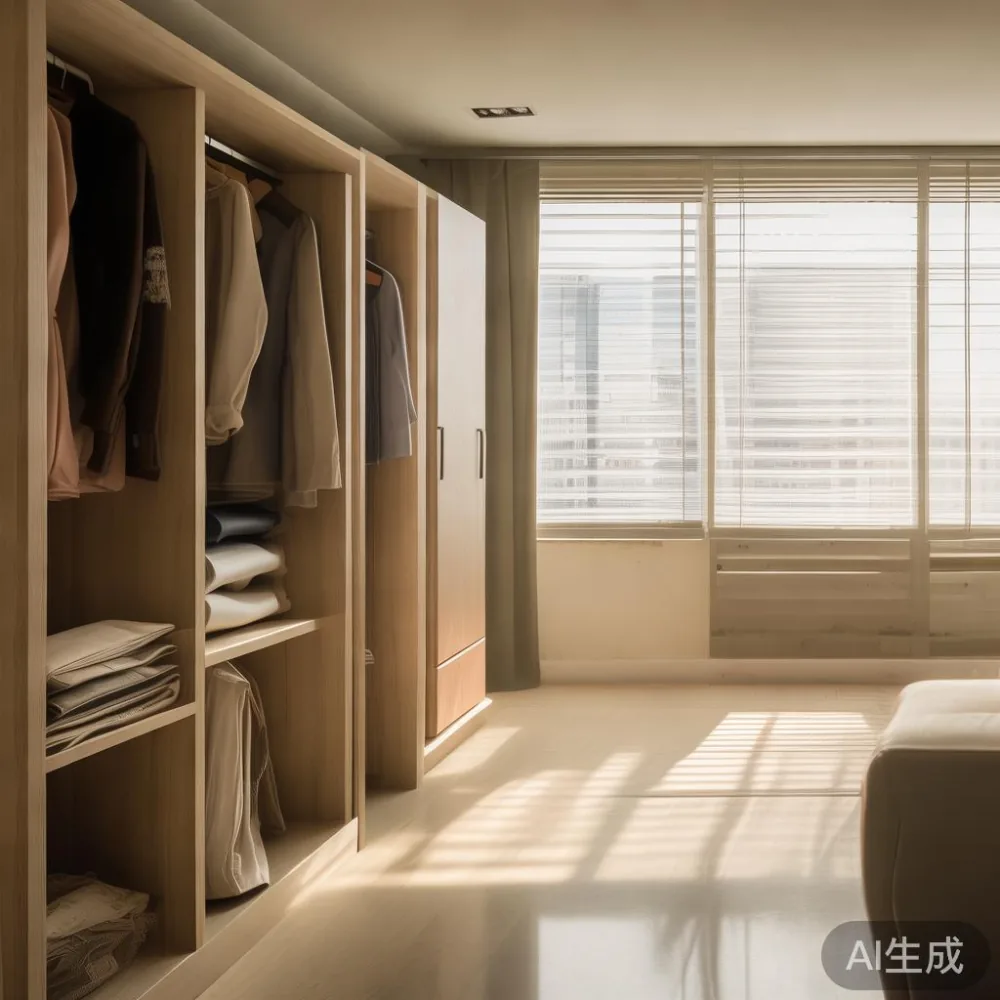
While your focus is on the sofa, it's helpful to see how your choice fits into the broader context of your home's design. A well-chosen sofa should complement your other furniture, like your wardrobe, bed frame, and dining table. When planning your bedroom, you might ask yourself how to choose European light luxury wardrobe that matches your aesthetic. This involves considering not just the style but also the internal wardrobe organization systems, such as the number of hanging rails, shelves, and drawers, to ensure it meets your storage needs.
Customer Question: What if My Sofa Arrives and It's Just Not Right?
This is a valid concern for any online purchase. The good news is that reputable furniture companies understand this. Many offer a return policy. For instance, a 14-day return window is common. This means if the sofa arrives and you find it's too firm, too soft, or the colour is not what you expected, you can initiate a return. However, this is not a decision to be made lightly. You will likely be responsible for the return shipping costs, which for a large item like a sofa can be significant, potentially costing several hundred Singapore dollars.
Before initiating a return, take detailed photos and videos of the sofa in its unpackaged state. Document any issues clearly. Communicate with the seller immediately. It's also wise to check the specific terms of the return policy. Some sellers may offer a partial refund or store credit instead of a full cash refund. Always ensure you have a physical address for the return process, as some online-only sellers may not have a local warehouse in Singapore.
Real-World Experience: My Colleague's Online Sofa Purchase
Last month, my colleague, Sarah, who lives in a condominium in Tampines, decided to buy a sofa online. She couldn't visit a showroom, so she relied heavily on the specifications provided. She chose a model that was 210 cm long, with a seat depth of 58 cm and a solid wood frame. She measured her living room doorway (82 cm) and her corridor (150 cm) and confirmed the sofa could be manoeuvred through. She also ordered fabric swatches to test the texture and colour against her walls.
When the sofa arrived, the delivery team took 45 minutes to assemble it inside her apartment due to the tight corners. The sofa fit perfectly, and the firmness was exactly as described. Sarah's success came from meticulous preparation. She knew that in her Singaporean home, every centimetre counts, and by focusing on the numbers, she eliminated the guesswork and got a sofa she loves without ever having sat on a display model.
Considering the Total Cost: Price, GST, and Delivery
The sticker price of a sofa is only part of the total cost. You must factor in other expenses. In Singapore, all furniture purchases are subject to 9% GST. A sofa listed at SGD 2,500 will actually cost SGD 2,725 at checkout. Delivery is another key factor. Many companies offer free shipping for orders over SGD 350, which is common for a sofa purchase. However, 'free shipping' might only cover delivery to the ground floor. If you live on the 10th floor of a Bedok HDB block, you may need to pay an additional 'stair-climbing' fee, which can range from SGD 50 to SGD 100.
Assembly is another potential cost. While some sellers include basic assembly in the price, others may charge extra. A professional assembly service in Singapore can cost between SGD 80 and SGD 150. Always ask for a detailed, itemized quote that includes the base price, GST, delivery fees, and any assembly charges. This prevents unpleasant surprises and allows you to budget accurately.
Warranty and After-Sales Support: The Long-Term Value
A sofa is a long-term investment, so the warranty is a critical piece of information to check. A good warranty indicates the manufacturer's confidence in their product. Look for a warranty that covers the frame for at least 5 years and the cushions for 1-2 years. Some premium brands, like established makers, offer a 10-year structural warranty, which is a significant benefit. This warranty covers defects in the frame, joints, and springs, ensuring your sofa remains stable for years to come.
Also, inquire about after-sales services. A reputable company will offer services like lifetime refinishing for their solid wood pieces. This means if the finish on your sofa or bed frame gets scratched over time, they can refinish it for you, extending its life. This level of service adds value beyond the initial purchase price and provides peace of mind. When you consider that a good sofa can last 10-15 years, a strong warranty is a worthwhile feature.
How to Choose European Sofa: Matching Style and Function
When you're browsing online, the sheer variety of styles can be overwhelming. You might see a post-modern light luxury sofa with clean lines and a minimalist silhouette, or a more traditional model with rolled arms and deep button tufting. To narrow down your choices, think about the existing style of your home. If you have a minimalist dining table and a sleek bed frame, a streamlined sofa will create a cohesive look.
Functionality is equally important. If you have young children or pets, you might opt for a sofa with removable, washable cushion covers. If you often have guests, consider a sofa with a reversible chaise lounge, which can be configured on the left or right side. When you're thinking about how to choose European sofa, you're not just picking a design; you're selecting a piece of furniture that will integrate into your daily life. For instance, a marble table in your living area might require a sofa with a lower profile to maintain visual balance.
Final Checklist: Your Sofa Buying Blueprint
To summarize the process, here is a final checklist to follow before you click 'buy':
- Measure your path: Doorway, lift, corridor, and final room dimensions. Account for turns.
- Measure your body: Ensure seat depth (55-60 cm) and height (45 cm) are suitable.
- Request fabric swatches: Test the texture and colour in your own home lighting.
- Verify the frame: Confirm it is solid wood and ask about the joinery methods.
- Check cushion specifications: Know the foam density and filling material.
- Calculate the total cost: Include the price, 9% GST, and any delivery/assembly fees.
- Review the warranty: Look for a 10-year structural warranty and lifetime refinishing options.
- Understand the return policy: Know the 14-day window and associated costs.
By following this blueprint, you can confidently work through the world of online furniture shopping and find a sofa that is perfect for your Singaporean home, even without sitting on it first.